On this page 10 sections
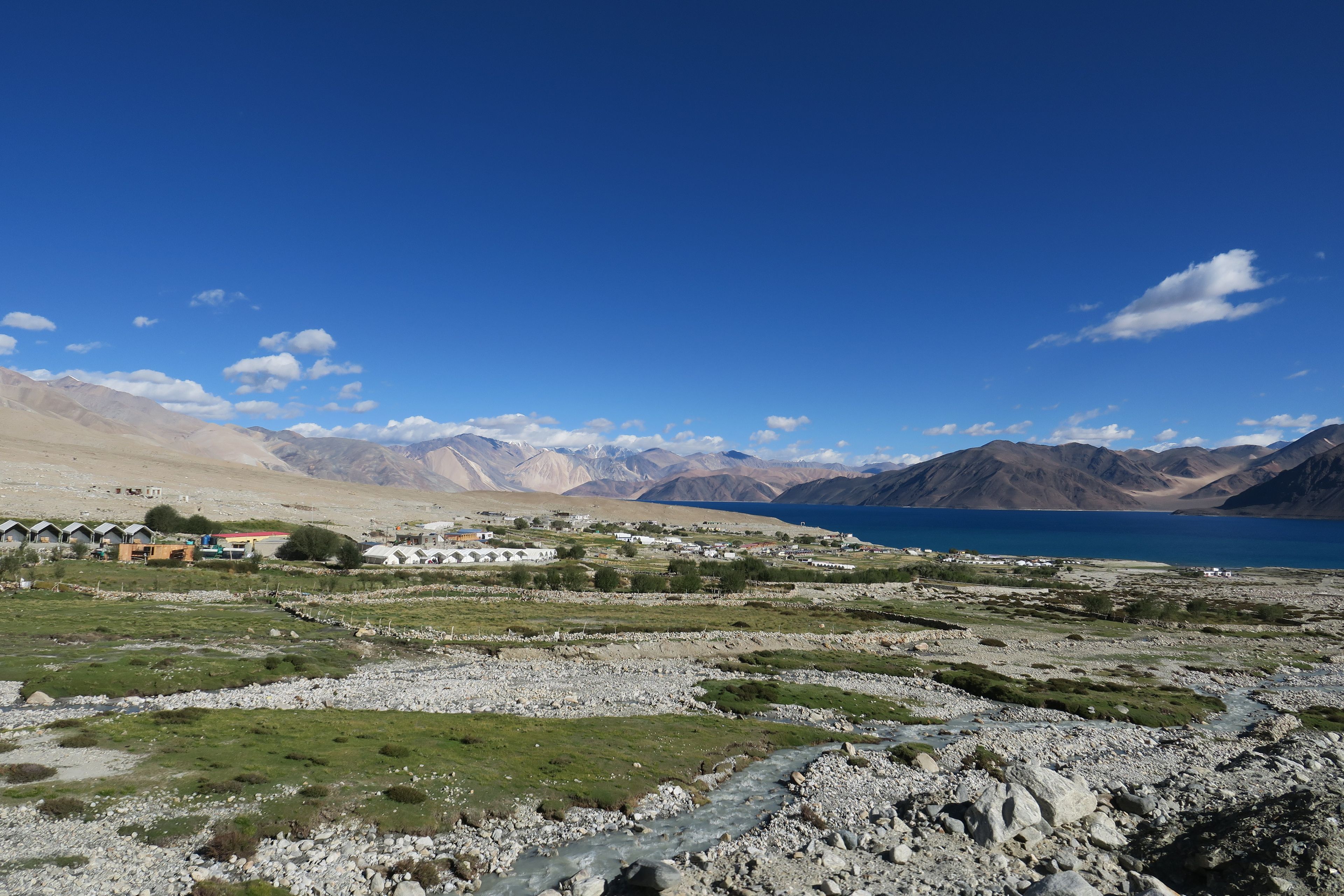
Leh sits at about 3,500 metres in the Indus valley, ringed by brown mountains and snow peaks. It is the capital of Ladakh and the hub from which every journey begins. On the surface it is a small town of guesthouses, cafes and a busy main bazaar, but around it lie palaces, stupas and some of the finest monasteries in the Himalaya. The first thing to understand about Leh is that your body needs time here.
Your first days: acclimatisation
Most visitors fly in from the plains and arrive at 3,500 metres within hours. That is a big change. The official Ladakh tourism advisory recommends at least 48 hours of rest on arrival before going higher. In practice:
- Day 1: Rest. Sleep, drink water and eat lightly. Do not climb or exert yourself.
- Day 2: Short, gentle sightseeing at the same altitude, such as the main bazaar, a short drive or a slow visit to the Leh Palace.
- Day 3: Local monasteries and viewpoints by car, with no heavy exertion.
Avoid alcohol and sedatives, and ask your doctor about preventive medication before you travel. Symptoms such as persistent headache, nausea or breathlessness should be taken seriously. Descend if they worsen. Our altitude and safety guide has detail.
What to see in and around Leh
- Leh Palace, the nine-storey seventeenth-century royal palace above the old town.
- Shanti Stupa, a white-domed peace pagoda with sunrise and sunset views.
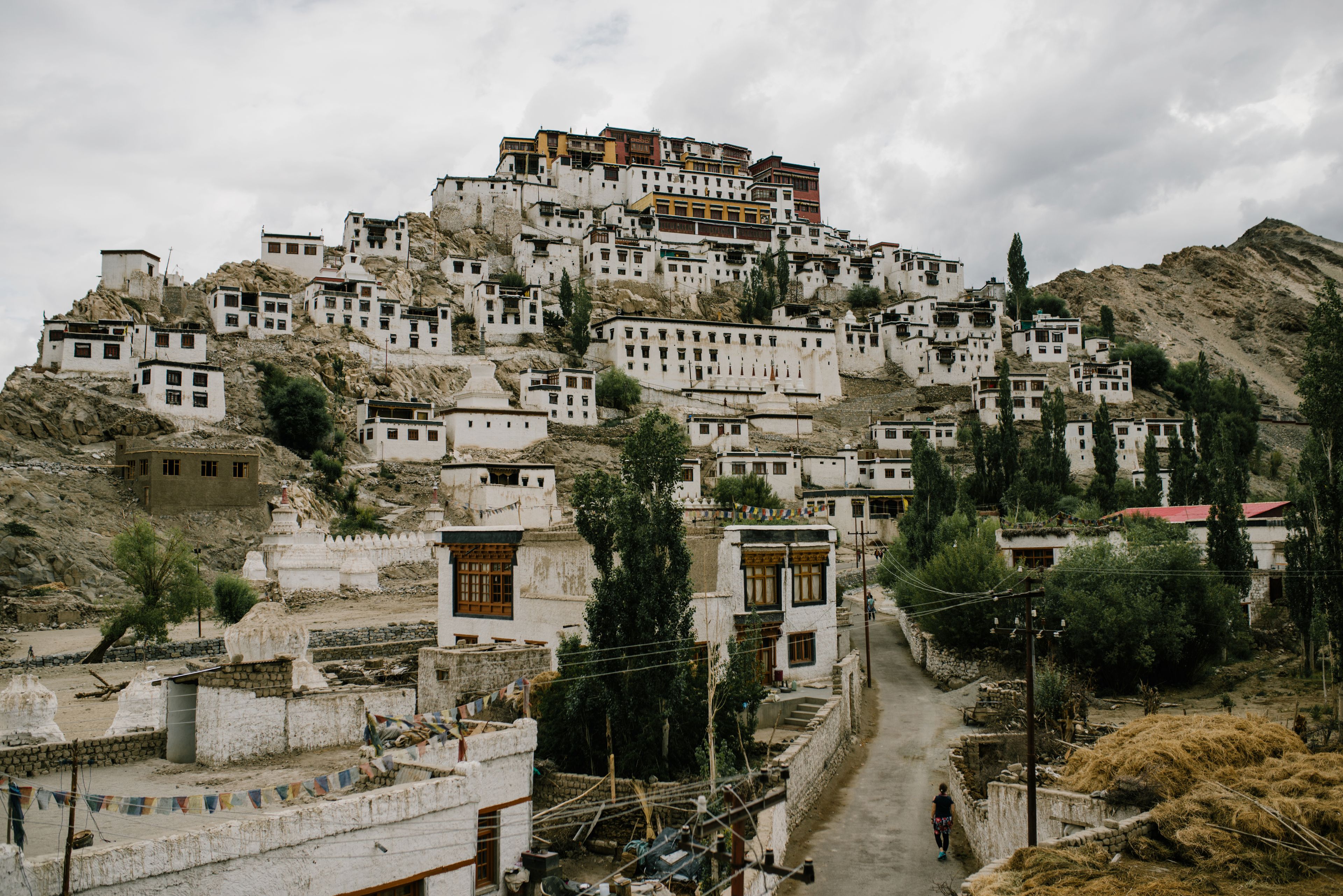
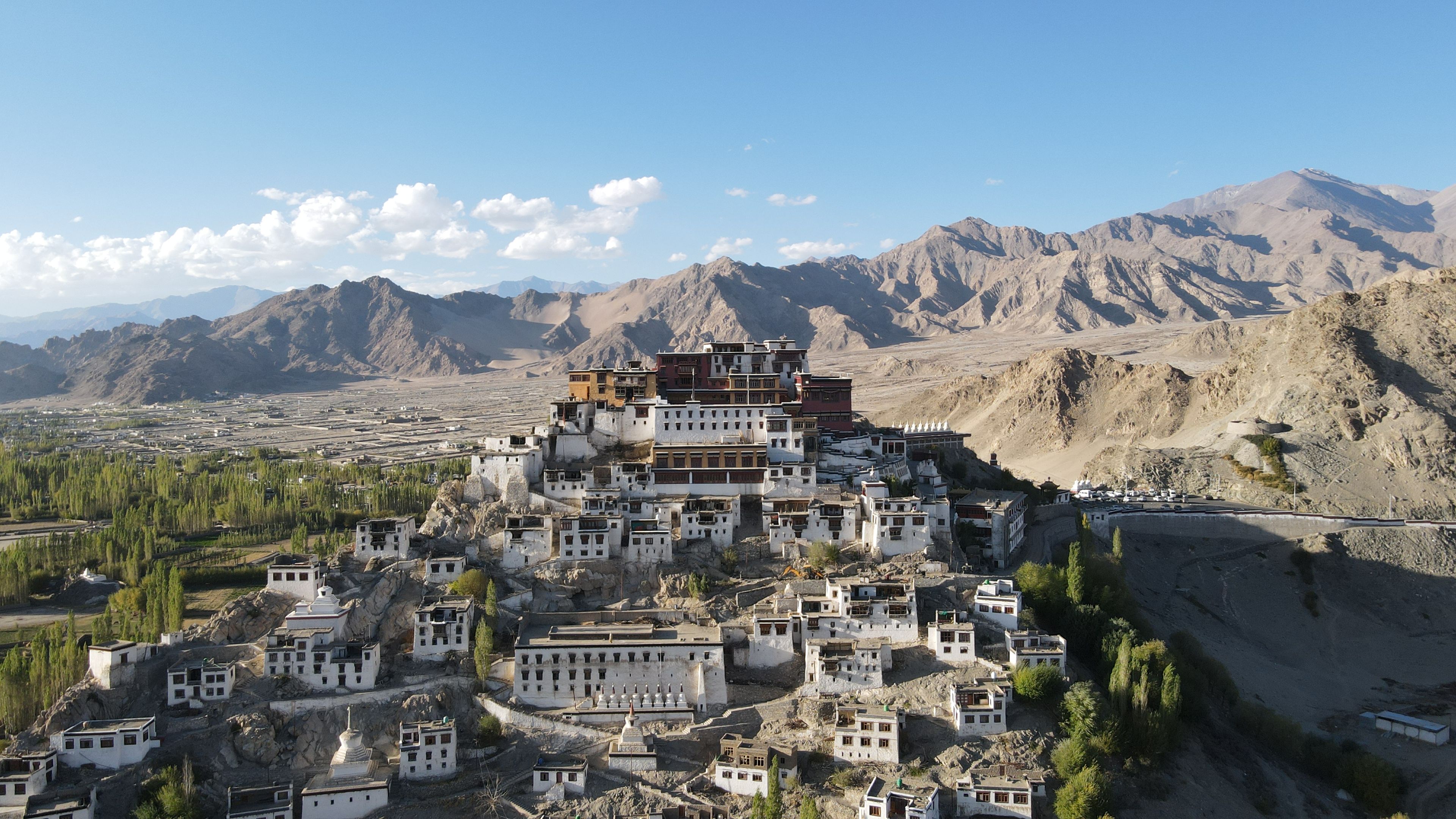
- Thiksey Monastery, a hilltop monastery resembling a small Potala.
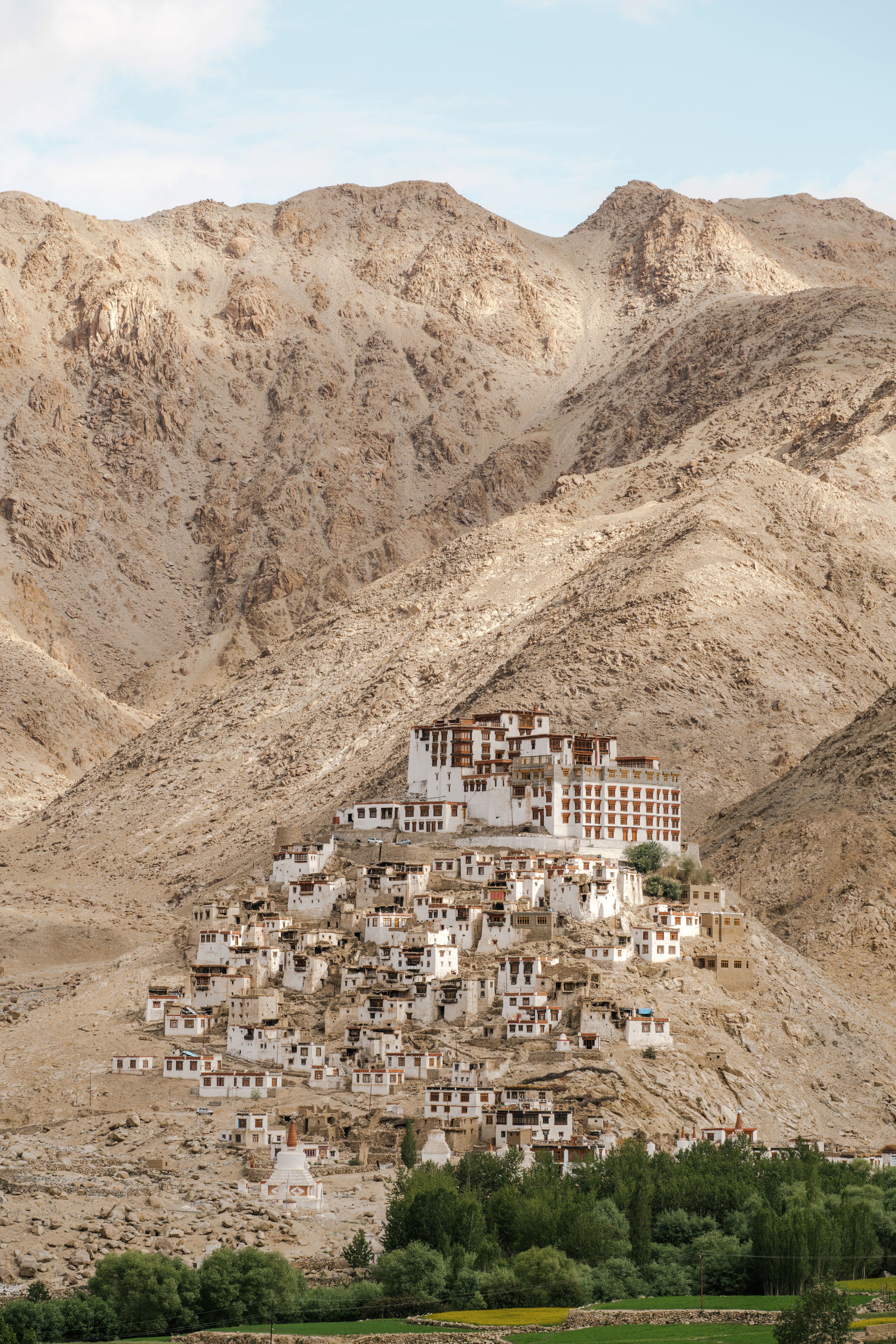
- Hemis Monastery, the largest in Ladakh, known for its summer festival.
- Shey Palace and its giant Buddha, on the way to Thiksey.
- Spituk and Stok, smaller monasteries and a royal palace.
- The Hall of Fame, an Indian Army museum about the region's military history.
- The main bazaar, for Pashmina, jewellery, thangka paintings and Tibetan handicrafts.
- Sangam, the confluence of the Indus and Zanskar rivers.
How many days in Leh
Plan at least three nights at the start for acclimatisation and local sightseeing. Many itineraries add another night at the end, as a buffer before the flight home.
Where to stay
- Near the main bazaar: convenient for restaurants and shops, but noisy.
- Changspa and Karzoo: guesthouses and cafes aimed at travellers, with a relaxed feel.
- Quieter areas outside the centre, such as Sankar or Choglamsar: calmer and often with better views.
- Heritage hotels and luxury properties towards Shey and Thiksey.
Ask about heating, hot water and oxygen availability, particularly in spring and autumn. Book early for June to August.
Getting around
Taxis in Leh are run by unions, with fixed rate lists, and outside vehicles are usually not allowed for local sightseeing. Walking is the best way to see the bazaar, but remember the altitude. Do not rent a motorcycle on your first days.
Food
Leh has an excellent range of restaurants, serving Tibetan, Ladakhi, Indian and continental food, and bakeries with cakes and apple pie. Try thukpa, momos, skyu and butter tea. Vegetarians eat well. Drink bottled or boiled water, and avoid heavy meals on arrival.
Shopping
Look for Pashmina shawls (check authenticity), local jewellery with turquoise and coral, thangka paintings, singing bowls and woollens. Bargain politely. Avoid buying items made from endangered animals' parts, such as shahtoosh, which is illegal.
Best time
June to September is the main season. In spring and autumn, the town is quiet and cold. In winter, it is very cold but beautiful, with few visitors and most guesthouses shut.
Responsible travel
Water is scarce, so use it sparingly. Avoid single-use plastic, and carry a refillable bottle. Respect monastery rules, and do not photograph people without permission. Support local guesthouses and homestays.
Plan Leh with us
Leh is the start of every Ladakh plan. See our Ladakh classic tour and the 6-day itinerary, or tell us your dates.