On this page 10 sections
South Goa is a different holiday from the north. The beaches are longer and less crowded, the resorts are larger and more spread out, and the pace is slower. It is the part of the state where many couples and families choose to stay, and where the inland attractions, such as spice plantations, heritage houses and Dudhsagar, are within easy reach.
What South Goa is like
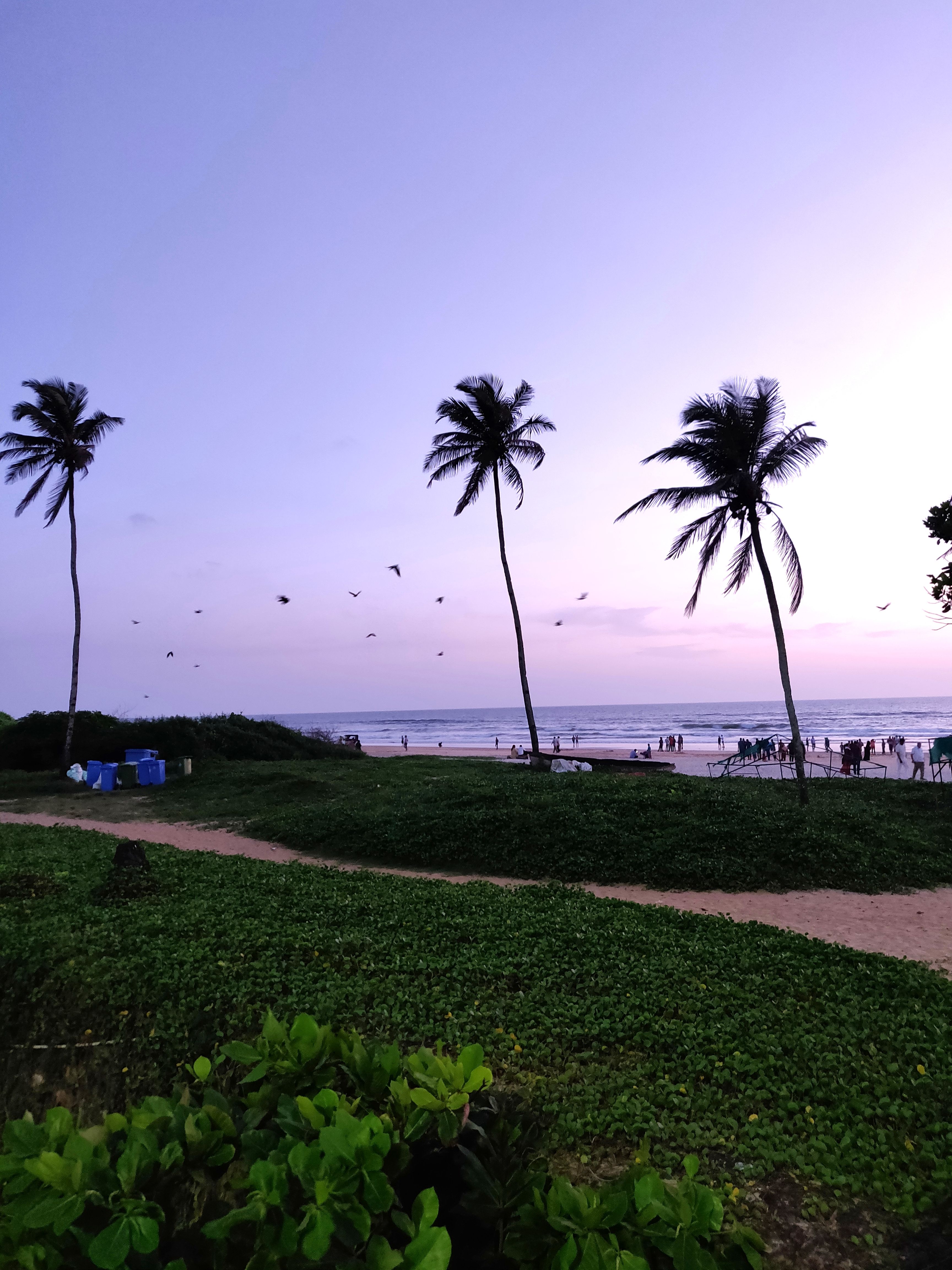
The coastline from Majorda to Cavelossim is dotted with wide, flat beaches, with big resorts set behind palms. Colva is the busiest, with shacks, a market and a lively evening. Benaulim is calmer, with a village feel and a fishing community. Varca and Cavelossim have some of the widest stretches of sand and the most polished resorts. The sea is usually gentler here than in the north, although swimming conditions still vary.
Inland, Salcete's villages hold old Portuguese mansions, churches and farms. Margao (Madgaon) is the commercial capital, with a large municipal market and the railway station that most trains to Goa use.
What to do
- Relax at a resort. Pools, spas and beach access make this the best part of Goa for a low-effort holiday.
- Walk on Colva and Benaulim beaches early in the morning, when fishing boats come in.
- Visit Margao's market for spices, cashews, local snacks and everyday Goan life.
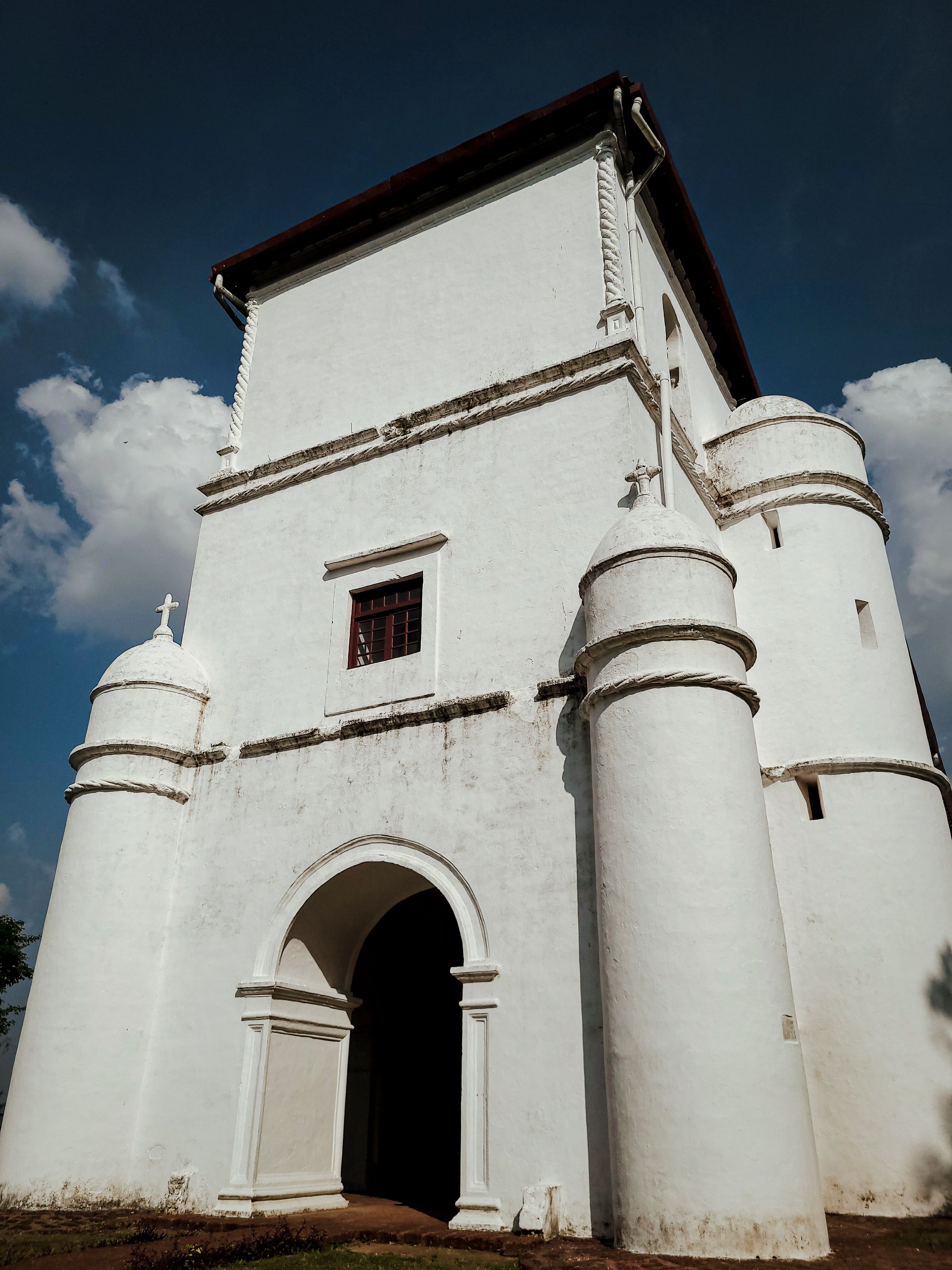
- See a heritage mansion. Villages such as Chandor and Loutolim have preserved houses that show Goa's Portuguese-era architecture.
- Tour a spice plantation near Ponda, with a walk and a Goan lunch.
- Go to Dudhsagar. The waterfall is about two hours from Colva, with a jeep safari from the Mollem side in season. See Dudhsagar Falls.
- Take a river or dolphin cruise from nearby jetties.
The beaches
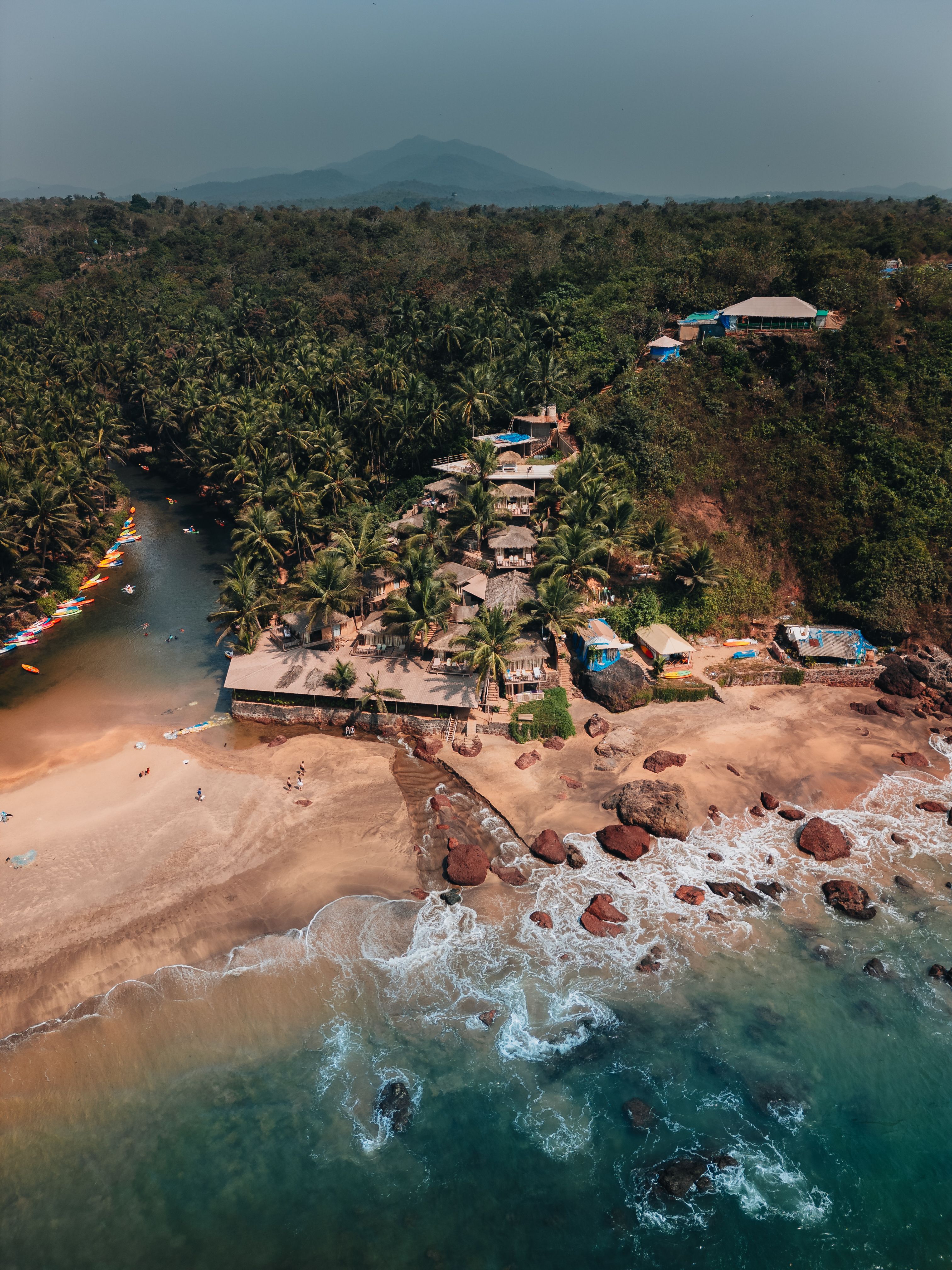
Colva Beach is the main social beach in the south. Benaulim has quieter sand and a village atmosphere, and Majorda and Utorda have resort-style access. Further south, Mobor and Cavelossim offer wide shores and large resorts. For the more famous bays, see Palolem and Agonda.
Where to stay
Resorts dominate, ranging from mid-range to luxury. Boutique guest houses are available around Benaulim and Colva. Many resorts offer airport transfers, but confirm which airport you are using, since Dabolim is close and Mopa is far.
Getting around
South Goa is spread out, so a car with driver for the stay is more practical than a scooter. Margao has local buses and rickshaws, but the resort belt is poorly served by public transport. Taxis are available but can be pricey.
When to visit
November to February is the main season. March to May is hot but quieter, and resorts offer good value. The monsoon is wet, but the countryside is green and the waterfalls are at their best.
A sample day in South Goa
Start with a walk on Colva or Benaulim beach at sunrise, when fishermen are launching boats and the sea is calm. Return for a long breakfast at the resort, then spend the late morning at the pool. After lunch, drive to Margao for the market or to a heritage house in Chandor or Loutolim, and be back at the beach for sunset. Dinner is usually at the resort or a beachfront restaurant. It is a day with a rhythm that suits children and grandparents alike.
Day trips from the south
Cabo de Rama Fort, on a headland above the sea near Canacona, is a quiet half-day. The Rachol Seminary and Chandor's Braganza Pereira House show Goa's colonial architecture. Spice plantations near Ponda combine a walk, a guided tour and a Goan lunch. The Cotigao Wildlife Sanctuary in the far south is a good option for nature lovers, and Dudhsagar is an all-day trip, as described above. Check opening days before you go, since some heritage houses and museums have fixed visiting hours.
Is South Goa right for you?
It suits families, couples, older travellers and anyone who values space and quiet. If you want nightlife and a busy beach scene, choose North Goa or combine both.
Plan with us
South Goa features in our Goa family holiday and the Goa honeymoon. Tell us your travel dates and we will suggest a resort base.