On this page 11 sections
At the southern end of Goa, in the Canacona district, the coast folds into a series of crescent bays that many people regard as the prettiest in the state. Palolem is the best known, with a calm curved beach, kayaks, boat trips and a mix of shacks and cottages. Agonda, a little north, is longer and quieter, with a reputation for peace and turtle nesting.
What the area is like
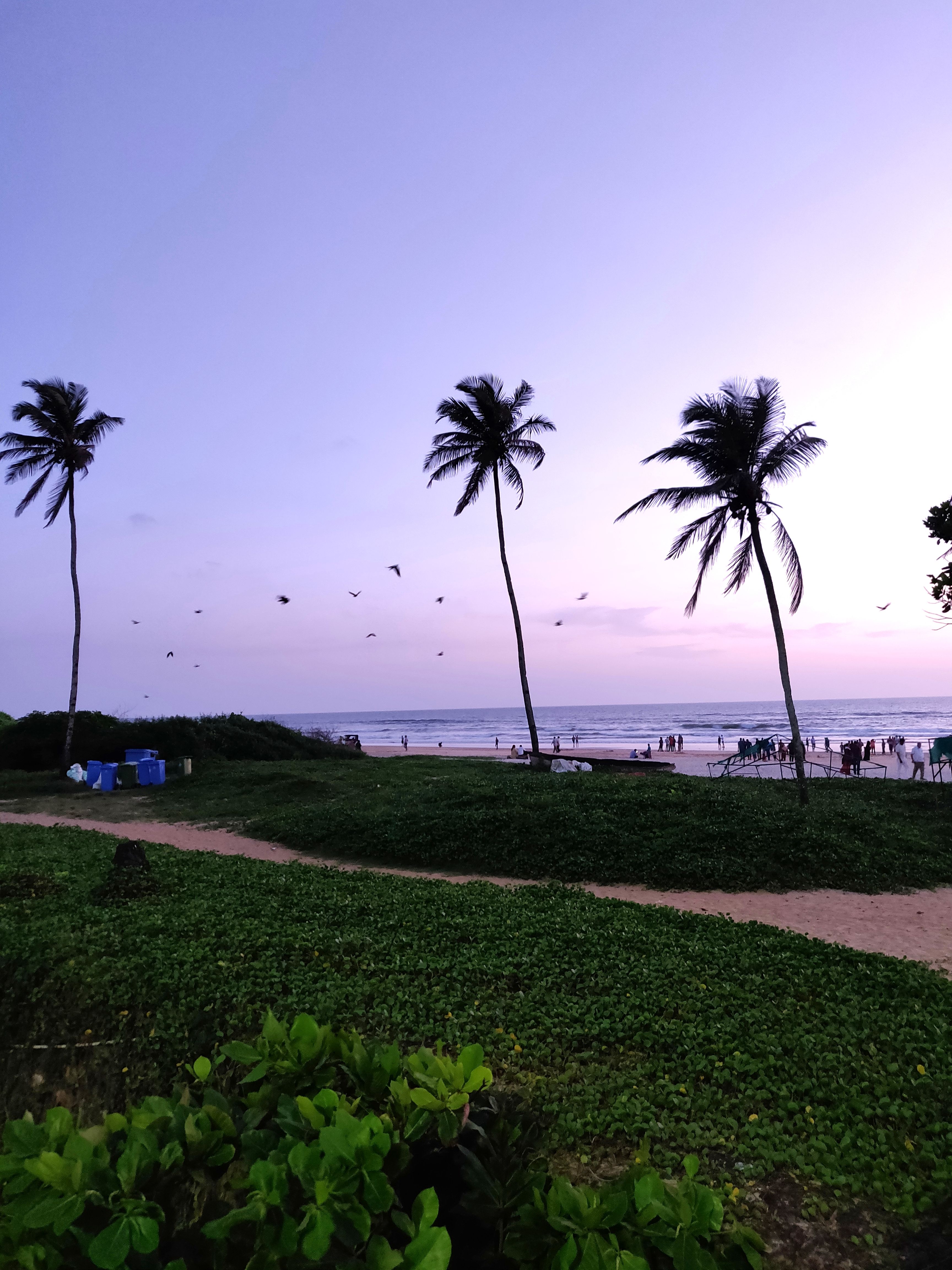
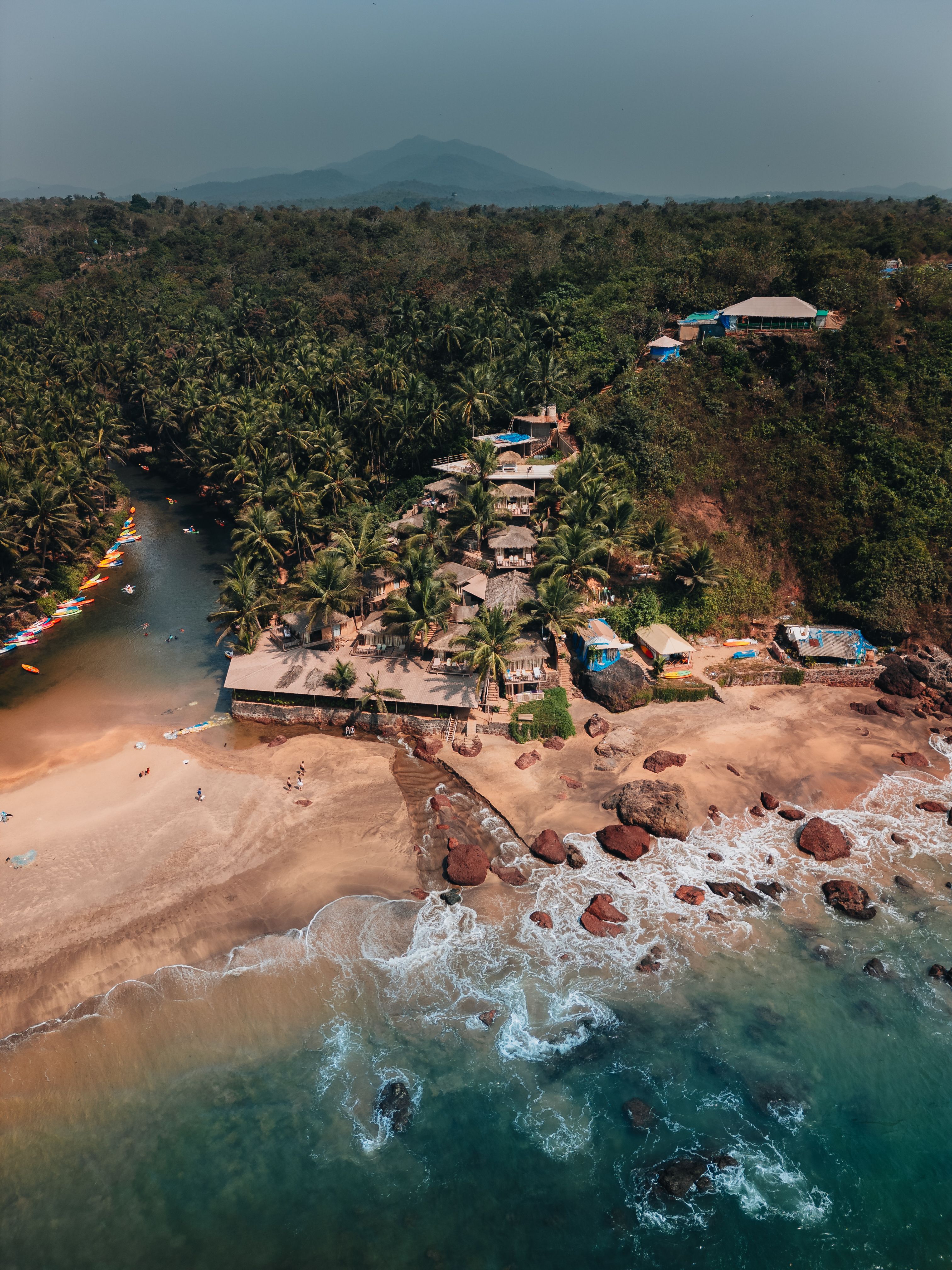
The beaches are framed by green hills, with coconut palms right up to the sand. The water is often calm in the open season, making it suitable for swimming and kayaking. Accommodation tends to be low-rise: beach huts, small boutique hotels and guest houses, many of which are seasonal and dismantled before the monsoon.
The mood is relaxed. People come to read, walk, swim, practise yoga and eat well, rather than to dance late. Evenings are quiet, though Palolem has a lively scene in peak season, including the well-known silent disco nights where guests listen on headphones.
Palolem
Palolem Beach is a crescent about a kilometre long with a small island at one end. Kayaking, standup paddling and dolphin-watching trips are popular. A short boat ride leads to Butterfly Beach, which is nearly empty. South of Palolem, Patnem is a calmer extension with a relaxed feel.
Agonda
Agonda Beach is a long, straight beach with few buildings, a handful of cafes and a lot of space. It is known for turtle nesting between about November and March, and nests are protected. Cabo de Rama Fort, on a headland to the south, offers dramatic views.
Things to do
- Kayak at sunrise on Palolem's calm water.
- Take a dolphin-spotting boat trip, and avoid operators who chase the animals.
- Hike to Butterfly Beach or Cabo de Rama.
- Visit Cotigao Wildlife Sanctuary, a forested reserve inland.
- Join a cooking class, yoga session or cooking tour.
- Walk the beach at dawn, when fishermen launch their boats.
Where to stay
Beach huts are atmospheric but basic; check bathroom, mosquito and security arrangements. Boutique hotels and guest houses are more comfortable. Book well ahead for December to February.
Getting there
Dabolim airport is about 60 km away, around an hour and a half by road. Canacona railway station on the Konkan line is a few kilometres from Palolem, making train travel practical from Mumbai and Mangalore.
When to go
November to March is best, with shacks and huts open. Many seasonal structures are removed during the monsoon, and swimming is unsafe.
A sample day at Palolem or Agonda
Wake for sunrise, and take a kayak out on the water while it is flat. Breakfast at a beach cafe, then a swim and a long, lazy morning. At lunch, try the fish thali or a fresh salad, followed by a nap in the shade. In the afternoon, walk to Patnem, take a short boat trip or read. As the sun goes down, the beach fills with people for dinner, and live music is common on weekends in season. Beach huts quieten early, so expect an early night.
Practical tips
ATMs are few, so carry some cash, especially in Agonda, where card machines can be unreliable. Mosquito repellent is useful at dusk, and a torch helps on unlit beach paths at night. Sea conditions can change quickly, so check flags every day. Book huts in December well ahead, and ask about security, bathrooms and what happens if there is rain. Water and power cuts happen occasionally in beach villages.
Is it right for you?
Choose this area if you want quiet beaches and a calm pace. It is less suited to those who want shopping, big hotels or a busy nightlife. For more on Goa's southern side, see South Goa.
Plan with us
This area suits our Goa honeymoon and relaxed family trips. Tell us what you are looking for.