On this page 9 sections
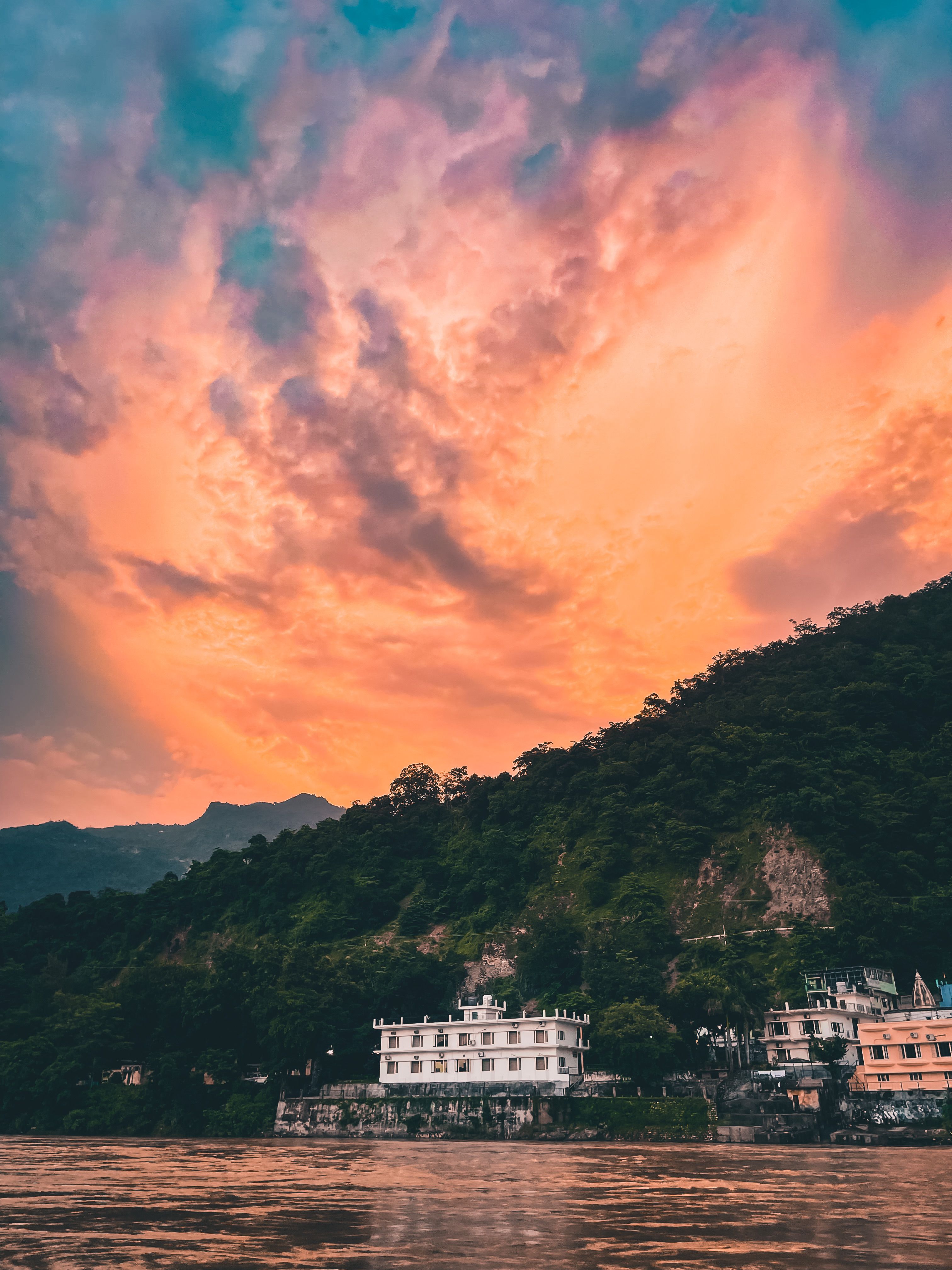
Rishikesh sits where the Ganga, green and fast, comes out of the Himalayan foothills onto the plains. It is a small town at about 340 metres, but it holds a large place in India's spiritual imagination. Ashrams line the banks, temple bells mix with the sound of the river, and every evening lamps are floated on the water. It is also a town of cafes, yoga studios and adventure companies, so it works for pilgrims, backpackers, families and couples.
What Rishikesh is like
The town spreads along both banks of the river. On the east bank, around Laxman Jhula and Tapovan, you find cafes, hostels, shops and rafting offices. On the west bank are quieter ashrams and Swarg Ashram. Ram Jhula, an iron suspension bridge, links the two sides. Laxman Jhula, the older bridge, was closed to the public in 2019 after being declared unsafe, so check which crossings are open when you visit. The mood is relaxed and slightly bohemian, with a strong pilgrimage presence.
What to do
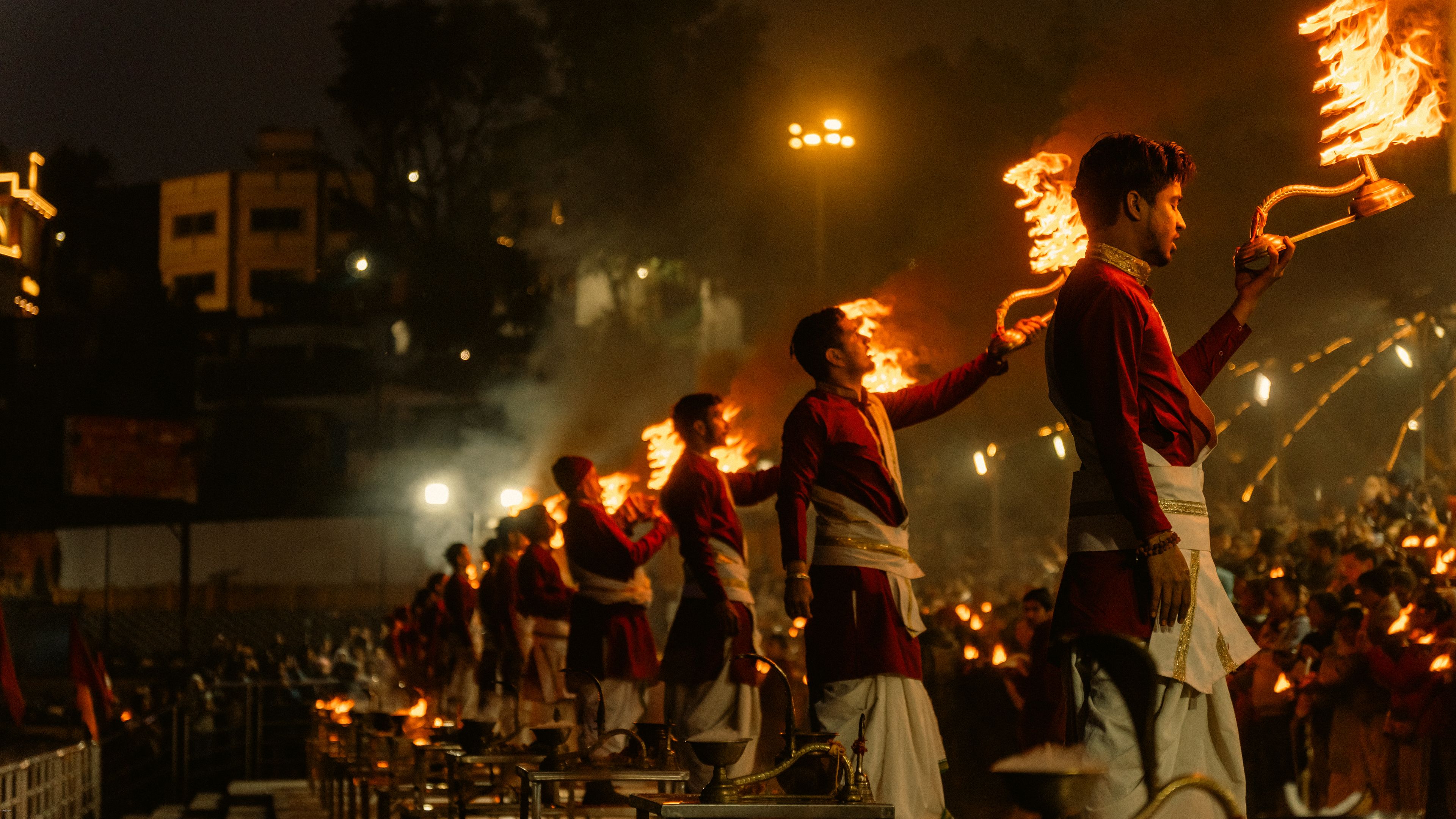
- Evening aarti at Triveni Ghat, the town's best-known ritual, with lamps, chants and floated flowers.
- River rafting on stretches of the Ganga, usually between about September and June.
- Yoga and meditation. Classes range from a single morning session to month-long courses. The International Yoga Festival has been held in March in recent years.
- The Beatles Ashram (Chaurasi Kutia), where the band stayed with Maharishi Mahesh Yogi in 1968. It is now an atmospheric ruin covered in street art, within forest land, with an entry ticket.
- Neelkanth Mahadev and Kunjapuri temples, hilltop shrines reached by road, the latter famous for sunrise views.
- Cafes and bookshops along the river, with vegetarian and vegan menus.
- Waterfalls and beaches. Small river beaches upstream are used for camping and swimming where permitted.
How many days
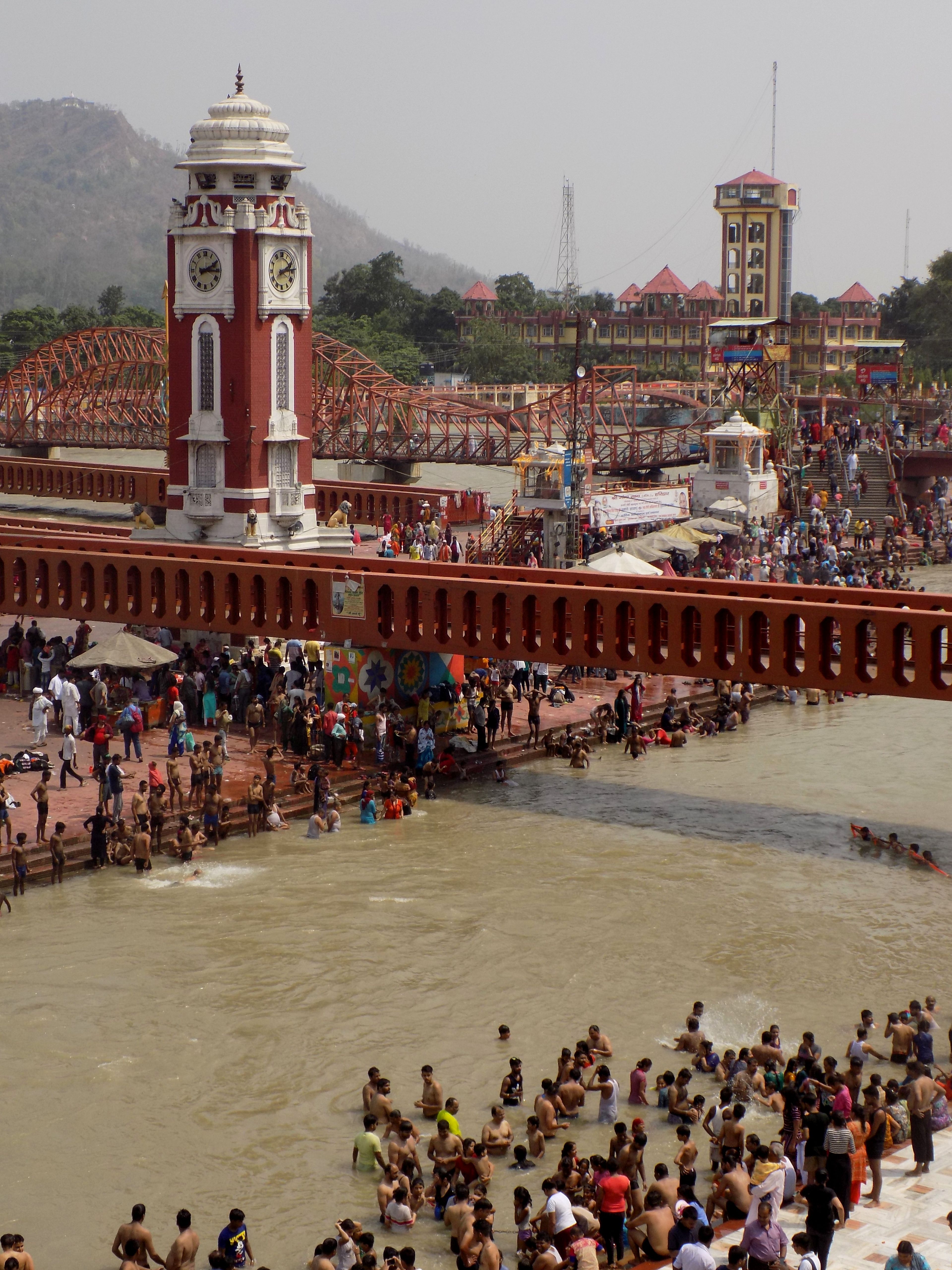
Two nights are enough for the aarti, a yoga class, a walk across the bridges and a rafting trip. Three nights give time to see Neelkanth or Kunjapuri and to relax. It is easy to combine Rishikesh with Haridwar, 45 to 60 minutes away, and with Mussoorie, about three hours away. See our Uttarakhand classic plan.
Where to stay
- Ashrams: simple rooms, early schedules and rules about food, alcohol and dress. Book ahead and read the conditions.
- Riverside resorts and boutique hotels: more comfort, sometimes with river views and a pool.
- Camps near the rafting stretch, a short drive from town, for a night under canvas.
- Hostels and homestays for solo travellers, many in Tapovan and Laxman Jhula.
Noise from late-night cafes and temple loudspeakers can be a factor, so ask about the location of rooms.
Food, alcohol and etiquette
Rishikesh is a pilgrimage town, and many restaurants and ashram areas are vegetarian and alcohol-free, with rules varying by locality. Hotels outside the core may serve both. Dress modestly at temples and ghats, remove shoes where asked, and avoid public displays that offend local sentiment. Please do not litter the river.
Getting around
Jolly Grant Airport at Dehradun is about 35 km away, and Rishikesh has a railway station. Within town, you walk, take shared tuk-tuks or hire a taxi. Vehicles are restricted near the bridges at times. Bring comfortable shoes and expect steps.
Best time to visit
February to April and September to November are the most comfortable months. Summer is hot at the river, though evenings are pleasant. The monsoon brings heavy rain, high water and a pause in rafting. Winter mornings are cool and foggy, but fine for yoga and walks.
Safety and responsible travel
Use licensed rafting and adventure operators, wear life jackets and follow guides. Avoid swimming in strong currents, particularly after rain. Keep valuables safe on crowded ghats. Be careful with monkeys near food. Solo travellers, including women, commonly visit and stay in well-reviewed hostels and homestays, but should take normal precautions at night.
Plan Rishikesh with us
We can build a calm riverside stay, an adventure weekend or a yoga-focused plan. See our Uttarakhand classic tour and the corporate offsite, or tell us your dates.