On this page 11 sections
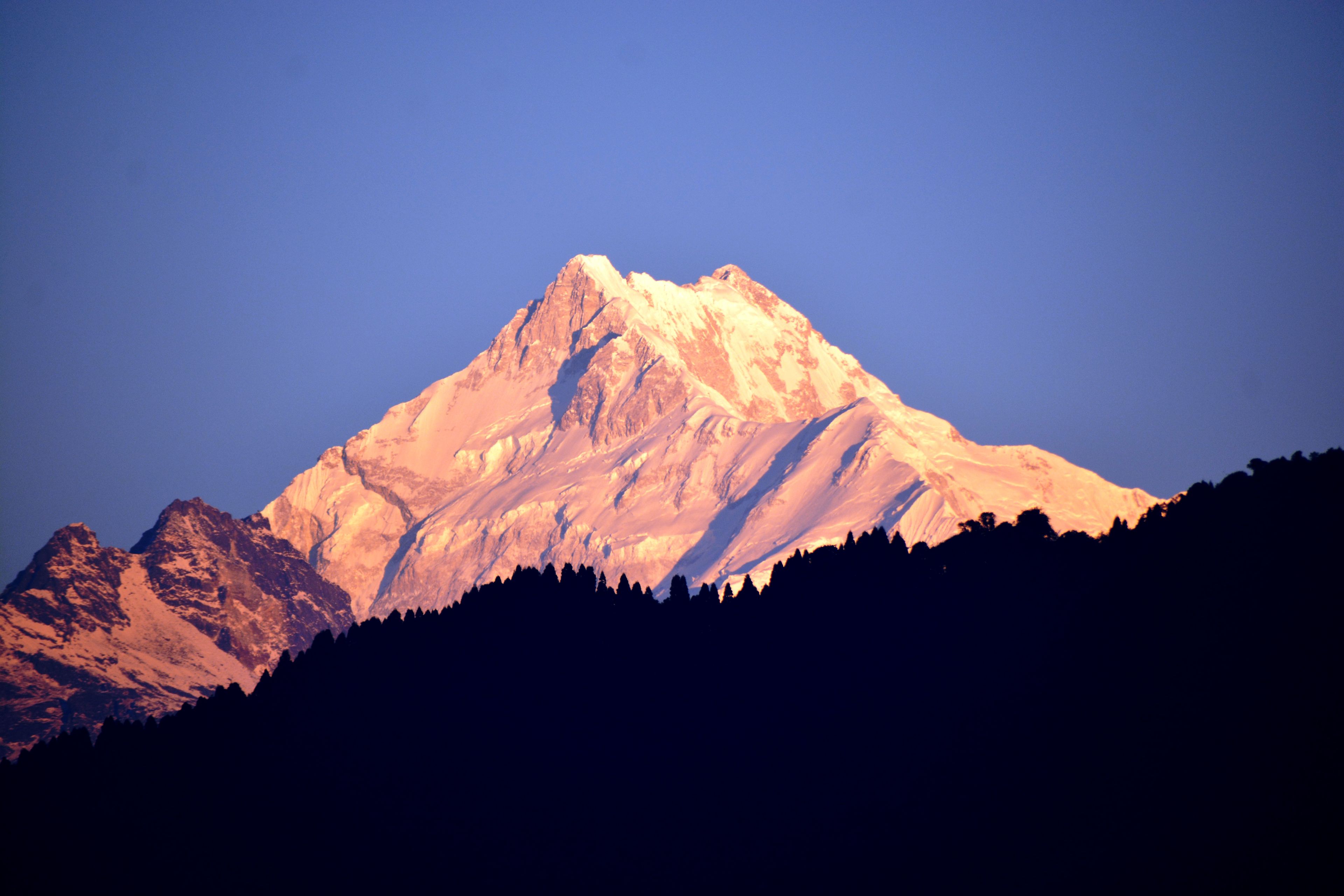
Gangtok is the capital of Sikkim, strung along a ridge at about 1,650 metres with views of Kanchenjunga on clear days. It is tidy by Indian standards, with strict rules on littering and plastic, and a lively pedestrian promenade at its heart. It is also the base for the high-altitude excursions that many visitors come for, such as Tsomgo Lake and Nathu La, and the starting point for North Sikkim.
What Gangtok is like
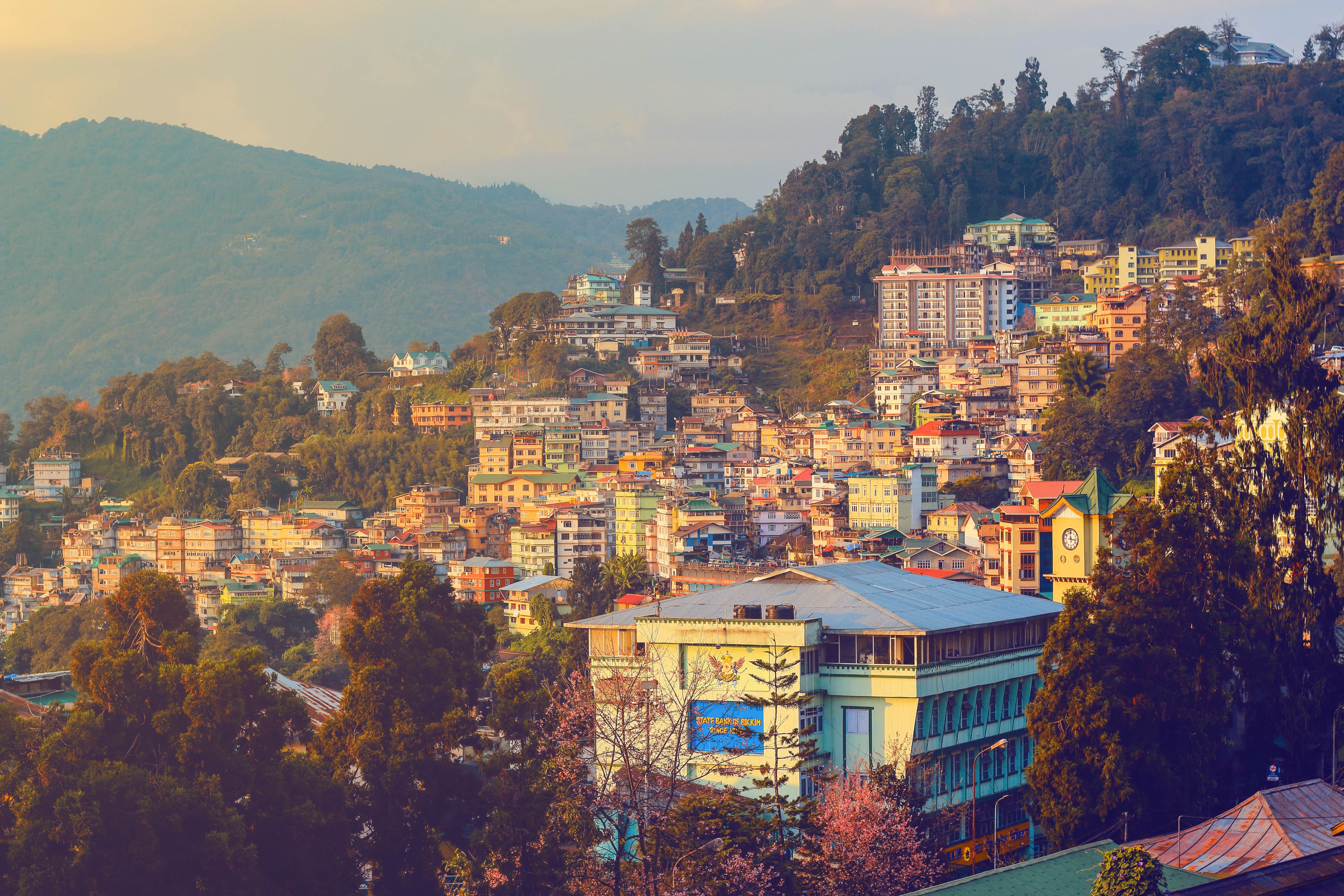
The town climbs in layers. At the centre, MG Marg is a pedestrian street lined with cafes, shops and benches, closed to vehicles and busy until late. Above it are viewpoints and monasteries, and below are residential neighbourhoods and markets. Steps and steep roads connect levels, so some walking is inevitable. The mood is cosmopolitan and cheerful, with a mix of Nepali, Bhutia, Lepcha and Tibetan communities and many young people.
What to do
- MG Marg, for an evening walk, cafe sitting and shopping.
- Rumtek Monastery, the seat of the Karmapa lineage in exile, about 24 km from town.
- Enchey Monastery, a smaller, older gompa above town, with a festival in winter.
- Tashi Viewpoint and Ganesh Tok, for sunrise views of Kanchenjunga.
- Hanuman Tok, a hilltop temple with a view.
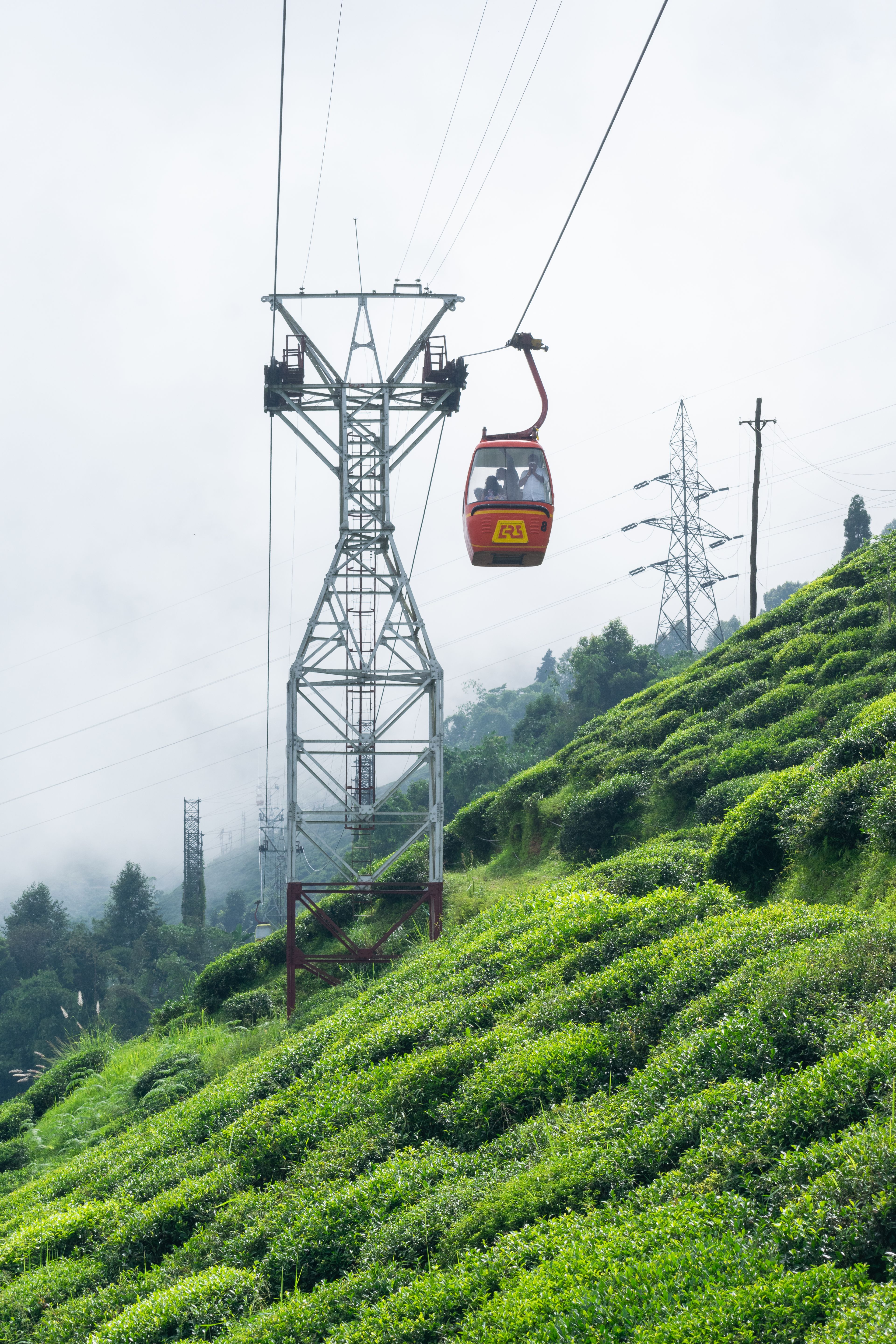
- The Gangtok ropeway, which crosses part of the town and offers a bird's-eye view.
- Namgyal Institute of Tibetology, with Buddhist texts and art.
- Banjhakri Falls and Energy Park, a family-friendly outing.
- Flower exhibitions and orchid shows, in the flowering seasons.
Day trips from Gangtok
Gangtok is the usual base for Tsomgo Lake and Nathu La, which need permits and early starts. It is also the starting point for North Sikkim, where Lachen and Lachung lie a long drive north. Pelling and Yuksom in West Sikkim are further away, and are generally combined into a loop.
How many days
Two to three nights allow the town, Rumtek and Tsomgo. Four nights include a slower pace. Gangtok features in our Darjeeling and Gangtok classic tour and our corporate offsite.
Where to stay
- Near MG Marg: convenient for restaurants and nightlife, but busy.
- On the slopes: quieter, with views, but with steep access.
- Boutique hotels and homestays: more local character and often better value.
Ask about parking, hill access and heating in winter. Book early for October to November and May to June.
Food and nightlife
Gangtok has an excellent food scene: momos, thukpa, thenthuk, sel roti, gundruk and phagshapa, along with cafes, bakeries and live music venues. Sikkim promotes organic produce. Alcohol is widely available in restaurants and bars, and traditional millet beer called tongba is a local favourite. Drink responsibly, particularly before high-altitude excursions.
Shopping
MG Marg and Lal Bazaar sell handmade carpets, thangka paintings, prayer flags, woollens, organic tea, cardamom, handmade paper and Sikkimese jewellery. The Government Institute of Cottage Industries is a reliable place for crafts. Bargain politely, and check authenticity for silver and antiques. Buy tea and spices from reputable shops, and ask about packing for travel.
Rules and respect
Gangtok enforces cleanliness rules. Do not litter, spit or smoke in public places, and carry a reusable bottle. Plastic bags are banned in many shops. Dress modestly in monasteries, and ask before photographing people.
Getting there and around
Gangtok is 4 to 5 hours from Bagdogra and Siliguri by road, along the Teesta and NH-10, which can be closed after heavy rain. Pakyong Airport near Gangtok has had limited flights. In town, you walk or take taxis. Vehicle numbers and parking are tightly controlled in the centre.
Best time to visit
March to May and October to early December are the best months. Winters are cold, with snow on the high roads. The monsoon is wet, with landslides and cancelled day trips.
Plan Gangtok with us
We help you choose the right hotel, check permits for day trips and arrange drivers who know the roads. Send us your dates for a tailored plan.