Short answer
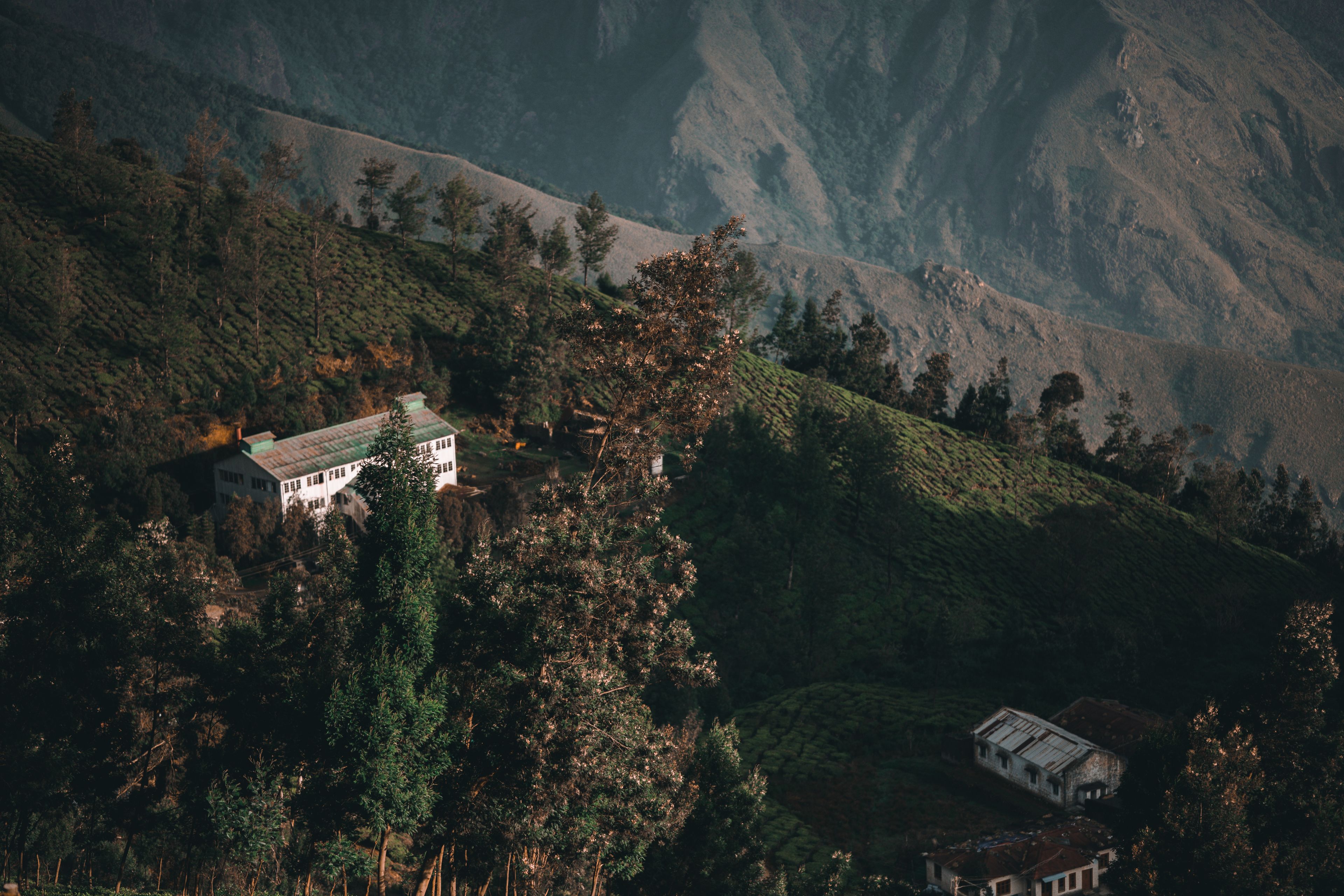
Kerala is warm and humid all year. December to March is dry and sunny, April and May are hot, June to August bring heavy south-west monsoon rain, and October to November have showers from the north-east monsoon. Munnar is cool at any time of year.
On this page 11 sections
Kerala has a tropical climate, which means warm temperatures all year and a clear split between dry and wet seasons. What is less obvious to visitors is that the state has two rainy seasons. The south-west monsoon, from June to September, is the heavy one. The north-east monsoon brings lighter, more scattered rain in October and November. Knowing the pattern helps you pack properly and plan your days.
Month by month
| Month | Kochi (approx.) | Munnar (approx.) | What it feels like |
|---|---|---|---|
| January | 23 to 32 °C | 8 to 22 °C | Dry, sunny, cool nights in the hills |
| February | 24 to 33 °C | 9 to 24 °C | Dry, warm, clear skies |
| March | 25 to 33 °C | 12 to 26 °C | Hot, drier, humid |
| April | 26 to 34 °C | 14 to 27 °C | Hot and humid, pre-monsoon showers |
| May | 26 to 33 °C | 14 to 26 °C | Hot, thunderstorms |
| June | 24 to 30 °C | 13 to 22 °C | Monsoon onset, heavy rain |
| July | 24 to 29 °C | 12 to 21 °C | Wettest, grey skies |
| August | 24 to 29 °C | 12 to 21 °C | Heavy showers, green |
| September | 24 to 30 °C | 12 to 23 °C | Rain easing |
| October | 24 to 31 °C | 12 to 23 °C | Scattered showers, humid |
| November | 24 to 31 °C | 11 to 23 °C | Showers, cooling |
| December | 23 to 31 °C | 8 to 22 °C | Dry, pleasant, cold nights in the hills |
These are typical ranges. Real conditions vary by year, and Munnar's higher estates can be colder than the town.
The seasons in detail
Winter (December to February). Clear, sunny days and cooler nights. This is the most comfortable season on the coast and the coldest in the hills, where mist and frost can appear on the highest estates.
Summer (March to May). Heat and humidity build, particularly on the coast and in Palakkad. Afternoon thunderstorms are common in April and May. Munnar remains cool, making it a refuge.
South-west monsoon (June to September). Heavy rain, sometimes for days. Rivers swell, backwaters are full, waterfalls are at their best and the landscape is a deep green. Seas are rough and swimming is unsafe. Landslides and flooding can occur in hill districts.
North-east monsoon (October to November). Scattered showers, often in the afternoon or evening, with humid, warm weather between them. Landscapes are fresh, crowds are small and prices are moderate.
Humidity and the sea
Humidity on the coast often exceeds 70 per cent and feels heavier in April, May and the monsoon. Sea temperatures stay around 27 to 30 degrees, so swimming is comfortable whenever it is safe. Lifeguards are present at popular beaches in season, but conditions can change quickly. In the monsoon, red flags mean no swimming.
Daylight
Days are fairly even through the year, with about 11 to 13 hours of daylight. Sunset is around 6 to 7 pm, so evenings come early. In the hills, mist can reduce visibility in the late afternoon.
Rainfall at a glance
Kerala receives around 3,000 millimetres of rain a year, on average, with most of it falling between June and September. The high ranges get even more, and the northern coast is wetter than the south. A typical monsoon day brings several hours of heavy rain followed by breaks, so mornings or evenings may be dry. Short, sharp thunderstorms are common in April and May. Even in the driest months, an occasional shower is possible in the hills.
Weather and hill roads
Heavy rain increases the risk of landslides, flooded roads and fallen trees on hill routes to Munnar, Thekkady and Wayanad. Alerts issued by the weather department are colour-coded: yellow means be aware, orange means be prepared and red means take action. If an orange or red alert is in force for your district, we recommend postponing hill travel. Our drivers check conditions on the morning of each journey.
What the weather means for activities
| Activity | Best weather window |
|---|---|
| Beach days | December to March |
| Houseboat cruises | October to March, and September |
| Tea-hill sightseeing | December to March, and April to May |
| Periyar boat rides | December to April |
| Waterfall visits | July to October |
| Ayurveda | June to September, or any month |
| Photography | Post-monsoon mornings, and misty hill dawns |
What to pack
- All year: Light cotton clothes, a hat, sunscreen, comfortable shoes and a water bottle.
- Rainy months: A light rain jacket or umbrella, quick-dry clothing, sandals with grip and waterproof covers for bags and cameras.
- Munnar and the hills: A warm layer or light jacket, even in summer, and a woollen cap from December to February.
- Temples and churches: Modest clothing that covers shoulders and knees.
Weather and safety
Heavy rain can cause landslides and flooding. The weather department issues colour-coded alerts for districts, such as yellow, orange and red. Check them before driving to hill areas, and follow instructions from local authorities. If a red alert is in force, postpone hill travel. Do not cross flooded roads, and avoid waterfalls and rivers after heavy rain.
Seasonal clothing in practice
In the dry months, light cotton and linen keep you cool, and a thin shawl or jacket is enough for the hills. In the monsoon, quick-dry fabrics and sandals work better than jeans and leather shoes, which stay wet. In all seasons, keep one set of dry clothes in your day bag.
Planning around the weather
If rain disrupts a day, switch to indoor options such as museums, Ayurveda sessions, cooking classes, cafes and temple visits. Choose resort-based stays in the monsoon. For choosing dates, read the best time to visit Kerala. For a tailored plan, send us your dates.
Practical tips
- Pack light cotton clothes and a rain jacket in any month.
- Bring a warm layer for Munnar, even in summer.
- Check rainfall alerts from the weather department before driving to hill areas.
- Do not swim in the sea during the monsoon, and follow lifeguard flags at other times.
- Expect humidity to be high on the coast throughout the year.