On this page 10 sections
East of Gangtok, the road climbs to two of Sikkim's best-known excursions. Tsomgo Lake, also called Changu Lake, is a glacial lake at around 3,780 metres, ringed by mountains and covered by snow in winter. Nathu La, at 4,310 metres, is a pass on the border with China, which was an old trade route and is today a sensitive frontier. Both are rewarding, but also dependent on permits, weather and altitude.
What the trip is like
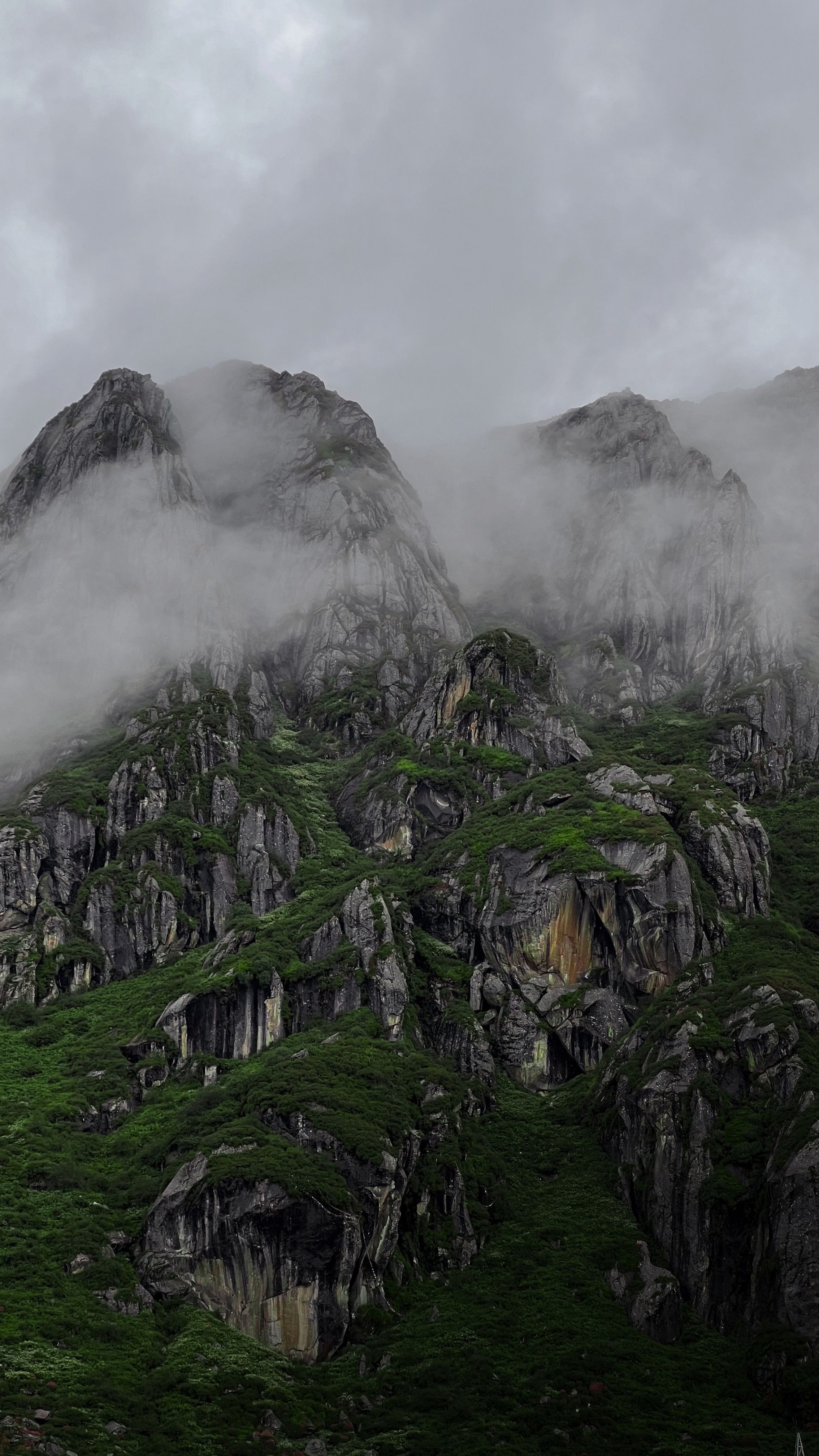
The road leaves Gangtok and winds through forests of pine and rhododendron, climbing steadily. Tsomgo Lake is about 38 km away, and the drive takes around two hours. Nathu La is another 17 km further, about an hour more. The landscape changes from green hills to open, treeless slopes, often wrapped in cloud. In winter, snow covers the lake and road, and in spring, rhododendrons bloom along the way.
Tsomgo (Changu) Lake
The lake is small, round and often calm, with water that changes colour through the day and the seasons. Pilgrims consider it sacred, and local people believe the lake can foretell the future. Visitors can ride a yak or pony, drink tea at roadside stalls and shop for souvenirs. In winter, the lake freezes, and snow turns the scene white. The area is busy at weekends and in the high season.
Baba Harbhajan Singh Mandir
On the way to Nathu La, a shrine is dedicated to Baba Harbhajan Singh, an Indian soldier who died in the 1960s, and is revered by soldiers and visitors alike. The shrine is maintained by the Army and attracts many pilgrims. Respect the rules about photography and behaviour.
Nathu La
Nathu La is a mountain pass on the Sikkim-Tibet border. It was a branch of the old Silk Road and was reopened for limited border trade in 2006. A short walk from the parking area leads to the border fence, where Indian and Chinese soldiers stand guard. Visits are restricted to Indian citizens, with advance permits, a limited number of vehicles and set days of the week. Foreign nationals are not allowed. Entry can be cancelled at short notice for weather or security reasons.
Permits
Indian visitors generally need a Protected Area Permit for Tsomgo Lake and Nathu La, arranged in advance through registered operators and the tourism department. Documents such as photo ID and photographs are required. Rules for foreign nationals have been tightened and changed often, and they have been restricted from some locations. We confirm the current position close to your dates, and we build a backup plan if permits are not granted.
Altitude and health
Tsomgo Lake is near 3,800 metres and Nathu La above 4,300. Breathlessness, headaches and dizziness are common, especially for people coming from the plains. Take your time, drink water, avoid alcohol, and do not rush up steps or walk fast. Spend limited time at Nathu La. Children, elders and people with heart or lung conditions should consult a doctor. If you feel unwell, descend at once.
Weather and closures
Weather changes fast. Snowfall, fog and landslides can close the road to Tsomgo and Nathu La, particularly in winter and the monsoon. March to May and October to November are the best months. In heavy snow, the road may be closed for days. Check the forecast before you set out.
What to wear
Wear warm layers, a windproof jacket, gloves, a woollen cap and sturdy shoes. Winter needs heavier clothing. Hire snow boots and jackets are available at the lake, but quality varies. Sunscreen and sunglasses are essential, because UV is strong at altitude.
Responsible travel
The lake is fragile. Do not litter, do not feed animals and treat yaks and ponies kindly. Avoid plastic bottles and carry your waste back. Respect military areas, and do not photograph installations. Support local sellers.
Plan it with us
Tsomgo features in our Darjeeling and Gangtok classic tour. Tell us your dates and who is travelling, and we will confirm permits and advise on altitude.