Short answer
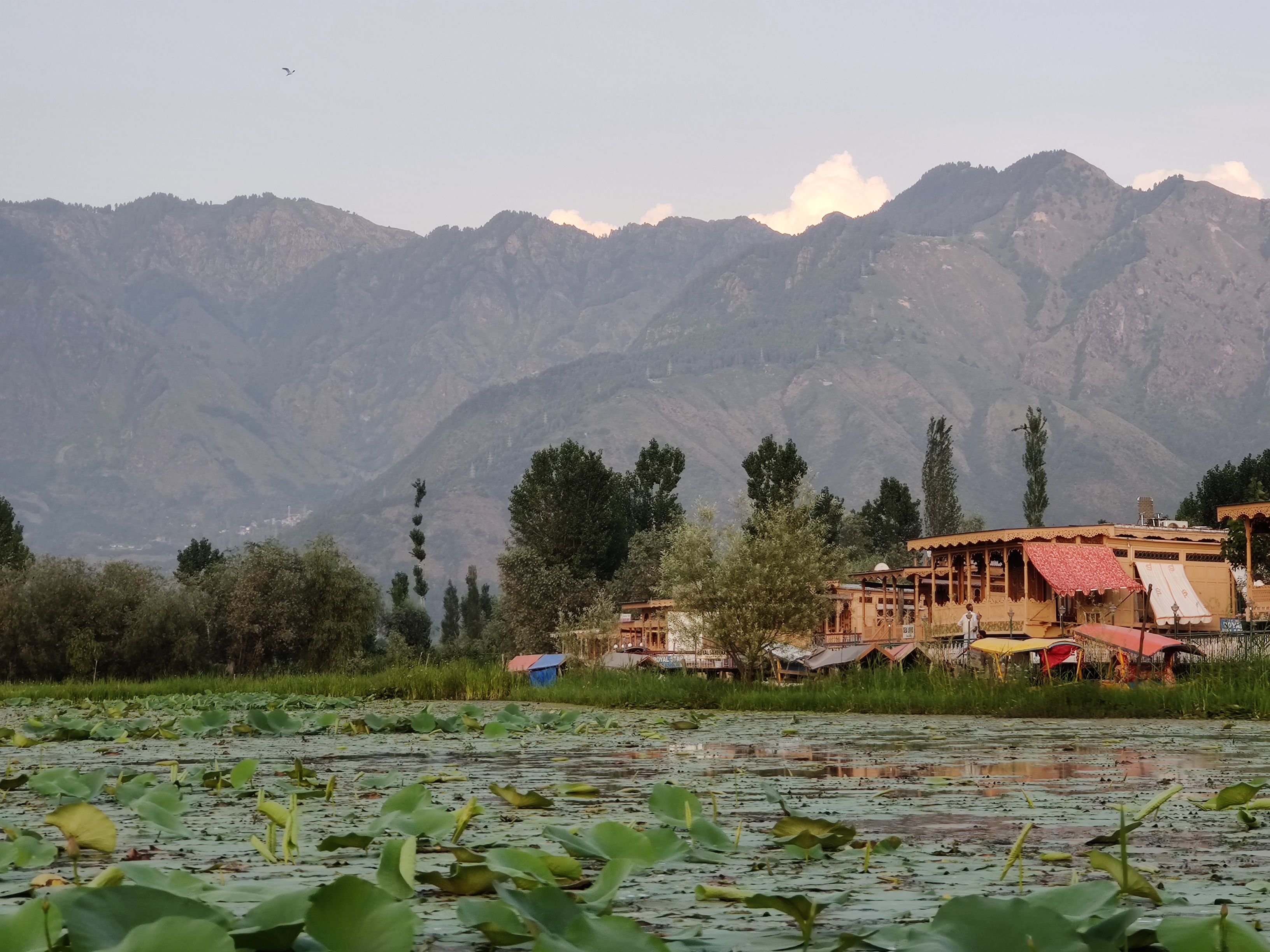
Kashmir has four clear seasons. Winters are cold and snowy, spring is cool and changeable, summers are warm in Srinagar and mild in the hills, and autumn is crisp and clear. Hill stations are always several degrees cooler than Srinagar.
On this page 10 sections
Weather in Kashmir is shaped by altitude and by the Pir Panjal and Himalayan ranges around the valley. Srinagar sits near 1,600 metres, so it is far warmer than Sonamarg at 2,800 metres. This guide gives a rough sense of what each month feels like, so you can pack and plan properly. The figures are typical ranges, not forecasts.
Month by month
| Month | Srinagar (approx.) | Hill stations | What it means for your trip |
|---|---|---|---|
| January | Around -2 to 5 °C | Heavy snow, well below zero at night | Peak snow, Gulmarg skiing, very cold nights |
| February | -1 to 8 °C | Snow continues | Good snow; Dal Lake edges may freeze |
| March | 3 to 13 °C | Snow melting at lower levels | Almond blossom, changeable weather |
| April | 7 to 19 °C | Cold, patchy snow at Gulmarg | Tulips, cherry blossom, showers |
| May | 11 to 24 °C | Cool and green | Pleasant, busy season begins |
| June | 15 to 29 °C | Mild, fresh | Peak family season |
| July | 18 to 31 °C | Cool, some rain | Lush, higher chance of landslides |
| August | 17 to 30 °C | Cool, more showers | Green, monsoon-influenced |
| September | 12 to 28 °C | Crisp and clear | Calm, clear skies |
| October | 6 to 22 °C | Cold nights | Golden chinar leaves, saffron bloom |
| November | 1 to 14 °C | Early snow possible | Quiet, cold evenings |
| December | -2 to 8 °C | Snow begins | Snow season, festive crowds |
Rain and snow
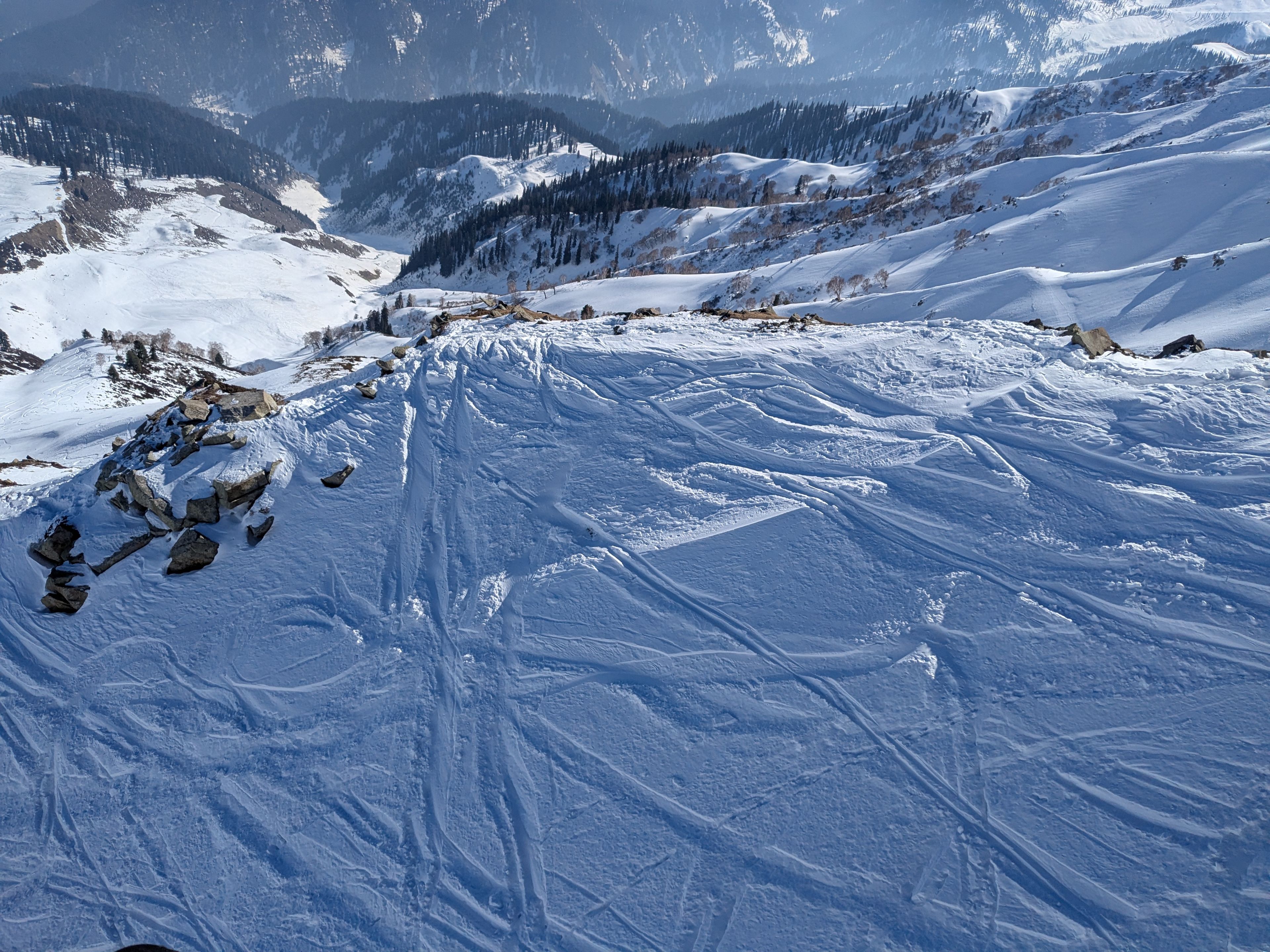
Kashmir gets rain in every season, but the heaviest falls are in late winter, spring and again in July and August. Snow builds from December and is most reliable in January and February at Gulmarg, Sonamarg and Pahalgam. Srinagar itself sees snow on some winter days, often in January.
Sunrise, sunset and daylight
Summer days are long, with light until about 8 pm in June, which gives time for late sightseeing. In winter, sunset comes around 5 pm and it gets cold very quickly. Plan hill drives so you are back before dark in snow season.
How altitude shapes the weather
The valley floor and the hill stations can feel like different climates on the same day.
| Place | Approx. altitude | How it feels compared with Srinagar |
|---|---|---|
| Srinagar | 1,600 m | Baseline: warm summers, cold winters |
| Pahalgam | 2,200 m | Several degrees cooler, more rain and forest shade |
| Gulmarg | 2,650 m | Colder and windier; snow lingers into spring |
| Sonamarg | 2,800 m | Coldest of the four, with strong wind and sun |
| Patnitop | 2,000 m | Cool and misty, snow in winter |
A good rule is that every 150 to 200 metres of height cost roughly one degree, plus extra chill from wind. That is why a pleasant morning in Srinagar can turn into a jacket-and-gloves afternoon at Gulmarg.
Reading a forecast for Kashmir
Check forecasts for the specific place, not only Srinagar. Look at the rain probability and the hour-by-hour temperature, because mountain weather changes quickly, and pay attention to wind for the Gondola. Forecasts for the next 48 hours are far more reliable than those for ten days ahead. Your driver and hotel often have the best sense of local conditions that morning, and a delayed start is better than driving into heavy rain or snow.
Changing patterns
Snowfall in Kashmir varies from year to year, and in some recent winters the main snow arrived late or in short, heavy spells rather than steadily from December. Spring blossom and tulips also open earlier or later depending on temperature; in 2026 the tulip garden opened ten days ahead of plan. For this reason, any plan built around a particular natural event should include flexible days.
What to do in each type of weather
- Clear and cold: the best light for photography, Gondola rides and long drives.
- Light rain: gardens look fresh, but meadows are muddy; use the time for old-city visits, shopping or a houseboat afternoon.
- Heavy rain: road risk increases. Postpone hill excursions if your driver advises.
- Snowfall: beautiful, but allow extra time, use snow chains where needed, and do not insist on difficult roads.
Weather and your health
Cold and thin air affect people differently. Elders and young children lose heat faster, so they need an extra layer and warm drinks, and anyone with asthma or heart conditions should be careful with sudden temperature drops in Gulmarg and Sonamarg. Dry winter air can irritate the throat and skin, so carry moisturiser and lip balm. In summer, the sun at altitude burns quickly even when the air feels cool, so sunscreen, sunglasses and a hat matter. If you start to feel dizzy, unusually breathless or nauseous, stop, rest and descend if symptoms continue.
What the weather means for your plans
- Spring: Start outdoor plans late morning, as early hours are cold. Carry an umbrella.
- Summer: Sun is strong in the open meadows; use sunscreen and a hat, but bring a jacket for shade and evenings.
- Autumn: Mornings and nights are cold. Layers are the key.
- Winter: Wear thermals, waterproof boots and gloves, and plan around possible road delays.
Weather and road safety
Heavy rain can cause landslides on hill roads, and snow can close the Jammu highway and mountain passes. Your driver and hotel are the best sources on the day. If conditions are poor, it is better to delay a leg of the trip than to push on.
For clothes, see what to wear in Kashmir; for choosing dates, read the best time to visit Kashmir. For a plan tuned to your travel window, send us your dates.
Practical tips
- Treat temperature figures as typical ranges; real conditions vary by year and altitude.
- Pack layers; temperatures can change by 10 degrees between morning and midday.
- Check forecasts for Gulmarg, Pahalgam and Sonamarg separately from Srinagar.
- Allow extra time on mountain roads after heavy rain or snow.
- In winter, confirm that your hotel's heating is working before you check in.