Short answer
Pack layers in every season. Wear light cotton with a warm jacket in summer, a sweater and windcheater in spring and autumn, and thermals, a waterproof coat, gloves, a woollen cap and grip-soled boots in winter.
On this page 14 sections
- The layering approach
- Summer: May to August
- Spring and autumn: March to April and September to November
- Winter: December to February
- Footwear
- Sample packing list: five days in spring or autumn
- Sample packing list: five days in winter
- Hire or buy?
- Cameras and phones in the cold
- Fabrics that work, and ones that do not
- Respectful dress
- Other items worth packing
- What to leave behind
- Packing for children and elders
What you wear in Kashmir matters more than most people expect. Mornings can be freezing, afternoons warm, and an hour of rain can change everything. The right clothing makes the difference between a pleasant day and a miserable one. This guide covers what to pack for each season, and the small things people forget.
The layering approach
Think in three layers:
- Base layer. Thin cotton or thermal, depending on the season.
- Mid layer. A fleece or sweater for warmth.
- Outer layer. A windproof or waterproof jacket, or a heavy coat in winter.
Add and remove as you go. This works far better than one thick jacket.
Summer: May to August
Light cotton clothing works for daytime in Srinagar, but the hills are cool and evenings are chilly.
- Light shirts, T-shirts, comfortable trousers
- A fleece or light jacket
- A rain jacket or umbrella, especially for July and August
- Comfortable walking shoes
- Sunscreen, sunglasses and a hat
Spring and autumn: March to April and September to November
Mornings and evenings are cold, daytime is mild, and rain is possible.
- A sweater or fleece and a windcheater
- Long trousers
- Closed shoes with grip
- A scarf and light gloves for early mornings
- A small umbrella or rain jacket
Winter: December to February
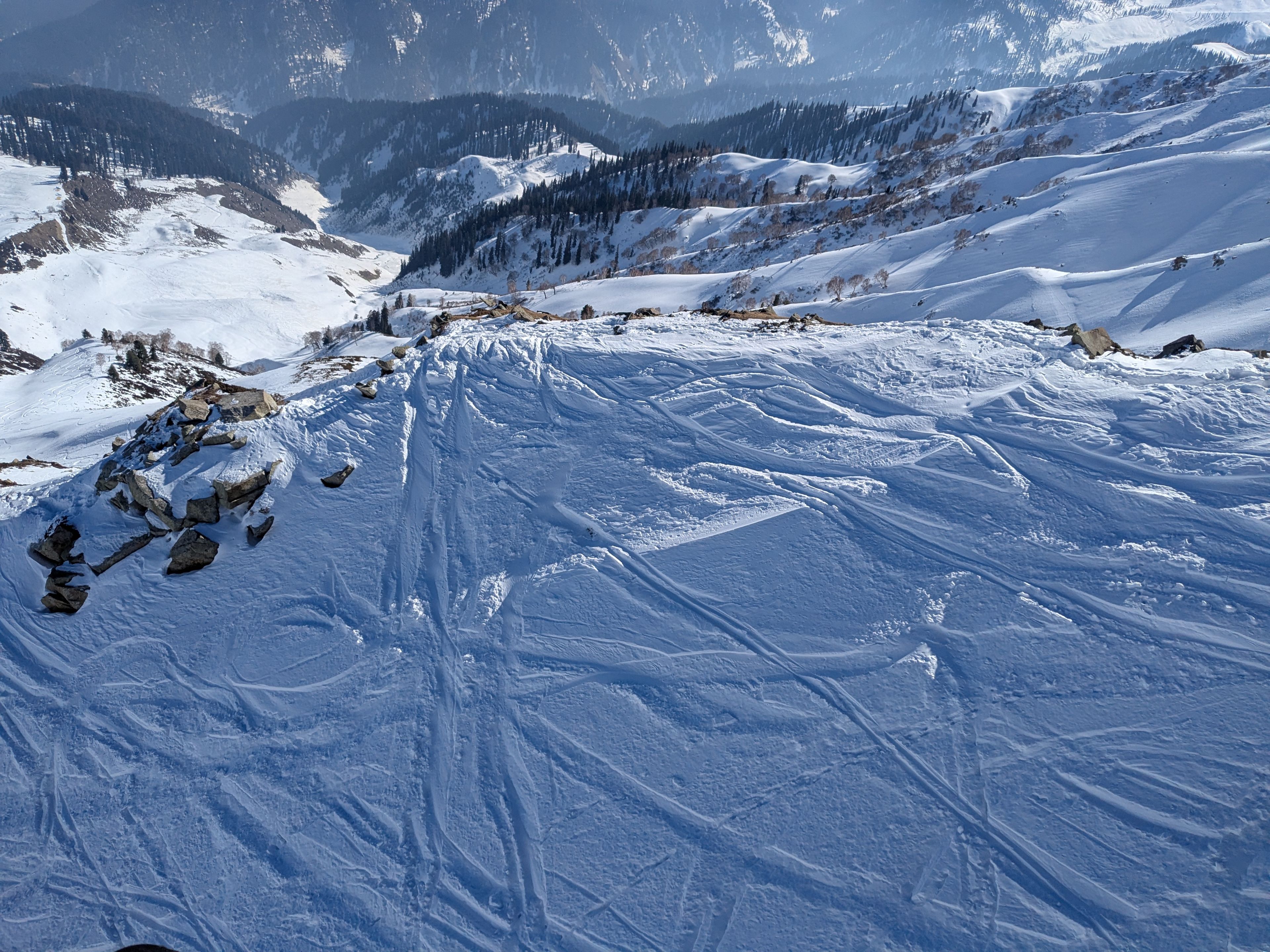
Cold is the main issue. Gulmarg and Sonamarg can feel well below freezing.
- Thermal inner wear, top and bottom
- Woollen sweaters or fleece
- A thick waterproof jacket or snow coat
- Waterproof snow boots with grip, plus warm woollen socks
- Waterproof, insulated gloves
- A woollen cap and a neck warmer
- Sunglasses for snow glare
You can rent snow boots and jackets at Gulmarg, but sizes and quality vary, so many travellers prefer to bring their own.
Footwear
Shoes with a good grip are essential, since meadows can be wet and slopes slippery, and break them in before the trip so that blisters do not slow you down. Avoid new shoes, flip-flops and smooth soles. In winter, boots that go above the ankle keep snow out.
Sample packing list: five days in spring or autumn
- 3 to 4 tops, including one full-sleeved
- 2 pairs of trousers or jeans, plus one comfortable pair for walking
- 1 sweater or fleece and 1 windcheater
- Thin thermals for cold mornings
- Closed shoes with grip and sandals for the hotel
- Socks, innerwear, a scarf and a cap
- Umbrella or light rain jacket
- Sunglasses, sunscreen, lip balm
- Charger, power bank, torch
- ID, medicines and a small first-aid kit
Sample packing list: five days in winter
- 2 sets of thermals (top and bottom)
- 3 woollen or fleece layers
- A waterproof snow jacket and waterproof trousers if you plan to sledge
- Insulated waterproof gloves and a spare pair
- Woollen cap, neck warmer and warm socks
- Snow boots with a good grip
- Sunglasses with UV protection
- Moisturiser, lip balm and sunscreen
- Hand warmers for very cold days
- Charger, power bank, torch
- ID, medicines and a first-aid kit
Hire or buy?
For a short winter trip, many families hire locally rather than buy gear they will use once. At Gulmarg, local shops rent snow boots, jackets, gloves and trousers by the day. Rental is practical for a one-off visit, but fit and condition vary, so try things on and check the soles and zips. If you own good gear, bring it. For children, bring your own boots and warm gloves wherever possible, since small sizes are limited.
Cameras and phones in the cold
Batteries drain much faster below freezing. Keep your phone and spare battery inside an inner pocket, warm them before use, and carry a power bank. Condensation can form when you move from cold air into a warm room, so allow cameras to adjust before opening the bag. Use a lens cloth, and protect gear from snow and rain with a simple cover.
Fabrics that work, and ones that do not
Wool, fleece and technical thermals keep you warm even when damp. Cotton is comfortable in summer but holds moisture, so thick cotton hoodies and jeans are a poor choice in snow or heavy rain. Avoid very tight clothing that restricts layering, and choose fabrics that dry quickly if you plan to walk in meadows or river valleys. For children, thermal inner wear plus a waterproof outer layer works better than a single bulky jacket.
Respectful dress
Kashmir is a conservative region. At shrines and mosques, cover shoulders and knees and remove shoes where asked. Women are not usually required to cover their heads at tourist sites, but a scarf is useful at religious places. In towns, modest everyday dress is comfortable and avoids unwanted attention.
Other items worth packing
- Power bank and charger
- A small first-aid kit and personal medicines
- Lip balm and moisturiser for dry air
- A small daypack
- Reusable water bottle
- Cash in small notes
- Government photo ID for every adult
What to leave behind
Heavy formal clothes, drones (restricted in many areas) and a large amount of cash. A suitcase that is too big can be a problem on narrow mountain roads and houseboat transfers.
Packing for children and elders
Add an extra layer for children, who feel cold faster, and carry spare socks. Elders benefit from thermal wear even outside winter, and from comfortable walking shoes with good grip.
Read about the seasons in Kashmir weather month by month, or check the winter snow escape for a plan built around cold weather. For a packing list tuned to your dates, talk to us.
Practical tips
- Layers beat one heavy coat, because temperatures change quickly through the day.
- Waterproof, grippy footwear matters more than fashion on snow and wet meadows.
- Bring sunglasses and sunscreen all year; the sun is strong at altitude.
- Dress modestly at shrines and mosques, with shoulders and knees covered.
- You can hire snow boots, jackets and gloves at Gulmarg, but sizes and quality vary.