


On this page 8 sections
India rewards planning more than almost any country. The same week can mean snow in the Himalaya, a monsoon-green backwater or a desert fort, and the practical details, from the road timings to the season, decide whether the trip feels easy or exhausting. This hub brings together the nine destinations we have written detailed guides for, with places to visit, itineraries, tour packages and honest planning advice for each.
How to choose a destination
Start with the season and the kind of holiday you want, and the shortlist usually becomes clear.
| If you want | Look at | Best months |
|---|---|---|
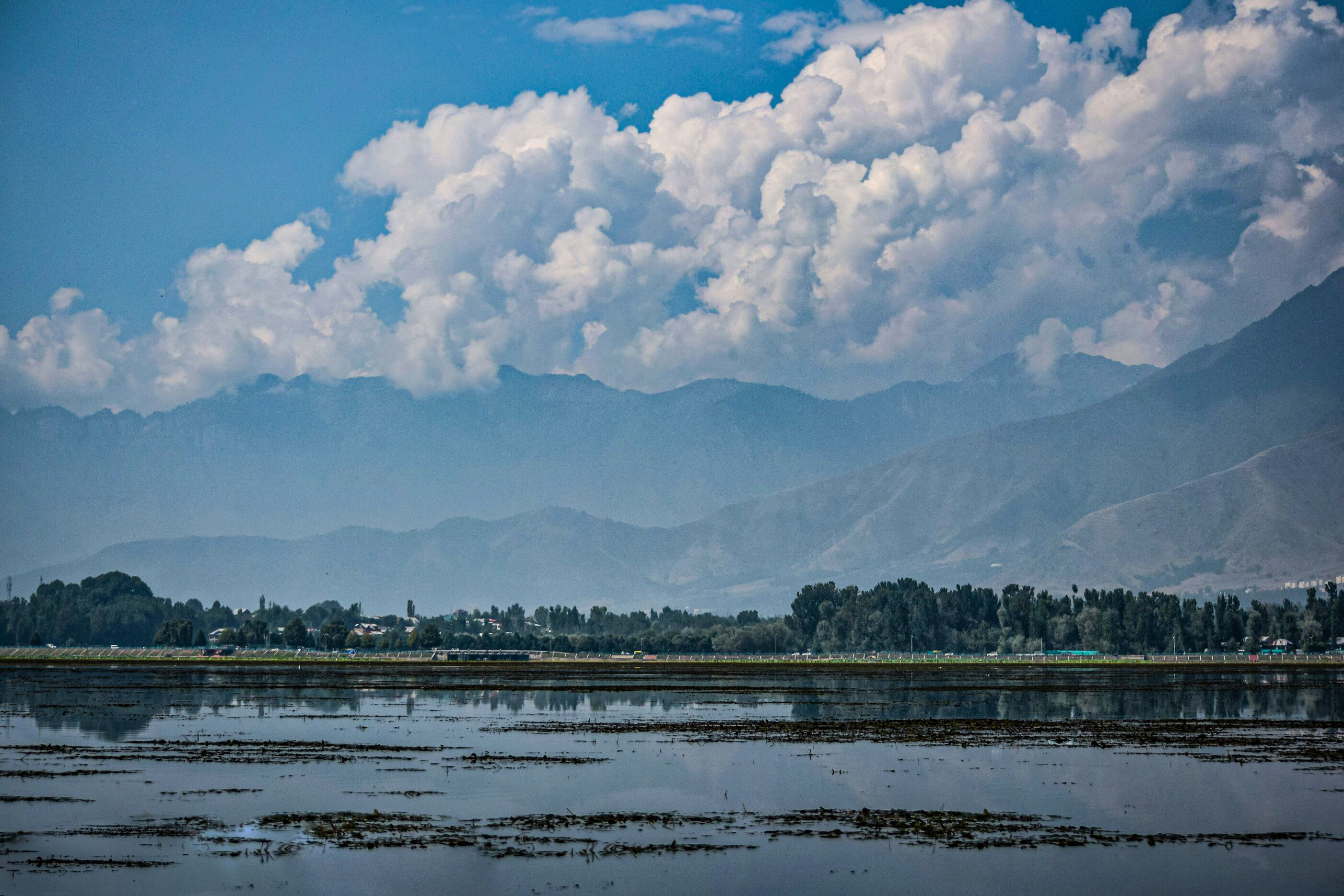
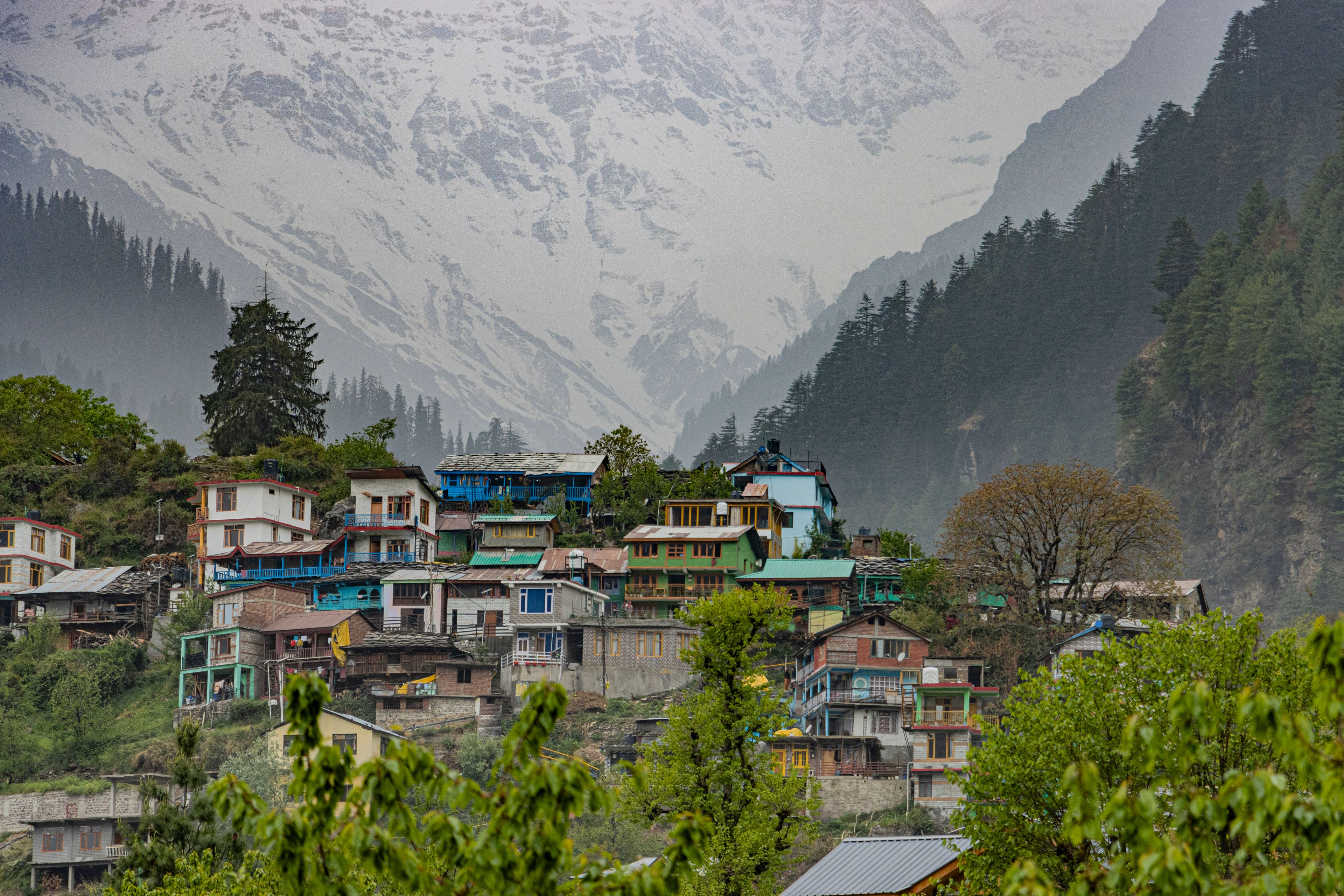
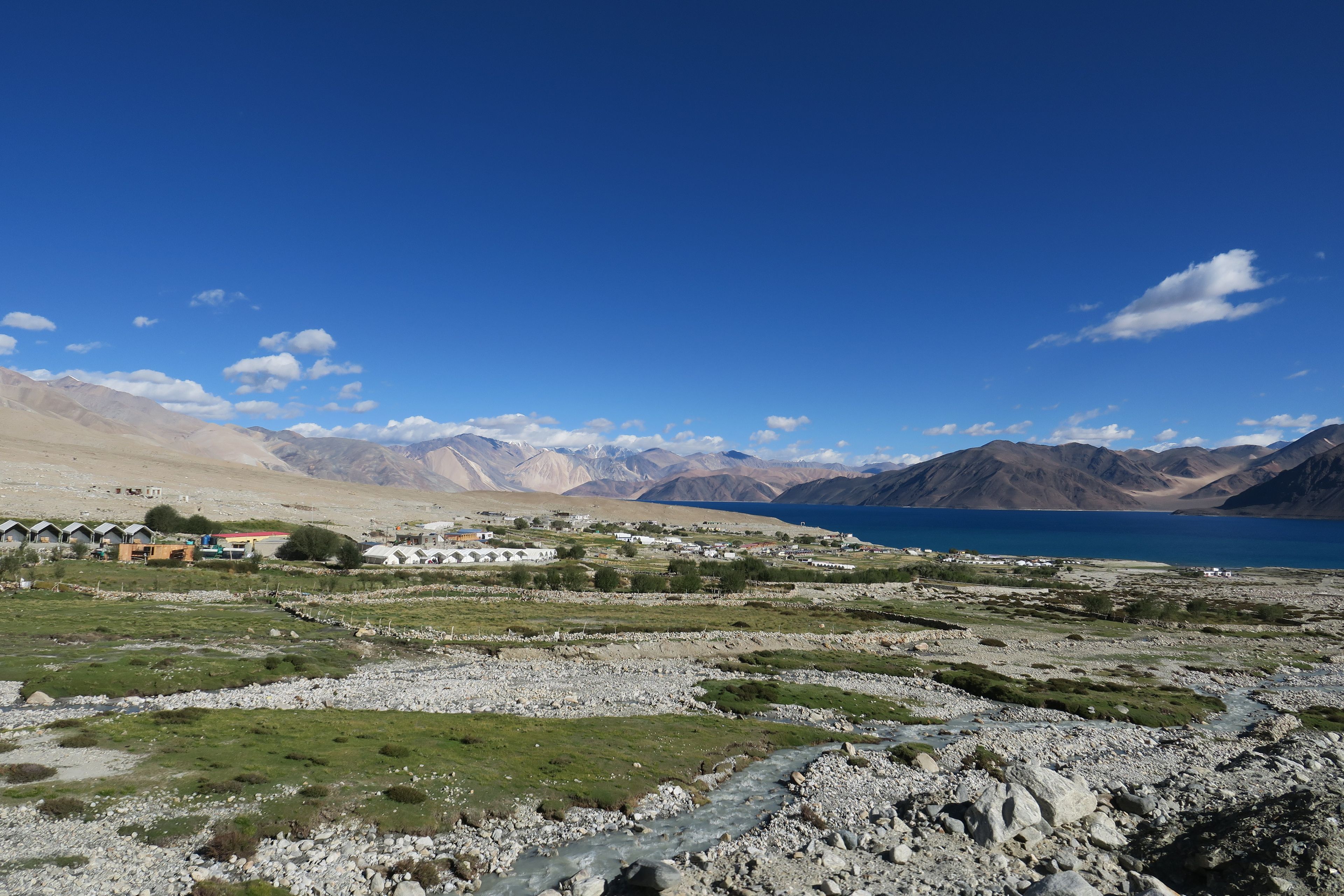
| Snow, meadows and lakes | Kashmir, Himachal Pradesh, Ladakh | Kashmir: Apr-Oct and Dec-Feb; Himachal: Mar-Jun and Dec-Feb; Ladakh: Jun-Sep |
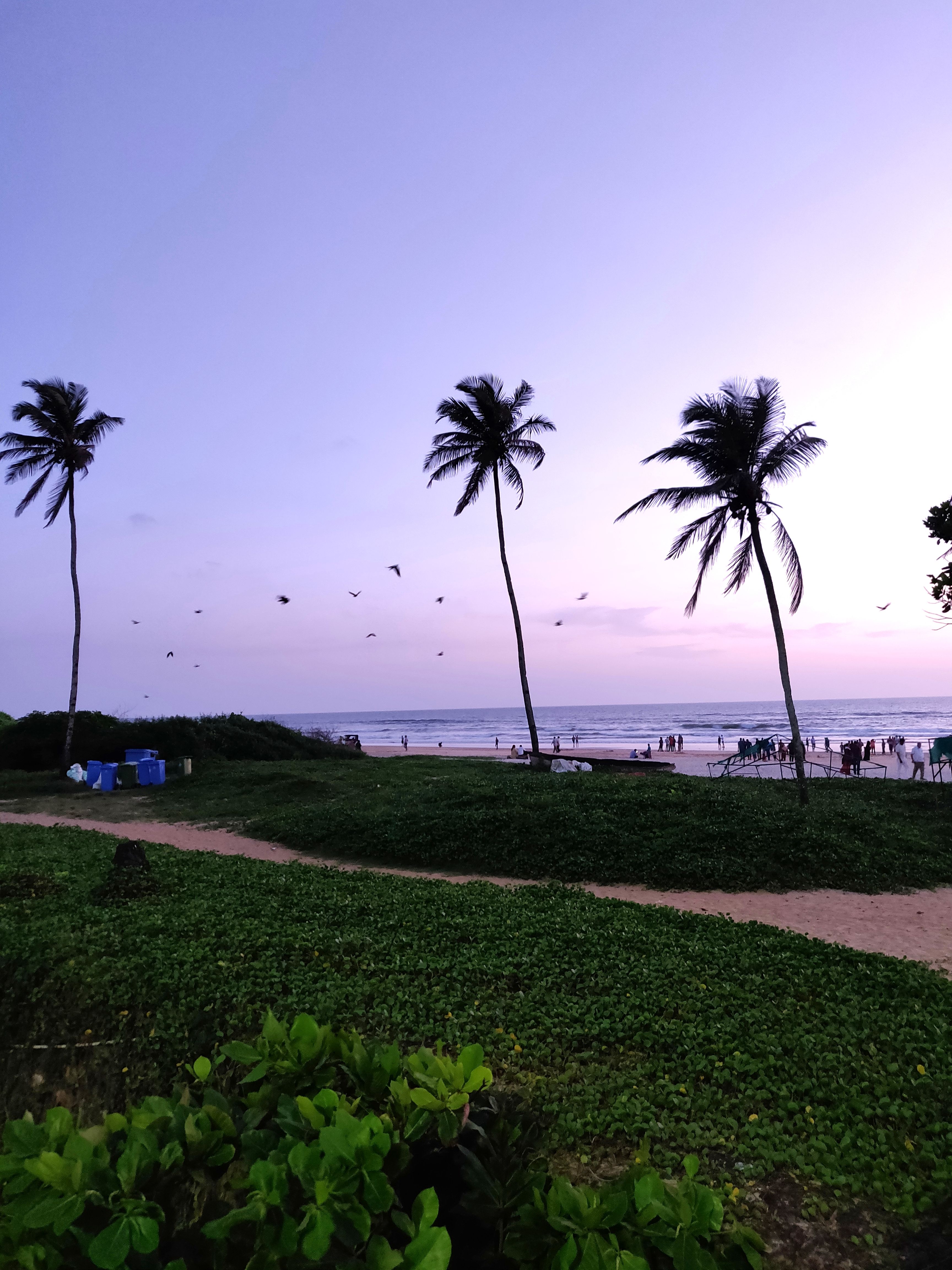
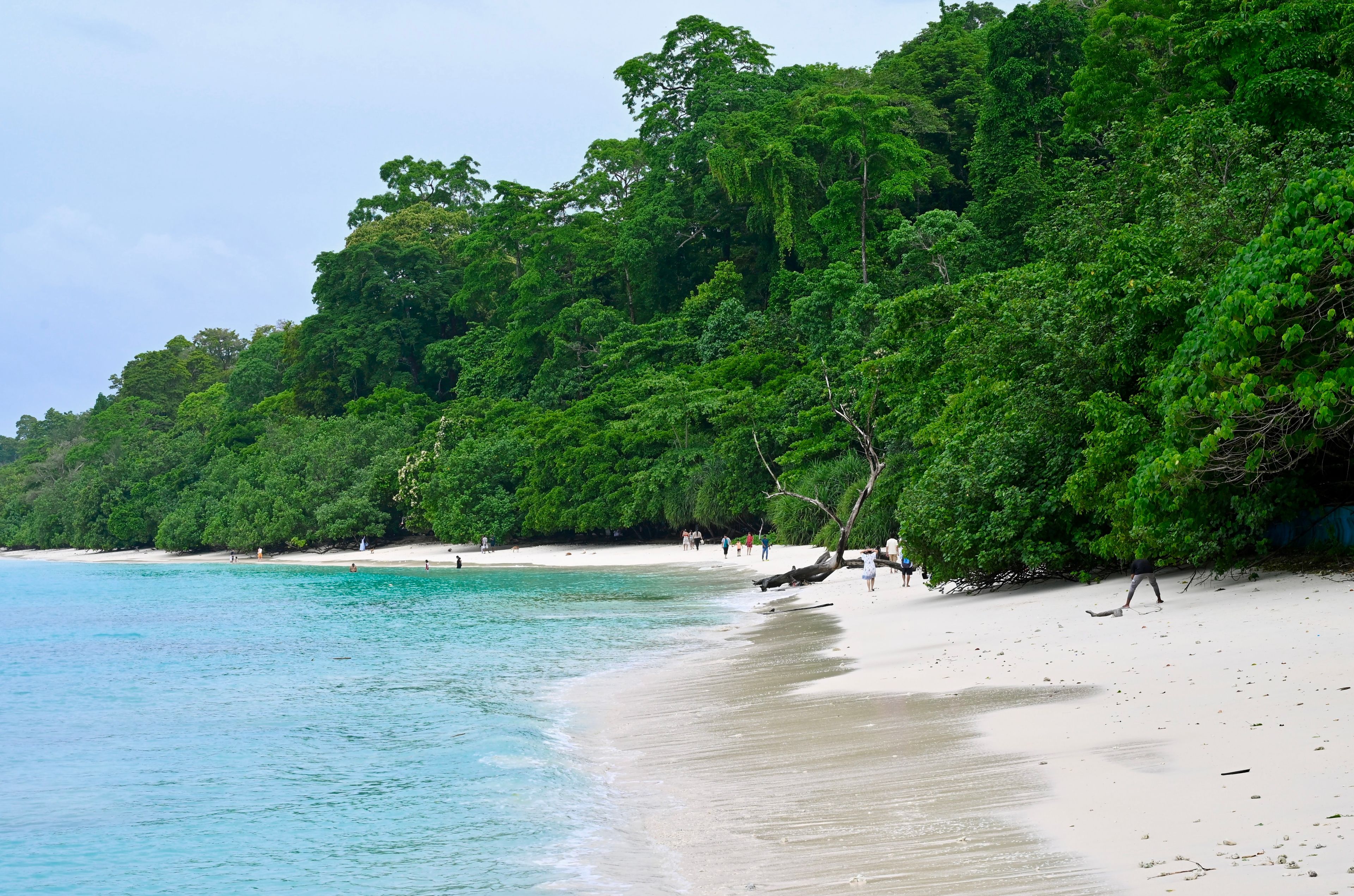
| Beaches and relaxed coast | Goa, Andaman and Nicobar | Goa: Nov-Feb; Andaman: Nov-Apr |
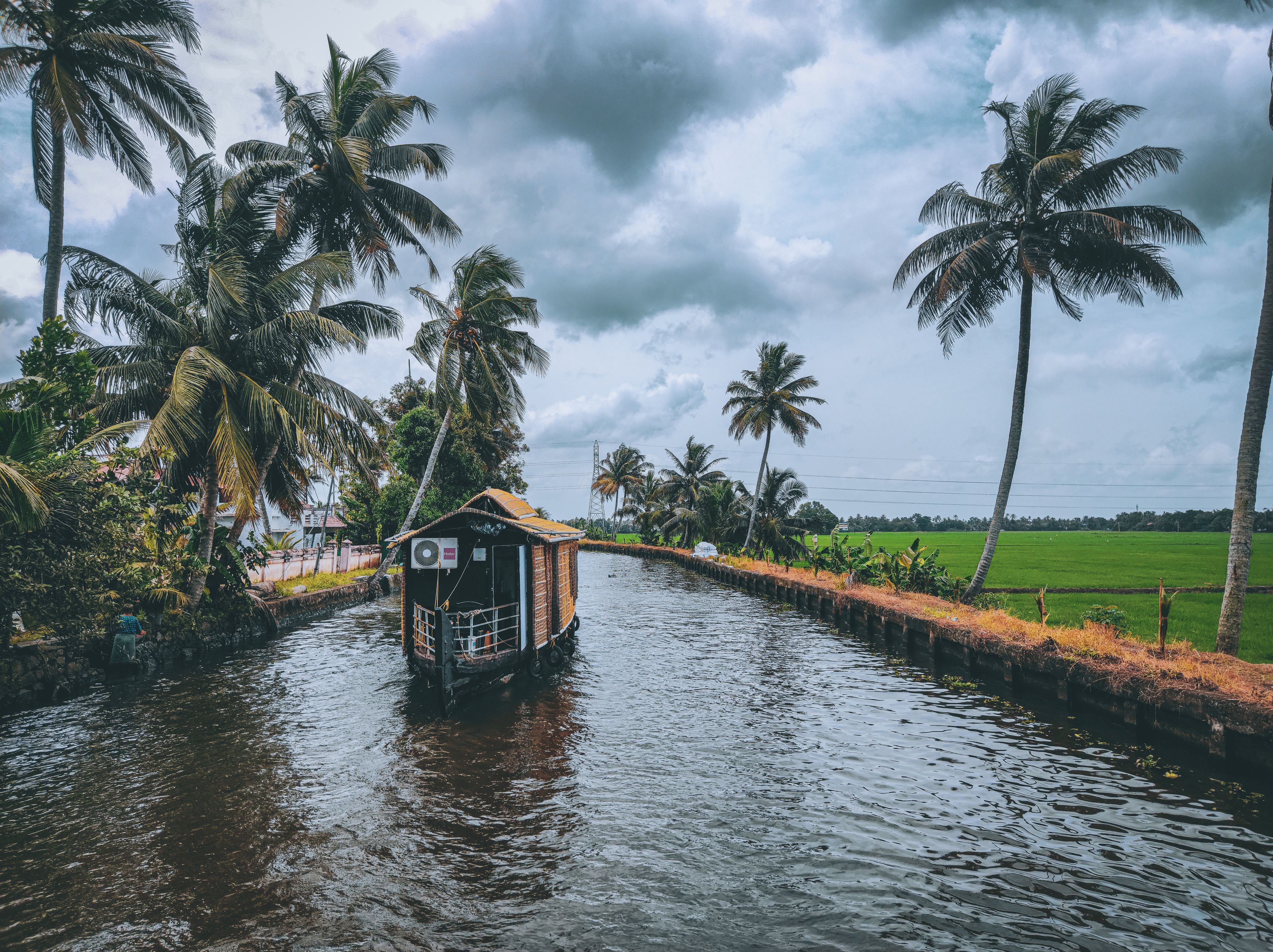
| Backwaters and green hills | Kerala | Sep-Mar |
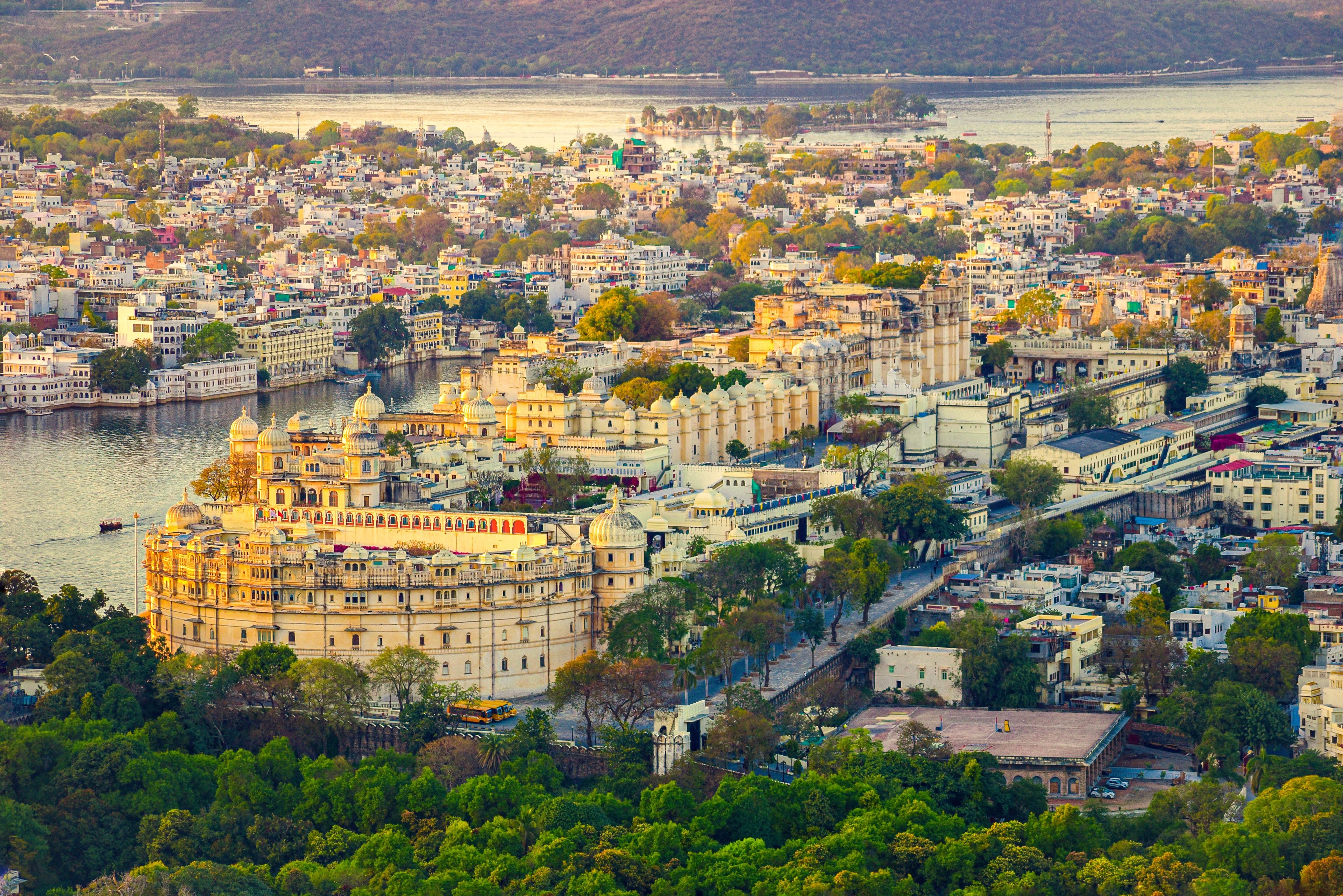
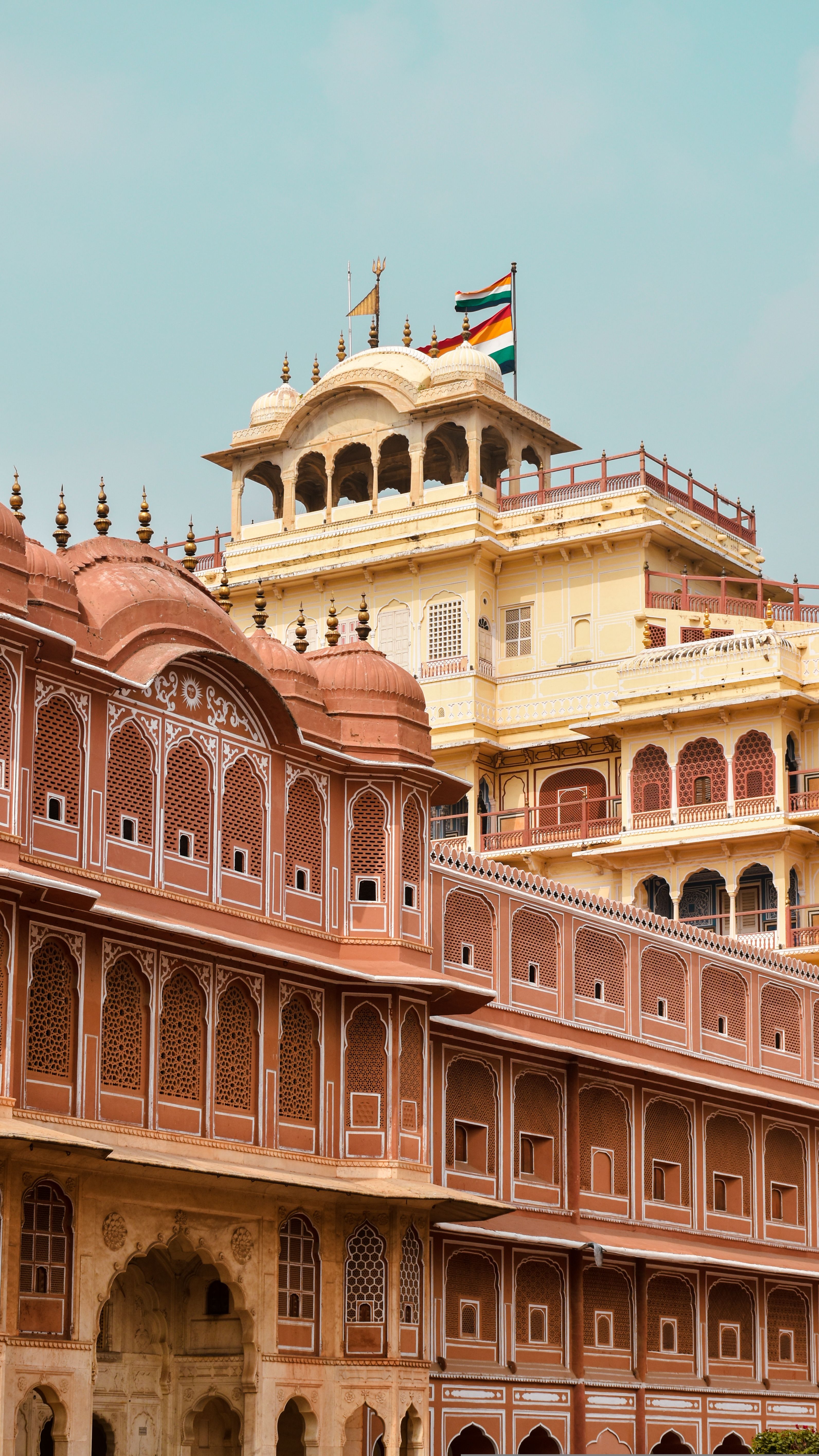
| Palaces, forts and food | Rajasthan | Oct-Mar |
| Tea gardens and monasteries | Darjeeling and Sikkim | Mar-May and Oct-Dec |
| Yoga, the Ganges and pilgrimage | Uttarakhand | Feb-Apr and Sep-Nov |
Why these nine
We began with where travellers are actually going. Booking-platform reports through 2026 repeatedly name Goa, Jaipur and Udaipur, Manali, Darjeeling, Munnar, and Rishikesh among the most searched and booked Indian destinations. Kashmir is where MyWishTour started, and it is recovering after a difficult 2025. We then covered the main travel styles (mountains, beaches, culture, wellness, pilgrimage and islands) so that a visitor can compare like with like.
Sources worth reading: Business Today on summer 2026 search trends and its report on Republic Day long-weekend bookings. We treat these as direction, not proof, since methods differ between platforms.
What every destination page here includes
For each destination you will find a planning overview, individual place and attraction guides, month-by-month travel advice, how to reach it, a realistic cost guide, sample itineraries and tour packages for couples, families and groups. Facts that change, such as permits, opening times and road status, are marked so you know to check them, and we say plainly when we are unsure.
India by season: a quick guide
- October to March is the main season for most of the country. Rajasthan, Goa, Kerala and the Andamans are at their most comfortable, while Himalayan hill stations turn cold and snowy, which is good for snow trips in Kashmir, Himachal and Uttarakhand.
- April to June is when the mountains open up. Himachal, Uttarakhand, Kashmir, Sikkim and Ladakh (from late May or June) are at their best, while the plains and Rajasthan are hot enough that most travellers avoid them.
- July to September is the monsoon. It suits Kerala's rain-based Ayurveda season and green landscapes, but hill roads face landslides, beaches close in Goa and the Andamans, and Ladakh is one of the few dry mountain options.
Planning practicalities that apply across India
Documents. Carry a government photo ID for every traveller, since hotels, checkpoints and monuments ask for it. Children need ID or a copy of their birth certificate or school ID for some bookings.
Trains and flights. Train tickets can be booked a couple of months ahead and popular routes sell out; flights usually cost less when booked well ahead of peak dates. For mountain and island trips, build a buffer day around any flight, because weather and road closures are routine.
Money. Cards and UPI work in cities and most hotels, but cash is still needed at rural stalls, ponies, small guesthouses and for tips.
Health. Carry regular medicines, basic remedies and any altitude medication your doctor recommends. Drink bottled or filtered water, and be gradual about eating street food if you are not used to it.
Insurance. Travel insurance that covers medical costs, cancellations and weather delays is a sensible idea for high-altitude and island trips.
Permits. Most places here do not need one for Indian citizens, but some areas, including parts of Ladakh and Sikkim, require permits that are arranged through registered operators. We tell you what applies to your route.
Travelling responsibly
Carry your waste out of mountains and beaches, respect local customs and dress codes at religious places, ask before photographing people, bargain fairly, and choose locally owned hotels and guides where you can. Many of the places we cover depend on seasonal tourism, so spreading your spending across small businesses helps more than a single large operator.
How we plan
You tell us where you want to go, when, and who is travelling. We suggest a route that respects the season and the distances, list the hotels, transport and meals in a written quote, and explain what you will pay for locally. You review, change what you like, and confirm only when it works. There is no fee to start, and no pressure to book. Read more about how planning works.
Ready to start?
If you already know where you want to go, open the destination page and compare the packages. If you are still deciding, tell us your dates, your group and what you enjoy and we will help you choose.