On this page 10 sections
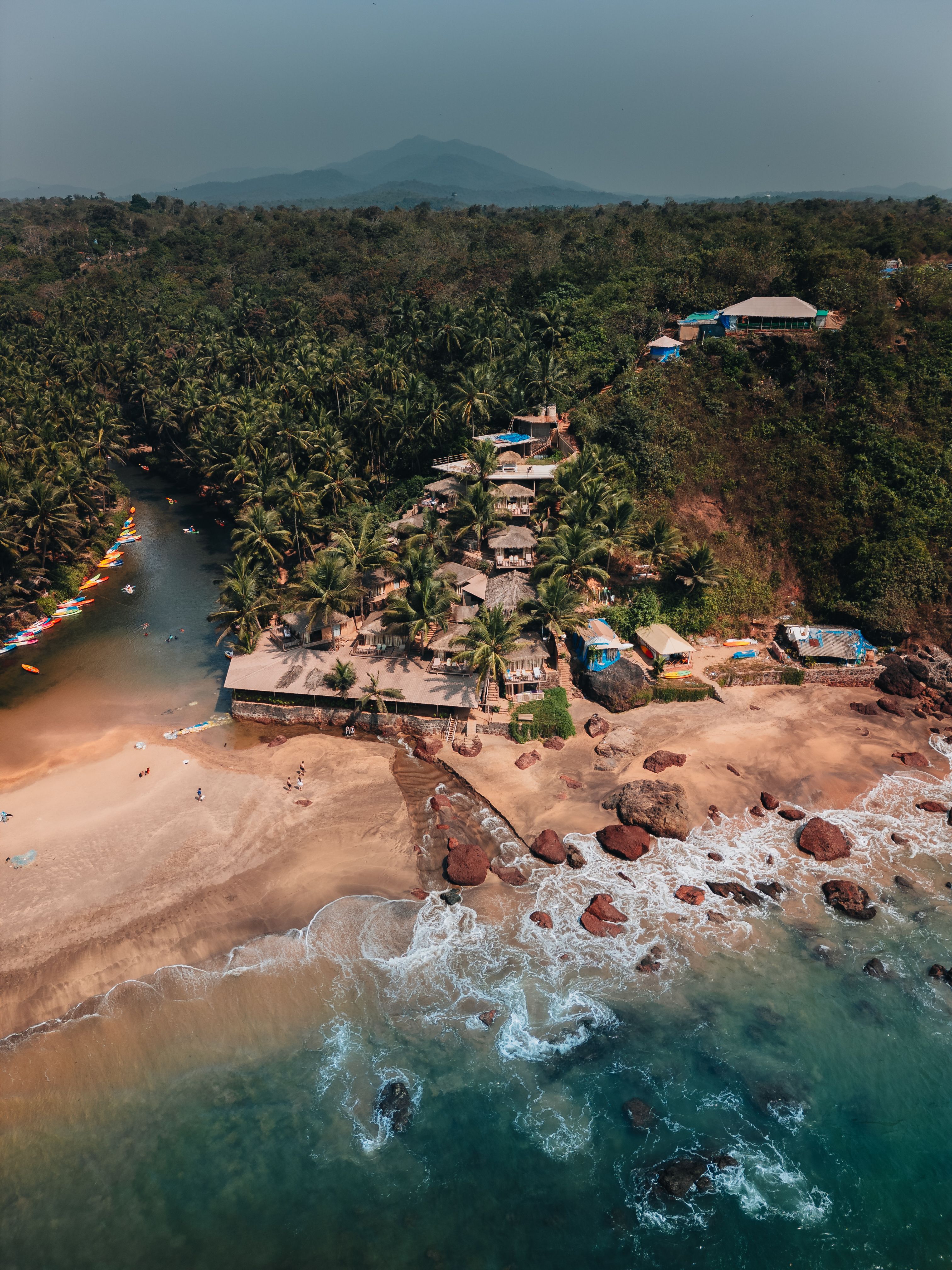
Anjuna and Vagator sit side by side on North Goa's northern coast, where red laterite cliffs drop to small beaches and the pace is different from Calangute. The two areas have a reputation for hippie history, trance parties, flea markets and a creative crowd. They also have good cafes, boutique stays, wide-open sunsets and one of Goa's best-loved forts.
A short history
Anjuna became popular with travellers in the 1960s and 1970s, when it was a hub for the first wave of long-stay visitors. That influence is still visible in the flea market, the beachside cafes, the yoga studios and the casual dress. Vagator, just north, has a similar spirit but is more scenic, with dramatic cliffs and three distinct beaches.
The main spots
Anjuna Beach is rocky in places, with a sandy stretch and shacks, and is known for its Wednesday flea market, held in season.
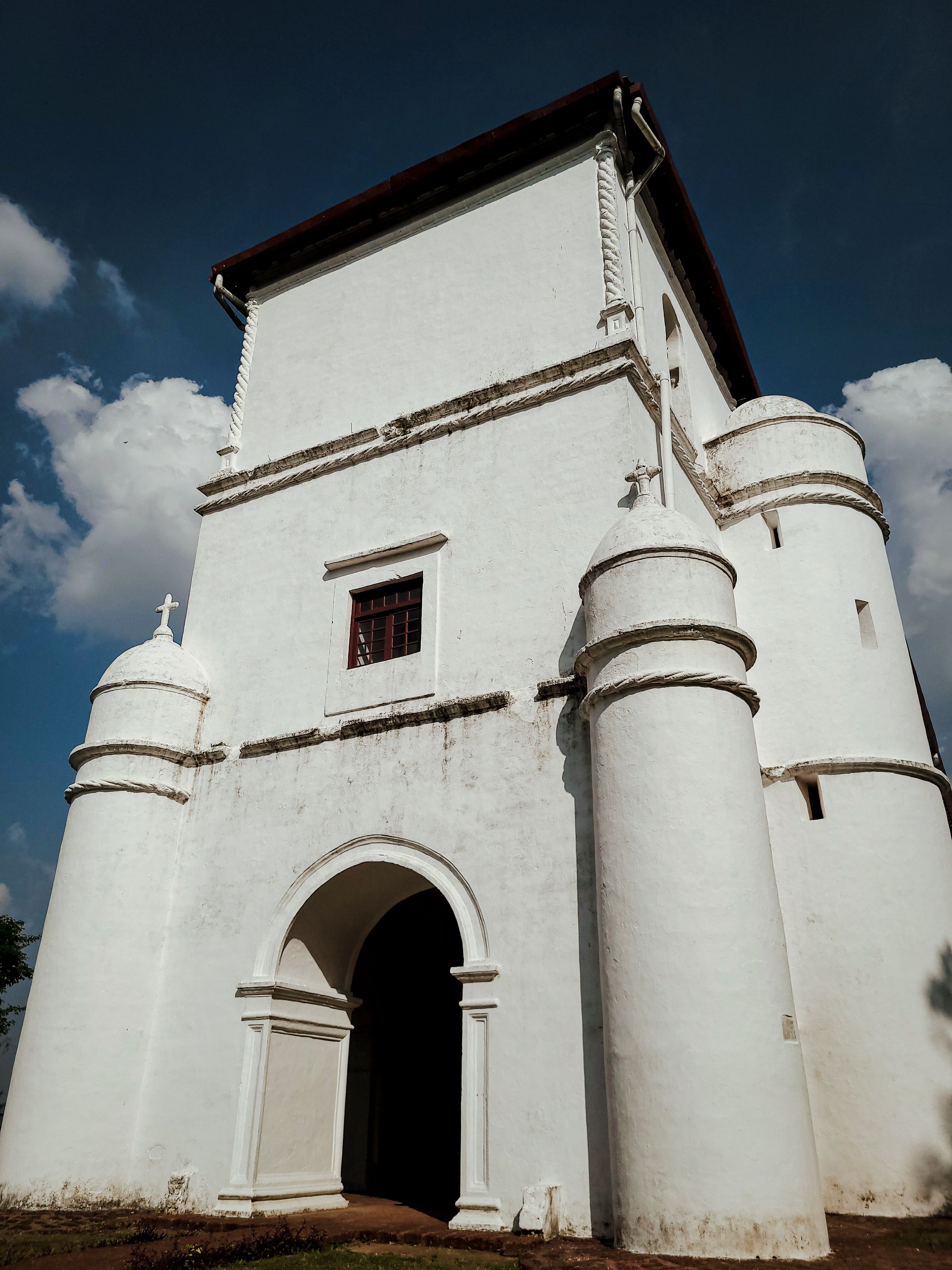
Chapora Fort and Vagator Beach are the area's best-known scenic combination. The fort sits on a hilltop above the Chapora river, and Big Vagator and Small Vagator beaches are below the cliffs.
Assagao and the lanes between the villages hold boutique stays, cafes and restaurants set among Portuguese-era houses.
What to do
- Visit the Wednesday flea market in Anjuna during the season, for clothing, jewellery and souvenirs. It is busy and informal.
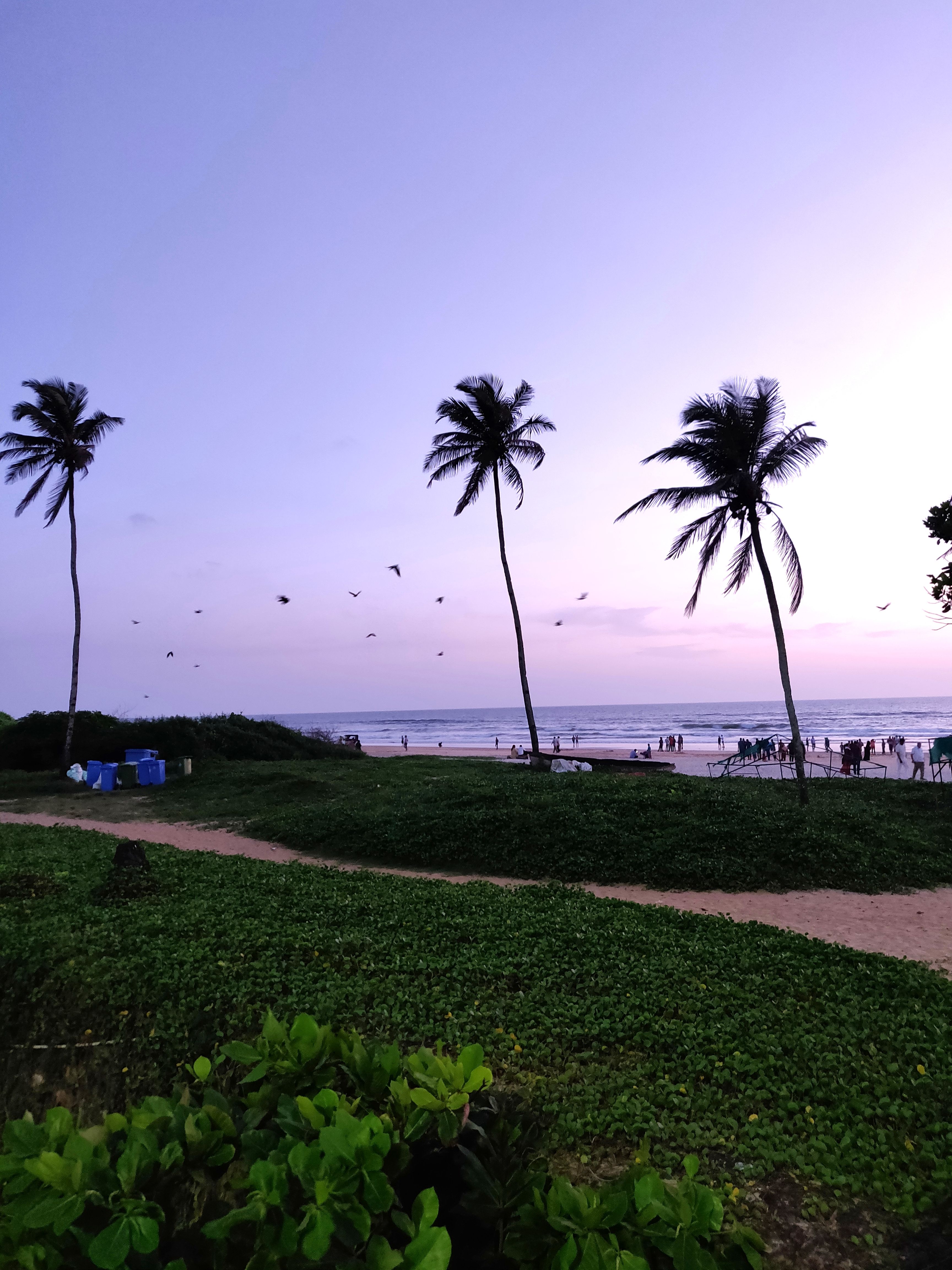
- Climb Chapora Fort at sunset. The view over Vagator and the river mouth is one of the best in Goa.
- Swim and sit at Ozran or Big Vagator. The beaches are smaller and quieter than Baga.
- Eat and linger in cafes. The area has a range of restaurants, from Goan to Italian to vegetarian.
- Take a yoga or pottery class. Studios and workshops run through the season.
Where to stay
The Anjuna-Vagator belt has a mix of guest houses, boutique hotels and villas. Rooms near the beach can be noisy at night during peak season, so ask about the neighbourhood. Assagao offers a quieter, greener stay, a short ride from both beaches.
When to go
November to February is the main season. Late November to early December is a good compromise: the sea is calm, shacks are open and crowds are still moderate. The monsoon quietens the area dramatically.
A day in Anjuna and Vagator
A good day starts with a late breakfast at a cafe in Assagao or Anjuna, followed by a swim at Anjuna or Ozran in the morning when the water is calmer. Lunch is a slow affair, and the afternoon is a siesta or a visit to a gallery, pottery studio or yoga class. Around 4.30 pm, head to Chapora Fort for the climb and sunset, then walk down to Vagator for dinner. On Wednesdays in season, trade the siesta for the flea market, and go early, before it fills up.
Eating and drinking
The area is known for cafes and restaurants that serve everything from Goan fish thali to Italian, Israeli, Thai and vegan menus. Prices are higher than in the south, particularly at popular spots, so check menus before you commit. Smaller family-run places in the villages are cheaper and often better. Cafes here tend to open late and close late, which suits the pace of the area.
Nightlife and safety
Anjuna and Vagator have a lively nightlife, though some venues have faced closures and inspections since the Arpora fire in December 2025. Choose places that look well managed, have clear exits and are not overcrowded, and plan your ride back ahead of time.
Getting around
Taxis are available but can be hard to get late at night. Many visitors rent scooters here, but the narrow lanes and night traffic make accidents common. If you are not an experienced rider, hire a cab for the day.
Plan your stay
The area suits young couples, friends, solo travellers and long-stay guests. For families, Candolim or South Goa may be more comfortable. Start with our Goa beach escape or tell us your plans.