

Compare your options
Choose the right Darjeeling and Sikkim package

BagdograDarjeelingGangtok
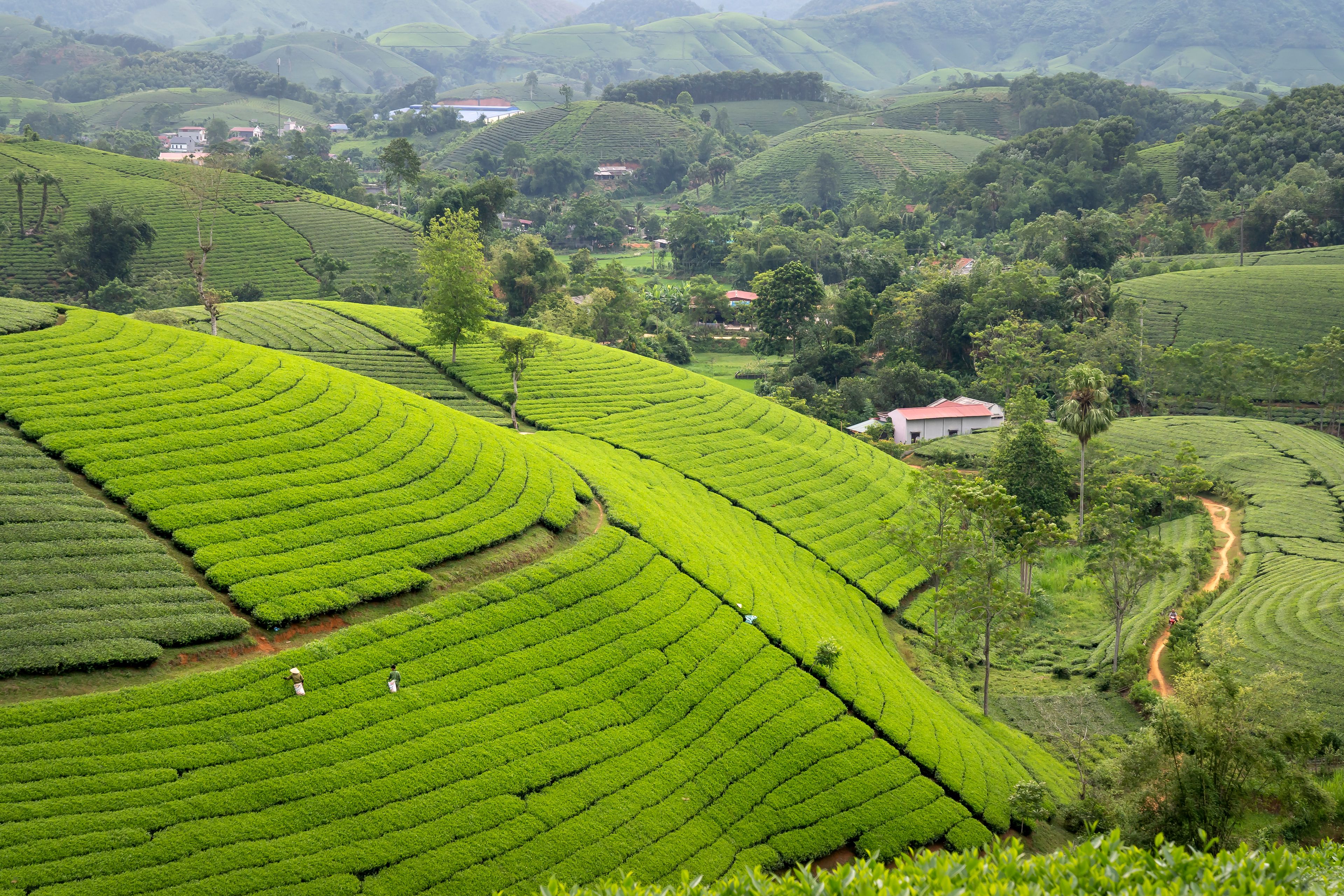
Classic Darjeeling and Gangtok
Three nights in Darjeeling for tea, the Toy Train and Kanchenjunga, then three in Gangtok for monasteries and Tsomgo Lake.
BagdograDarjeelingPelling+1 more
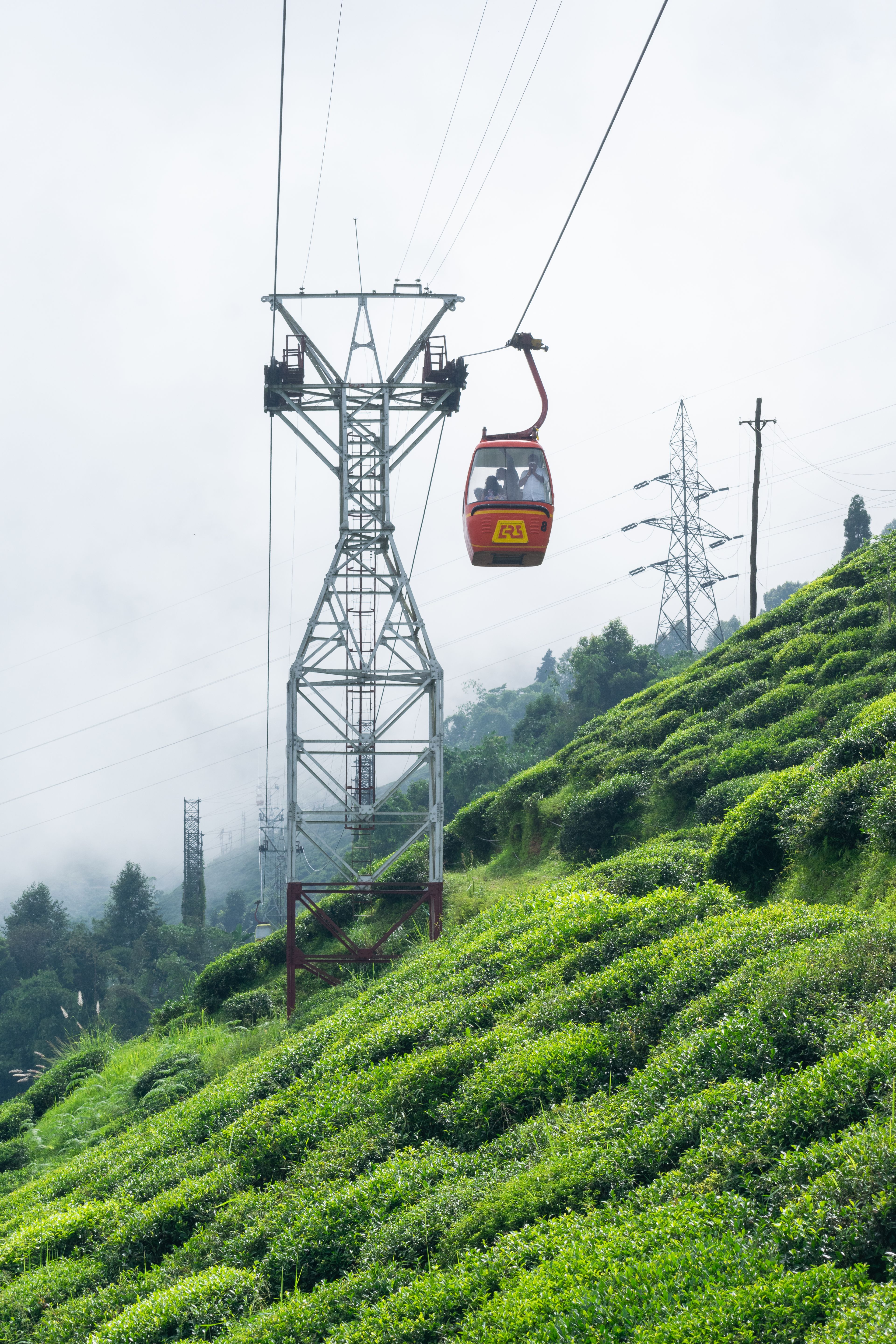
Darjeeling and Sikkim Honeymoon
Darjeeling's tea hills, Pelling's Kanchenjunga views and Gangtok's evenings, for couples who want a slower mountain honeymoon.
BagdograDarjeelingKalimpong+1 more
Darjeeling, Kalimpong and Gangtok Family Holiday
Two nights each in Darjeeling, Kalimpong and Gangtok, with the Toy Train, a zoo, nurseries and a ropeway, at a pace for families.
BagdograGangtokLachen+1 more
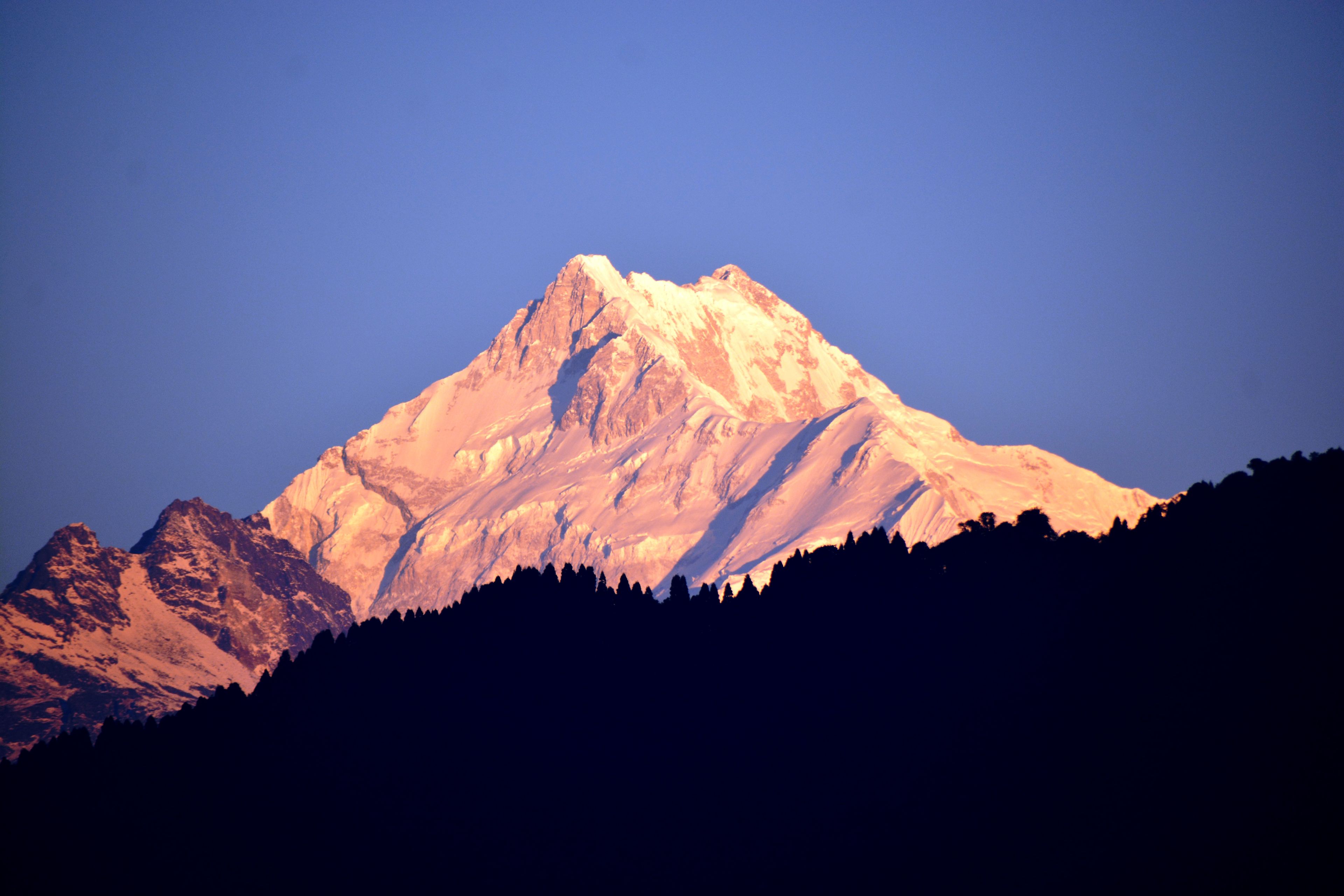
North Sikkim: Lachen and Lachung
Gangtok, Lachen and Lachung with Yumthang Valley and Zero Point, and Gurudongmar for Indian citizens where permitted, with permit and road risks stated honestly.
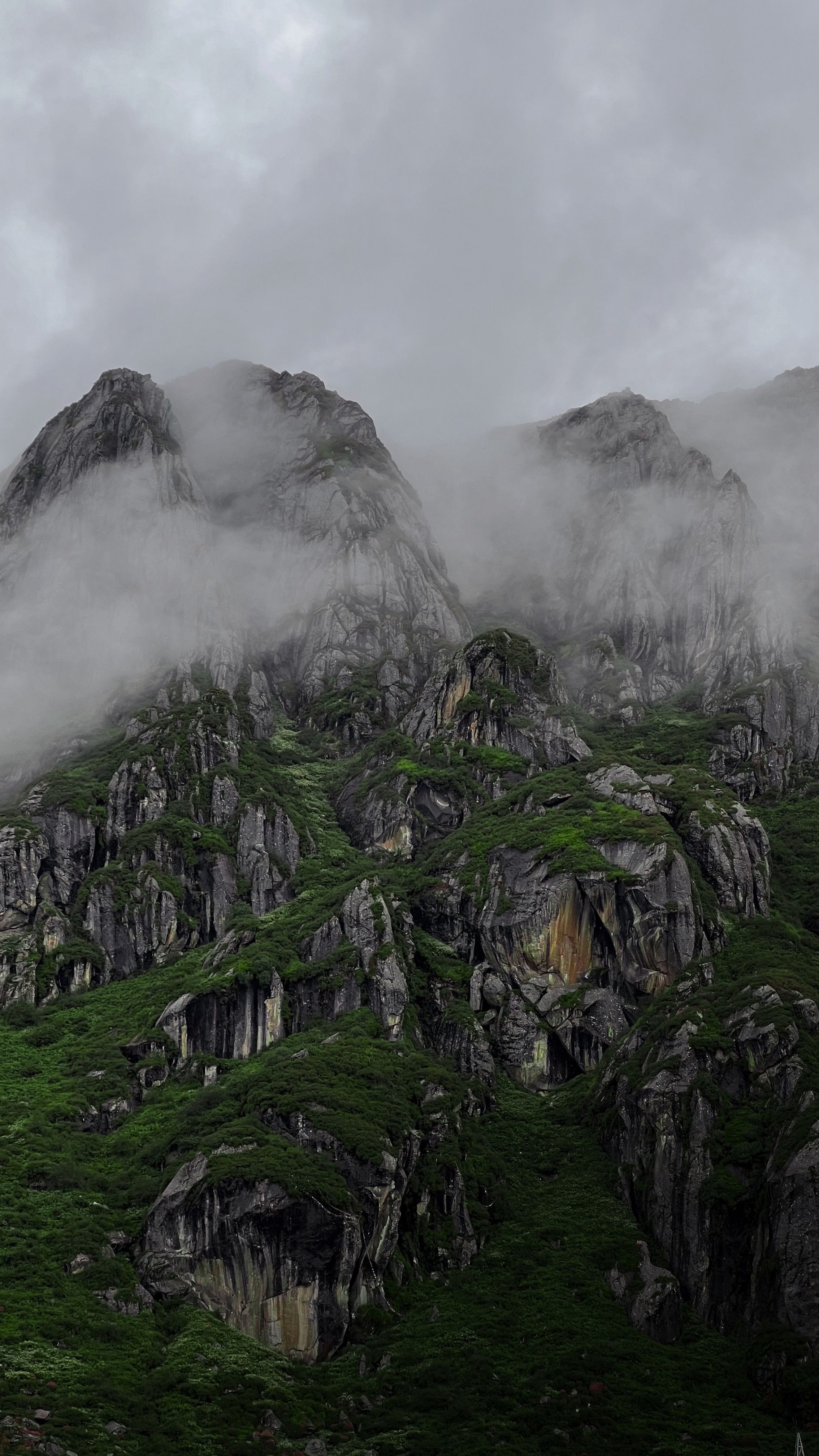
BagdograDarjeelingGangtok
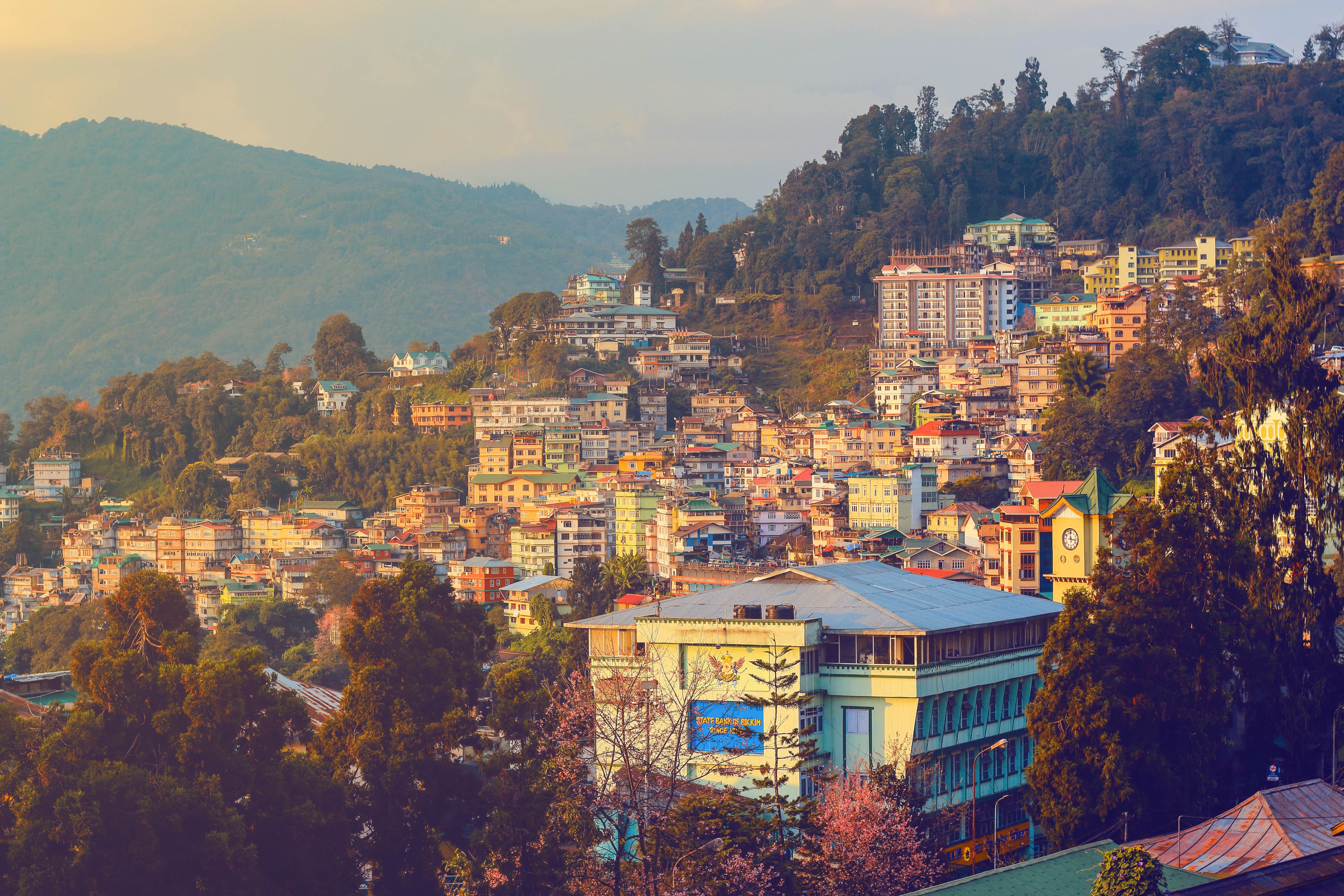
Darjeeling and Sikkim Friends' Group Tour
Two nights in Darjeeling and three in Gangtok for groups of friends, with Tiger Hill, the Toy Train, Tsomgo Lake and the cafes of MG Marg.
BagdograGangtok
Gangtok Corporate Offsite
A team retreat in Gangtok with a working day, a monastery visit, a ropeway ride and a group dinner, planned around the road from Bagdogra.
Need a different route or pace?
Tell us your travel dates, group size, starting point, preferred stay category and budget range. We will use those details to prepare a more relevant Darjeeling and Sikkim plan.
How to choose a Darjeeling and Sikkim package
Start with three questions: how many days do you have, which places appeal and what do you want to do? Five days suits Darjeeling and Gangtok. Six or seven days adds Kalimpong or Pelling. Seven to nine days allows North Sikkim, if permits and roads allow, or a loop through West Sikkim.
Next, think about the season. March to May and October to early December are the main periods, with the clearest views and comfortable temperatures. December to February is cold and clear, with snow at higher places. June to September is the monsoon, when landslides, closures and cloud make planning harder, and we advise flexibility or lower destinations.
What to compare between packages
- The number of bases. Fewer hotel changes mean more rest and less risk of delays.
- Drive times. Check the longest day, and whether it is broken by stops.
- Hotel location. In Darjeeling and Gangtok, a hotel on the main street is convenient but noisy.
- Permits. Tsomgo, Nathu La and North Sikkim depend on nationality and the rules at the time.
- Activities. Toy Train rides, ropeways and entry tickets are often paid separately.
- Buffers. Check whether the plan keeps a spare day for rain and landslides.
Read our Darjeeling and Sikkim trip cost guide to understand what moves a quote, and the best time guide before fixing dates.
What we will ask you
To prepare a useful quote we need your travel dates, the number of adults and children with ages, your nationality, your starting city, preferred hotel category and rough budget. We will also ask about interests, such as tea, trains, monasteries or snow, and anything that limits the plan, such as mobility, altitude concerns or motion sickness. None of this is a commitment.
If none of the packages fits, send us your plan and we will draft one.
Plan smarter
Related guides
Best Time to Visit Darjeeling and Sikkim
Month-by-month advice for Darjeeling and Sikkim: spring blooms, the monsoon landslide season, the clear weeks of autumn and winter snow.
How to Reach Darjeeling and Sikkim
Flights to Bagdogra, trains to New Jalpaiguri and the hill roads onward to Darjeeling, Kalimpong, Gangtok and Pelling.
Darjeeling and Sikkim Weather Month by Month
Temperatures, rain, fog and snow across Darjeeling, Gangtok, Pelling and the high places of Sikkim, with notes on what to pack.
Helpful answers
Frequently Asked Questions
How many days do I need for Darjeeling and Sikkim?
Six to eight days is a comfortable minimum for Darjeeling and Gangtok with a day trip to Tsomgo Lake. Add two days for Pelling and two or three for North Sikkim. Hill roads are slow, so five days leaves little time to enjoy each place, and trying to see everything in four is mostly driving.
Do I need a permit for Sikkim?
Requirements depend on nationality and destination. Indian visitors usually need Protected Area Permits for Tsomgo Lake, Nathu La and North Sikkim, while foreign nationals face additional rules and some places are closed to them. Rules have changed several times, so we confirm the current position before your trip and arrange the paperwork where it applies.
What is the best time to visit Darjeeling and Sikkim?
March to May and October to early December are the best months, with comfortable temperatures and the clearest chances of seeing Kanchenjunga. Spring brings rhododendron blooms, and autumn brings crisp views. June to September is the monsoon, with heavy rain and landslide risk. December to February is cold, with snow at higher places such as Tsomgo and North Sikkim.
Is it safe to travel in the monsoon?
It can be done in lower places, but landslides, road closures and cancelled permits are common from June to September. If you must go, choose Darjeeling, Kalimpong and Gangtok, keep dates flexible, avoid long single-day drives and expect cloud to hide the views. North Sikkim is generally best avoided in heavy rain.