Destination guide
Plan your time in Kashmir
On this page 11 sections
- Kashmir at a glance
- How the places connect
- When to go: Kashmir by season
- Choosing where to start: Jammu or Srinagar
- What a balanced Kashmir itinerary looks like
- Kashmir for different kinds of traveller
- Events, food and shopping worth planning around
- Local rules and costs that surprise first-time visitors
- Safety and current conditions
- Travelling responsibly in Kashmir
- How we plan Kashmir trips
Kashmir is a place that rewards planning. The Valley looks compact on a map, but the roads climb and wind, the weather changes the character of every stop, and the difference between a relaxed week and a tiring one usually comes down to how the days are ordered. This page is our working guide to Kashmir: how the main places connect, which season suits which kind of trip, where to start from, and what to settle before you ask for a quote.
Kashmir at a glance
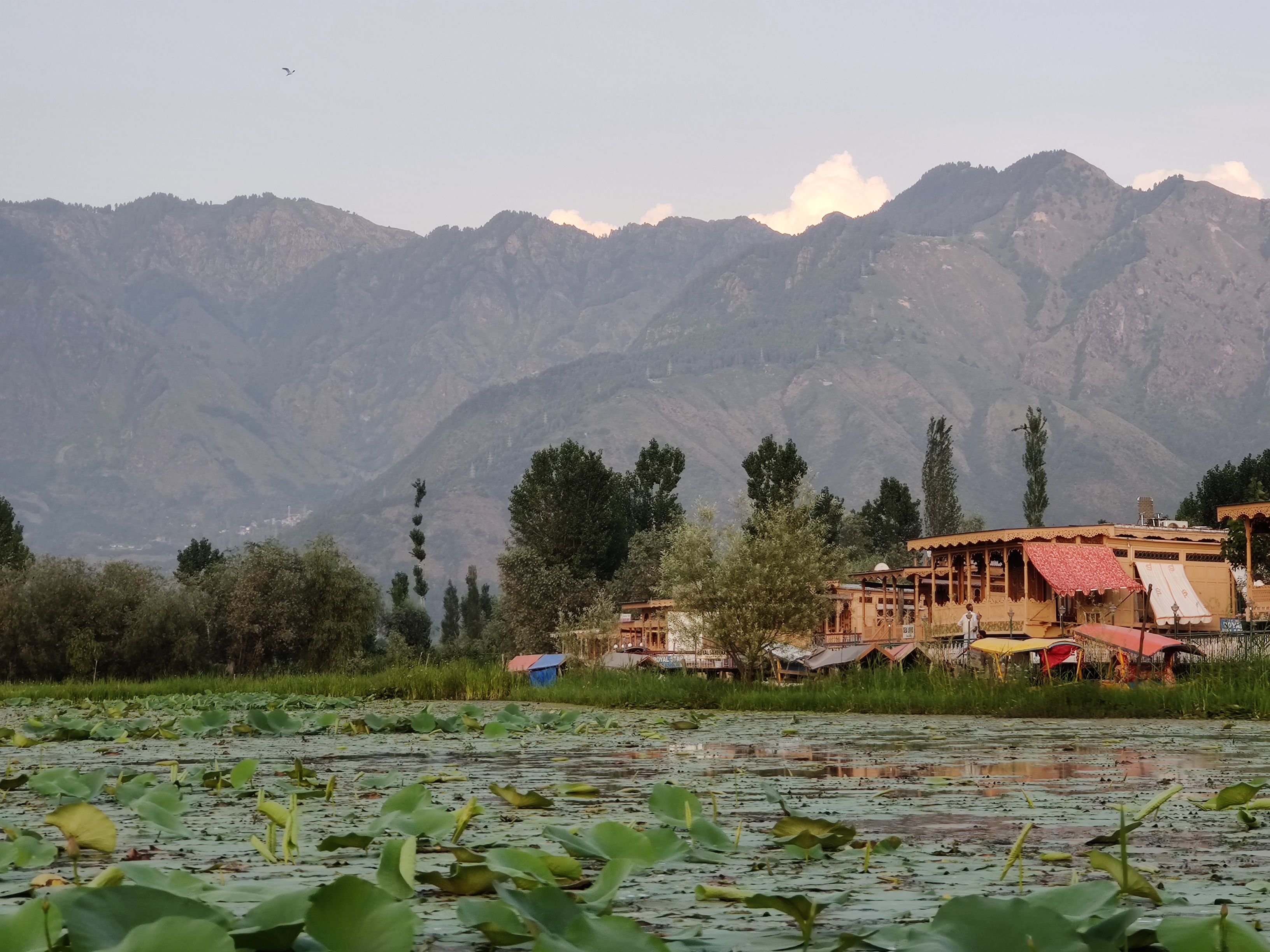
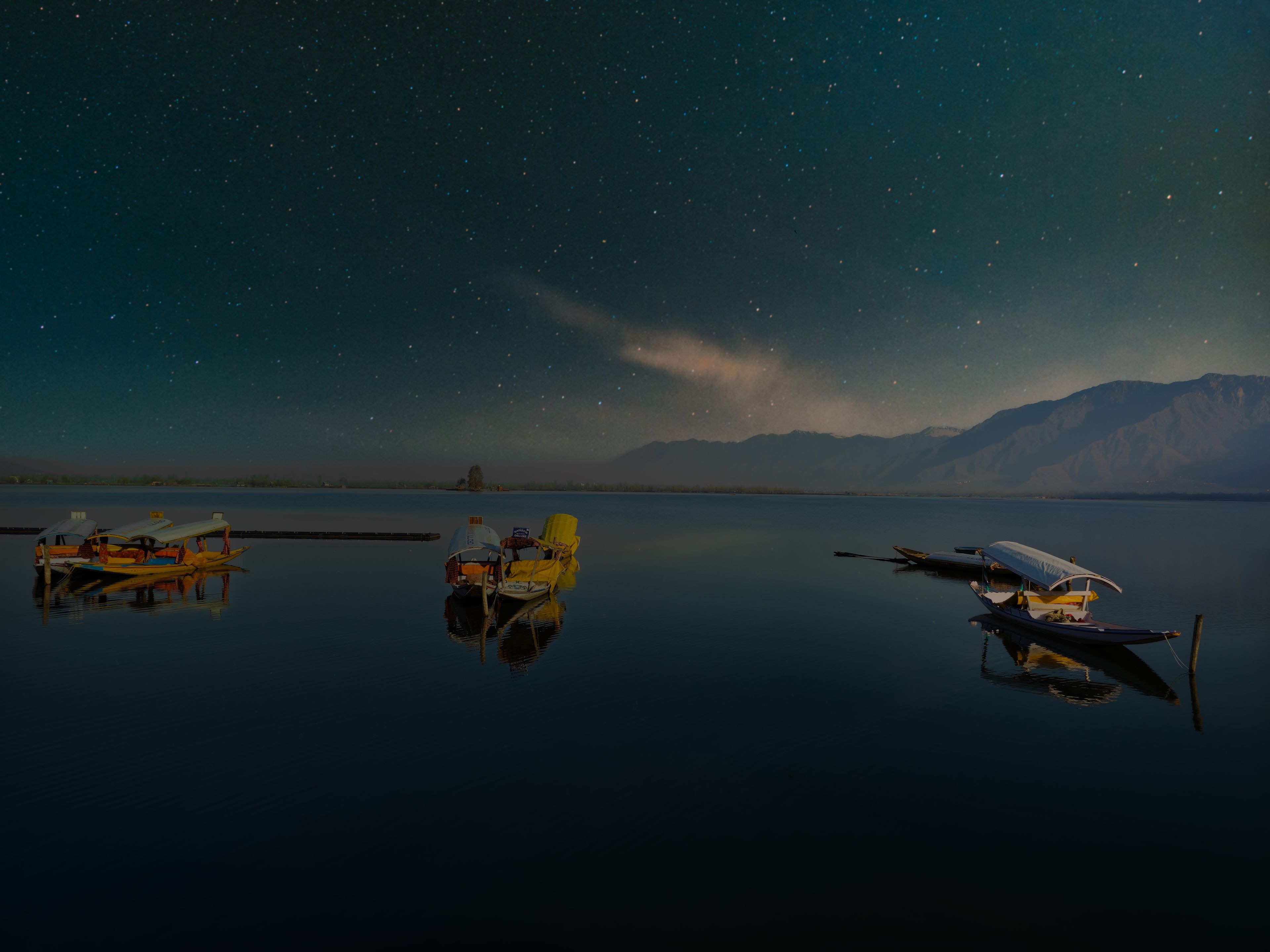
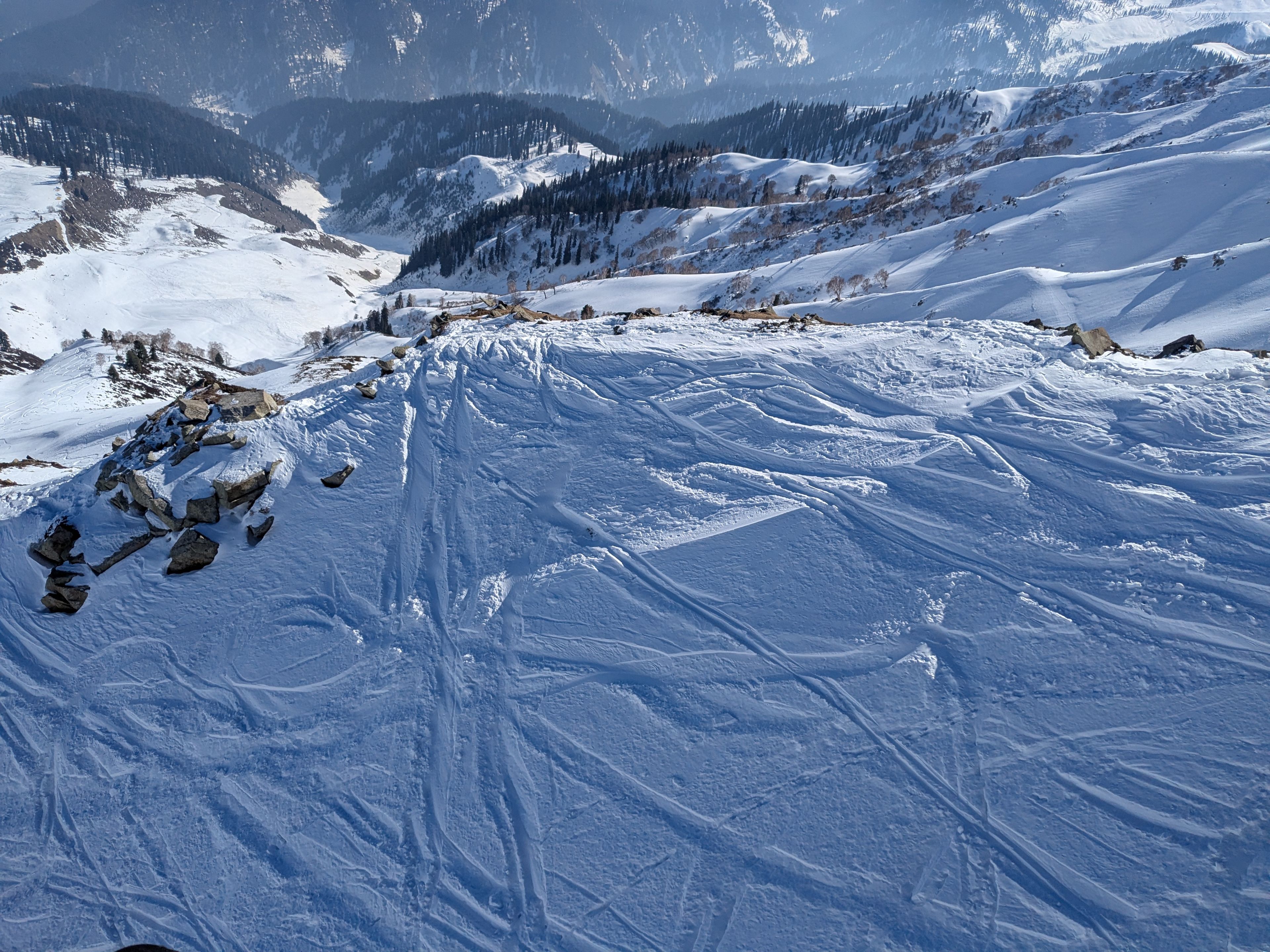
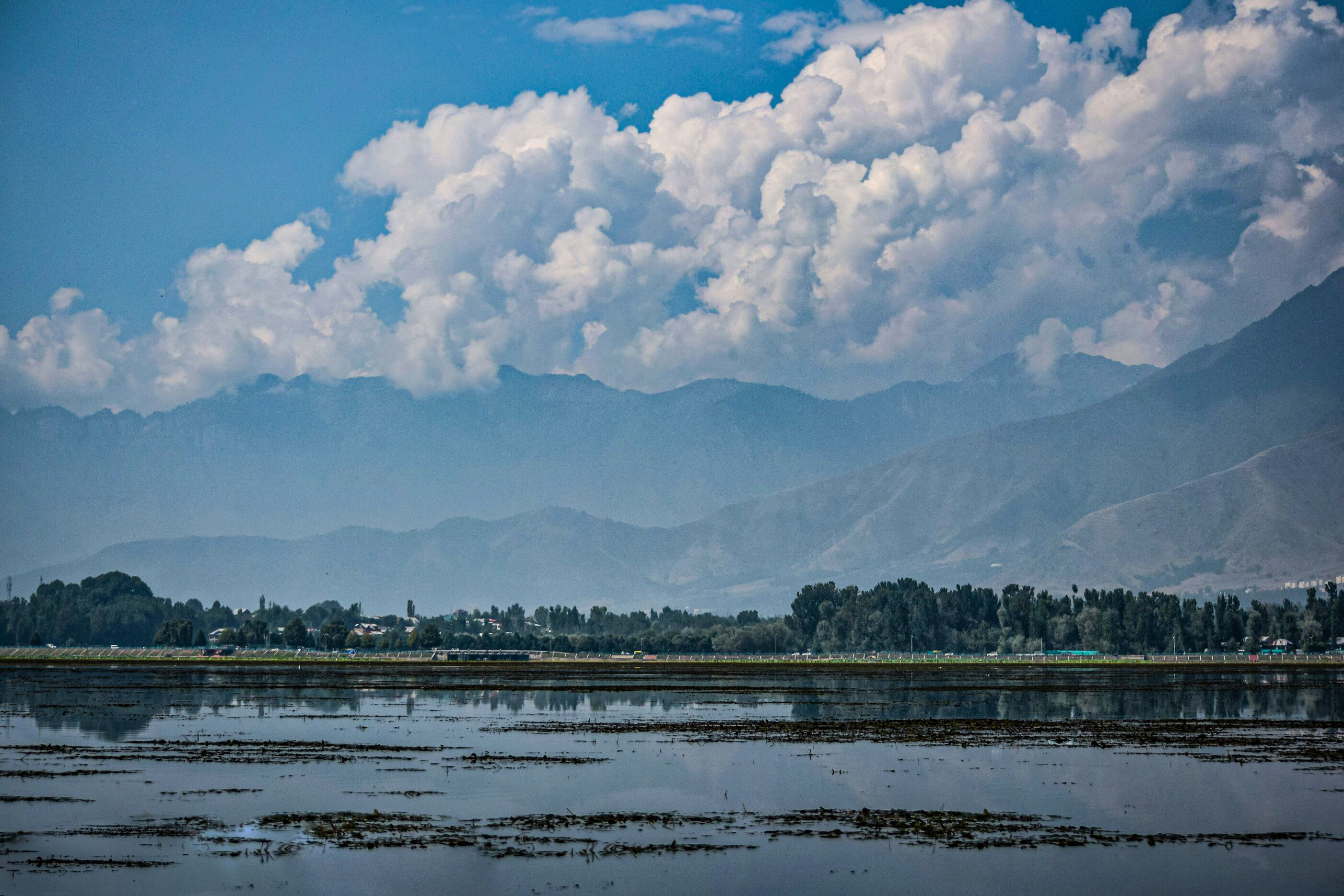
Most holidays are built around a handful of places that sit within a few hours of Srinagar, the valley's hub. Srinagar itself has Dal Lake, houseboats, the Mughal gardens and the old city. Gulmarg is for meadows, snow and the gondola. Pahalgam is a river valley with pine forests and easy walks. Sonamarg is the high-mountain day out, with glacier views and the road toward Ladakh. Quieter additions such as Doodhpathri and Yusmarg suit travellers who would rather sit in a meadow than tick off sights, and if you are travelling from Jammu you can add Katra, Patnitop and Jammu on the way.
Altitude matters more than most visitors expect. Srinagar sits at about 1,600 metres, Pahalgam at roughly 2,200, Gulmarg at 2,650 and Sonamarg at around 2,800. That is why Srinagar can be pleasantly warm in June while Gulmarg still needs a jacket, and why a bright morning can turn cold and wet by afternoon in the hills.
How the places connect
Srinagar works as the base for most itineraries, with the hill towns reached as day trips or short overnight stays. These are approximate figures for normal traffic and dry roads; checkpoints, road work and weather add time.
| Place | Distance from Srinagar | Usual drive time | How people usually visit |
|---|---|---|---|
| Gulmarg | about 50 km | 2 hours | Full day, or one night in winter |
| Pahalgam | about 95 km | 2.5 to 3 hours | One or two nights |
| Sonamarg | about 80 km | 2.5 to 3 hours | Full day, or one night |
| Doodhpathri | about 45 km | 2 hours | Full day in season |
| Yusmarg | about 45 km | 1.5 to 2 hours | Half day |
A common mistake is to treat these as short hops and schedule three of them back to back. Each of the round trips takes five to seven hours of driving and waiting, and the best part of the day in the hills is often the early morning. We usually place one hill excursion between two Srinagar days, or move your hotel to Pahalgam or Gulmarg for a night so you are not driving in the dark.
When to go: Kashmir by season
| Months | What it is like | Suits |
|---|---|---|
| March to April | Cold mornings, almond and cherry blossom, tulips in bloom, snow still on the peaks | Gardens, photography, honeymooners |
| May to June | Pleasant and green; peak family season and school holidays | Families, all four hill destinations |
| July to August | Warm in Srinagar, cool in the hills, occasional rain; Pahalgam is crowded during the Amarnath Yatra | Meadow walks, trekking, plan hotels early |
| September to October | Clear skies, quieter roads, chinar leaves turning gold by late October | Relaxed sightseeing, autumn colour |
| November | Cold, first snow, saffron harvest around Pampore | Quiet trips, local culture |
| December to February | Snow in Gulmarg, Sonamarg and Pahalgam; very cold nights | Snow, skiing, winter honeymoons |
Our best time to visit Kashmir guide goes month by month, and Kashmir weather by month covers temperatures and packing.
Planner's note: If your dates are fixed by school holidays or leave, tell us early. Late April to June and the last week of December fill up quickly, and good houseboats and Gulmarg hotels are the first to go.
Choosing where to start: Jammu or Srinagar
This single decision shapes the whole trip, so it is worth settling first.
- Srinagar-to-Srinagar (fly in, fly out). Best for trips of three to five days. You land at Sheikh ul-Alam International Airport and start sightseeing the same afternoon. Our Kashmir family holiday is built this way.
- Jammu-to-Jammu (road loop). Best when you are coming by train, have seven days or more, or want to add Katra and Patnitop. The drive from Jammu to Srinagar takes most of a day and the highway can close for landslides or snow, so keep the first and last day light. The 6 nights, 7 days Jammu group tour follows this pattern.
- By rail. A Vande Bharat service has connected Katra with Srinagar since June 2025, and services from Jammu have been extended in 2026. A through train from Delhi was not running when we last checked, so most rail travellers change at Katra or Jammu. Check IRCTC for the current timetable before you book.
Our guide to how to reach Kashmir compares the options in more detail.
What a balanced Kashmir itinerary looks like
For a first visit, five nights is the sweet spot: two nights in Srinagar (one of them on a houseboat if you like), a Gulmarg day, a Pahalgam night, and a Sonamarg day on the way back. Add a night or two and Doodhpathri becomes possible without hurrying. Couples often shave Sonamarg and spend an extra evening on the lake; families with children tend to prefer fewer hotel changes.
You can read two full day-by-day plans, the 5-day Kashmir itinerary and the 7-day Kashmir itinerary, or browse our Kashmir tour packages, including the romantic couple package and the winter snow escape. Every route can be changed.
Kashmir for different kinds of traveller
Couples and honeymooners do best with fewer moves: a lakeside base in Srinagar, a Gulmarg day, a night in Pahalgam, and nothing scheduled before 9 am. Our couple package follows that logic, and the winter version swaps Pahalgam for a snowy night in Gulmarg.
Families with children need shorter drives and reliable hotels more than extra sights. Three bases at most, one big outing a day, meals that suit children, and a spare afternoon after the hill days. Pahalgam and Gulmarg both work well for ages five and up; Sonamarg is lovely but its pony rides and cold can be tiring for toddlers.
Senior travellers are very welcome, and the altitude (1,600 to 2,800 metres) is moderate. What matters is pace and access: hotels with lifts or ground-floor rooms, a driver who does not rush the hairpins, ponies or the gondola for steeper sections, and regular medicines packed in hand luggage.
Friends and larger groups are well served by a tempo traveller, a houseboat dinner and a looser schedule. The road-based Jammu group tour is the usual starting point.
Photographers and slow travellers should look at the shoulder months. April for blossom and tulips, late September to October for light and chinar colour, and winter mornings for frost on Dal Lake all reward patience far more than a busy June week.
Pilgrims and heritage travellers often start at Katra or add Jammu's temples; see the Vaishno Devi and Kashmir plan.
Events, food and shopping worth planning around
Kashmir has a calendar that is easy to miss if you only look at the weather. The tulip bloom in spring, the blossom weeks that follow, the Amarnath Yatra in July and August, the saffron harvest and chinar colour in late October and early November, and the skiing season from December all shape crowds and prices. Religious festivals, including Eid and Muharram, can change opening hours and traffic in Srinagar, so ask your planner if your dates overlap with one.
Food is a reason to come in itself. Try kahwa (green tea with saffron and almonds), the salted pink noon chai, fresh girda bread from a bakery, and a Wazwan meal if you eat meat. Vegetarian travellers do well on dum aloo, nadru (lotus stem) dishes, rajma and seasonal greens such as haak. Houseboats and hotels will arrange Jain or simple vegetarian meals on request.
For shopping, the established buys are saffron, walnuts and dry fruit, walnut-wood carvings, papier-mâché, carpets and shawls. Buy from government emporiums or shops you have checked, ask about origin and handwork, and be wary of anything described as "pure pashmina" at a very low price. A good shop will explain the difference between machine-made and hand-woven pieces, and will not mind you leaving without buying.
Local rules and costs that surprise first-time visitors
- Union cabs and ponies. In Pahalgam, Sonamarg and Gulmarg, local sightseeing runs on locally registered taxis and ponies. These are paid on the spot and are usually listed as exclusions. Our local transport guide explains how it works so there are no surprises.
- The Gulmarg Gondola. Tickets are sold online and sell out on peak days. The ride is weather-dependent and may be suspended.
- Mobile networks. Postpaid connections work across the Union Territory, but prepaid SIMs from other states generally do not. Download offline maps before you leave a town.
- Cash. Cards and UPI work in hotels and bigger shops. Carry cash for ponies, local cabs, entry tickets and small stalls.
- Identification. Carry a government photo ID for every adult. You will be asked for it at hotels and checkpoints.
- Respect. Dress modestly at shrines and mosques, ask before photographing people, and remove shoes where asked.
Safety and current conditions
Kashmir has been through a difficult stretch. Tourist numbers fell after the April 2025 attack in the Pahalgam area, the authorities closed a number of sites and then reopened most of them in phases, and visitor numbers have been recovering through 2026. Some places may still have restricted access, and conditions can change at short notice. We do not offer guarantees about safety. What we do is plan with current official guidance in mind, use experienced local drivers and hotels we are comfortable with, avoid anything that is restricted, and tell you honestly what is and is not open for your dates. Our Kashmir safety guide explains what we check and what you can do yourself.
Travelling responsibly in Kashmir
The valley's ecosystems are fragile and many families depend on tourism for their income. Carry your waste out of meadows (there are few bins at Doodhpathri, Aru or Thajiwas), do not buy bottled water in excess if your hotel offers filtered water, hire local ponies and guides at the posted rates, and ask permission before photographing people. If you stay on a houseboat, ask how waste and sewage are handled; responsible owners will tell you. Choosing small, locally owned hotels and eating at local restaurants spreads your spending further than a package of outside operators.
How we plan Kashmir trips
We start with a conversation about who is travelling, what pace suits you and what you do not want to do. Then we draft a route with hotels, vehicles and meal plans, and write down what the price covers and what you pay locally. You review that quote, ask questions, change what you like, and only then confirm. There is no fee to start the conversation. Read more on how planning works.
When you are ready, share your dates and group size or message us on WhatsApp, and we will come back with a practical plan for your Kashmir trip.