Destination guide
Plan your time in Himachal Pradesh
On this page 15 sections
- Himachal at a glance
- How far apart things are
- When to go
- Roads, permits and local rules
- The classic circuits
- Himachal for different kinds of traveller
- Food
- Where to stay
- Safety, rules and responsible travel
- Practical details people forget
- Beyond the main circuit
- Himachal and the environment
- Choosing between hill stations
- Costs to expect
- How we plan Himachal trips
Himachal Pradesh is the mountain state many north Indians think of first. It has colonial hill stations, pine and deodar forests, apple orchards, Buddhist monasteries and some of the highest roads in the Himalaya, all within a day or two of Delhi and Chandigarh. It is also a state where the weather, the roads and the altitude can change a plan in an afternoon. This page is our working guide to Himachal: how its regions fit together, which season suits which trip, where to base yourself and what to settle before you ask for a quote.
Himachal at a glance
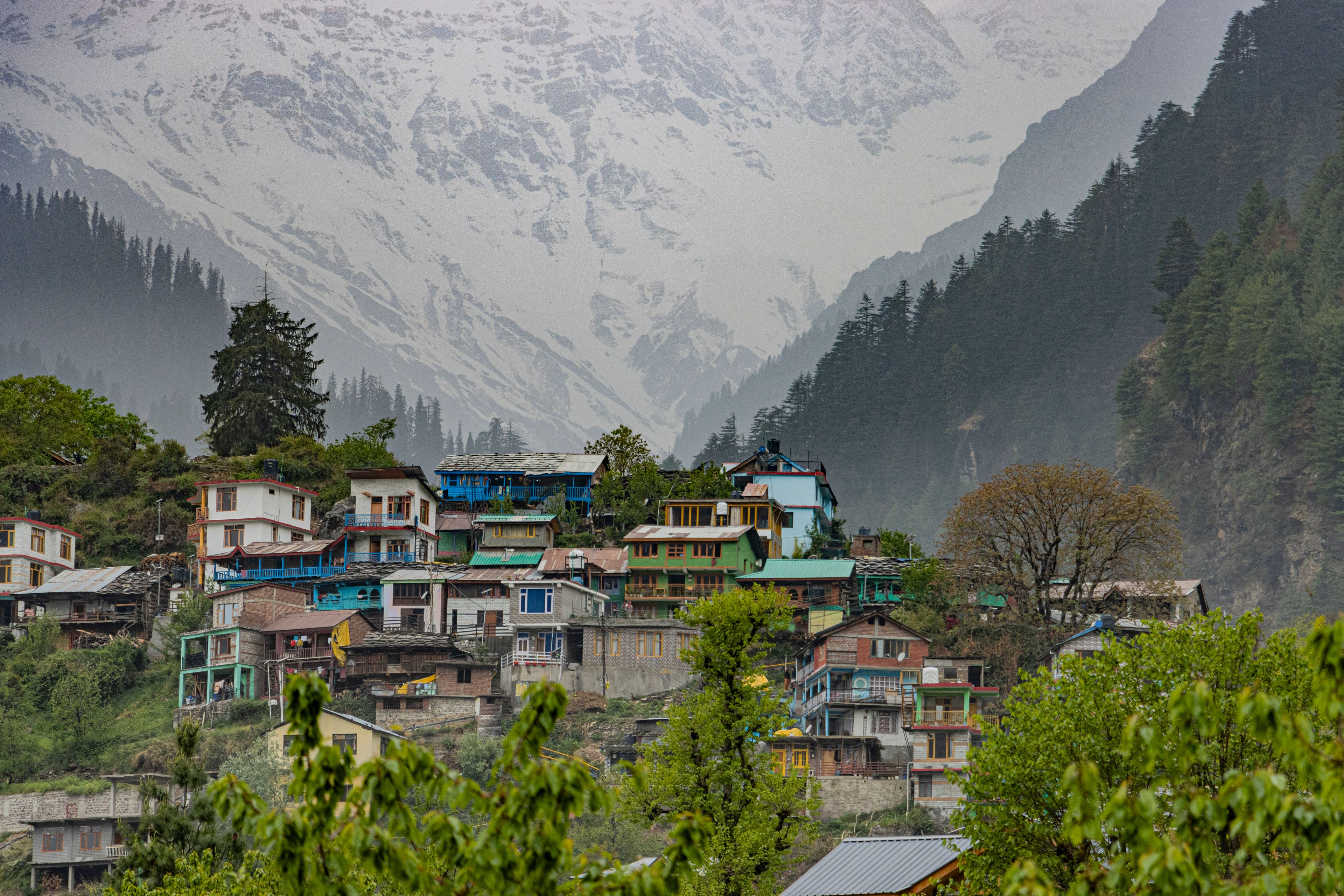
Himachal is a small state with enormous variety. The lower hills around Shimla and Solan are green and temperate. The Kullu, Mandi and Kangra valleys are lush, with rivers and orchards. The Dhauladhar range rises above Dharamshala and Dalhousie, and beyond the passes lie the dry, high valleys of Lahaul and Spiti. Altitudes range from a few hundred metres to over 6,000 metres.
For visitors, the practical picture is five destinations, each with a different character:
- Shimla is the old summer capital of British India, with colonial buildings, the Mall Road and nearby Kufri and Chail.
- Manali is the adventure hub, set in the Kullu valley with Solang Valley, the Atal Tunnel and the road to Rohtang.
- Dharamshala and McLeod Ganj are the home of the Tibetan community in exile and a base for the Triund trek.
- Dalhousie and Khajjiar offer quieter, deodar-lined stays with an open meadow at Khajjiar.
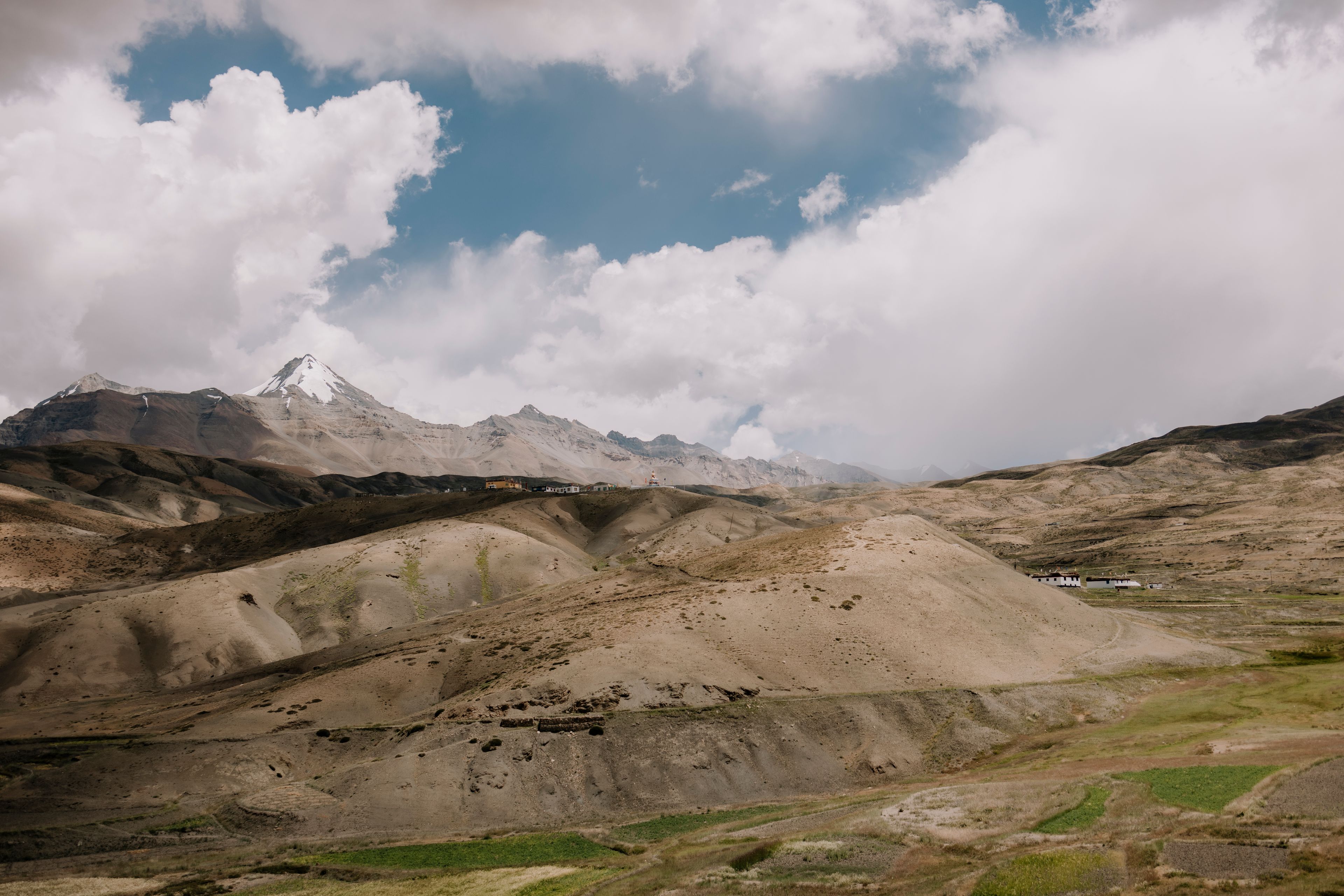
- Spiti Valley is the cold desert, for monasteries, starry skies and long, dramatic roads.
How far apart things are
Distances in the hills are deceptive: a short stretch on the map can take hours. These figures are approximate and assume normal traffic and dry roads.
| Route | Distance | Usual drive time |
|---|---|---|
| Chandigarh to Shimla | about 115 km | 3.5 hours |
| Delhi to Shimla | about 350 km | 7 to 8 hours |
| Shimla to Manali | about 250 km | 7 to 8 hours |
| Chandigarh to Manali | about 310 km | 8 to 9 hours |
| Delhi to Manali | about 540 km | 12 to 14 hours |
| Manali to Dharamshala | about 250 km | 8 to 9 hours |
| Pathankot to Dalhousie | about 80 km | 3 hours |
| Pathankot to Dharamshala | about 90 km | 3 hours |
| Shimla to Kaza (Spiti) | about 410 km | 12 to 14 hours, usually over two days |
Because of these distances, we plan one long drive a day at most, split the longest stretches with a night on the way and favour a route that avoids doubling back.
When to go
| Months | What it is like | Suits |
|---|---|---|
| March to June | Pleasant to warm, rhododendron and apple blossom, high roads begin to open | Sightseeing, families, adventure, honeymoons |
| July to August | Monsoon, landslide risk, lush green | Experienced travellers, flexible plans |
| September to November | Clear skies, cooler nights, apple harvest, Dussehra in Kullu | Photography, quiet travel, trekking |
| December to February | Cold, snow in Shimla, Manali, Dalhousie | Snow, winter honeymoons, skiing |
Our best time to visit Himachal Pradesh guide covers each month, and Himachal weather month by month covers temperatures and packing.
Planner's note: If you are travelling in July or August, tell us early. We usually shorten the high-valley sections, keep a spare day in the plan and choose hotels in areas with good road access, because the Chandigarh to Manali highway can close after heavy rain.
Roads, permits and local rules
Highway landslides. The Chandigarh to Manali highway runs through Mandi and the Beas gorge, and has been blocked by landslides in recent monsoons. Shimla's Kalka road and Lahaul routes have faced similar issues. Check the Himachal disaster management authority and police updates before long drives.
Rohtang Pass. Vehicles need an online permit from the official government portal, there is a daily cap, and the pass is closed on Tuesdays and in winter. Most visitors now go to Lahaul via the Atal Tunnel instead, which has a separate arrangement. We check the current rules before we include either in your plan.
Local taxi unions. In Manali, Solang and Rohtang, local sightseeing is run by taxi unions, with outside vehicles not allowed on some stretches. These costs are paid directly and are listed as exclusions in our quotes. Our roads and transport guide explains how it works.
Altitude. Spiti, Chandratal and some passes are above 3,500 metres. Plan gradual ascents and rest days.
The classic circuits
Shimla and Manali is the best-known combination, usually five to seven days. Our Shimla Manali tour follows it.
The Himachal circuit adds Dharamshala for a week or more; see the Himachal circuit.
Dalhousie and Dharamshala suit those who want quieter hill stays with fewer long drives; see Dalhousie and Dharamshala.
Spiti is for adventurous travellers in summer and early autumn; see the Spiti Valley expedition.
Manali for couples is a shorter, romantic break; see the Manali honeymoon.
Himachal for different kinds of traveller
Couples usually prefer Manali and Shimla, or the quieter Dalhousie. Choose a cottage with a view, avoid the busiest bazaar and plan one outing a day. Families do well with Shimla, Dalhousie and Dharamshala, where distances are shorter and there are gardens, walks and temples. Senior travellers should choose lower altitudes, a ground-floor room and an experienced driver. Friends and adventure seekers like Manali for paragliding, rafting and treks, and Dharamshala for Triund. Photographers will find apple blossom in spring, golden light in autumn, snow in winter and the stark colours of Spiti in summer. Pilgrims and culture lovers will enjoy the Tibetan monasteries of Dharamshala, the temples of Kullu and Chamba, and Key Monastery in Spiti.
Food
Himachali food is rooted in the mountains. Dham, the festive meal, is served on leaf plates in Kangra and Chamba. Siddu (steamed bread), madra, chha gosht, trout and mushrooms are regional dishes, and apples, plums and peaches are famous. Tibetan food in Dharamshala and Manali, with momos, thukpa and butter tea, is a pleasure. Our Himachal food guide covers what to order.
Where to stay
Himachal has hotels at every price level, from homestays in apple orchards to heritage properties and luxury resorts. In Shimla, stay near the Mall Road or in quieter areas such as Mashobra and Chail. In Manali, Old Manali and the Mall area are lively, while villages like Naggar or Prini offer calm. Dharamshala's McLeod Ganj is atmospheric but busy, and Dalhousie is quieter. Check heating in winter, road access, parking and the walk from the car park to the room.
Safety, rules and responsible travel
Himachal is welcoming and generally safe for visitors. The main risks are natural: landslides, rockfall, flash floods in side valleys and altitude sickness. Follow weather alerts, avoid riverbeds in the rains and use registered operators for adventure activities. Drug use is illegal and police are active in places like the Parvati Valley. Carry your waste out of the mountains, avoid plastic and support local homestays. Our safety guide has more.
Practical details people forget
Carry a government photo ID for every traveller, because hotels and some checkposts ask for it. Keep a light waterproof jacket in your day bag in every season, since mountain showers arrive without warning. Download offline maps before leaving the plains; mobile coverage drops in valleys and forests. Carry some cash for local taxis, small shops and ropeways. Bring motion-sickness tablets for the winding roads, and a warm layer even in June. Finally, build a rest day into any trip longer than five days, because the roads are tiring in a way that distances do not suggest.
Beyond the main circuit
Once you have seen the classic destinations, Himachal has plenty more. Kasol and the Parvati Valley attract backpackers and trekkers, though they come with the drug-law caution above. Bir and Billing are known for paragliding, with one of the world's well-regarded launch sites and a calm Tibetan colony. Tirthan Valley and the Great Himalayan National Park offer riverside homestays, trout streams and forest walks, and are a quieter alternative to Manali. Narkanda is a winter ski and apple country stop near Shimla. Kinnaur, with Kalpa, Sangla and Chitkul, offers apple orchards, Buddhist and Hindu temples and views of Kinner Kailash. Kangra has an old fort and tea gardens. These suit longer trips or second visits, and we are happy to build them in.
Himachal and the environment
Himachal's popularity has put pressure on its mountains. Water shortages in Shimla in summer, waste on treks and overbuilt valleys are real concerns, and the 2023 and 2025 monsoon disasters showed how fragile slopes can be. Visitors can help by choosing small, locally owned stays, using water sparingly, avoiding single-use plastic, staying on trails and not buying from sellers who exploit animals. Travelling outside the peak weeks also eases the load on towns that cannot cope in May and June.
Choosing between hill stations
If you are torn between destinations, think about what you want to feel, not just what you want to see. Shimla feels like a small colonial town, with walks, bakeries and old buildings. Manali feels like an adventure base, with rivers, snow and cafes. Dharamshala feels reflective and international, shaped by Tibetan culture. Dalhousie feels like a quiet forest retreat. Spiti feels like the edge of the world. None is better than another; each rewards a different mood, and the happiest travellers are those who choose the mood first and the place second. If you still cannot decide, tell us who is travelling and for how long, and we will suggest the base that fits.
Costs to expect
Costs depend on the season more than on the route. Winter weekends and the April to June holiday season are expensive; the monsoon is cheap. Entry tickets, adventure activities, local taxis and meals are often paid locally. See our Himachal trip cost guide for how a quote is built.
How we plan Himachal trips
We start with a conversation about who is travelling, what pace suits you and which season you are travelling in. Then we propose a route that respects the distances and the weather, name the hotels and vehicles, and list what you pay locally. You review the quote, change what you like and confirm only when it works. There is no fee to start. Browse our Himachal tour packages, read the first-time visitor guide, or share your dates and group and we will draft a plan.