Short answer
March to May and October to early December are the best times to visit Darjeeling and Sikkim, with comfortable temperatures and the best chances of seeing Kanchenjunga. June to September is the monsoon, with heavy rain and landslides. December to February is cold, with snow at higher places such as Tsomgo and Lachung.
On this page 12 sections
Darjeeling and Sikkim have four clear seasons, and each one changes what the region is good for. Spring brings rhododendrons and first-flush tea, the monsoon fills the valleys with cloud and waterfalls, autumn clears the sky for the great peaks, and winter brings snow to the high places. This guide explains each season, so you can match your dates to your plan.
Spring: March to May
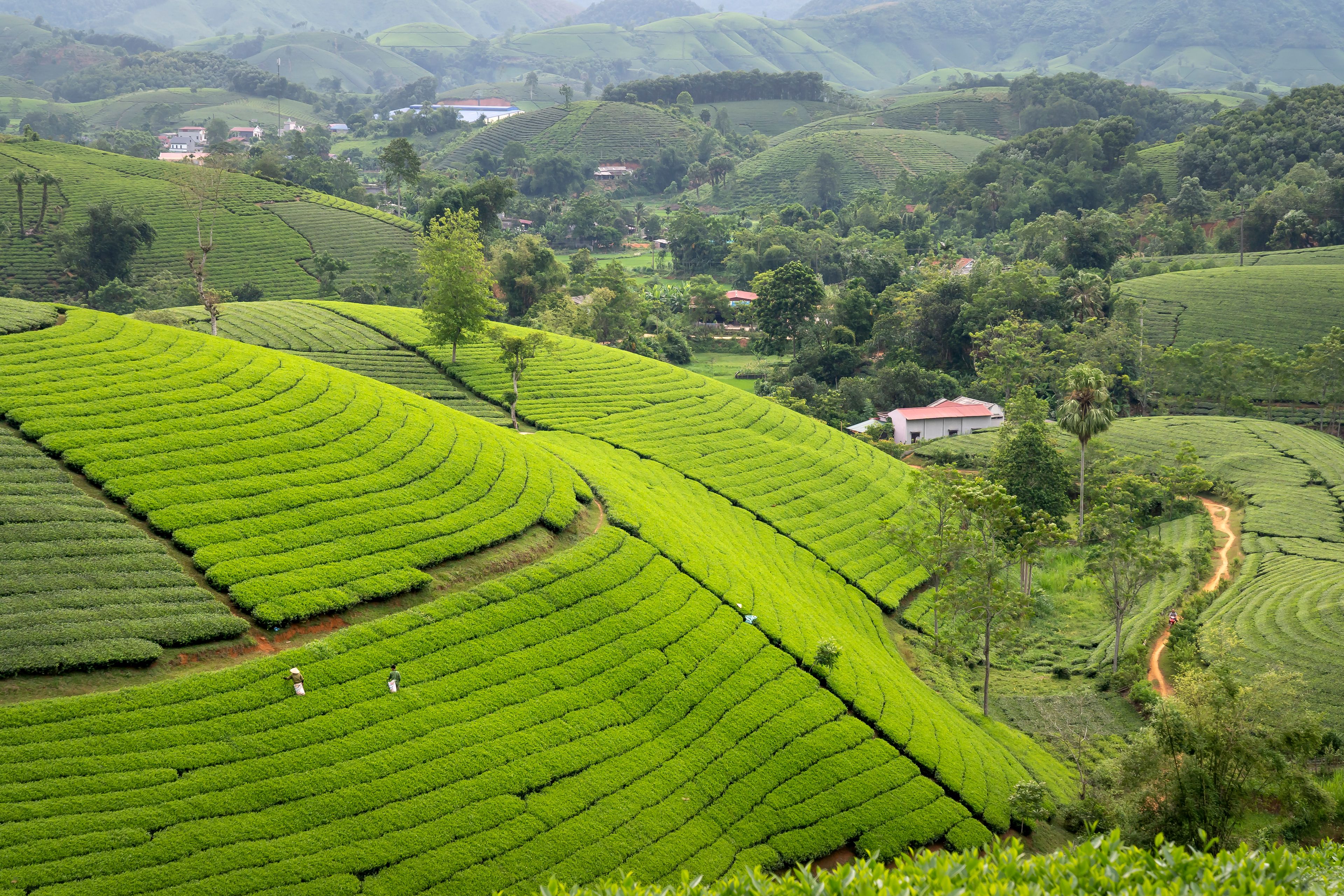
Many travellers consider spring the loveliest time. Temperatures are mild, the hills are green and rhododendrons bloom across Sikkim, especially in April and May, when Yumthang Valley and the slopes near Tsomgo are at their best. Orchids and magnolias bloom in the lower valleys, and the first-flush Darjeeling tea is picked in March and April. Skies are often clear in the mornings, though afternoon haze and thunderstorms appear by May. This is also a popular holiday time, so hotels fill up and prices rise, particularly in May.
Good for: flowers, tea, views, Tsomgo, Yumthang in bloom. Watch for: crowds in May, afternoon cloud and occasional hail.
The monsoon: June to September
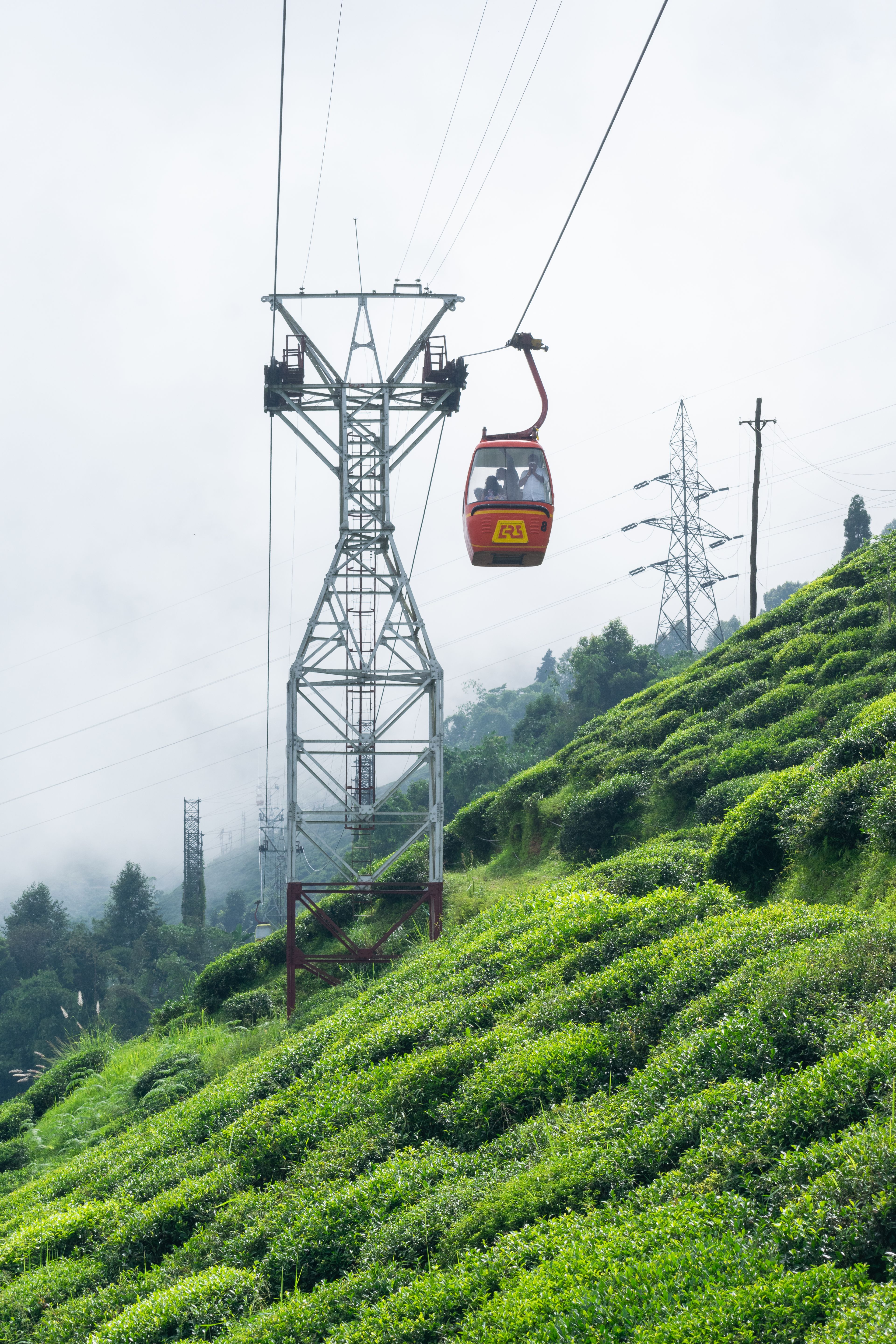
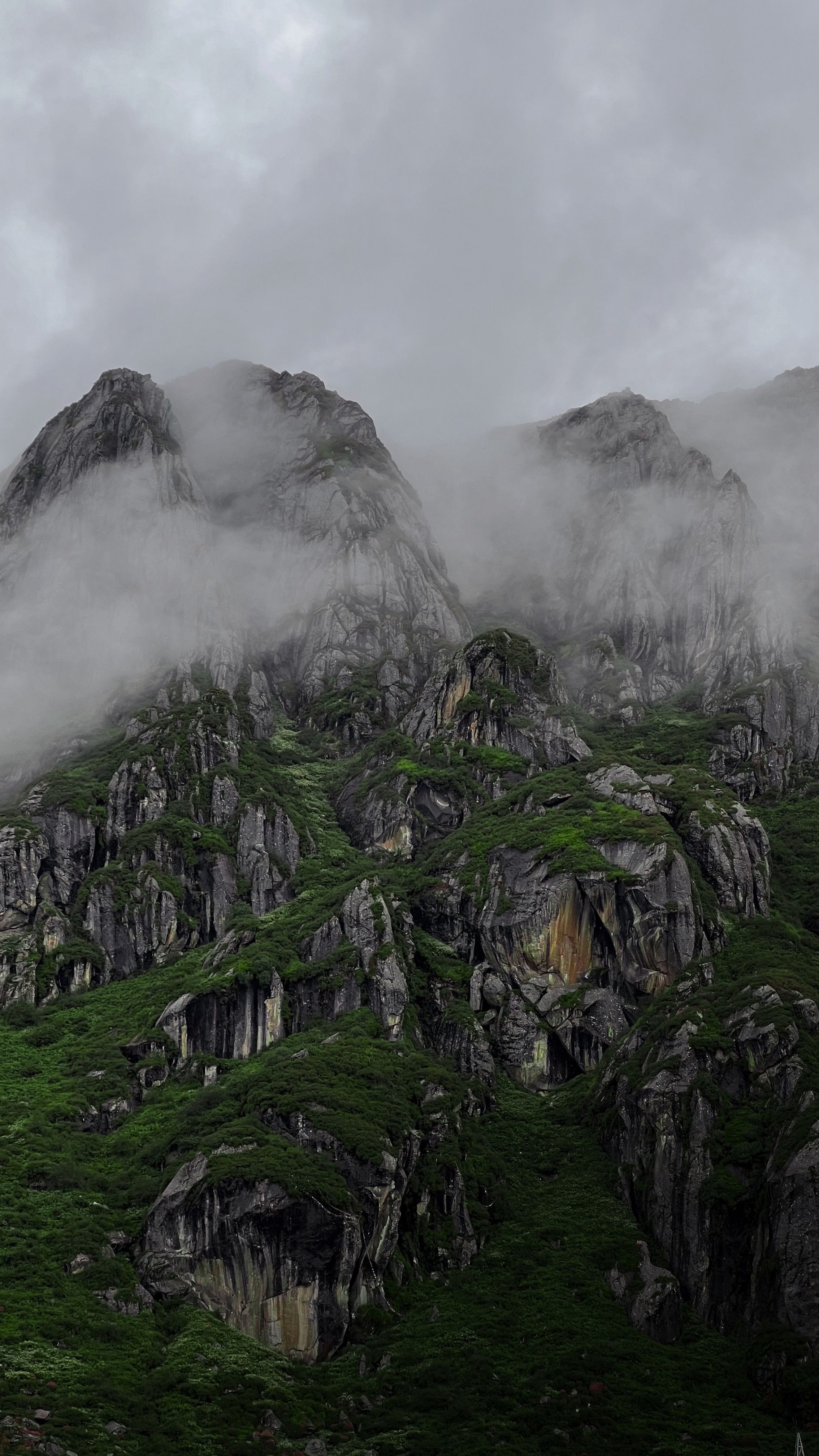
The south-west monsoon arrives in early June and stays until September. Rainfall in Darjeeling and Sikkim is among the heaviest in India. Waterfalls are full and the hills are brilliantly green, but clouds hide the peaks for days. Landslides are frequent, and the road from Siliguri to Gangtok and the roads to North Sikkim are often closed. Leeches appear on forest trails. Tea estates produce the monsoon flush. Many hotels offer lower rates.
Good for: green scenery, waterfalls, lower prices, quiet weekdays. Watch for: landslides, closures, cancelled permits, poor visibility. North Sikkim is best avoided. If you must travel, stay in towns, leave early in the day, avoid night driving and keep dates flexible.
Autumn: October to early December
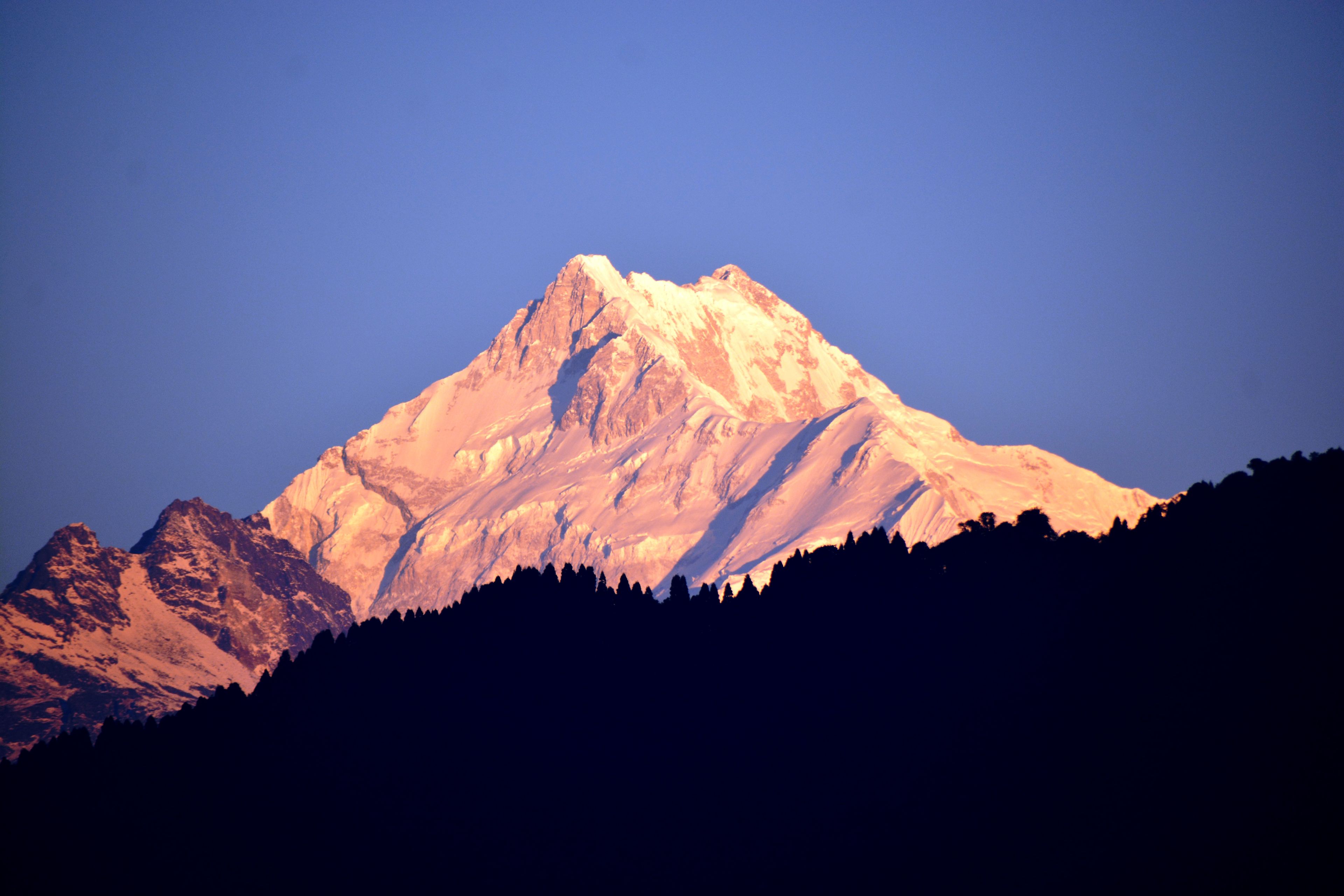
This is the prime season. The rains clear in late September or October, the air becomes crisp and visibility improves dramatically. Kanchenjunga and the surrounding peaks are at their sharpest from sunrise viewpoints, and Tiger Hill, Pelling and Gangtok draw crowds. The Puja holidays and Diwali bring heavy traffic and high prices in October and November. Temperatures drop quickly after sunset, and by December it is cold. Tea from the autumn flush is smooth and mellow.
Good for: nearly everything, including views, Tsomgo, North Sikkim (subject to access) and the Toy Train. Watch for: crowds, high prices, very early sunrise starts and cold nights.
Winter: December to February
Winter is cold and bright. Darjeeling and Gangtok see frost and chilly nights, with occasional light snow in Darjeeling. Snowfall is common at Tsomgo Lake, Nathu La, Lachung and Yumthang, and these places are most beautiful in white, though roads may close for days. Skies can be clear, and peaks look sharp, but fog and cloud also occur. Hotels are quieter, and many offer winter discounts. Bring serious warm clothing.
Good for: snow, clear days, quiet towns, photography. Watch for: road closures, cold, early darkness and limited access in North Sikkim.
A month-by-month snapshot
| Month | What to expect |
|---|---|
| January | Cold and clear, snow at high places |
| February | Cold, snow possible, Losar festivities |
| March | Warming, rhododendrons begin, first-flush tea |
| April | Pleasant, flowers in bloom, good views |
| May | Warm, crowded, afternoon storms |
| June | Monsoon begins, heavy rain |
| July | Very wet, landslides |
| August | Very wet, landslides |
| September | Rain eases late in the month |
| October | Clearest views, Puja crowds |
| November | Crisp air, clear peaks |
| December | Cold, fewer crowds, snow at heights |
Festivals and events
Losar, the Tibetan New Year, falls in February or March. Saga Dawa, in May or June, marks the Buddha's birth and enlightenment. Pang Lhabsol, in August or September, celebrates Mount Kanchenjunga as the guardian deity of Sikkim. Losoong in December marks the Sikkimese New Year. Dates follow the lunar calendar and change each year, and monasteries hold masked Cham dances at set times. The Darjeeling Carnival and flower festivals have been held in different seasons. Check dates before booking, because rooms fill quickly.
Rhododendrons, orchids and flowering seasons
Sikkim's state flower is the noble orchid, and the state is also home to dozens of rhododendron species. Rhododendrons flower from March to May, with the high-altitude varieties at Yumthang and near Tsomgo peaking in April and May. Orchids bloom in spring and early summer in the lower valleys. If flowers matter to you, tell us early, because bloom dates shift with the weather from year to year, and we can advise on the best week for your route.
Crowds and quiet weeks
Within each season, some weeks are far busier than others. The first week of October during Puja, the Diwali weeks in November and the long weekends in May are the peaks. The weeks just before and after them are calmer, with similar weather and lower prices. Late March, mid-April and the first half of December are good examples.
Matching season to plan
If you want tea and flowers, choose March to May. If you want the clearest mountain views, choose October to early December. If you want snow, choose January or February and be flexible. If you want a quiet, green trip, choose a weekday in June or September, accepting the weather risk. If you want North Sikkim, choose April, May, October or November, and confirm access first.
Booking tips
For October, November, May and the Puja holidays, book hotels and trains at least two to three months ahead. Toy Train seats and popular heritage hotels sell out earlier. Permits for Tsomgo and North Sikkim depend on registered operators and daily quotas. In the monsoon and winter, bookings can be made closer to the date, but keep a refundable option.
Honest trade-offs
The best months are also the busiest and most expensive. The lowest-priced months carry real weather risk. No season is perfect, so choose on the basis of what matters most to you. A flexible plan with a spare day is worth more than the perfect date.
Plan with us
Read the weather guide for temperatures and the altitude and monsoon guide before you go. Then send us your dates for a tailored plan, or explore our Darjeeling and Sikkim tour packages.
Practical tips
- Book hotels well ahead for October, November, the Puja holidays and May to June.
- Keep two mornings free for viewpoints, since Kanchenjunga is often hidden by cloud.
- In the monsoon, choose Darjeeling, Kalimpong and Gangtok, and avoid North Sikkim.
- For snow, plan January or early February and keep dates flexible for road closures.
- Check permit rules and road status close to your dates, whatever the season.