On this page 10 sections
The Darjeeling Himalayan Railway, nicknamed the Toy Train, is one of the most famous mountain railways in the world. Opened in the 1880s to carry tea and passengers up from the plains, it uses a narrow track of two feet gauge and winds through hill towns, loops and zig-zags. It was inscribed as a UNESCO World Heritage Site in 1999. For many visitors, a ride on it is the highlight of Darjeeling.
What the railway is
The full line runs about 88 km from New Jalpaiguri to Darjeeling, climbing to more than 2,200 metres at Ghum, the highest station on the line. Full-length journeys have been irregular in recent years, but the stretch between Darjeeling and Ghum is the core of the tourist experience. Small steam locomotives, some more than a century old, pull a handful of carriages. Diesel engines also operate. Shorter heritage trains have been added in some seasons, such as services on the Kurseong section.
The joyride
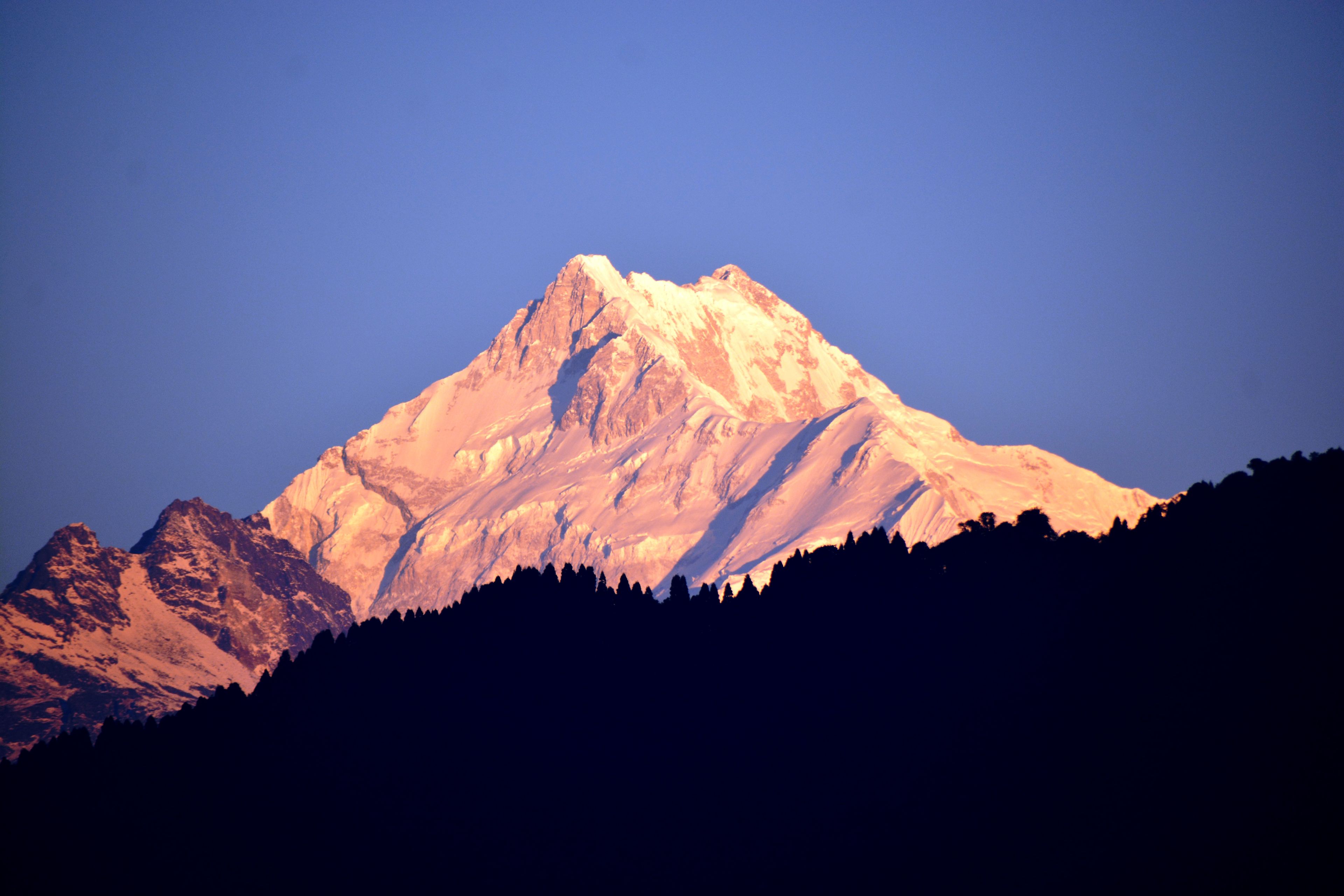
The most popular option is a short round trip between Darjeeling and Ghum, with a stop at Batasia Loop, a spiral track around a hill where the train circles a garden and a war memorial, with a view of Kanchenjunga on clear days. The ride takes around two hours including stops. A visit to the railway museum at Ghum is usually included. Seats in steam trains are limited and sell out in the peak seasons.
Steam or diesel
Steam is the classic experience: smoke, whistles, the smell of coal and the rhythm of the engine. Diesel trains are quieter and cheaper. Both use the same track and go at a walking-to-jogging speed. If you care about steam, book early and check which locomotive is operating on your day. Services may be diesel-only on some days.
How to book
Tickets are available online through the Indian railway ticketing system and at the Darjeeling station. In peak season, they sell out well in advance. Your hotel or operator can help with bookings, but they cannot guarantee seats. Fares for tourist services have varied with the type of train and the season, so check the price at the time of booking.
What to expect
The seats are small and wooden, and the carriages are open to sound and smoke. The route passes market streets, level crossings and houses close to the line, and the train sometimes stops for passengers to take photographs. Smoke from the steam engine is part of the charm, but may bother people with respiratory conditions. The line can be disrupted by landslides, particularly in the monsoon.
Best time to ride
Morning rides have the best chance of mountain views, and afternoons are more likely to be hazy. October to early December and March to April offer the clearest air. The monsoon is wet and foggy, but the misty ride has its own mood.
Accessibility and children
The carriages have narrow steps and tight seating. Children usually love the ride. People with mobility problems may find boarding difficult, and the station has stairs. Ask your hotel to help.
Practical tips
- Book as early as you can for October, November and May to June.
- Arrive at the station 30 minutes before departure.
- Bring a warm layer, because mornings are cool.
- Protect your camera and hair from smoke and cinders.
- Hold on to your belongings at crowded stops.
- Check the timetable for changes caused by weather.
Who it suits
Railway enthusiasts, families, couples and photographers. It is less suited to people who dislike slow, rattling transport, or who want a fast way to reach the plains.
Combine it with
Pair the ride with Tiger Hill, Ghum Monastery and a tea estate. See the Darjeeling guide, our classic tour or ask us to plan.