On this page 11 sections
Tsomgo Lake, also known as Changu Lake, is a small glacial lake in East Sikkim, 38 km from Gangtok and at around 3,780 metres. It is about 1 km long and relatively shallow, ringed by steep hills and famous for its changing colours. For many visitors, it is the first high-altitude lake they have seen, and an easy day trip from Gangtok.
What the lake looks like
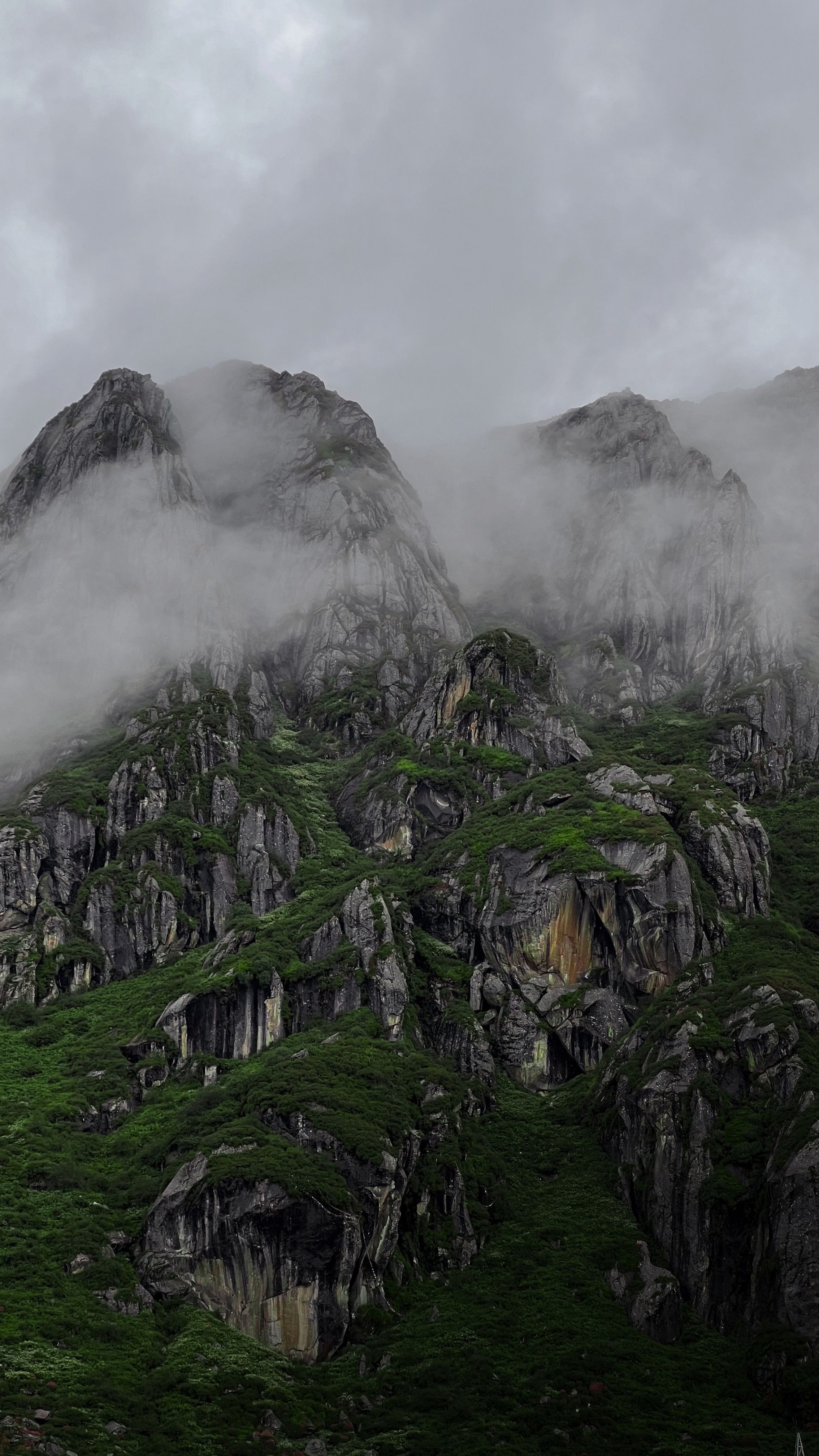
In summer, the lake is a deep blue-green, with grass and wildflowers on its banks. In autumn, the water is clear and the slopes are golden. In winter, the lake is frozen and often covered in snow, a flat white expanse among white hills. In spring, rhododendrons and primulas bloom along the road and the shore. Clouds and mist drift in quickly, and the view can change within minutes.
Cultural importance
The lake is considered sacred by Sikkimese Buddhists and Hindus. Local belief holds that the lake's colour at certain times predicts the future. A small shrine to Shiva stands by the shore, and prayer flags flutter on the banks. Treat the lake with respect.
What to do
- Walk along the shore, a short, easy loop.
- Ride a yak, a popular activity. Check that the animals look healthy and not overworked.
- Drink tea or eat momos at roadside stalls.
- Take photographs of the reflections and the hills.
- Visit the shrine by the lake.
- Combine with Baba Mandir and Nathu La, if permits allow.
Permits and access
A Protected Area Permit is needed for Indian visitors, arranged through registered operators. Foreign nationals have faced changing rules, and in some periods have been permitted only with online permits and in groups. Access is regulated, and vehicles are limited. We confirm the current rules before your trip.
Altitude and health
At 3,780 metres, the air has about two thirds of the oxygen at sea level. Many visitors feel light-headed or breathless. Walk slowly, drink water, avoid alcohol and do not stay too long if you feel unwell. Carry any prescribed medicines. People with heart, lung or blood-pressure conditions should consult a doctor. Children and elders need extra care.
Best time to visit
March to May has rhododendron blooms and mild weather. October to November has clear skies. December to February has snow, which many travellers love, but roads can be closed. The monsoon has fog and landslide risk. Weekdays are quieter than weekends and holidays.
What to wear and bring
Wear layers, a windproof jacket, gloves, a woollen cap, sunglasses and sturdy shoes. Carry sunscreen, lip balm, water and snacks. In snow, shoes with grip matter. Rental snow boots and jackets are sold at the lake, but check quality.
Responsible travel
Do not litter, particularly plastic. Avoid walking on thin ice. Do not disturb the shrine or the wildlife. Treat yaks kindly and avoid overloading them. Respect rules about photography near military areas. Support local stall owners.
Practical tips
- Start early to avoid traffic and cloud.
- Carry ID and permit copies.
- Keep time at the lake to one or two hours.
- Take motion-sickness tablets if you tend to feel sick on winding roads.
- Check the weather and road status before you leave.
- Use toilets in Gangtok before departure, because facilities at the lake are basic.
Who it suits
Families with older children, couples, photographers and first-time visitors to high altitude. It is less suited to travellers with serious health conditions or young children.
Combine it with
Pair Tsomgo with Baba Mandir and, if permitted, Nathu La. See the Tsomgo and Nathu La guide, our classic tour or ask us to plan.