On this page 11 sections
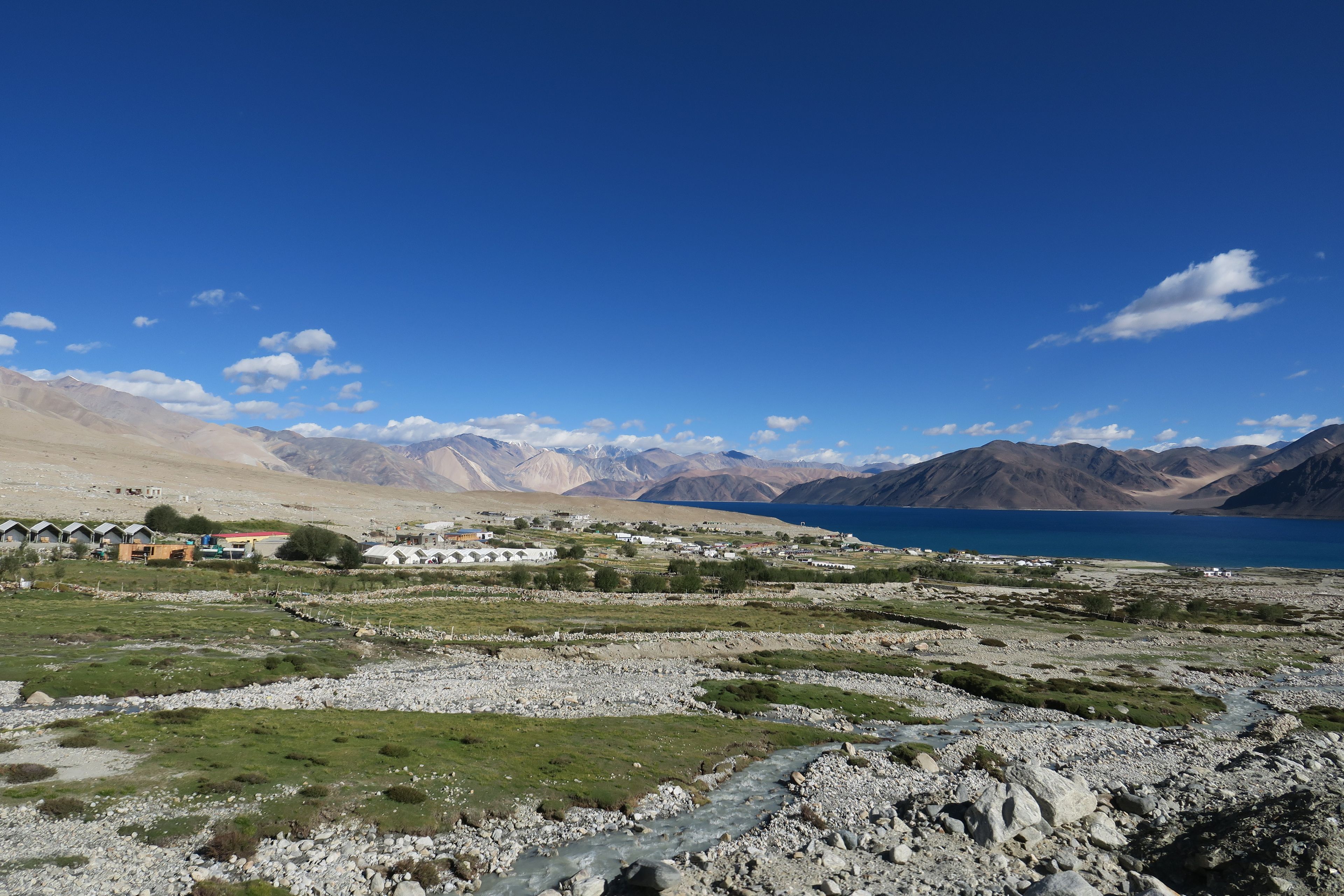
Beyond Leh to the south-east, Ladakh becomes emptier and wilder. The Changthang plateau is a high, cold desert grazed by nomads and wild animals, with salt lakes and wide skies. Tso Moriri, at around 4,500 metres, is its most beautiful lake, and Hanle, near the Tibetan border, is a place where astronomers and stargazers come for the sky.
Tso Moriri
Tso Moriri is a deep-blue lake about 220 km from Leh. It is smaller and less visited than Pangong, with a calmer, more natural feel. The village of Korzok sits on its shore, with a small monastery, and the surrounding area is a wetland reserve. Bar-headed geese, brahminy ducks, great crested grebes and, with luck, the black-necked crane visit in summer. Marmots, kiang (Tibetan wild asses) and foxes live on the plateau.
Tso Kar
On the way, Tso Kar is a salt lake and wetland where migratory birds nest. The white salt flats around the lake glitter in the sun, and nomads graze their sheep and yaks. It is a good stop for birdwatching, and for seeing the Changpa nomads, who live in tents and move with the seasons.
Hanle and the Dark Sky Reserve
Hanle is a small village in the far south-east. It is home to the Indian Astronomical Observatory, one of the highest in the world, and is part of a designated Dark Sky Reserve in the Changthang cold desert. At night, with almost no light pollution, the sky is remarkably clear. Visitors can stay in homestays, and some offer stargazing sessions with telescopes. The journey is long, and access can be restricted, so planning is essential.
The journey
From Leh to Tso Moriri takes seven to eight hours over rough roads, often with an overnight at Tso Kar or Korzok. Hanle is an additional day. This is a trip for travellers with time, good health and a taste for remoteness. Facilities are basic, mobile coverage is nonexistent in places and fuel stops are rare.
Permits and rules
Tso Moriri, Tso Kar and Hanle are near border areas. Permit requirements have changed over time, and we confirm the current rules with the authorities. Carry government photo ID. Some areas are restricted, and foreigners may need additional permissions.
Altitude and cold
Tso Moriri is at about 4,500 metres, and Hanle at about 4,300. Nights are very cold. Acclimatise thoroughly in Leh before going, and consider taking a day to adjust at Tso Kar. See our altitude and safety guide.
Camps and homestays
Camps at Korzok and homestays at Hanle are simple, with shared facilities, basic meals and limited electricity. Bring warm sleeping gear, a torch and cash. Ask about heating and bathrooms.
Best time to visit
June to September is the main season. Birds are most visible in summer. For stargazing, the new moon and clear skies are best. In winter, the lakes freeze, and access is limited.
Responsible travel
The region is fragile and home to rare wildlife. Do not litter or disturb nests. Keep noise low, and give animals space. Respect nomadic communities, and ask permission before photographing people. Choose camps that manage waste.
How to prepare
Tso Moriri rewards preparation. Bring a warm sleeping bag liner, thermal layers and a windproof jacket, since nights are freezing even in July. Carry cash, snacks and a power bank. Download offline maps, tell family that there will be no signal and keep your documents handy for checkposts. Drink water through the long drive, take it slowly at the lake and give yourself a rest evening before and after. If you tend to feel altitude strongly, speak to us and your doctor before choosing this route.
Plan with us
Tso Moriri is part of our Ladakh lakes and passes plan. Tell us your dates and we will advise on feasibility.