On this page 7 sections
When most people picture Goa they are picturing the North Goa beach belt: a long, connected stretch of sand and shacks running from Sinquerim and Candolim in the south, through Calangute and Baga, to Arpora and Anjuna further north. It is the most developed and most social part of the state, with the widest choice of hotels, restaurants and activities, and the most traffic.
What North Goa is like
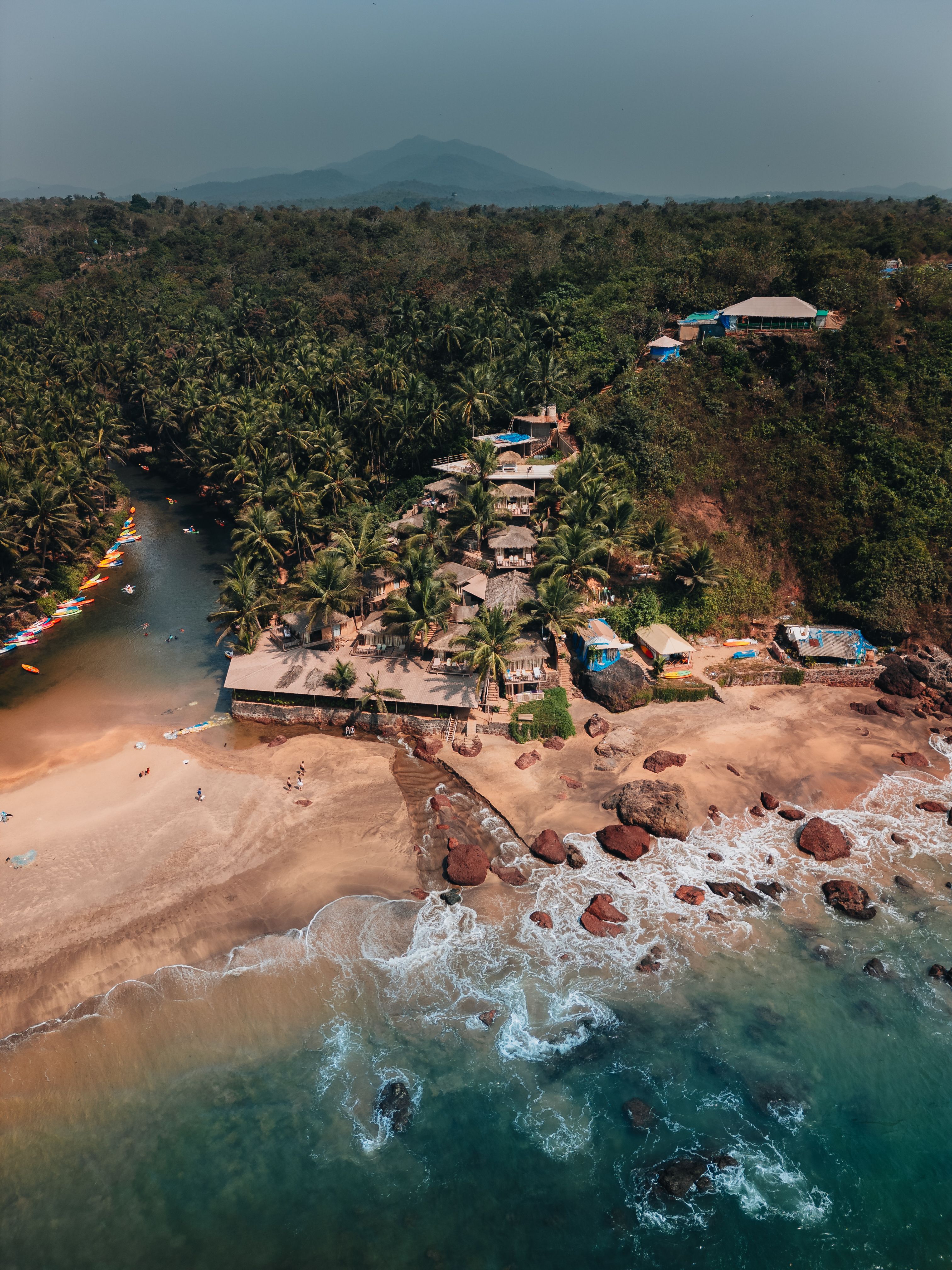
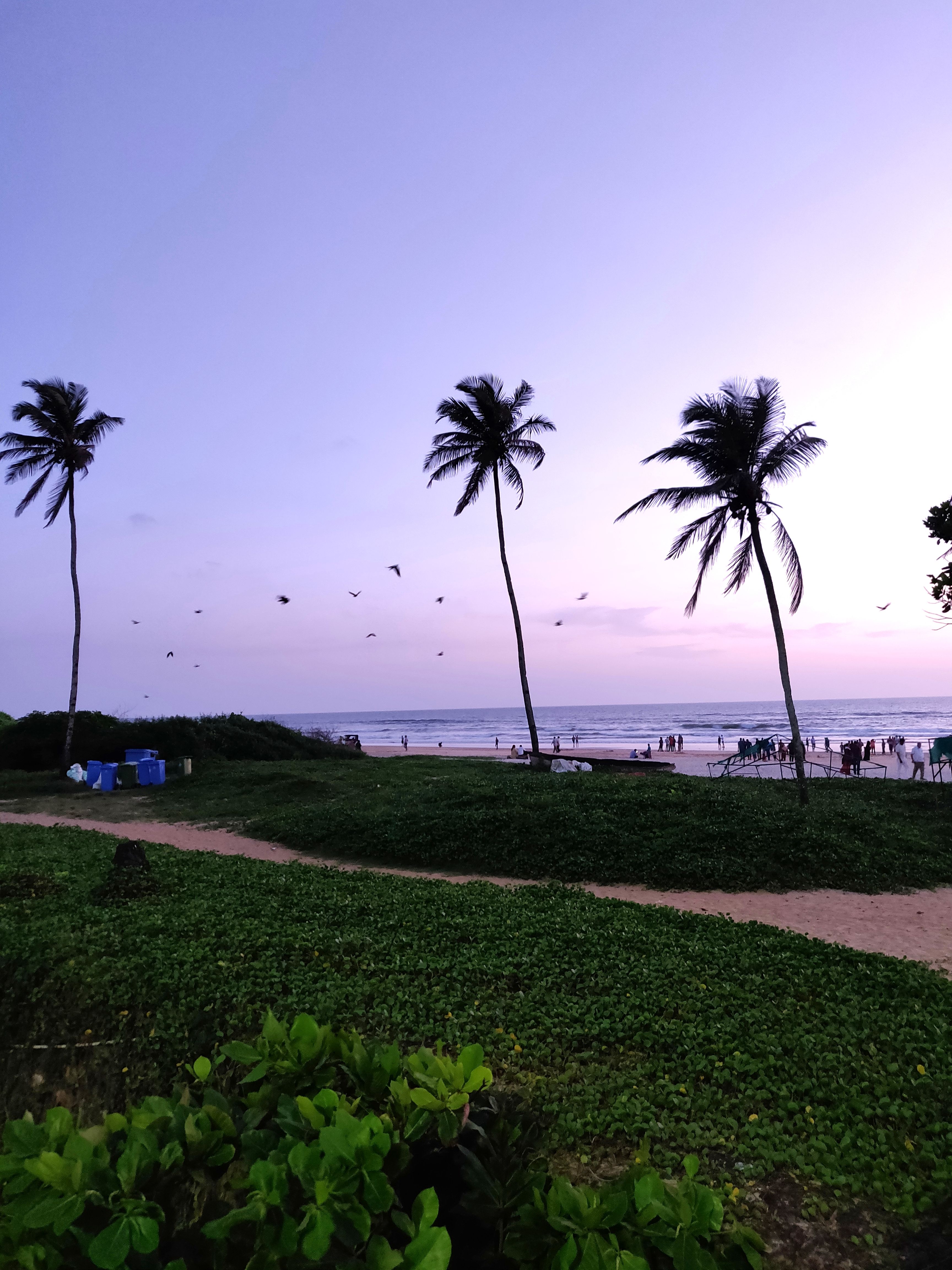
The beaches here are wide, flat and open, with a row of seasonal shacks behind the sand and sun loungers in front. The sea is usually calm enough for swimming in the morning and busier with water sports by midday. In the evening the shacks turn into restaurants and bars, the lanes around Baga fill with people, and live music drifts across the beach. It is lively, and it can be crowded and noisy in peak weeks.
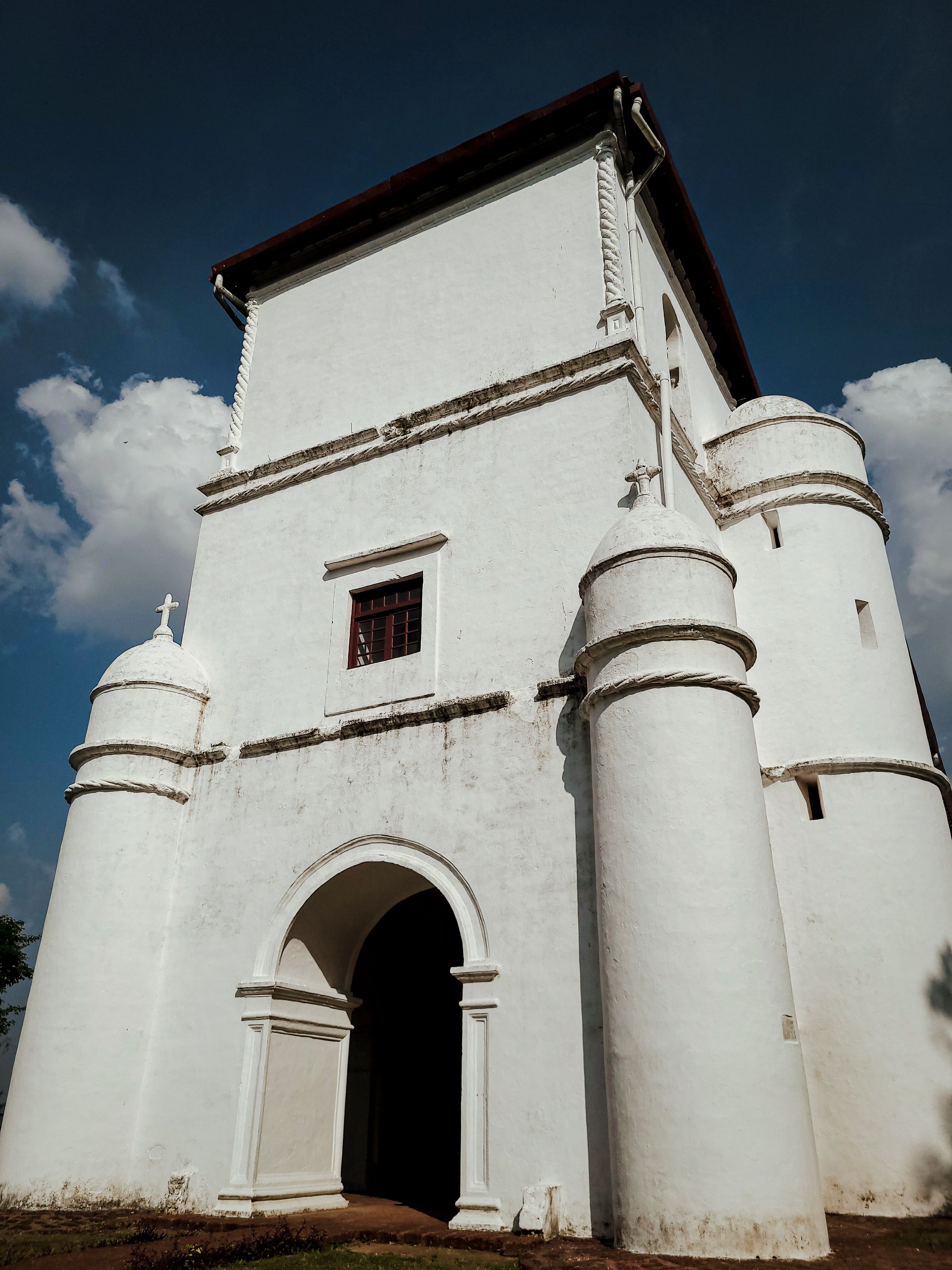
Baga Beach is the centre of water sports and nightlife, with Tito's Lane and its bars and clubs close behind. Calangute Beach is the longest and busiest stretch, backed by a market and a long strip of hotels. Candolim and Sinquerim, to the south, are calmer and popular with families and older travellers. Fort Aguada overlooks the whole belt from a headland.
What to do
- Try water sports. Parasailing, jet skiing, banana boats and bumper rides run from October to May at Baga, Calangute and Candolim. Use operators with life jackets, visible registration and a safety briefing.
- Visit Fort Aguada for the lighthouse, the views and sunset.
- Walk the beach early. Mornings are quiet, cool and the best time for a long, uncrowded walk.
- Eat at the shacks. Fish thali, prawn curry, grilled fish and cold drinks are the staples. Prices vary a lot between shacks, so check the menu before you sit.
- Go to the markets. Calangute and Mapusa (Friday) have everyday markets, and night markets operate in season in the Arpora area.
- Take a day trip. From here, Old Goa and Panaji are about 30 to 45 minutes away, and Dudhsagar is around two hours.
Where to stay
Calangute and Baga are best for first-timers and groups who want everything within walking distance. Candolim is best for families, couples and older guests who want quieter evenings and bigger resorts. Arpora and Saligao are good for villa stays and for keeping a little distance from the crowds, with a cab or scooter needed to reach the beach.
When to visit
North Goa is at its best from November to February. Shacks and water sports operate from about October to May, and the peak weeks between Christmas and the first week of January are the busiest and most expensive of the year. In the monsoon the sea is rough, shacks are dismantled and the beaches are quiet. See our best time to visit Goa guide for more.
Getting around
Taxis are the easiest way to cover the coast, though fares in Goa can feel high compared with other parts of India. Scooters are popular but accidents are common. For evenings, plan your ride back in advance, particularly in Baga and Calangute where taxis are hard to find at night. Traffic on the Candolim to Baga road can be slow in the evening.
Tips
- Beaches have lifeguards in the open season. Respect the red flags and swim between the flags.
- Keep valuables in the hotel safe and avoid leaving bags unattended on the sand.
- Hawkers and touts are common. A friendly but firm "no, thank you" works.
- Check that any club or bar looks licensed and has clear exits; fire-safety enforcement has been tightened.
- If you want quiet, consider Arambol, Morjim and Mandrem instead.
Planning a North Goa stay
North Goa is the base for our Goa beach escape and the friends' getaway. To compare options, read the Goa first-time visitor guide or share your dates and group.