Destination guide
Plan your time in Uttarakhand
On this page 20 sections
- Uttarakhand at a glance
- How the places connect
- When to go
- The Char Dham and pilgrimage travel
- Rishikesh and Haridwar
- Hill stations
- Wildlife
- The high Himalaya
- Monsoon and landslides
- A sample route, and how to read it
- Festivals and fairs
- Yoga, meditation and wellness
- Mistakes we help you avoid
- Uttarakhand for different kinds of traveller
- Food
- Where to stay
- Connectivity and money
- Safety and responsible travel
- Costs to expect
- How we plan Uttarakhand trips
Uttarakhand is where the plains of north India lift into the Himalaya. Within a day's drive of Delhi you can sit beside the Ganga at dusk, walk past pine forests in a hill station, look for tigers in a sal forest, and, with more time, climb towards some of the most sacred shrines in Hinduism. It is one of India's easiest mountain states to reach and one of its hardest to plan well, because rain, landslides and registration rules shape what is possible. This page is our working guide: how the regions fit together, when to go, what to book early and how to avoid the common mistakes.
Uttarakhand at a glance
The state has two cultural regions. Garhwal, in the west, holds Rishikesh, Haridwar, Mussoorie and the Char Dham shrines. Kumaon, in the east, holds Nainital, Almora, Ranikhet and the forests of Corbett. The Ganga and Yamuna both begin here, and the sacred town of Devprayag marks the meeting of the Alaknanda and Bhagirathi rivers, where the Ganga takes its name. Most travellers choose from a handful of places:
- Rishikesh combines yoga, riverside ashrams, cafes and river rafting.
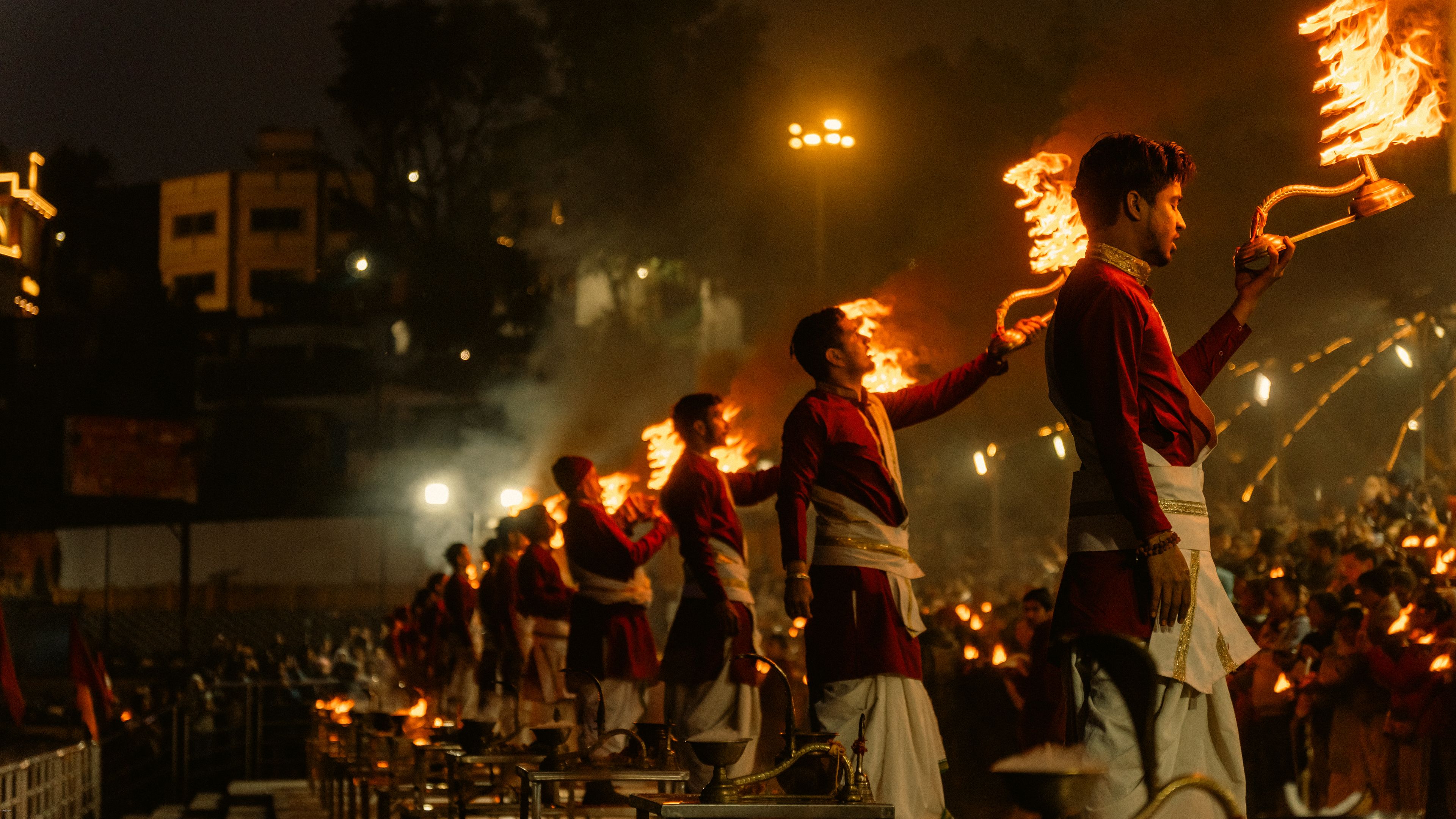
- Haridwar is a major pilgrimage town known for its evening Ganga aarti.
- Mussoorie and Landour are hill stations with mountain views, walks and old cafes.
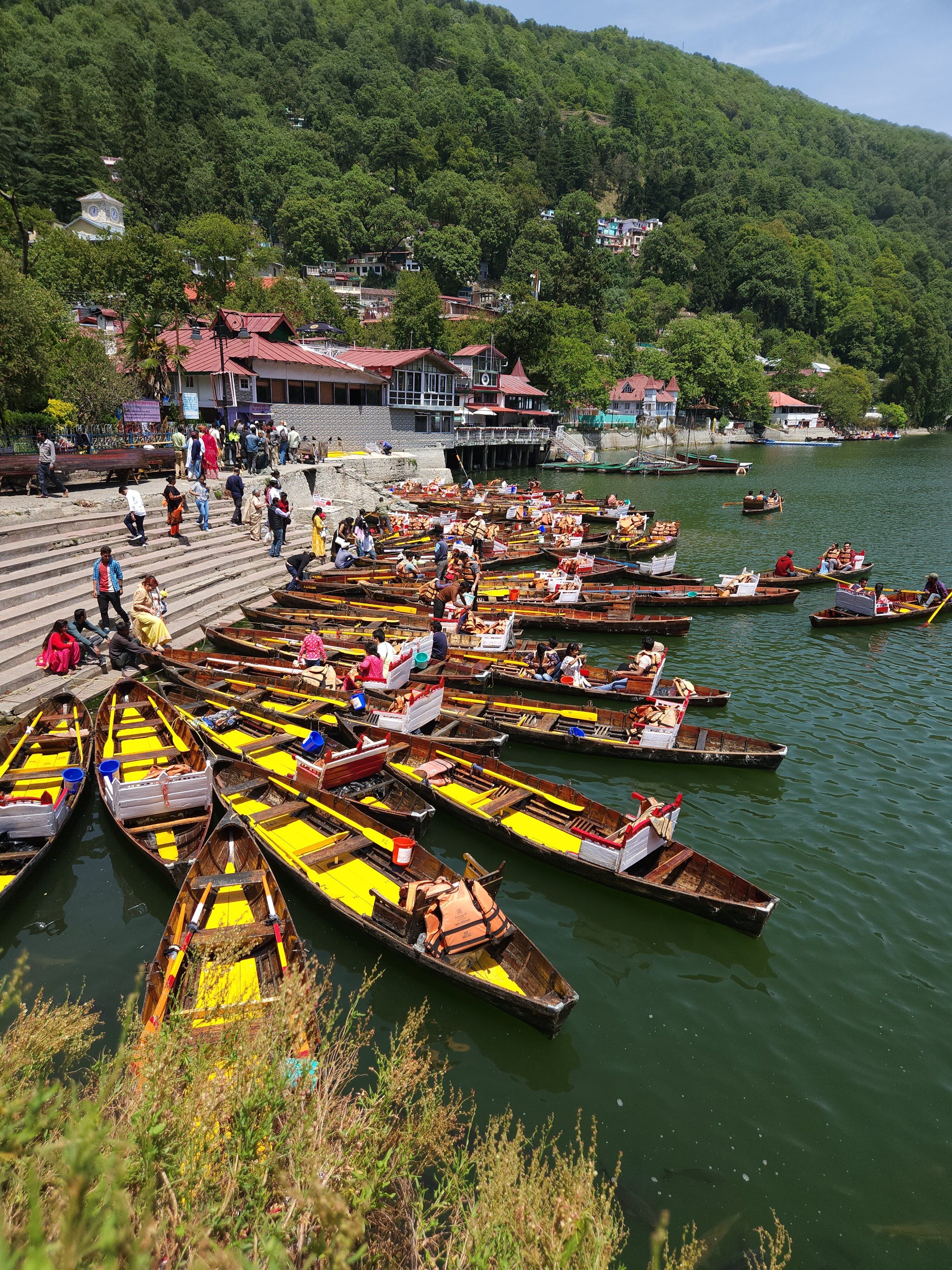
- Nainital centres on a lake ringed by hills, with easy day trips to smaller lakes.
- Jim Corbett National Park is India's oldest national park, famous for tigers and elephants.
- Kedarnath and Badrinath are high Himalayan shrines on the Char Dham circuit.
How the places connect
Distances in the hills are deceptive. These figures are approximate and assume dry roads and normal traffic.
| Route | Distance | Usual drive time |
|---|---|---|
| Delhi to Haridwar | about 215 km | 5 to 6 hours |
| Haridwar to Rishikesh | about 25 km | 45 to 60 minutes |
| Rishikesh to Mussoorie | about 90 km | 3 hours |
| Delhi to Nainital | about 300 km | 7 to 8 hours |
| Rishikesh to Corbett (Ramnagar) | about 190 km | 5 to 6 hours |
| Corbett to Nainital | about 65 km | 2 to 3 hours |
| Haridwar to Guptkashi (for Kedarnath) | about 220 km | 8 to 9 hours |
Dehradun's airport is the usual arrival point for Rishikesh, Haridwar and Mussoorie. Pantnagar and the Kathgodam railhead serve Nainital and Corbett. A typical first trip links two or three bases rather than five, and spends two nights in each.
When to go
| Season | What to expect | Best for |
|---|---|---|
| March to June | Pleasant hills, hot plains, Char Dham season begins | Hill stations, Rishikesh, Kedarnath and Badrinath |
| July to August | Heavy rain, landslides, green valleys | Valley of Flowers with flexibility; low-altitude stays |
| September to November | Clearer skies, Himalayan views, rafting restarts | Almost everything; Rishikesh, Mussoorie, Nainital |
| December to February | Cold, frost, occasional snow | Snow at Auli, Chopta and Mussoorie; Corbett safaris |
Our best time guide and weather guide go month by month.
The Char Dham and pilgrimage travel
Yamunotri, Gangotri, Kedarnath and Badrinath form the Char Dham circuit of the Garhwal Himalaya. The shrines are usually open from around late April or May until the first weeks of November, and the exact dates are announced each year around festival days. Pilgrims have been required to register on the state's portal before travelling, helicopter tickets need registration first, and the rules and slots change from season to season. We confirm them with the authorities close to your dates and help with the paperwork.
The journey is physically and logistically demanding. Roads are long and exposed to landslides, Kedarnath involves a walk of about 16 km from Gaurikund or a helicopter, and weather can delay a plan by days. Read our Kedarnath and Badrinath guide before choosing dates, and plan for spare days.
Rishikesh and Haridwar
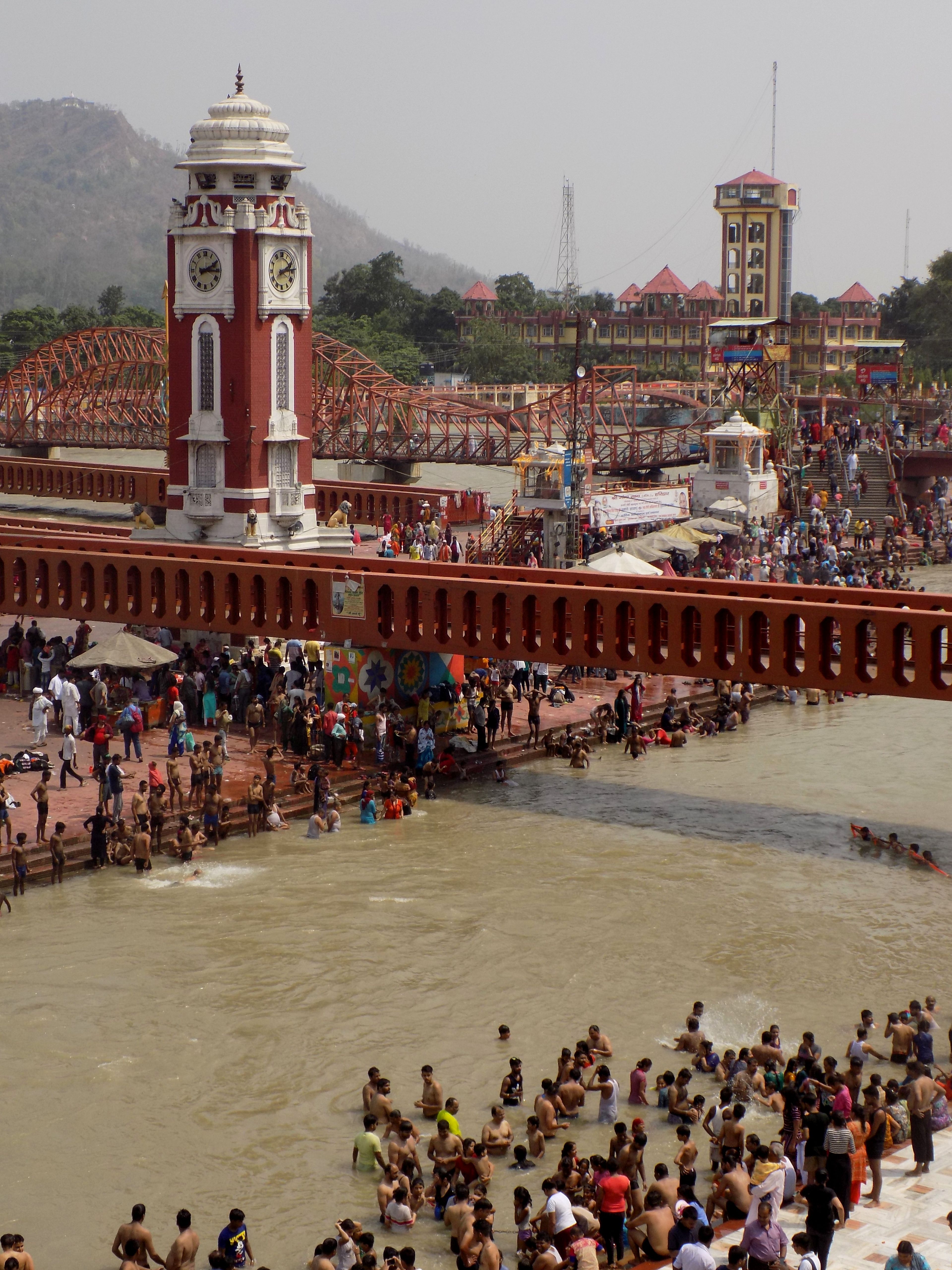
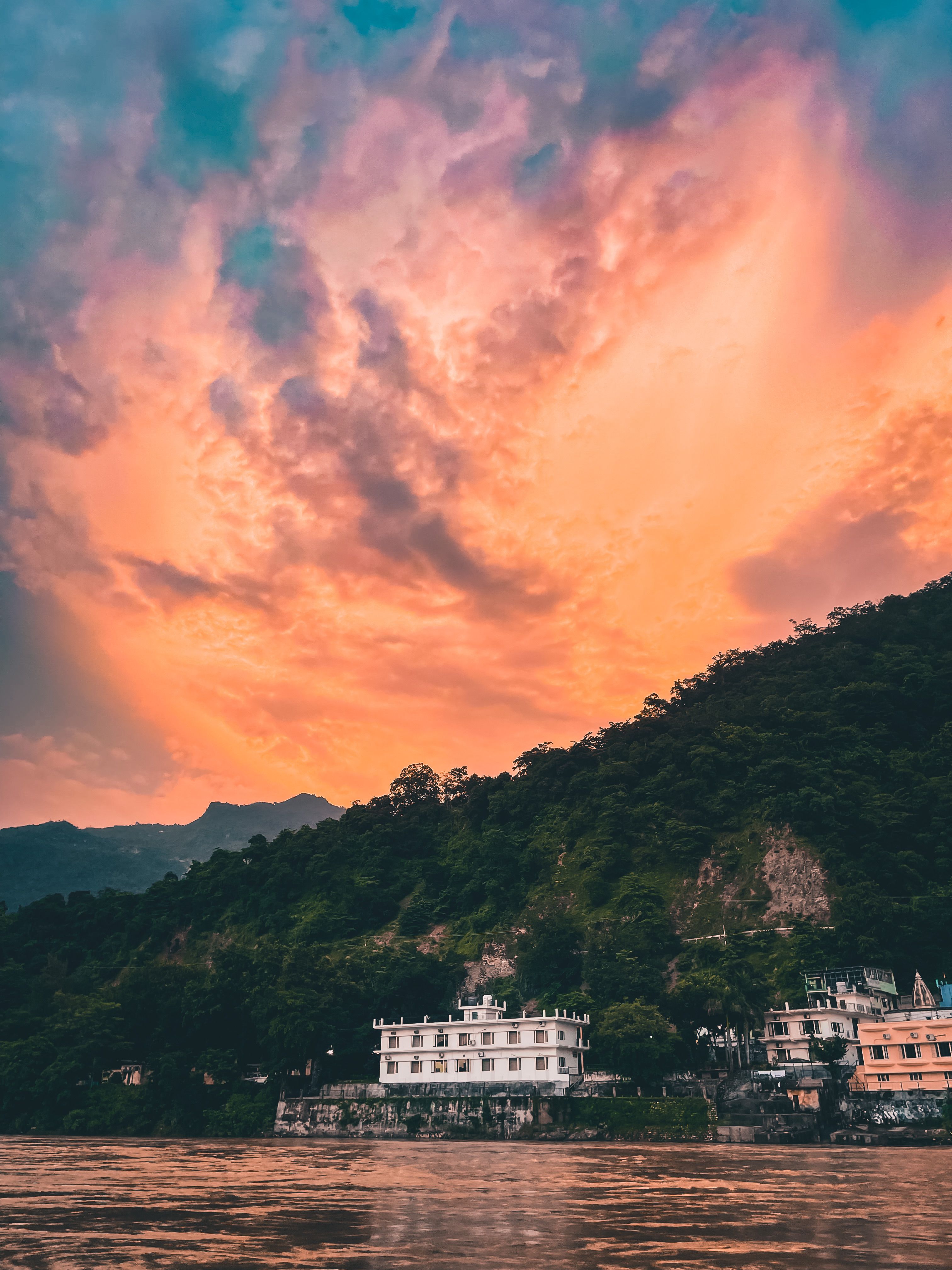
Rishikesh and Haridwar sit on the Ganga where it leaves the mountains. Haridwar's Har Ki Pauri hosts the evening aarti, lit with lamps and bells, and is one of the most visited ritual sites in India. Rishikesh, often called the yoga capital of the world, has ashrams, riverside cafes, suspension bridges and a rafting stretch that attracts thousands of visitors. Both are pilgrimage towns, so many places are vegetarian and alcohol-free. Dress modestly at temples and ghats. Rafting usually runs from about September to June and is paused during the monsoon and when the river is high.
Hill stations
Mussoorie and Nainital are old colonial hill stations, popular since the nineteenth century, and now busy with domestic visitors. Weekends and holidays bring traffic jams and crowded promenades. If you can, go midweek, stay slightly away from the main bazaar and walk in the early morning. Landour, above Mussoorie, is quieter, with old cottages and a cafe culture. Nainital's lake is the focus, with boating, Naina Devi temple and viewpoints. The smaller lakes of Bhimtal and Sattal are calmer alternatives.
Wildlife
Jim Corbett National Park was established in 1936 and is the oldest national park in India. It protects tigers, Asian elephants, deer, leopards and a rich bird population. Safaris run in zones, and each has its own rules. Dhikala, the most sought-after zone for overnight stays, has opened from mid-November and closes around mid-June, while Jhirna and some buffer areas have operated more widely. Bookings are online, rules change each season and the best zones fill early. We explain the options and never promise sightings, which no honest operator can.
The high Himalaya
Beyond the main circuit lie places for travellers with more time. Chopta and Tungnath offer meadows and forest, with the highest Shiva temple in the world, at over 3,600 metres, and the Chandrashila summit. Auli is a ski and mountain-view destination above Joshimath, though the land subsidence reported in Joshimath in 2023 means conditions should be checked before booking. The Valley of Flowers, a UNESCO site, blooms from July to August and is reached by a trek from Ghangaria. These routes depend on weather and permits, and need extra days.
Monsoon and landslides
The monsoon is the main safety issue in Uttarakhand. Heavy rain can cause landslides, flash floods and road closures, particularly on the Rishikesh to Joshimath highway and routes to Kedarnath and the Kumaon hills. If you travel in July or August, choose lower, more accessible destinations, leave early in the day, avoid night driving and keep dates flexible. Read our monsoon and safety guide for what to do and when to postpone.
A sample route, and how to read it
Most first trips follow the Ganga upstream. You begin in Haridwar for the evening aarti, spend two nights in Rishikesh by the river, and climb to Mussoorie for two nights in the hills. If you have more time, you swing east to Corbett for a safari and Nainital for the lake. Each leg is two to six hours of driving, and each base gets at least two nights. The sequence works because it saves the longest drive for when you are rested, and puts the hill stations midweek when possible. A pilgrimage to Kedarnath and Badrinath is a separate journey and needs its own week.
Festivals and fairs
Uttarakhand's calendar is full of religious festivals. Maha Shivaratri and Navratri bring crowds to temples, the Kanwar Yatra in the monsoon month of Shravan fills the roads around Haridwar and Rishikesh with pilgrims, and Diwali lights the ghats. The Kumbh Mela at Haridwar happens every twelve years, with a half-gathering in between. Dates follow the lunar calendar and change each year. If you want to attend a festival, tell us early, and if you want to avoid the crowds, tell us that too, because hotels and roads are under heavy pressure on those days.
Yoga, meditation and wellness
Rishikesh draws people for yoga, meditation and Ayurveda. Options range from a drop-in morning class to a month-long teacher training course. Quality varies, so look at the teacher's lineage, the daily schedule, the group size and the refund terms before paying. Many ashrams ask guests to follow simple rules about food, alcohol, dress and silence. If you are not sure what suits you, start with a short stay and a few classes, then decide whether a longer retreat is right for you.
Mistakes we help you avoid
- Packing five bases into four days.
- Travelling to hill stations on Friday evening and leaving on Sunday evening.
- Underestimating how slow hill roads are in the rains.
- Booking helicopters or Char Dham registration through unofficial agents.
- Expecting snow, a tiger or rafting on a guaranteed date.
- Forgetting rain gear and warm layers.
Uttarakhand for different kinds of traveller
Families enjoy Mussoorie, Nainital and Corbett, with shorter drives and a slower pace. Couples often choose a mix of hill station and riverside retreat. Friends love rafting, camping and trekking. Spiritual travellers will find Haridwar, Rishikesh and the Char Dham shrines deeply meaningful. Senior travellers may prefer Haridwar, Rishikesh and the lower hill stations, and should consult a doctor before any high-altitude pilgrimage. Wildlife lovers should pair Corbett with a quiet stay in Kumaon.
Food
Garhwali and Kumaoni food is simple, hearty and rooted in the hills: aloo ke gutke (spiced potatoes), bhatt ki churkani (black soybean curry), kafuli (a green leaf gravy), chainsoo (lentil dish), jhangora kheer (barnyard millet pudding) and singori, a sweet wrapped in a leaf, from Almora. Rishikesh has a lively cafe scene with vegetarian and vegan food. Our Uttarakhand food guide covers what to order.
Where to stay
Rishikesh offers ashrams, riverside resorts, camps and hostels. Mussoorie and Nainital have heritage hotels, family hotels and cottages. Corbett has resorts around Ramnagar and in the buffer zones. Kedarnath and Badrinath have basic guesthouses and tents, with limited availability. Book early for weekends, the Char Dham season and the winter holidays.
Connectivity and money
Mobile coverage is generally good in towns but patchy on the Kedarnath trek, in parts of Corbett and in some valleys. ATMs are plentiful in the plains and hill stations, but rare at the high shrines, so carry cash. Download maps and tickets in advance.
Safety and responsible travel
Mountain roads, rafting and high-altitude shrines each carry their own risks. Use licensed operators, wear life jackets, follow instructions and avoid alcohol before water sports or treks. On pilgrim routes, be considerate to the mules and ponies that carry people, and report any cruelty. Avoid plastic, particularly near the Ganga, and use bins. Respect temples, dress modestly and ask before photographing rituals.
Costs to expect
Costs depend on the season, the hotel category, the routes and activities. Hill stations are most expensive on weekends and holidays, and the Char Dham season brings high demand. Helicopters, rafting, safaris and entry tickets are usually paid separately. See our Uttarakhand trip cost guide for how a quote is built.
How we plan Uttarakhand trips
We start with a conversation about who is travelling, when and what you want from the trip. Then we propose a route with realistic drive times, name the stays and vehicles, and write down what is included and what you pay locally. For pilgrimages, rafting and safaris, we confirm the current rules before quoting. You review the plan, change what you like and confirm only when it works. There is no fee to start. Browse our Uttarakhand tour packages, read the first-time visitor guide, or share your dates and group and we will draft a plan.