Short answer
The main risks in Uttarakhand are monsoon landslides and floods, river accidents, altitude at the high shrines and mountain road conditions. Travel early in the day, follow weather alerts, use licensed operators, never swim in strong currents, acclimatise gradually and postpone if authorities advise it.
On this page 15 sections
- The monsoon and landslides
- River and rafting safety
- Altitude and the high shrines
- Mountain road safety
- Wildlife safety
- Scams and unofficial services
- Camping, bonfires and forest rules
- Staying informed
- Safety for solo and women travellers
- Health and medicines
- Emergency numbers and help
- Preparing before you leave
- Travel insurance
- Respect the place
- Plan with us
Uttarakhand is a beautiful and generally welcoming state, but it is also a mountain state with real hazards. Each year, landslides, floods, river accidents and weather problems affect travellers. Most of the risk can be reduced by planning, timing and humility. This guide explains the main risks and what to do about them.
The monsoon and landslides
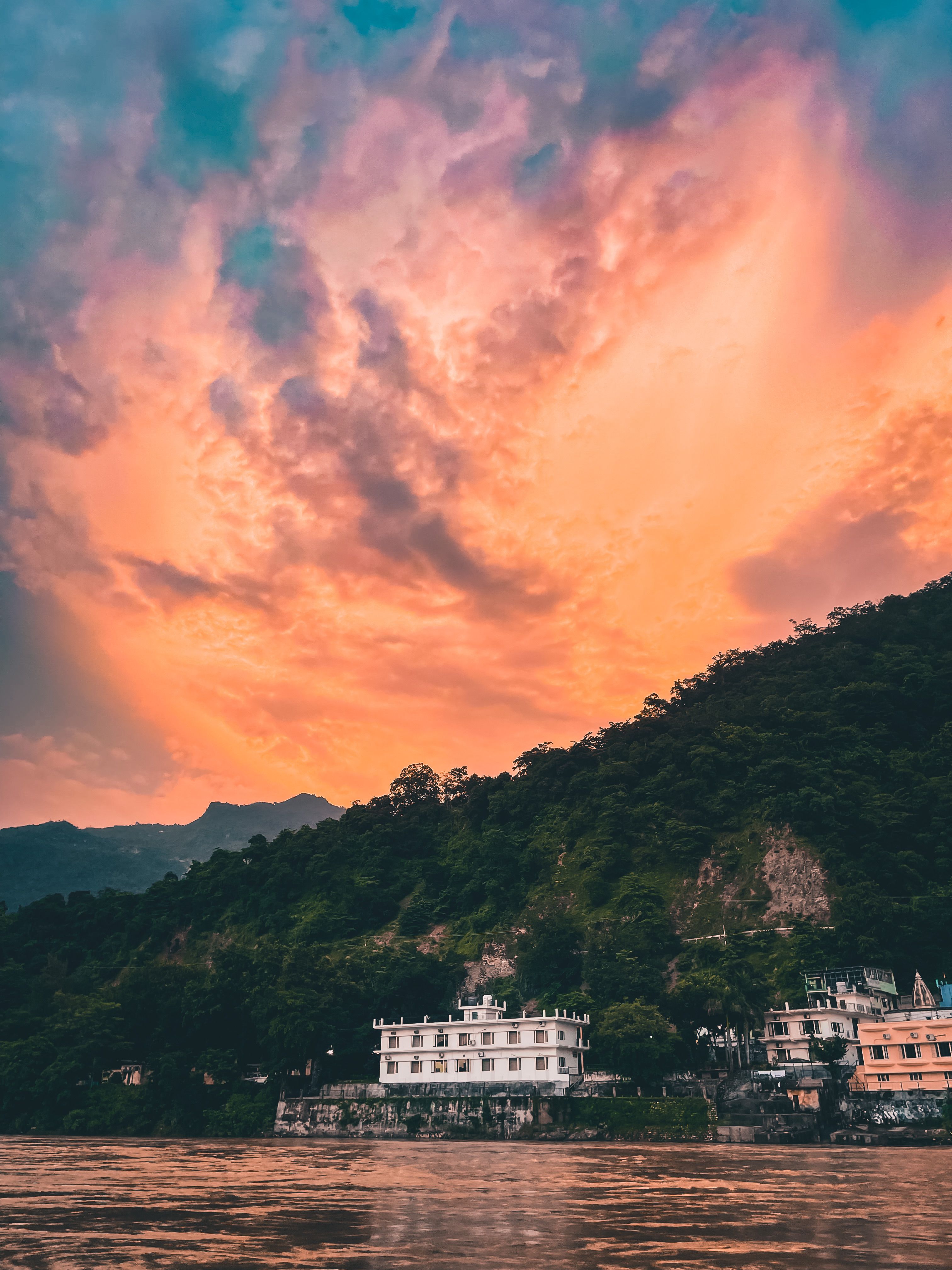
The monsoon, from roughly late June to mid-September, is the main danger period. Heavy and prolonged rain loosens slopes, and roads can be blocked or washed away. Cloudbursts can send sudden floods down valleys. Some years have been severe, with large losses of life and long closures of pilgrim routes.
If you must travel in the monsoon:
- Stay in lower, more accessible places such as Rishikesh, Dehradun or Haridwar.
- Leave early in the day, because rain often builds in the afternoon.
- Avoid night driving.
- Keep a flexible schedule and a spare day.
- Check forecasts and district alerts, and follow instructions from the authorities.
- Do not drive through flooded roads or cross swollen streams.
- Do not stop below steep slopes, on bends or near rivers during heavy rain.
When to postpone: if the India Meteorological Department or district authorities issue an orange or red alert for your route, or if the road you need is blocked, delay your journey. A day's patience is better than a risky drive.
River and rafting safety
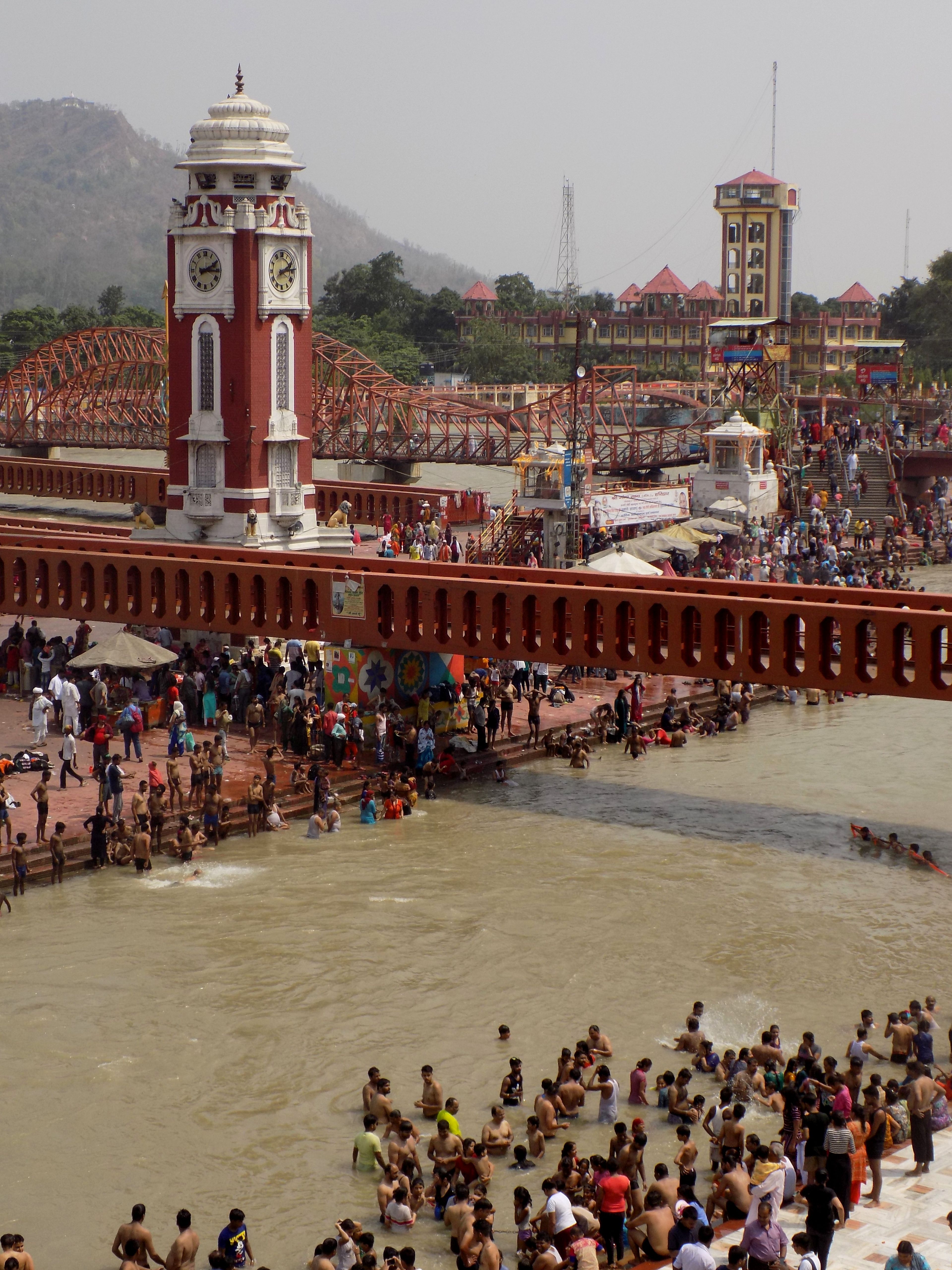
Rivers in Uttarakhand are cold, fast and powerful, particularly after rain. Many drownings occur among people who enter water casually.
- Swim only in designated, shallow areas.
- Never swim after drinking alcohol.
- Do not enter water when the flow is high, brown or rising.
- Use licensed rafting operators, with life jackets, helmets and trained guides.
- Do not raft in the monsoon or against official advice.
- Avoid riverside camping during rain, since water can rise quickly.
- Keep children close to the edge only when supervised.
Altitude and the high shrines
Kedarnath is above 3,500 metres, and Badrinath above 3,000. Altitude can affect anyone, including fit people. Symptoms include headache, nausea, dizziness and breathlessness. Walk slowly, drink water, avoid alcohol and descend if symptoms worsen. People with heart, lung or blood-pressure conditions, older pilgrims and young children should consult a doctor. Do not ignore chest pain, confusion or severe breathlessness. In an emergency, seek medical help.
Mountain road safety
Hill roads are narrow, with steep drops. Use experienced drivers, avoid speed and overtaking, and take regular breaks. Keep windows up if you are prone to carsickness, and take motion-sickness tablets in advance. Seat belts matter. If you hire a vehicle yourself, check tyres, brakes and documents.
Wildlife safety
At Corbett and other forest areas, follow the forest department's rules. Stay in the vehicle on safari. Do not walk in forests unaccompanied. Elephants and leopards can enter resort areas at night, so follow your resort's instructions. Monkeys in Rishikesh, Haridwar and Mussoorie snatch food and phones; do not feed them or carry food openly.
Scams and unofficial services
- Helicopter tickets: book only on the official portal. Fake websites and agents operate in the season.
- Registration: use the official government portal. Beware of agents who charge heavily for free services.
- Ritual touts: at ghats, politely refuse people who insist on paid rituals.
- Taxis: agree on the fare or use prepaid counters. Be wary of drivers who change the plan.
Camping, bonfires and forest rules
River camps near Rishikesh and forest stays near Corbett have rules about noise, lights, fires and waste. Follow them. Do not camp on riverbanks during the rains, and avoid leaving food outside tents, which attracts animals. Bonfires should be small and attended. In forest areas, never walk alone at night.
Staying informed
Before long journeys, check the weather forecast, the district alerts and road status from the police or local authorities. Ask your hotel or driver about local conditions. Keep your phone charged, and carry a power bank. If something changes, we update your plan.
Safety for solo and women travellers
Rishikesh, Mussoorie and Haridwar are popular with solo travellers. Take normal precautions: choose well-reviewed stays, avoid isolated places at night, share your location and use trusted transport. Remote mountain roads are riskier than towns. We can arrange vetted stays and drivers.
Health and medicines
Carry basic medicines: painkillers, anti-nausea tablets, rehydration salts, antacids, antihistamines, bandages and any prescriptions. Pharmacies are available in towns but not on remote routes. Carry a rain jacket and warm layers. Drink safe water, and be careful with street food in the monsoon.
Emergency numbers and help
The national emergency number is 112. The ambulance number is 108 in many areas. Save your hotel's number, your driver's number and local police contacts. The state disaster response force and police assist during landslides and floods. In remote areas where mobile coverage fails, tell your driver or guide about any problem early.
Preparing before you leave
Before you travel, check weather forecasts, confirm your hotel and driver, download offline maps and tickets, and tell someone at home your plan. Carry copies of your ID, your insurance details and any registration papers. Pack a basic first-aid kit and keep it handy. A few minutes of preparation reduces most of the risks.
Travel insurance
Buy insurance that covers medical care, trip cancellation and evacuation, including for treks and high-altitude shrines. Read the terms, because some policies exclude certain activities or heights.
Respect the place
Do not litter, particularly near the Ganga and in forests. Avoid plastic. Treat ponies and porters kindly. Dress modestly at temples. Support local businesses.
Plan with us
Our plans include buffer days and flexible options. See the first-time visitor guide, or send us your dates and any health notes and we will plan around them.
Practical tips
- Check weather and road alerts before every long journey in July, August and early September.
- Postpone or reroute if heavy rain or an orange or red alert is forecast for your area.
- Never swim or raft in high or fast water, and avoid camping on riverbanks in the rains.
- Book helicopters and registrations only on official portals.
- Save emergency numbers and share your itinerary with someone at home.