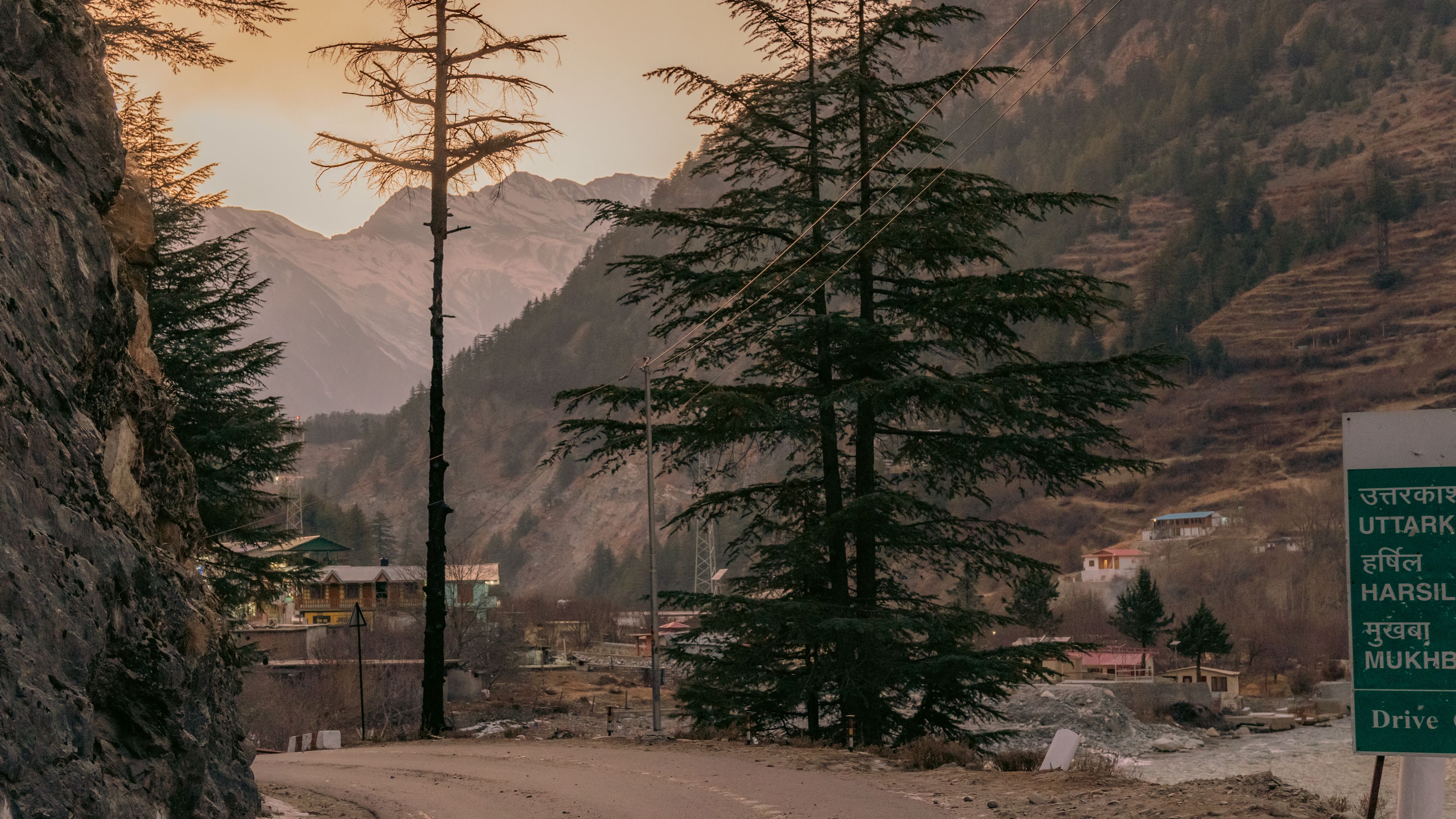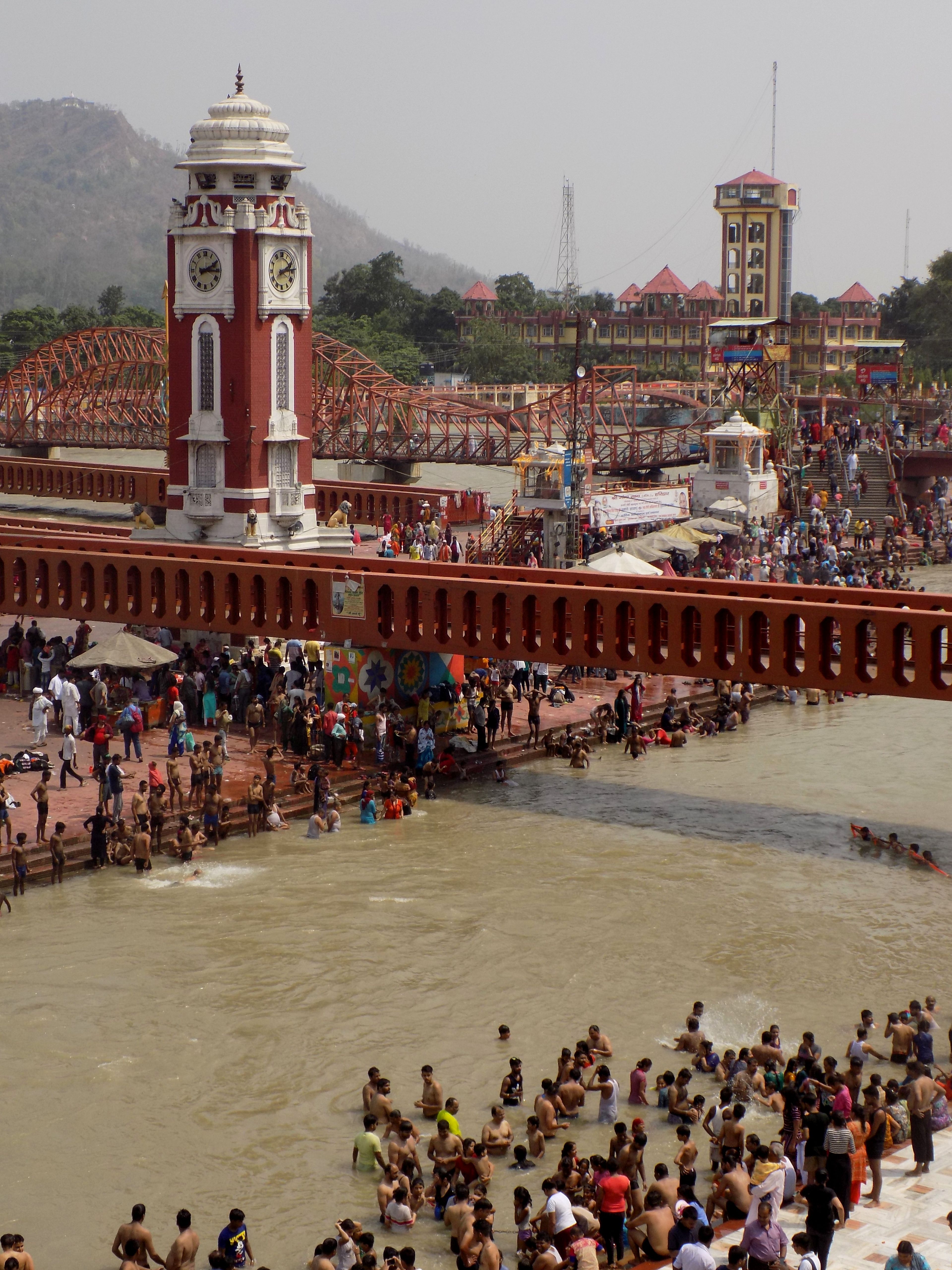
Short answer
March to June and September to November are the best times to visit Uttarakhand for most trips, with pleasant weather, open roads and the Char Dham and rafting seasons. July and August bring heavy rain and landslide risk. December to February is cold, with snow in the higher hills and the best conditions at Corbett.
On this page 11 sections
Uttarakhand has four distinct seasons, and each one changes what the state is good for. The hills cool the summer, the rain fills the rivers, the autumn clears the sky and the winter brings snow to the heights. This guide explains each period, so you can match your dates to your plan.
Spring and early summer: March to June
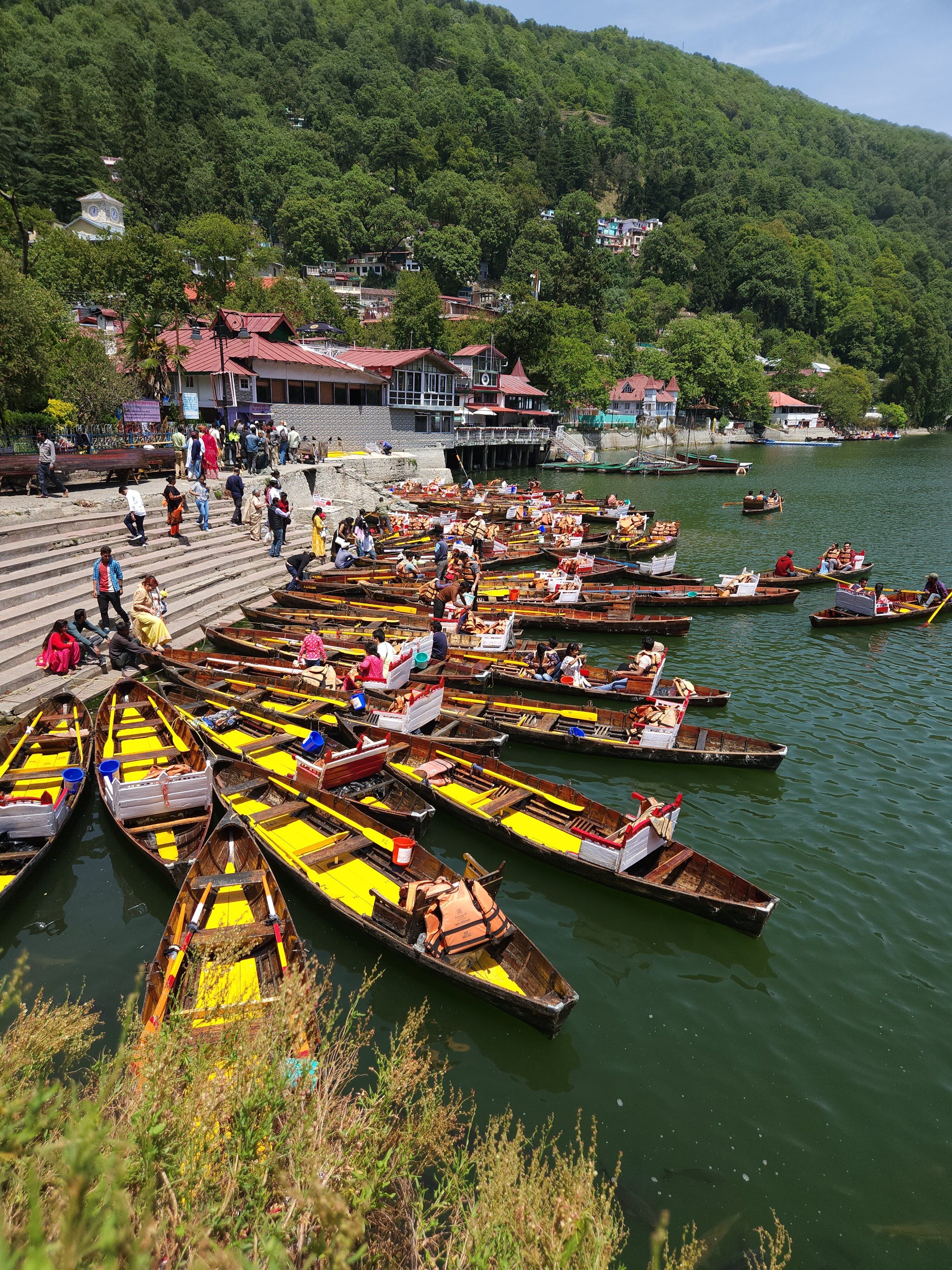
This is the most popular period. Days in the hills are pleasant, with clear air, flowering rhododendrons at higher elevations and long daylight hours. The plains and the river valleys get hot by May. Mussoorie and Nainital are cool, but also crowded, particularly on weekends and in the school holidays of May and June. The Char Dham shrines open in late April or May, and the months that follow are the busiest of the pilgrimage year. Rafting continues in Rishikesh until about June, when the river rises with snowmelt and the monsoon approaches.
Good for: hill stations, Rishikesh, Char Dham, Chopta and Tungnath in spring. Watch for: crowds, traffic jams, high hotel rates in May and June, and heat in Haridwar and Corbett.
The monsoon: July and August
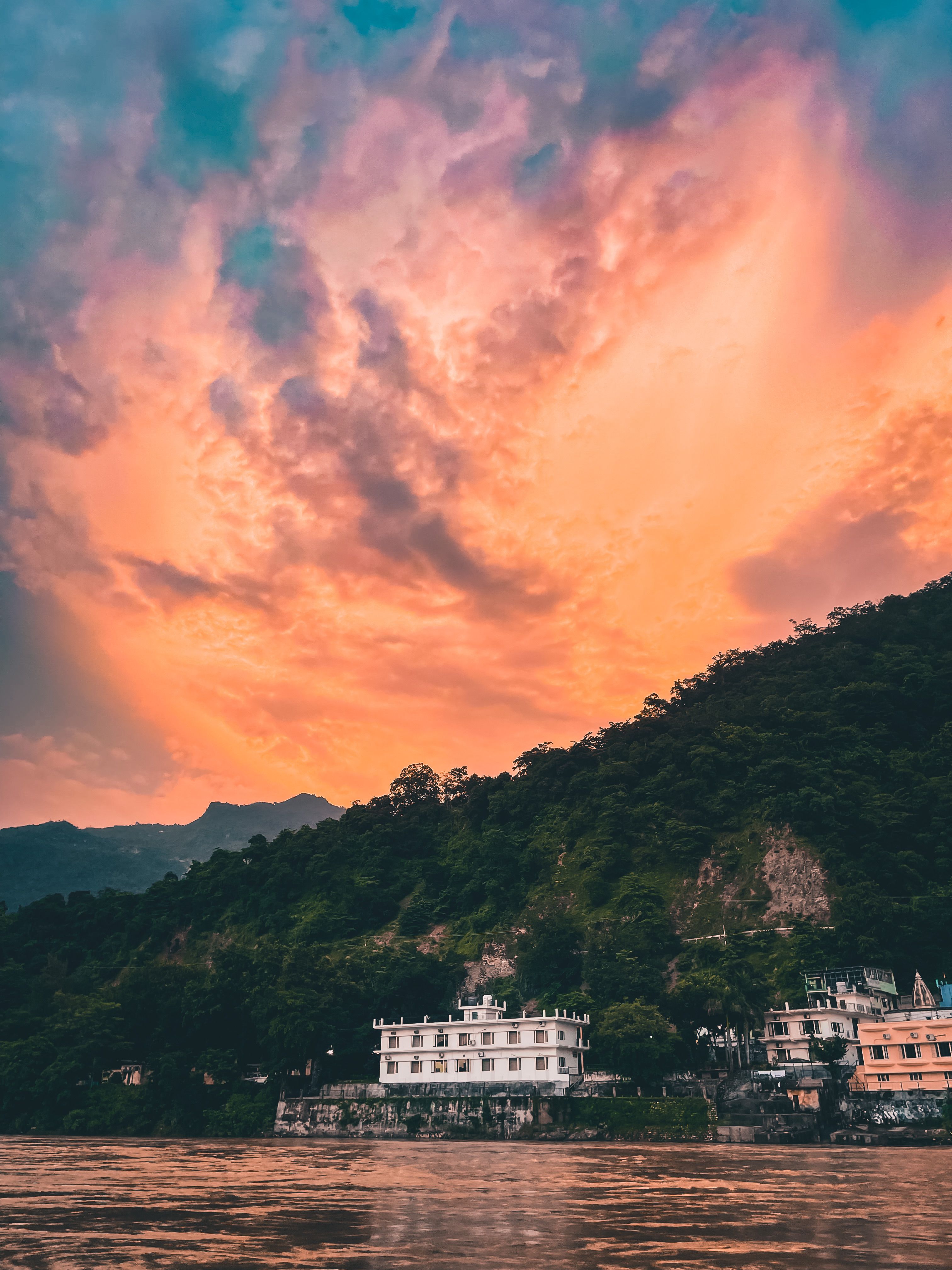
Heavy rain defines these months. Hills turn green, waterfalls fill and the Valley of Flowers blooms. But roads suffer: landslides, flash floods and road closures are frequent, particularly on the Rishikesh to Joshimath highway and routes to Kedarnath, Badrinath and the Kumaon hills. Rafting in Rishikesh is paused. Many travellers are stranded in bad spells. Corbett's core zones close.
Good for: the Valley of Flowers, lush scenery, lower prices, quiet hill stations on weekdays. Watch for: landslides, delays, cancellations and safety risk. If you must travel, stay lower, leave early, avoid night driving and follow district alerts.
Autumn: September to November
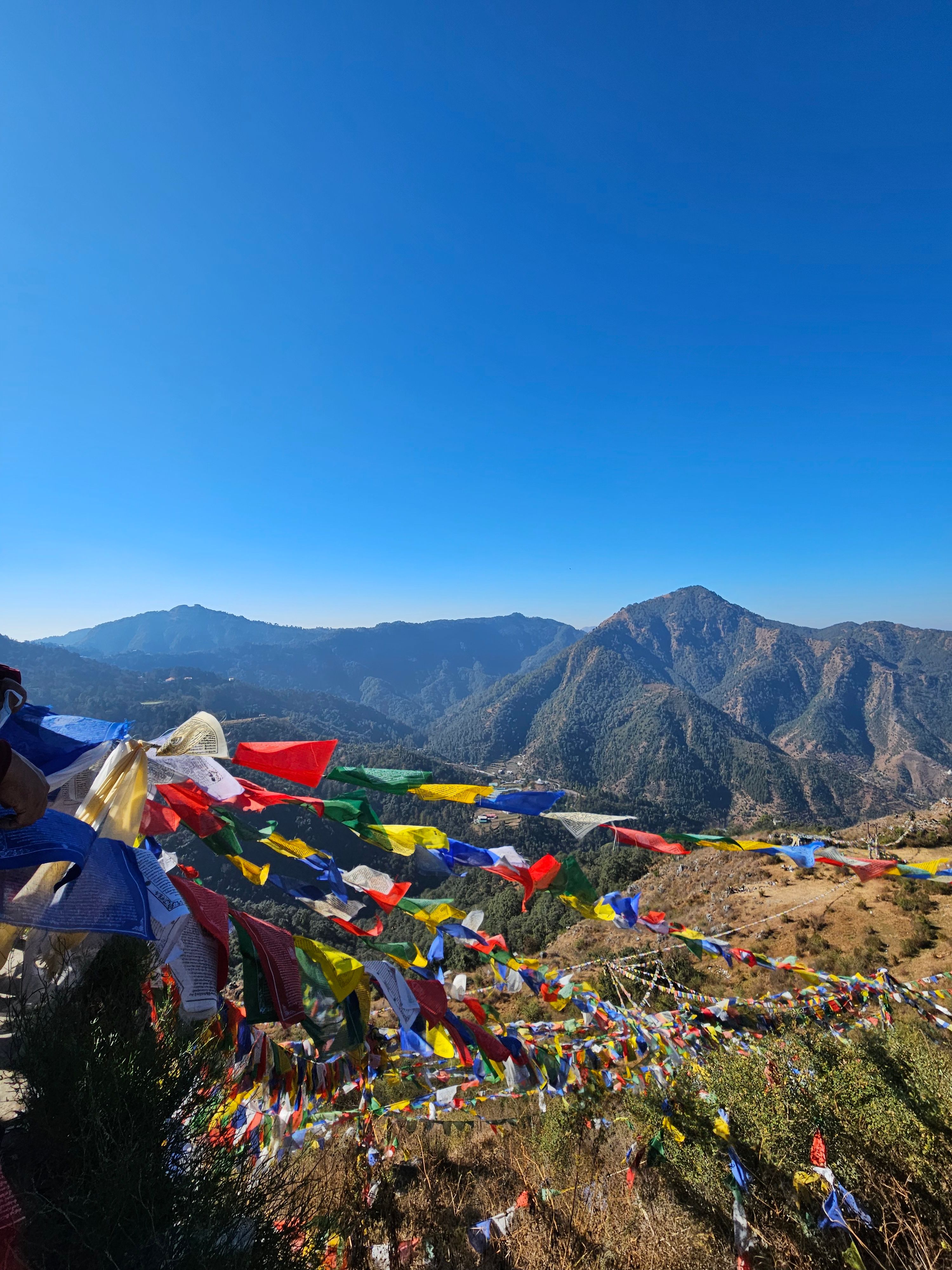
Many regulars consider this the best time. The rains retreat in September, the sky clears and the Himalayan peaks become sharply visible. Temperatures are comfortable, rafting reopens once the river settles, and the hills are green and fresh. October and November are especially clear. The Char Dham shrines stay open until about early November. Early autumn can still bring heavy showers, so keep an eye on the forecast.
Good for: nearly everything, including the Char Dham, rafting, Mussoorie, Nainital and Rishikesh. Watch for: festival crowds in October and November, and Diwali traffic.
Winter: December to February
Winters are cold in the hills, with frost, fog and occasional snow. Mussoorie, Nainital, Dhanaulti, Chopta and Auli can see snowfall, usually between December and February, though it varies year to year and cannot be promised. Roads to higher places can be icy or closed. Corbett is at its best, with clear mornings, active wildlife and comfortable days, although nights and early safaris are cold. The Char Dham shrines are closed, and their deities move to winter seats. The year-end holidays bring crowds to hill stations.
Good for: snow, Corbett safaris, quiet Rishikesh and Haridwar, and spiritual retreats. Watch for: cold, fog delays on the plains, icy roads and closures.
A month-by-month snapshot
| Month | What to expect |
|---|---|
| January | Cold, snow possible in the hills, good for Corbett |
| February | Cold to cool, late snow possible, clear days |
| March | Warming, flowers in bloom, rafting continues |
| April | Pleasant hills, Char Dham about to open |
| May | Peak season, hot plains, crowded hill stations |
| June | Hot plains, rafting ends, monsoon approaches |
| July | Heavy rain, landslide risk, Valley of Flowers |
| August | Heavy rain, closures possible |
| September | Rain eases, skies clear, rafting restarts |
| October | Clear and bright, festival crowds |
| November | Cool, Char Dham closes, Corbett opens |
| December | Cold, winter holidays, snow possible |
Matching season to plan
If you want rafting and a calm Rishikesh, choose October to April. If you want hill stations without crowds, choose March, April, September or October on weekdays. If you want snow, choose January or early February and be flexible. If you want a wildlife safari, choose December to April. If you want Kedarnath and Badrinath, choose May, June, September or October, and check the registration rules.
Festivals and events
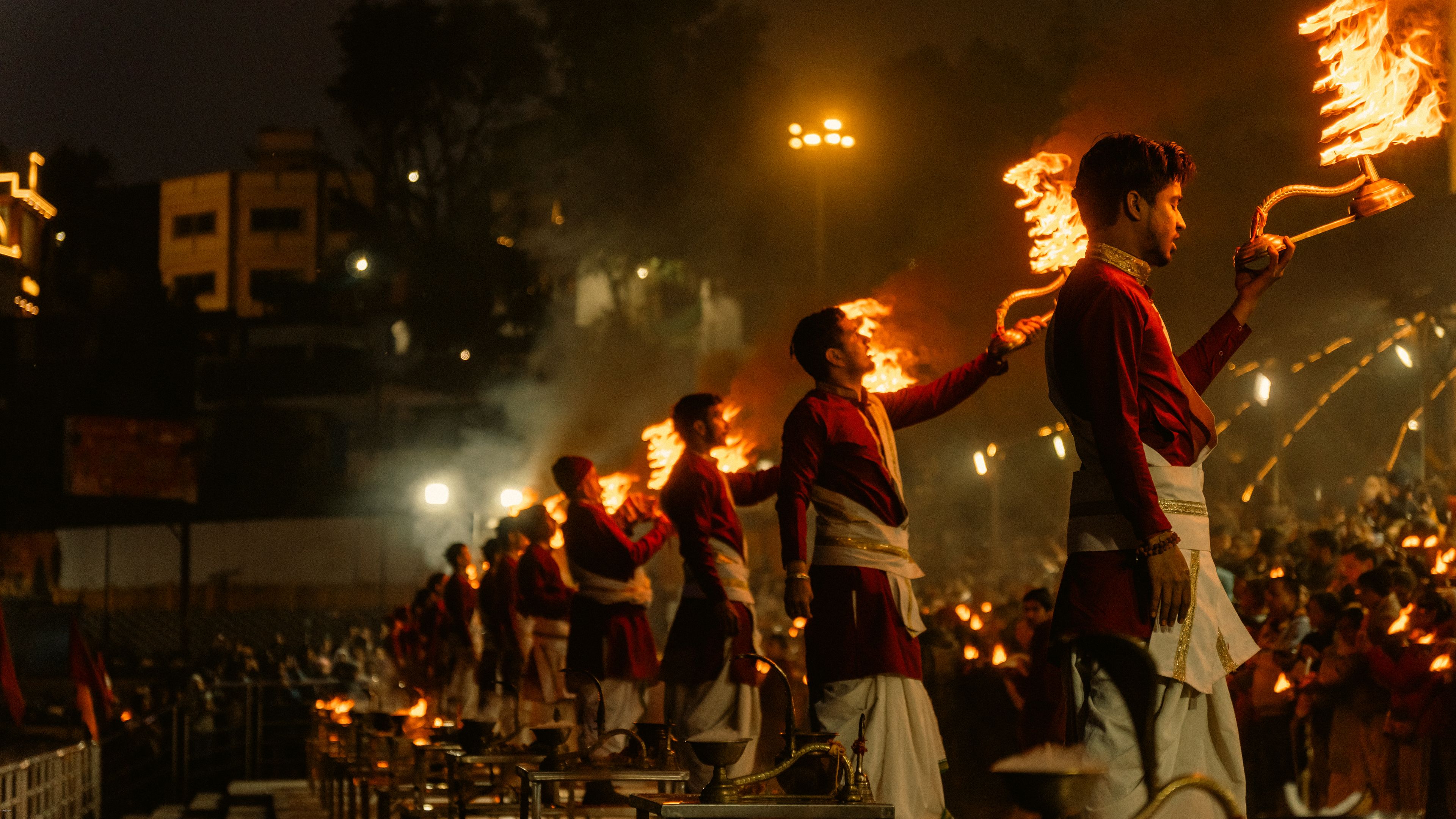
Important dates include Maha Shivaratri, Navratri, the Kanwar Yatra in the month of Shravan (July to August), Diwali and Ganga Dussehra. The Haridwar Kumbh occurs every twelve years, with a half-gathering in between. During these periods, accommodation and roads are under heavy pressure. Check the dates before booking.
Shoulder weeks worth knowing
The first half of September can still bring heavy showers, while the second half is often clear and calm. Late March is a good compromise between winter cold and summer crowds, with flowers in the lower hills. Early November has crisp air, clear views and fewer people once the festival weeks have passed, though the nights are cold. Late June is a risky time to travel, since the monsoon can arrive suddenly and trap plans in the hills.
Booking tips by season
In May, June and December, book hotels in Mussoorie and Nainital at least two or three months ahead, and ask for midweek dates. For Corbett, safari slots are released in advance and the best zones sell out quickly. For the Char Dham, registration and helicopter tickets must be arranged before you travel. In the monsoon and the quieter winter weeks, you can book closer to the date, but keep your plans flexible.
Honest trade-offs
The most pleasant months are also the busiest, and the quietest months carry weather risk. No month is perfect, so choose on the basis of what matters to you. A flexible plan with a spare day is worth more than a perfect date.
Plan with us
Read the weather guide for temperatures and the monsoon and safety guide before you go. Then send us your dates for a tailored plan, or explore our Uttarakhand tour packages.
Practical tips
- Book hill-station hotels well ahead for May, June and the year-end holidays, and try to stay midweek.
- In July and August, choose lower destinations such as Rishikesh and Dehradun, and keep dates flexible.
- For the Char Dham, check the opening dates and registration rules before fixing flights or trains.
- For Corbett, plan between mid-November and mid-June, and book safaris as soon as your dates are fixed.
- Always keep a spare day when your plan includes mountain roads.