On this page 10 sections
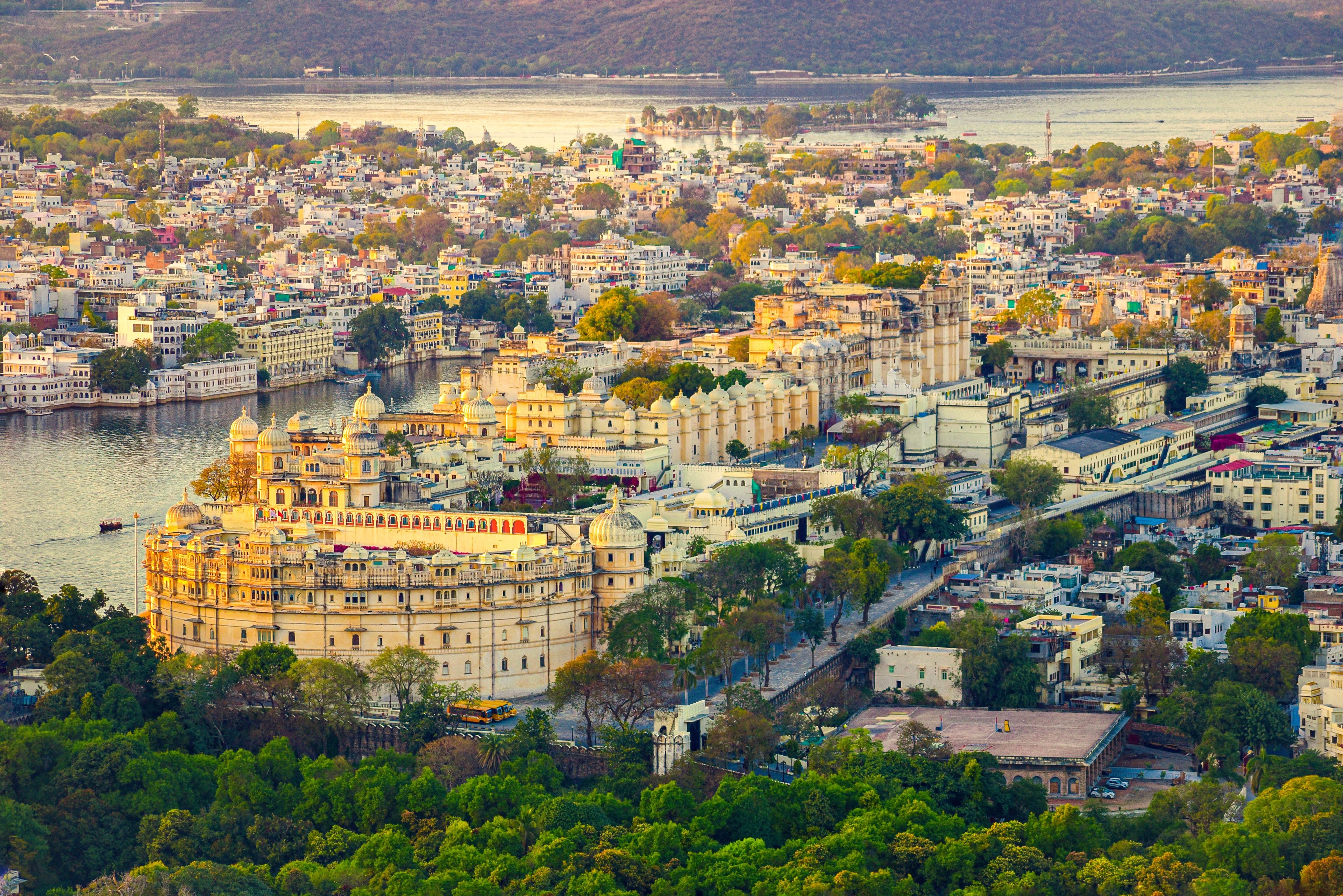
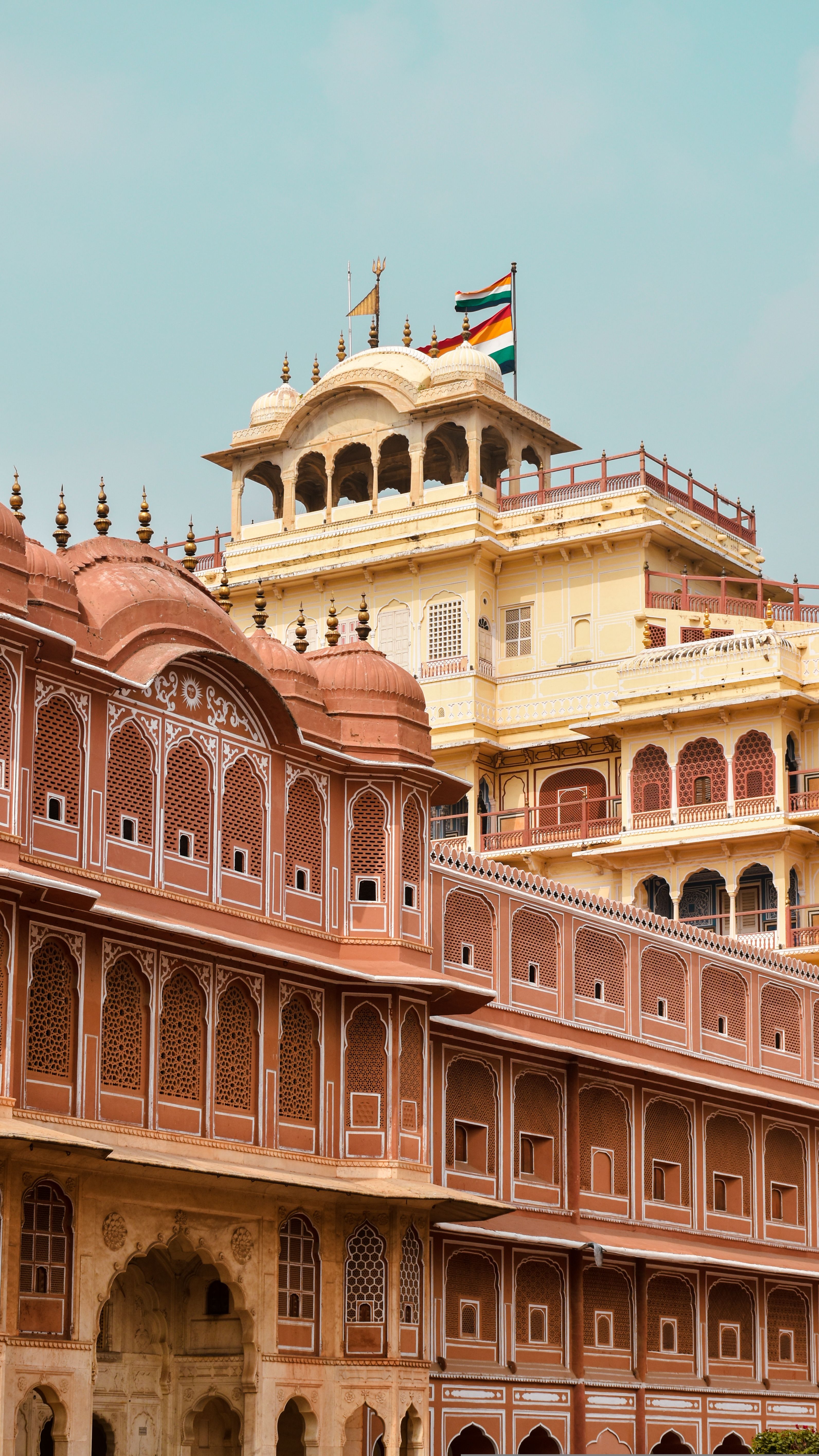
Jaipur is the gateway to Rajasthan for most visitors, and it earns the role. Founded in 1727 by Maharaja Sawai Jai Singh II as a planned city on a grid, it was painted pink in 1876 to welcome the visiting Prince of Wales, and the walled city has kept the colour ever since. It is loud, busy and sometimes tiring, but it also holds some of India's finest forts, palaces and craft traditions, and it is only about five hours from Delhi.
Why Jaipur works as a first stop
Jaipur combines grand sights with everyday life. Within a few kilometres you can see an astronomical observatory, a royal palace that is still partly a home, a hilltop fort with a mirrored hall and a bazaar where artisans have sold jewellery, textiles and shoes for generations. UNESCO has recognised three of its landmarks: Jantar Mantar, the walled city and the hill fort of Amer. It is also a practical base, with an international airport, frequent trains and a good range of hotels.
What to see
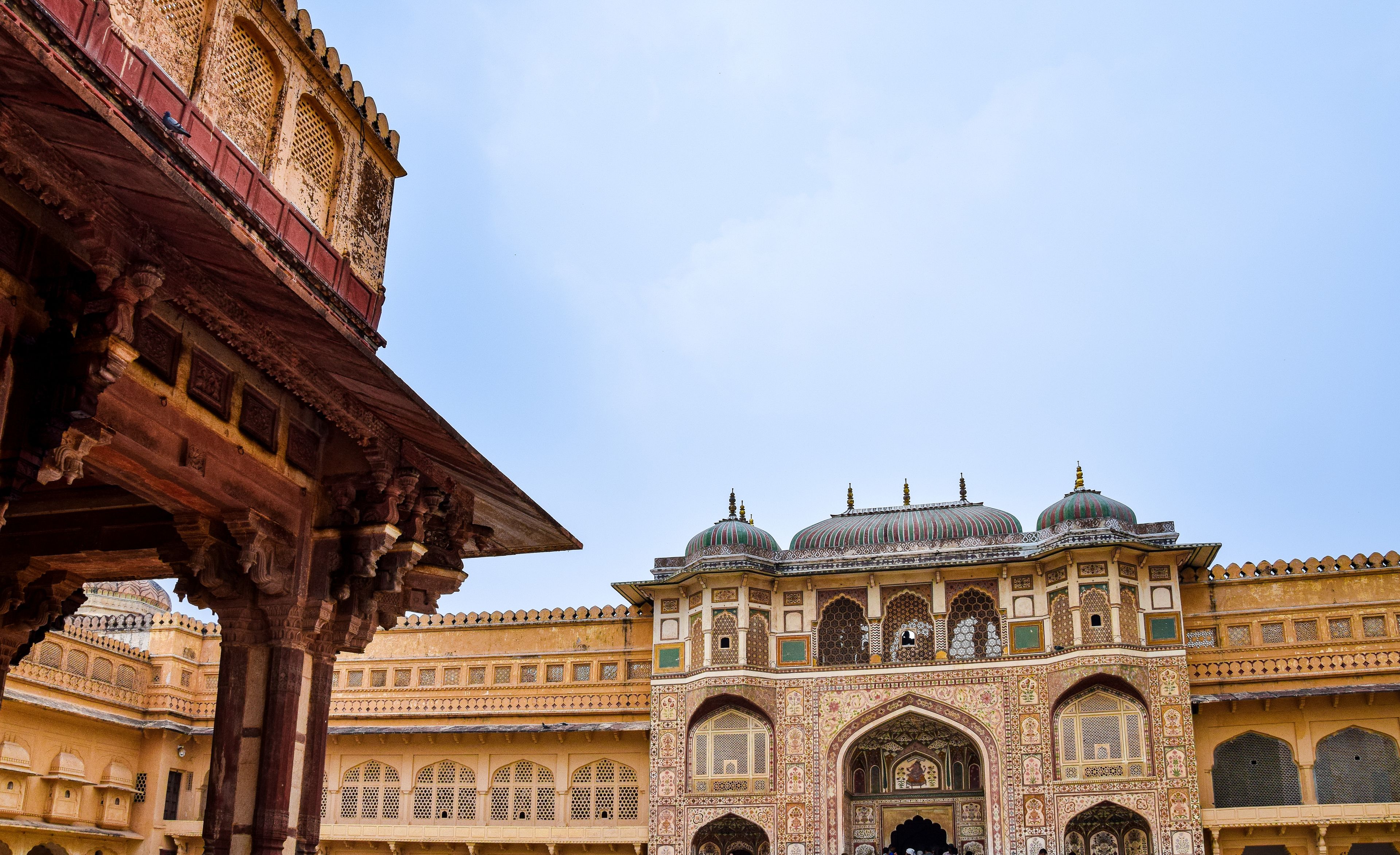
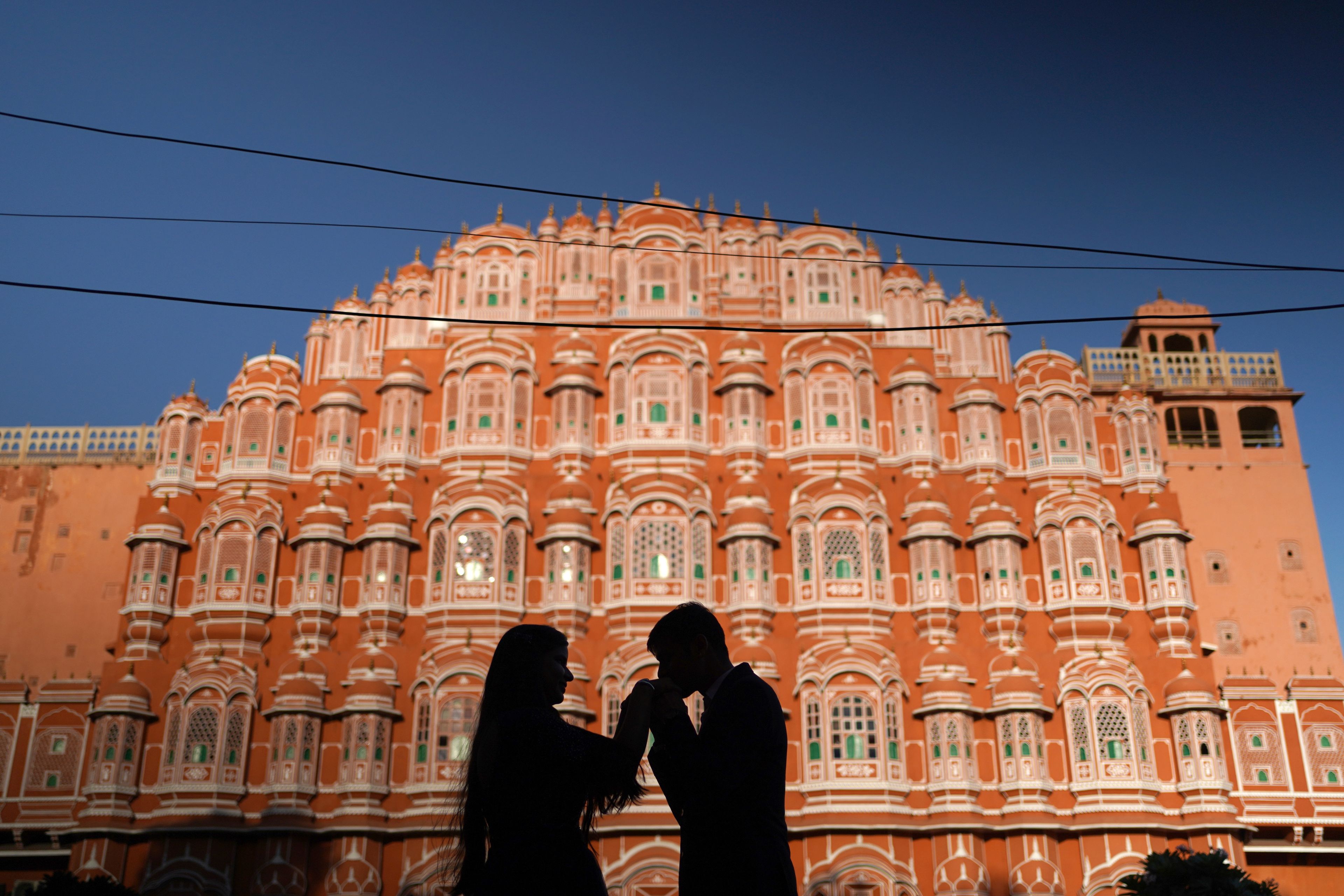
Amer Fort sits above a lake in the Aravalli hills about 11 km from the centre, and is the highlight for most people. Hawa Mahal, the Palace of Winds, is the honeycombed pink sandstone facade that appears on every postcard. The City Palace is a complex of courtyards, galleries and museums in the heart of the old city. The Jantar Mantar is an outdoor observatory built in the early eighteenth century, with giant stone instruments that still tell the time. Nahargarh and Jaigarh forts give sunset views over the city, and Jal Mahal, the palace in the lake, is a quick photo stop.
Bazaars and craft
Johari Bazaar is known for gemstones and jewellery, Bapu Bazaar for printed textiles and leather mojari shoes, and Tripolia Bazaar for lac bangles and brassware. Beyond the walls, the villages of Sanganer and Bagru are famous for block printing, and craft museums such as the Anokhi Museum of Hand Printing explain the process. Blue pottery, miniature painting and embroidered textiles are the classic buys. Our shopping guide explains how to buy well.
How many days
Two full days cover the main sights without rushing: one for Amer Fort and the surrounding hills, one for the old city, City Palace and bazaars. A third day allows Sanganer, a cooking class, the evening at Nahargarh or a day trip to Pushkar or Ranthambore. Many itineraries give Jaipur only one day, which leaves you in a car for most of it.
Where to stay
- Inside or near the old city: heritage havelis and boutique hotels, handy for the bazaars but in narrow lanes.
- C-scheme, Bani Park and Civil Lines: a good mix of mid-range hotels and restaurants with easier car access.
- Amer road and the hills: resorts and palace hotels with views, but further from the bazaars.
Heritage stays are atmospheric, but check the room category and whether the property is accessible by car.
Food
Try dal baati churma, laal maas, gatte ki sabzi, pyaaz kachori and in the monsoon ghewar. Rajasthani thalis in a sit-down restaurant are a good first introduction. Street food is popular but start with busy stalls, and carry hand sanitiser. Lassi in clay cups and fresh sugarcane juice are common refreshments.
Getting around
Auto-rickshaws and app cabs work well in town, but negotiate or use the meter. A private car with driver is the easiest way to cover Amer and the forts in a day. Cycle rickshaws are slow but pleasant in the old city lanes, and walking is the best way to see the bazaars.
Scams and annoyances
Jaipur is known for a few. Touts at the station offer cheap hotels; ignore them and use prepaid taxis. Shop owners who take you to "government emporiums" often pay commission. The gem scam, where tourists are encouraged to buy stones for resale abroad, is real: do not take part. Agree fares before any ride, and treat an unusually friendly stranger offering a free tour with caution.
Best time
October to March is ideal. Winter mornings can be cold but days are bright. April to June is very hot, and the monsoon brings brief downpours that cool the city. The Jaipur Literature Festival in January and Teej in the monsoon are the biggest events.
Plan Jaipur with us
Jaipur anchors our Golden Triangle, the Royal Rajasthan circuit and the Jaipur and Udaipur honeymoon. If you tell us your dates and who is travelling, we will suggest how long to stay and where.