Short answer
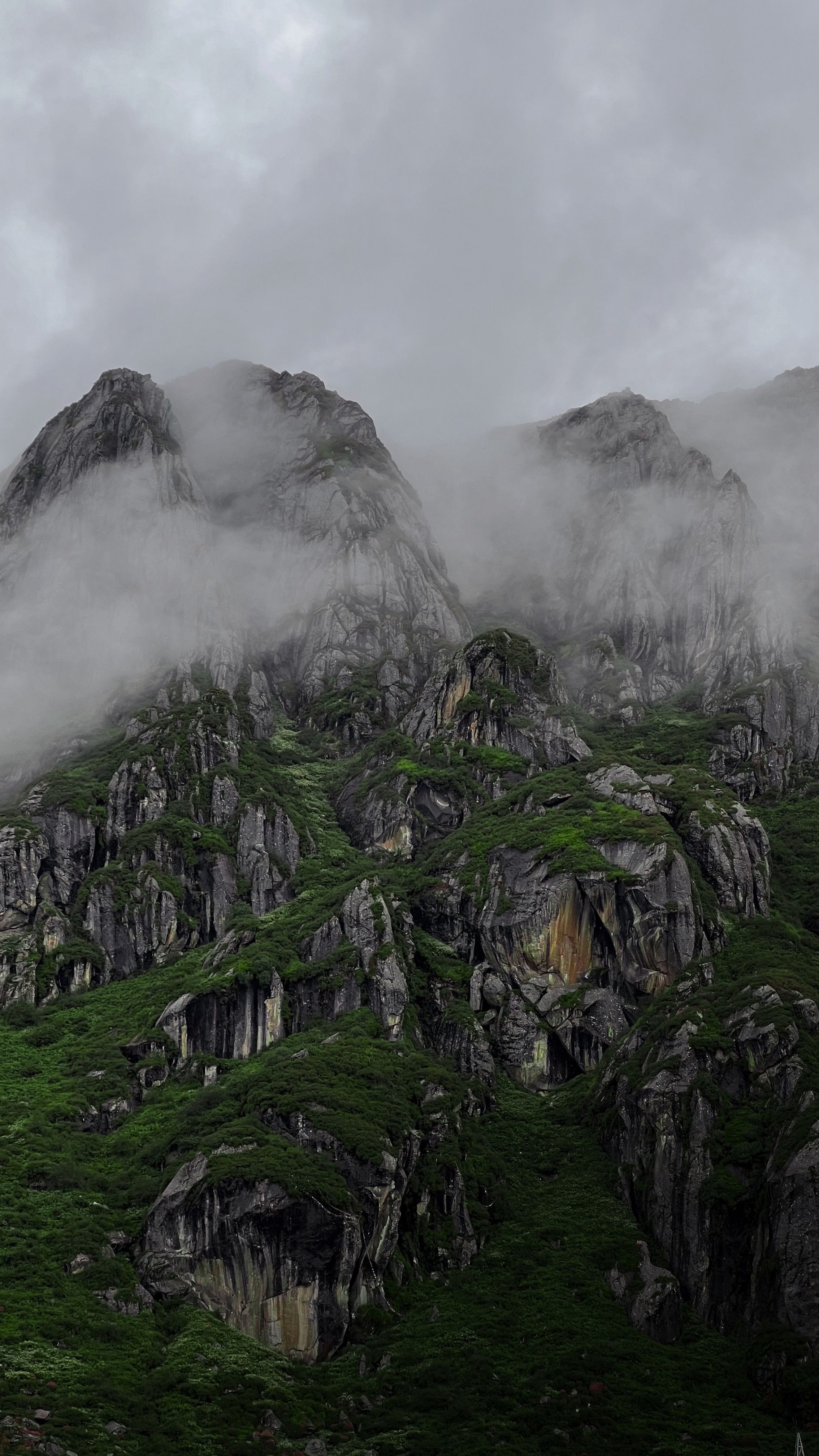
Darjeeling and Gangtok are mild in spring and autumn, cool in winter and very wet from June to September. High places such as Tsomgo Lake, Lachung and Yumthang are cold all year and snowy in winter. Clouds often hide the peaks, so clear mornings are a bonus, not a certainty.
On this page 12 sections
Darjeeling and Sikkim rise from tropical plains to Himalayan snow in a short distance, so weather changes dramatically with altitude and season. The figures below are approximate and vary from year to year. They are meant as a planning guide, not a forecast.
How altitude shapes the weather
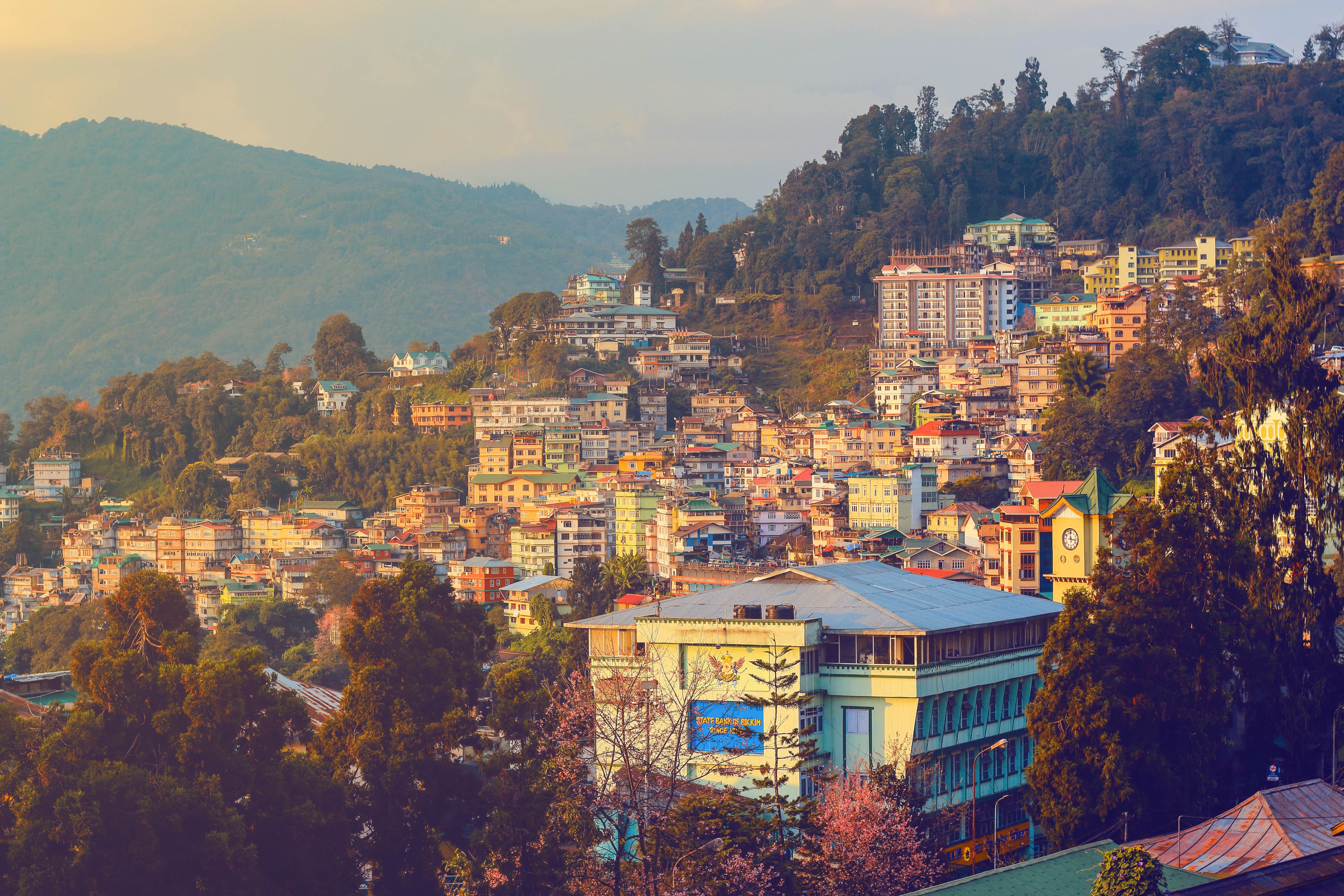
Siliguri is at about 120 metres and can be hot and humid. Kalimpong, at about 1,250 metres, is mild. Gangtok, at about 1,650, and Darjeeling, at about 2,050, are cool. Pelling, at about 2,000, is similar. Tsomgo Lake, near 3,800, Lachung at 2,700 and Yumthang at 3,500 are cold for much of the year. Gurudongmar, above 5,400, is freezing even in summer. For every 1,000 metres you climb, temperatures fall by around six degrees, and the wind and sun feel stronger.
Month by month
| Month | Darjeeling | Gangtok | High places (Tsomgo, Lachung) |
|---|---|---|---|
| January | 2 to 9 degrees, cold and clear | 5 to 15 degrees | Well below freezing, snow |
| February | 3 to 10 degrees | 6 to 16 degrees | Below freezing, snow |
| March | 6 to 14 degrees | 9 to 19 degrees | Cold, melting snow |
| April | 9 to 17 degrees | 12 to 22 degrees | Cool, rhododendrons bloom |
| May | 12 to 19 degrees | 15 to 24 degrees | Cool, afternoon showers |
| June | 14 to 20 degrees, heavy rain | 18 to 25 degrees, heavy rain | Wet and cold |
| July | 15 to 20 degrees, very wet | 18 to 25 degrees, very wet | Wet, landslides |
| August | 15 to 20 degrees, very wet | 18 to 25 degrees, very wet | Wet, landslides |
| September | 14 to 19 degrees, easing rain | 17 to 24 degrees | Cool, clearing |
| October | 10 to 18 degrees, clearest | 14 to 23 degrees | Cold, clear |
| November | 6 to 15 degrees | 9 to 19 degrees | Cold, snow begins |
| December | 3 to 11 degrees | 6 to 16 degrees | Below freezing, snow |
These ranges are rough. Actual conditions in a given year can be warmer, colder or wetter.
The monsoon
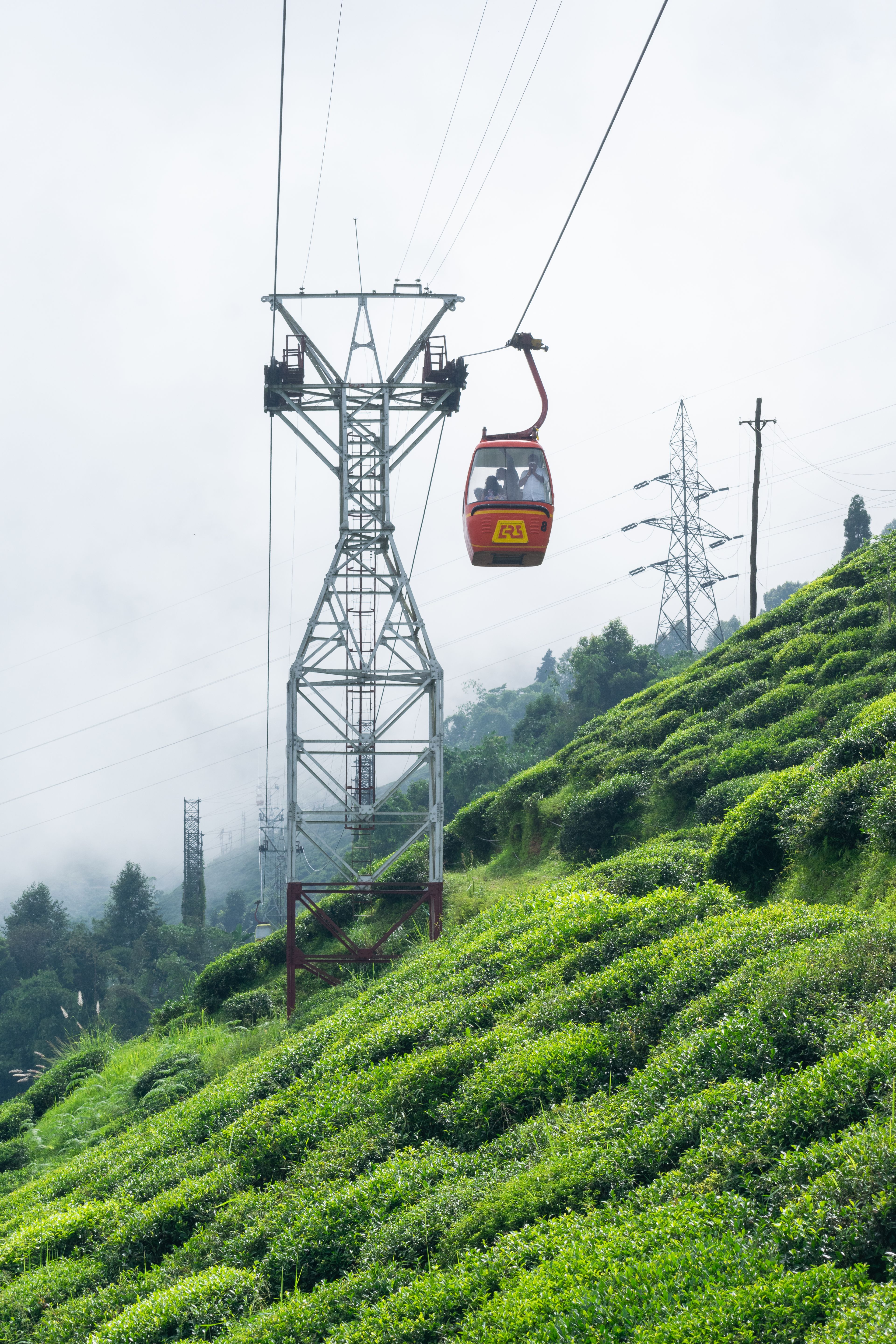
The monsoon usually arrives in early June and lasts until mid-September. Rain can fall for days, and cloud covers the hills. Totals are among the highest in India. Landslides and flash floods occur most often between June and September, and rivers rise quickly. In 2023 and 2025, severe floods and slips disrupted travel in Sikkim. See the altitude and monsoon guide.
Mist, fog and the views
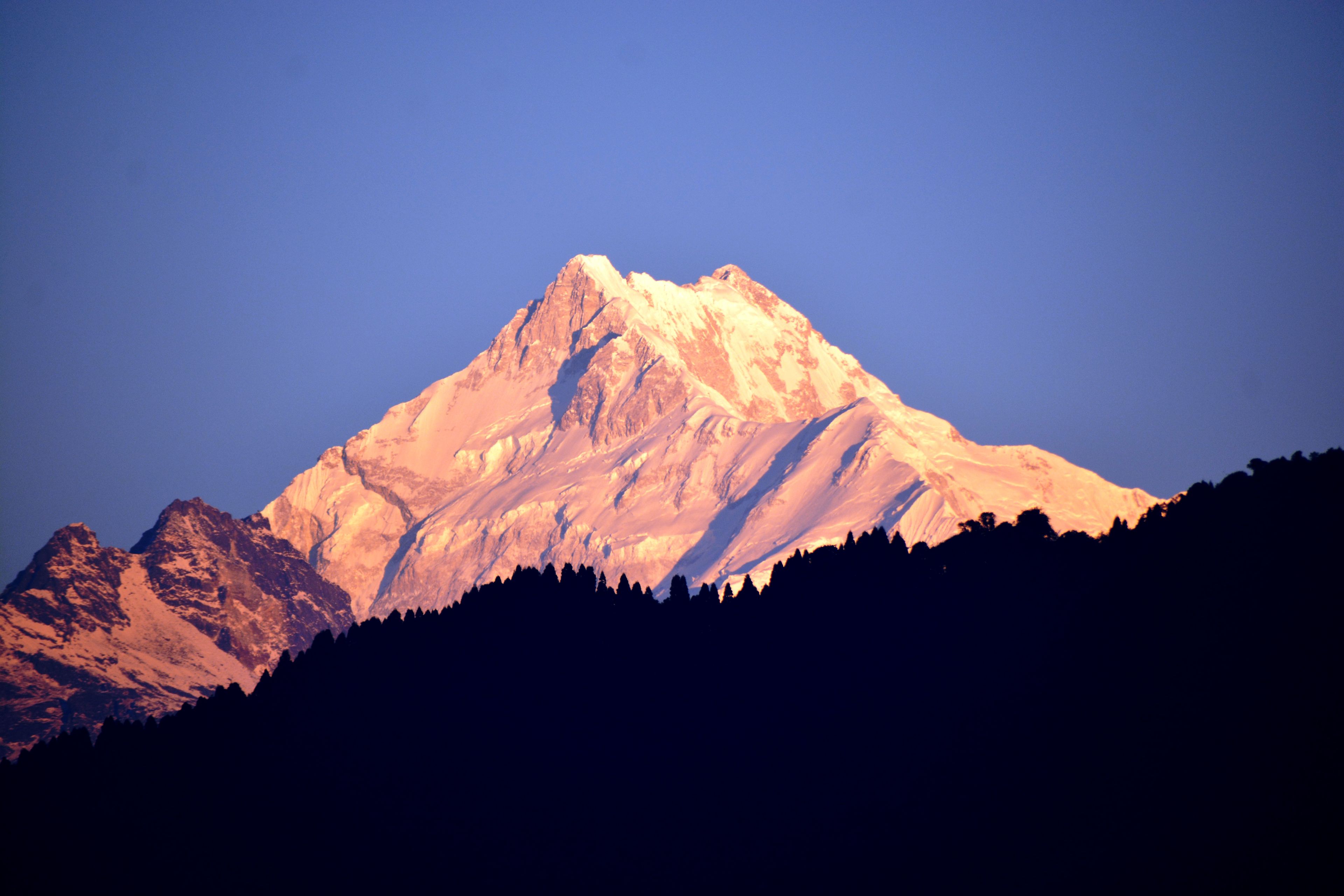
Even in the clear season, clouds build by mid-morning in the hills. Early morning is the best time for views of Kanchenjunga. In winter and the monsoon, fog can settle for days, limiting visibility to a few metres. Plan viewpoint visits early and keep several mornings free.
Snow
Darjeeling sees light snow once in a few winters. Gangtok rarely sees snow. Tsomgo Lake, Nathu La, Lachung and Yumthang receive regular snow from December to March, and it can fall as late as April. Snow brings beauty and difficulty: roads may close, vehicles may need chains and permits may be cancelled.
What to pack by season
Spring (March to May): layers, a light jacket, a rain jacket and comfortable walking shoes. For high places, add a warm jacket and gloves.
Monsoon (June to September): a good rain jacket, waterproof shoes with grip, quick-drying clothes, spare socks and a dry bag. Leech socks help on forest trails.
Autumn (October to November): layers, a warm jacket for evenings, a cap and gloves for sunrise at Tiger Hill.
Winter (December to February): thermals, a heavy jacket, gloves, a woollen cap, warm socks and sturdy boots. Hotels may lack heating, so ask in advance.
Sunrise, sunset and daylight
Because the region lies far east, the sun rises early and sets early. In summer, sunrise at Darjeeling comes before five in the morning, and in winter around six, with dusk before five. This is why Tiger Hill starts are so early, and why long drives should begin in the morning. After dark, hill roads are riskier, and many restaurants close early.
Microclimates and local surprises
Valleys and ridges can have very different weather. Siliguri may be sunny and hot while Darjeeling is under cloud. Gangtok can be dry while the slopes above are in rain. The Teesta valley is warmer and more humid than the ridges. Always check the forecast for your destination and for the road, and ask your driver about conditions ahead.
Visibility and cloud
Kanchenjunga is visible most reliably in the early morning, from October to December and March to April. Cloud usually builds by mid-morning. In the monsoon, you may not see the peaks for days. In winter, haze and fog from the plains can also reduce visibility. A clear view is a gift, not a guarantee, so plan more than one chance.
Wind and cold at viewpoints
At exposed viewpoints such as Tiger Hill, Tsomgo and Nathu La, wind adds a sharp chill, making temperatures feel several degrees lower. A windproof layer matters more than a thick jacket. Gloves and a hat are useful in all seasons at these places. Warm drinks at roadside stalls are part of the experience.
Weather and your plan
Weather affects roads, flights and permits. Morning is the best time for travel, since afternoon clouds and showers build. A flexible plan with a spare day is the best protection. If the weather turns, we adjust rather than push on.
Plan with us
Read the best time guide for how weather shapes the season, or send us your dates and we will advise on what to pack and which route suits the season.
Practical tips
- Pack layers, because temperatures change quickly between day and night.
- Carry a rain jacket and waterproof shoes from May to October.
- For winter, bring thermals, gloves, a woollen cap and a warm jacket.
- Check forecasts for your specific town and the road, not only for Siliguri.
- Allow extra time in the monsoon, when roads can be slow or closed.