Short answer
A Darjeeling and Sikkim trip's cost depends mainly on the season, hotel category and location, the vehicle and drive distance, and permits and activities. October, November, May and the Puja holidays are the most expensive, while June to September and the quieter winter weeks offer lower rates with more weather risk.
On this page 12 sections
"How much does a Darjeeling and Sikkim trip cost?" is one of the questions we hear most. The honest answer is that it depends on your choices: the season, the hotels, the route and the activities. This guide explains what moves the price and how to compare quotes. It is a planning guide, not a price list; real rates change with season and availability, and we confirm them in a written quote.
What drives the cost
Season and dates. October, November, the Puja holidays and May to June are the busiest and most expensive periods. Prices drop in the monsoon and in the quieter winter weeks, though the weather is less reliable. Weekends cost more than weekdays in Gangtok and Darjeeling.
Hotel category and location. A heritage hotel in Darjeeling or a hotel with a Kanchenjunga view in Pelling costs more than a standard room near the market. Rooms on the main street are convenient but noisy, and those on the slopes are quieter but less accessible. Better hotels are usually worth it where view and comfort matter.
Transport. A private car with a driver is the main transport cost. Hill roads are slow, so each journey takes longer and costs more than the distance suggests. Sikkim has local taxi rules that affect which vehicles can go to Tsomgo, Nathu La and North Sikkim, and these set the price.
Number of days. A longer trip costs more, but spreading the same places over more days reduces fatigue and risk. A rushed plan often costs more in stress.
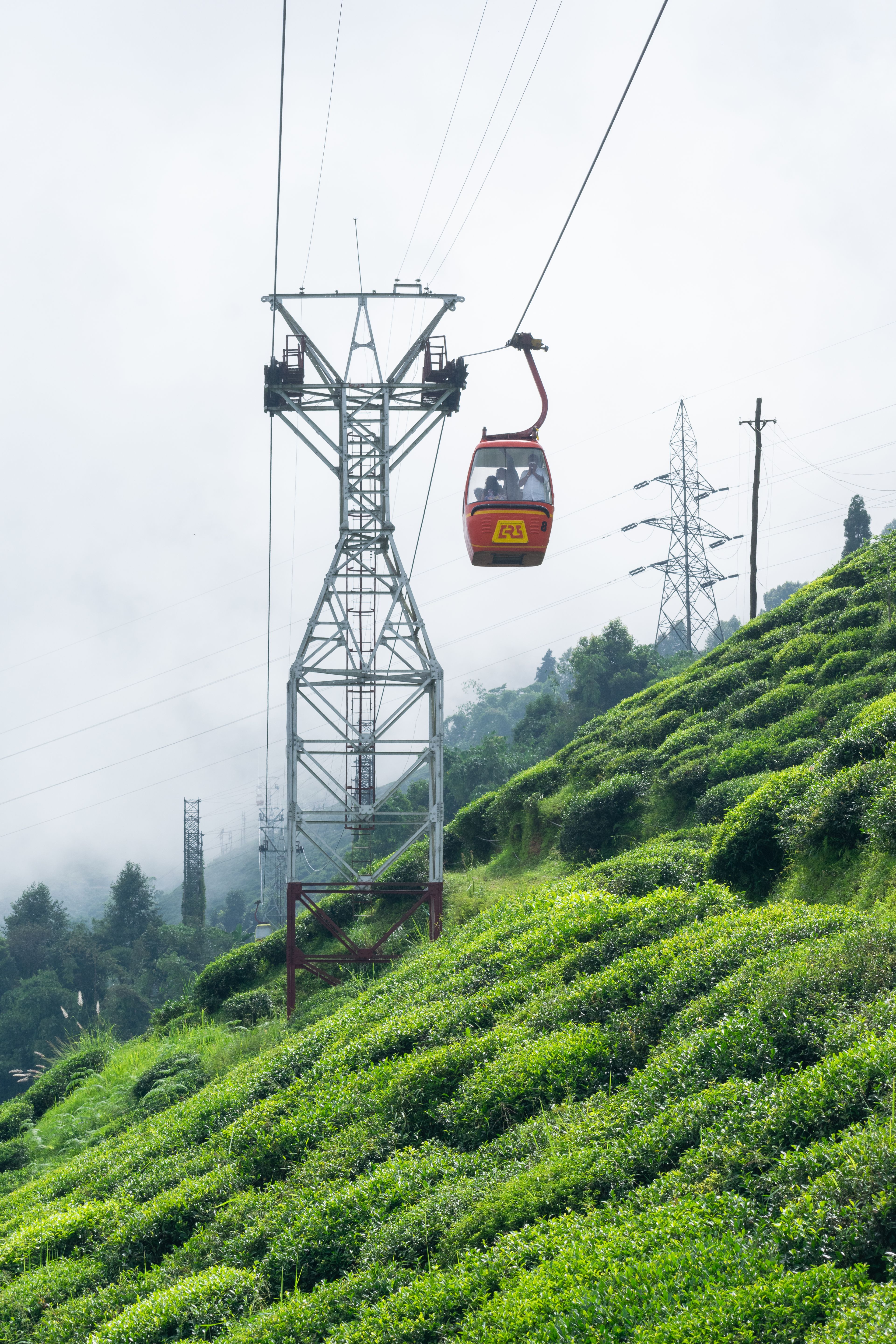
Permits and fees. Permits for restricted areas, entry fees, ropeway tickets and Toy Train fares are usually paid separately.
Group size. Vehicles can be shared across a group, so per-person transport costs fall as the group grows. Hotel and permit costs are usually per person.
Costs paid separately
- Permits and registration for restricted areas, if not included.
- Entry tickets for monasteries, gardens and viewpoints.
- Toy Train, ropeway and yak ride fares.
- Lunch, dinner and drinks, unless listed.
- Optional activities, such as rafting, paragliding or tea estate tours.
- Tips, for drivers and staff.
- Extra nights caused by weather or road closures.
What often goes wrong with budget quotes
- Too many places in too few days, which means long drives and little rest.
- Hotels in the wrong area, such as a "Darjeeling hotel" that is far from town.
- Unclear inclusions, such as meals, taxes, permits and parking.
- No buffer, so one closed road upsets the whole plan.
- Unrealistic drive times, which look short on a map and take twice as long on hill roads.
A way to compare quotes
Ask each operator the same questions. Which hotels, and where exactly are they? How many hours is the longest drive? What is included in meals? Are permits and ticket fees included? What happens if a road closes or a permit is refused? The lowest quote is rarely the best. A fair price from a team that answers these questions clearly is usually better value.
An example of how a quote is built
A typical quote has several layers. The first is accommodation, in nights and categories. The second is transport, which includes the vehicle, driver, fuel and tolls. The third is meals, usually breakfast and sometimes dinner. The fourth is permits and fees. The fifth is the operator's coordination. Ask which layers are included, and ask for each in writing. A vague quote usually hides extras.
Where you can sensibly save
- Travel in shoulder weeks, such as late March, early April or early December.
- Choose a slightly less central hotel with good reviews.
- Combine fewer bases, which reduces drive time and hotel changes.
- Travel in a group to share vehicles.
- Book early for peak periods.
Where you should not save
- A driver experienced with hill roads.
- Buffer days in the monsoon and the Puja season.
- Warm clothing and rain protection.
- Travel insurance.
- A reliable operator for permits and North Sikkim.
Short trip or long trip
A short trip looks cheaper but is often not. Compressed itineraries have long driving days, little rest and no buffer, and a single closed road can force you to pay for extra nights anyway. A longer, slower plan costs more on paper, but spreads the effort and leaves a spare day, which is the best insurance in the hills.
Weekday versus weekend
Hotels in Darjeeling and Gangtok charge more on weekends and public holidays, and traffic is heavier. Shifting a stay by a day or two can reduce costs and stress. Long weekends and festival periods are the most expensive times of all, and also the most crowded.
Questions to ask about price
- Where exactly is the hotel, and how far is it from the town centre or the view?
- How many hours is the longest drive, and is it broken by stops?
- Are permits, ticket fees and the Toy Train included?
- What happens if a road closes or a permit is refused?
- Is parking included, and is there an extra charge for extra beds?
Payment and cash
Carry cash for small shops, yak rides, tips and places where cards do not work. UPI is widely accepted in towns, but connectivity is patchy in the hills. We confirm payment terms in the quote.
Plan with us
Read our first-time visitor guide before comparing packages. Then send us your dates, group size and budget range and we will draft options with a written breakdown, or browse our Darjeeling and Sikkim tour packages.
Practical tips
- Compare packages by hotel names or categories, meals and inclusions, not only by headline price.
- Travel midweek and outside the Puja holidays and May to June where you can.
- Ask whether permits, Toy Train fares and entry tickets are included.
- Check who pays if a road closure adds a night.
- Do not cut buffer days; they are cheaper than being stranded.