Short answer
For a first trip to Darjeeling and Sikkim, plan six to eight days between March and May or October and early December, choose two or three bases such as Darjeeling, Gangtok and Pelling, confirm permits for Tsomgo and Nathu La, keep a spare day for roads and weather, and pack layers and rain gear.
On this page 16 sections
- Is Darjeeling and Sikkim right for you?
- How many days do you need?
- When should you go?
- Where to go
- A sensible first itinerary
- Permits and documents
- What to pack
- Money and connectivity
- Etiquette and responsible travel
- Common mistakes
- The first week, day by day
- Choosing hotels
- Choosing an operator
- A note on expectations
- The people and the place
- Plan with us
Darjeeling and Sikkim reward good preparation. The region is compact on a map but slow on the ground, weather changes quickly, popular places are crowded in the best months, and permits matter. This guide gathers the advice we give first-time visitors, so you can plan with confidence and spend your time enjoying the mountains.
Is Darjeeling and Sikkim right for you?
The region suits travellers who like mountains, monasteries, tea, cafes and quiet evenings, and who are happy to trade speed for scenery. It is not a beach or a city-break destination. If you want guaranteed clear skies or nightlife, other places may suit you better. If you want fresh air, walks, momos and a sense of a different culture, it is hard to beat.
How many days do you need?
Five days covers Darjeeling and Gangtok. Six to eight days adds Kalimpong or Pelling and allows a Tsomgo day. Nine or more days make a North Sikkim trip possible, subject to permits. Trying to see everything in four days leaves you in the car. Choose two or three bases, and give each two nights.
When should you go?
March to May and October to early December are the best months. December to February suits snow. June to September is the monsoon, with landslide risk. See the best time guide.
Where to go
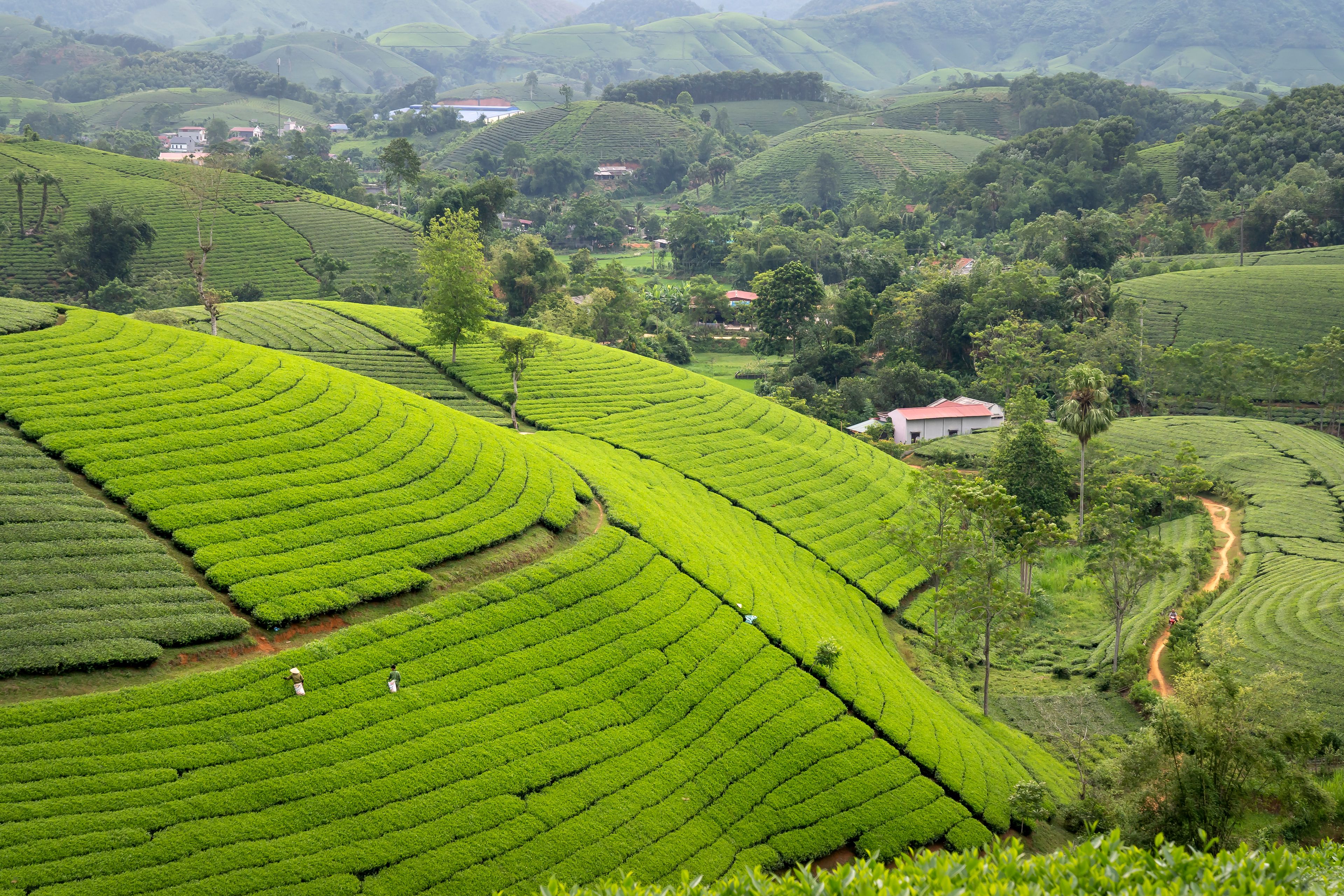
- Darjeeling for tea, the Toy Train and sunrise.
- Kalimpong for a quiet stop with monasteries and nurseries.
- Gangtok for cafes, monasteries and day trips.
- Tsomgo Lake and Nathu La for high-altitude scenery.
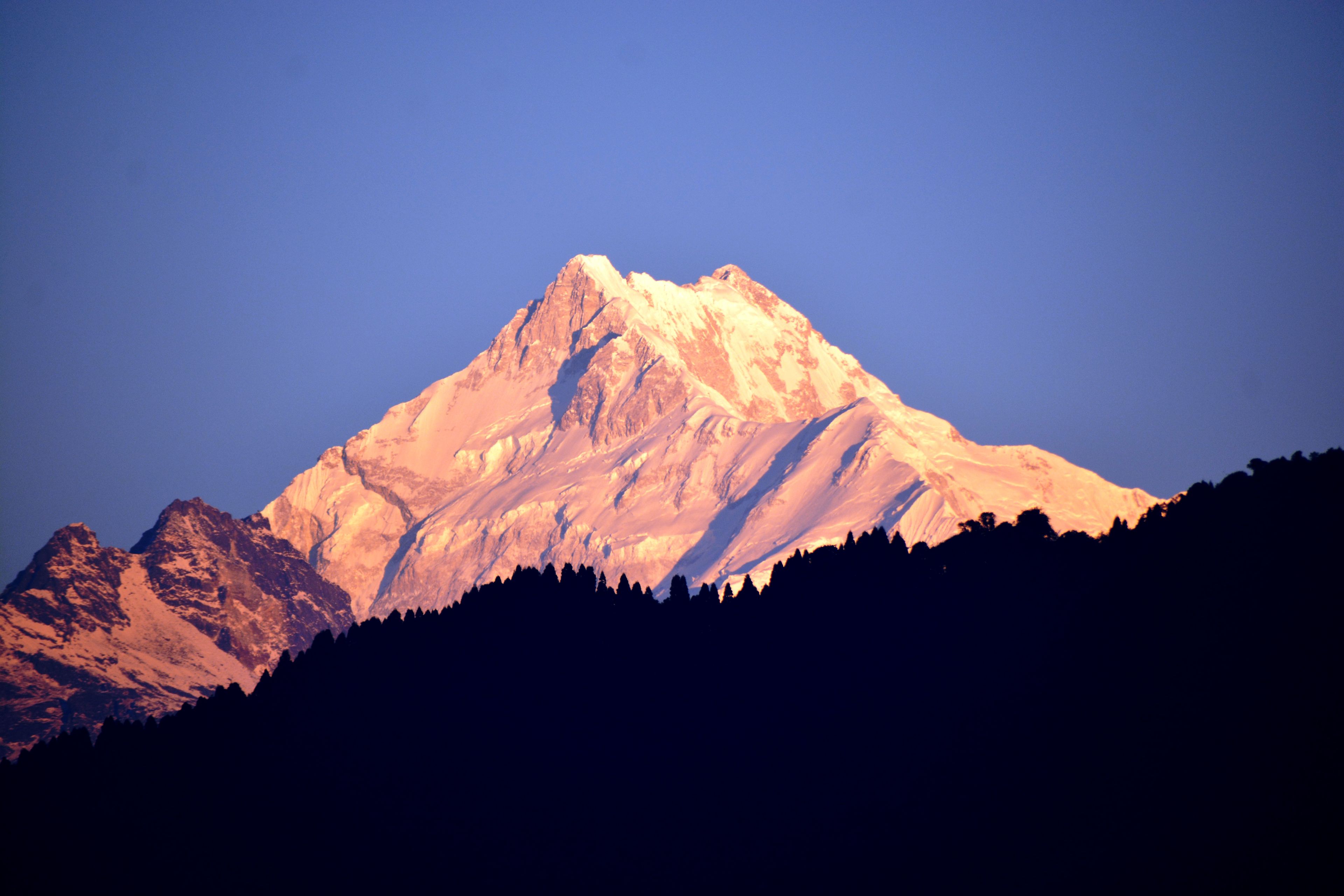
- Pelling and Yuksom for Kanchenjunga views and old monasteries.
- North Sikkim for valleys and snow, subject to access.
A sensible first itinerary
Three nights in Darjeeling and three in Gangtok, with a Tsomgo excursion. This is the shape of our Classic Darjeeling and Gangtok tour and the 5-day itinerary. For more time, add Kalimpong, as in the 7-day itinerary.
Permits and documents
Carry original government photo ID. Indian visitors need permits for Tsomgo, Nathu La and North Sikkim, and foreign nationals face additional rules. Photographs and ID copies are needed. Read the permits and road conditions guide and confirm close to your dates.
What to pack
- Layers: a light jacket in summer, thermals and a heavy jacket in winter.
- A rain jacket and waterproof shoes from May to October.
- Comfortable walking shoes with grip.
- Gloves, a cap and a scarf for sunrise and high places.
- Sunscreen, sunglasses and a hat.
- Basic medicines, motion-sickness tablets and rehydration salts.
- A power bank, a torch and a reusable water bottle.
- Cash, because ATMs are few in remote areas.
Money and connectivity
Cards and UPI work in towns, but carry cash for small shops, yak rides and tips. Mobile coverage is generally good in towns and patchy in valleys and North Sikkim. Download maps and tickets before you go.
Etiquette and responsible travel
Dress modestly at monasteries, remove shoes where asked, and walk clockwise around prayer wheels. Ask before photographing people. Sikkim enforces cleanliness and plastic rules, so do not litter or smoke in public places. Treat yaks and ponies kindly. Support homestays, local shops and tea growers.
Common mistakes
- Trying to see too many places in too few days.
- Underestimating hill-road drive times.
- Assuming Kanchenjunga will be visible on a particular morning.
- Relying on out-of-date permit advice.
- Visiting in the monsoon without flexibility.
- Booking a tight flight or train home.
- Going to Tsomgo or Gurudongmar without acclimatising.
- Skipping travel insurance.
The first week, day by day
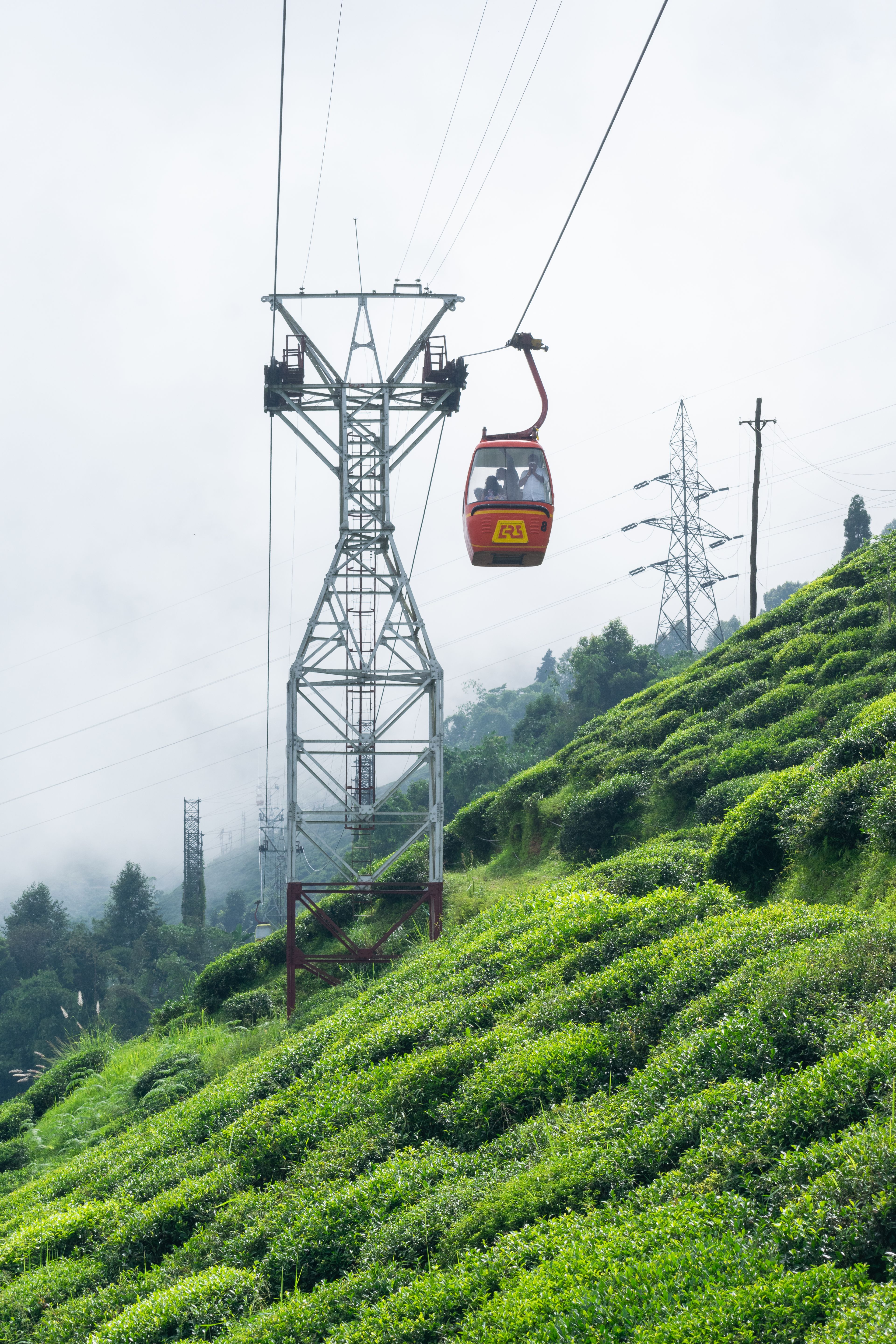
Day 1: arrive at Bagdogra and drive to Darjeeling for tea and an early night. Day 2: Tiger Hill, Ghum and Batasia Loop, then the Toy Train. Day 3: a tea estate and a slow afternoon. Day 4: drive to Gangtok and walk along MG Marg. Day 5: Tsomgo Lake and Baba Mandir if permitted. Day 6: Rumtek, the ropeway and the markets. Day 7: the drive back to Bagdogra for your flight. This pace may feel relaxed, but it is the one that works.
Choosing hotels
In Darjeeling, a heritage hotel gives character but may have older plumbing, and a hotel near Chowrasta is convenient but noisy. In Gangtok, a hotel near MG Marg suits those who like to walk to dinner, while one on the slopes gives quiet and views. In Pelling, choose a room that faces Kanchenjunga. Look at photographs, recent reviews and the exact location, and ask about heating in winter.
Choosing an operator
A good operator will ask about your interests, give a clear written itinerary, name the hotels, explain what is included and tell you honestly when a plan is too tight. Be cautious of anyone who promises a clear Kanchenjunga view, guaranteed snow or a North Sikkim trip without checking permits. Ask for recent reviews, compare quotes like for like, and check how they will handle landslides and closures.
A note on expectations
Darjeeling is charming and a little worn. Gangtok is clean and modern. Kalimpong is calm. Pelling is quiet. The mountains are sometimes dazzling and sometimes invisible. If you go with an open mind and a flexible plan, you will see the region at its best, and you will probably want to return.
The people and the place
Darjeeling and Sikkim are home to communities with deep traditions: Nepali, Lepcha, Bhutia, Tibetan, Bengali and many others. Festivals, food and religion vary from village to village. Treat visits to monasteries, markets and homestays as an invitation, not a performance. Ask questions, listen and take your time.
Plan with us
Send us your dates, group and any health notes, and we will suggest a realistic plan. You can also read the weather guide or browse our Darjeeling and Sikkim tour packages.
Practical tips
- Choose two or three bases; hill roads eat time.
- Book hotels early for October, November and May to June.
- Confirm permits for Tsomgo, Nathu La and North Sikkim before you rely on them.
- Pack layers, rain gear and comfortable shoes with grip.
- Keep a spare day before your flight or train home.