Short answer
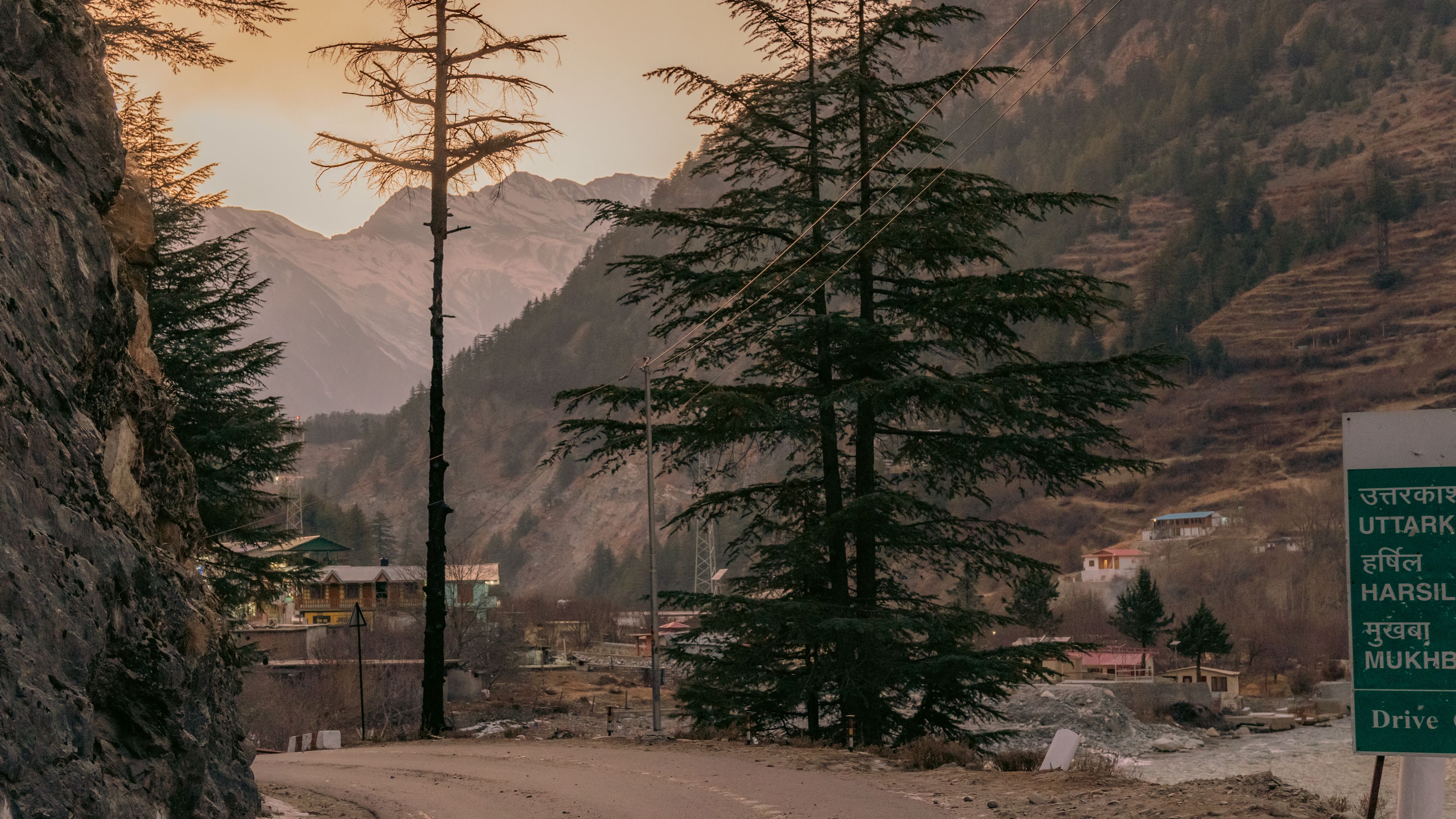
Uttarakhand's weather depends on altitude. The plains around Haridwar and Corbett are hot in summer and mild in winter. Hill stations such as Mussoorie and Nainital are cool, with monsoon rain from July to September and occasional snow in winter. High shrines such as Kedarnath are cold all year.
On this page 11 sections
Uttarakhand rises from about 200 metres in the plains to over 7,000 metres in the high peaks, so its weather varies enormously. A day at Haridwar can be hot and humid, while a night at Kedarnath is freezing. The figures below are approximate and vary from year to year. They are meant as planning guidance, not forecasts.
How altitude shapes the weather
Temperature falls with height. The plains (Haridwar, Rishikesh, Ramnagar) are warmer, with hot summers. The mid-hills (Mussoorie, Nainital, Almora) are cool in summer and cold in winter. The high Himalaya (Kedarnath, Badrinath, Auli, Chopta) is cold even in summer, with snow for much of the year. Rain also changes with altitude and aspect, and valleys can be foggy when ridges are clear.
Month by month
| Month | Plains (Haridwar, Corbett) | Hill stations (Mussoorie, Nainital) | High shrines |
|---|---|---|---|
| January | Cool and foggy, around 5 to 20 degrees | Cold, around 0 to 12 degrees, snow possible | Closed, deep snow |
| February | Cool, around 8 to 24 degrees | Cold, around 2 to 14 degrees | Closed |
| March | Warming, around 12 to 30 degrees | Cool, around 5 to 18 degrees | Closed |
| April | Hot, around 18 to 36 degrees | Pleasant, around 10 to 24 degrees | Opening |
| May | Very hot, around 24 to 40 degrees | Pleasant, around 14 to 28 degrees | Cold, around 0 to 15 degrees |
| June | Hot, humid, around 26 to 40 degrees | Warm, around 16 to 28 degrees, monsoon arrives | Cold, rain possible |
| July | Hot, humid, heavy rain | Wet, around 16 to 24 degrees | Wet, landslide risk |
| August | Warm, humid, heavy rain | Wet, around 16 to 24 degrees | Wet, landslide risk |
| September | Warm, easing rain | Pleasant, around 14 to 24 degrees | Cool, clearing |
| October | Warm and dry, around 16 to 32 degrees | Clear, around 8 to 22 degrees | Cold, closing soon |
| November | Mild, around 8 to 28 degrees | Cool, around 3 to 18 degrees | Closed |
| December | Cool, foggy, around 5 to 22 degrees | Cold, around 1 to 14 degrees, snow possible | Closed |
These ranges are rough. Actual conditions in a given year can be hotter, colder or wetter.
The monsoon
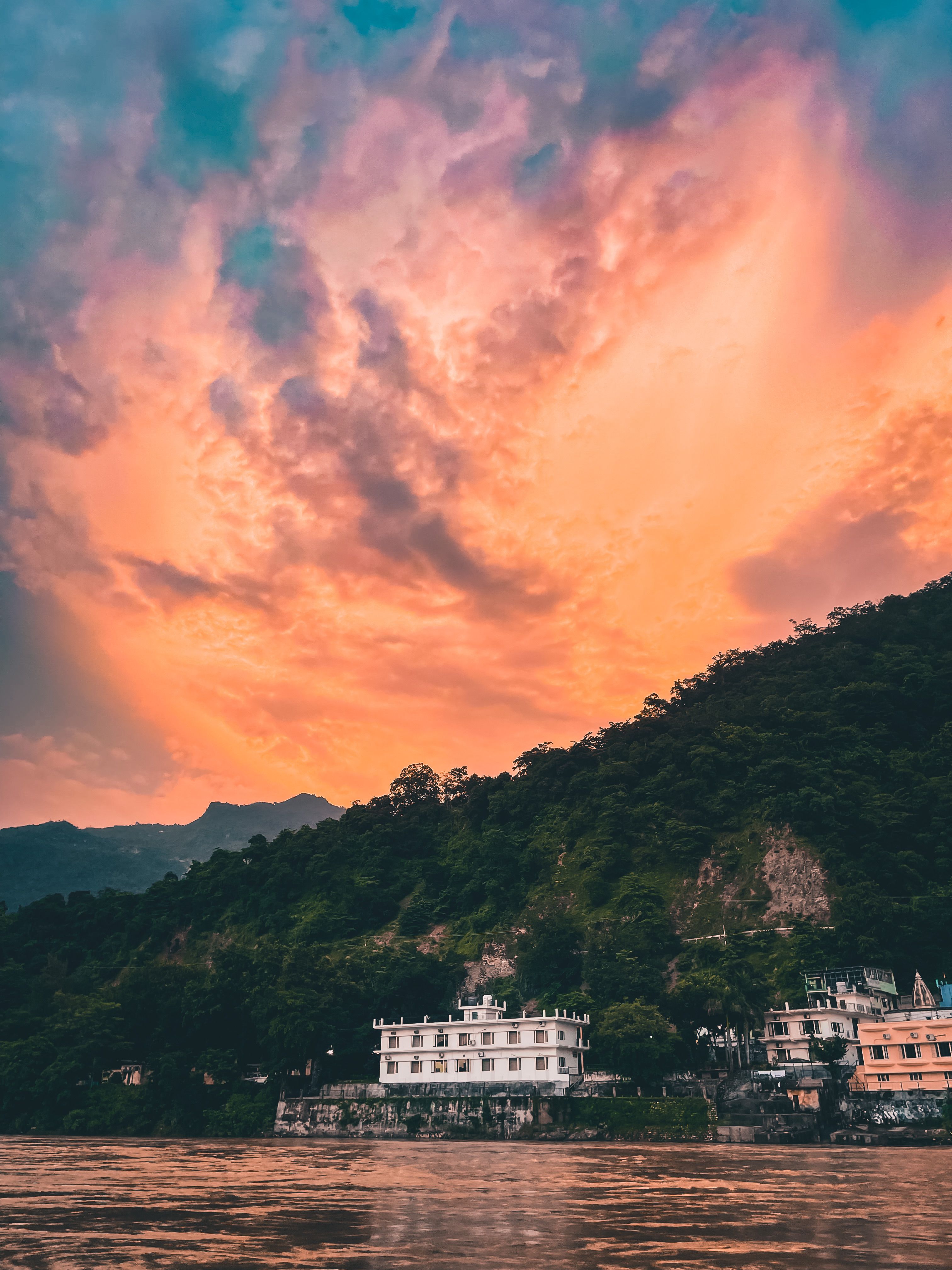
The south-west monsoon usually reaches Uttarakhand around late June and lasts until mid-September. Rainfall is very heavy in parts of the state, with several days of continuous rain, mist and thunderstorms. Rivers rise, waterfalls fill and the hills turn green. Cloudbursts and landslides occur most often between July and September, and some years bring severe events. See the monsoon and safety guide.
Winter: snow and fog
Snowfall in Mussoorie and Nainital is usually light and occasional, and it cannot be guaranteed on any given date. Auli, Chopta and Dhanaulti see more reliable snow in January and February. On the plains, thick fog can disrupt trains, flights and road travel from December to January, particularly in the early morning. Corbett is cold on morning safaris, with temperatures near freezing on some days.
Summer heat
April to June can be very hot in Haridwar, Rishikesh and Corbett. In the hills, daytime temperatures are pleasant, but crowds and traffic are heavy. High altitude gives strong sun, and sunburn is possible. Pre-monsoon thunderstorms may appear in the afternoon.
What to pack by season
Summer (April to June): light cotton clothes, a hat, sunglasses, sunscreen, a light jacket for evenings in the hills, comfortable shoes and a rain jacket.
Monsoon (July to September): quick-drying clothes, a good rain jacket, waterproof shoes with grip, a dry bag for electronics and spare socks.
Autumn (October to November): layers, a light jacket, a warm layer for evenings and a cap.
Winter (December to February): thermals, a warm jacket, gloves, a cap, woollen socks and sturdy shoes. Carry a flask for Corbett safaris.
High shrines (May to October): waterproofs, thermal layers, a down jacket, gloves, a woollen cap, sunglasses and a torch.
Fog, haze and air quality on the plains
From December to January, thick fog regularly settles over the plains of north India and delays trains, flights and road traffic around Delhi, Haridwar and Dehradun. Morning departures can be slow, and visibility may be low on highways. Air quality in the plains can also be poor in winter. In the hills above the fog line, the air is often much clearer. Allow extra time on winter journeys, and avoid tight same-day connections.
Sun and wind in the hills
At altitude, the sun is stronger than in the plains, so sunscreen and a hat are useful even when it feels cool. Wind on ridges and passes can make temperatures feel several degrees lower, particularly in the evening. Valley bottoms are often warmer in the afternoon and colder at night.
High-altitude weather windows
At the high shrines, the best weather usually comes in the early morning, with clear skies and calm air. By afternoon, clouds build and rain or snow showers become more likely. Treks should begin at dawn, and darshan should be planned before the weather turns. If forecasts suggest a poor spell, it is wiser to wait a day than to push on.
Weather and your plan
Weather affects roads, flights and activities. Morning is usually the best time for travel in the hills, since afternoon rain and fog build. A flexible plan with a spare day is the best protection. If the weather turns, we adjust rather than push on.
Plan with us
Read the best time guide for how weather shapes the season, or send us your dates and we will advise on what to pack and which route suits the season.
Practical tips
- Pack layers, because temperatures change quickly between morning, noon and night in the hills.
- Carry a light rain jacket from May to October, even if the forecast looks clear.
- For winter, bring warm clothes, gloves and a cap, and expect fog on the plains.
- Check forecasts for your specific town and the road, not just for Dehradun or Delhi.
- Allow extra time in the monsoon, when roads can be slow or closed.