Destination guide
Plan your time in Darjeeling and Sikkim
On this page 21 sections
- Darjeeling and Sikkim at a glance
- How the places connect
- When to go
- Permits and rules
- Roads, landslides and the monsoon
- Kanchenjunga and the views
- Culture, monasteries and food
- Tea, trains and heritage
- Altitude and health
- A sample route, and how to read it
- Festivals and the calendar
- Flowers, birds and wildlife
- Winter in the hills
- Mistakes we help you avoid
- Darjeeling and Sikkim for different kinds of traveller
- Where to stay
- Connectivity and money
- Responsible travel
- About our experience in the region
- Costs to expect
- How we plan Darjeeling and Sikkim trips
Few parts of India put so much variety within a few hours of each other. Darjeeling is a tea town with an old railway, Kalimpong is a quiet hill town of nurseries and monasteries, and Sikkim is a small Himalayan state of prayer flags, lakes, rhododendron valleys and the third highest mountain in the world. The region is beautiful and also demanding: roads close after rain, permits change, clouds hide the peaks and distances in the hills are longer than they look. This page is our working guide to planning it well.
Darjeeling and Sikkim at a glance
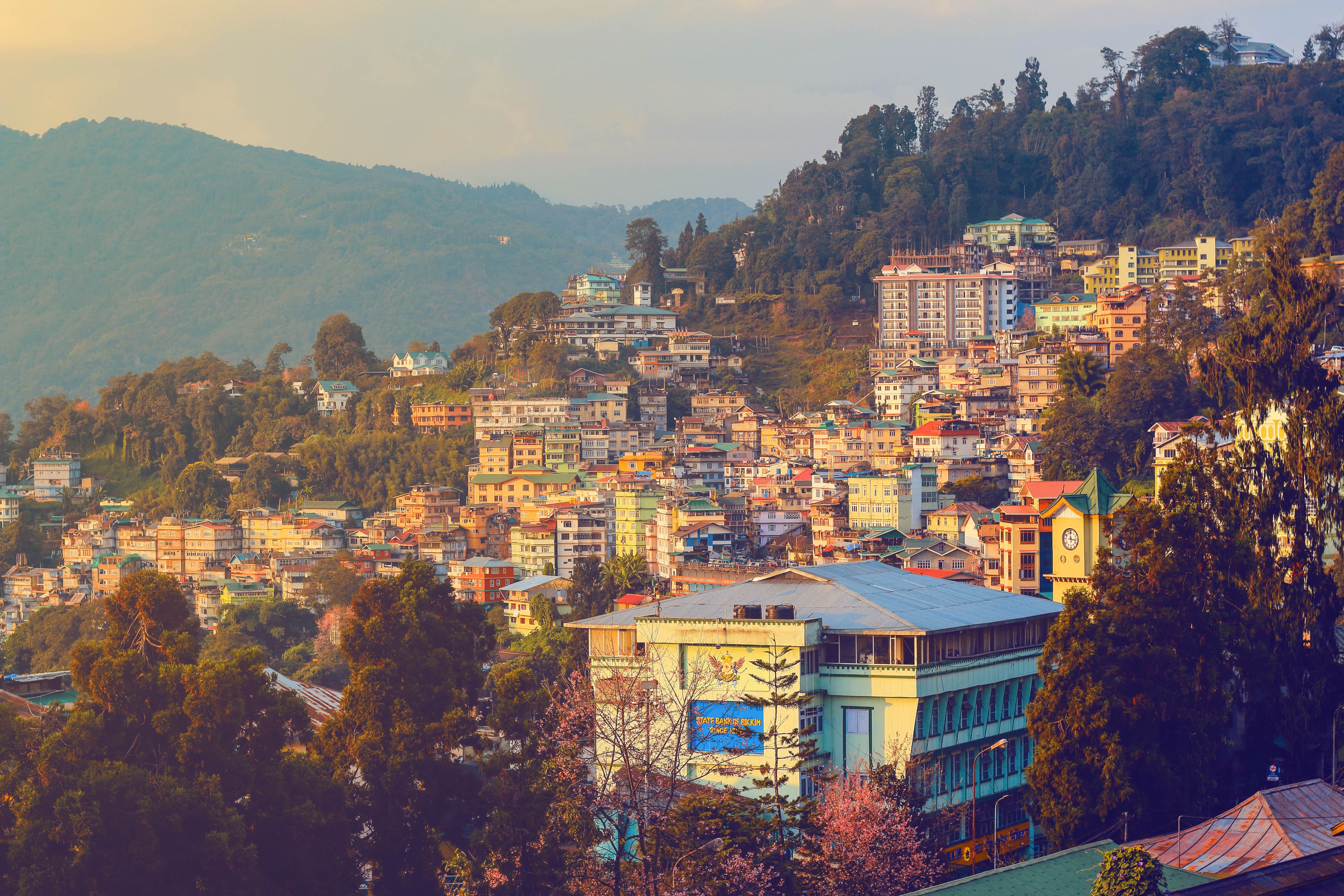
Darjeeling and Kalimpong lie in the north of West Bengal, and Sikkim is a state of its own, tucked between Nepal, Bhutan and Tibet. The gateway for all of them is Siliguri, in the plains, with Bagdogra airport and New Jalpaiguri railway station close by. From Siliguri, roads climb along the Teesta and Rangit rivers. Most travellers choose from a handful of places:
- Darjeeling is a hill town of tea estates, the Himalayan Railway and sunrise views of Kanchenjunga.
- Kalimpong is a calmer hill town known for monasteries, flower nurseries and cheese.
- Gangtok is Sikkim's capital, with a pedestrian Mall, cafes and monasteries.
- Tsomgo Lake and Nathu La are high-altitude excursions from Gangtok.
- Pelling and Yuksom form West Sikkim, with old monasteries and Kanchenjunga views.
- North Sikkim, Lachung and Yumthang offer high valleys, snow and alpine lakes, subject to permits and roads.
How the places connect
Distances look short, but roads are slow and change with the weather. These figures are approximate and assume dry roads.
| Route | Distance | Usual drive time |
|---|---|---|
| Bagdogra to Darjeeling | about 90 km | 3 to 4 hours |
| Bagdogra to Gangtok | about 125 km | 4 to 5 hours |
| Darjeeling to Kalimpong | about 50 km | 2 hours |
| Kalimpong to Gangtok | about 80 km | 3 to 4 hours |
| Darjeeling to Gangtok | about 100 km | 4 to 5 hours |
| Gangtok to Tsomgo Lake | about 38 km | 2 hours |
| Gangtok to Pelling | about 115 km | 5 to 6 hours |
| Gangtok to Lachen (North Sikkim) | about 130 km | 6 to 7 hours |
A typical first trip links Darjeeling and Gangtok with a day trip to Tsomgo. Adding Pelling or North Sikkim usually means two to three extra days.
When to go
| Season | What to expect | Best for |
|---|---|---|
| March to May | Mild weather, rhododendrons, first-flush tea | Views, flowers, tea, Yumthang in bloom |
| June to September | Heavy monsoon rain, landslides, cloud | Quiet lower-altitude stays; avoid North Sikkim |
| October to early December | Clearest skies, crisp air | Kanchenjunga views, almost everything |
| Late December to February | Cold, frost, snow at higher places | Snow at Tsomgo and Lachung, quieter towns |
Our best time guide and weather guide go month by month.
Permits and rules
Sikkim has a complicated permit system, and it has changed several times in recent years. Indian visitors generally need Protected Area Permits for Tsomgo Lake, Nathu La and North Sikkim, which are arranged through registered operators and the tourism department. Foreign nationals need further permits, and some places, including Nathu La and Gurudongmar, have been closed to them. After floods and landslides, North Sikkim has reopened in phases. We confirm the current position close to your dates and handle the paperwork where it applies. Read our permits and road conditions guide for the detail.
Roads, landslides and the monsoon
The main road from Siliguri to Gangtok, NH-10, runs beside the Teesta river through steep, unstable slopes, and sections are closed from time to time after heavy rain. In October 2023, a glacial lake outburst flood on the Teesta river damaged roads, bridges and a hydropower dam, and landslides in 2025 stranded tourists in North Sikkim for days. Darjeeling roads also suffer from slips. We prefer morning departures, avoid night driving, work with experienced drivers and keep spare days. If the road is closed, we tell you plainly and offer a plan B.
Kanchenjunga and the views
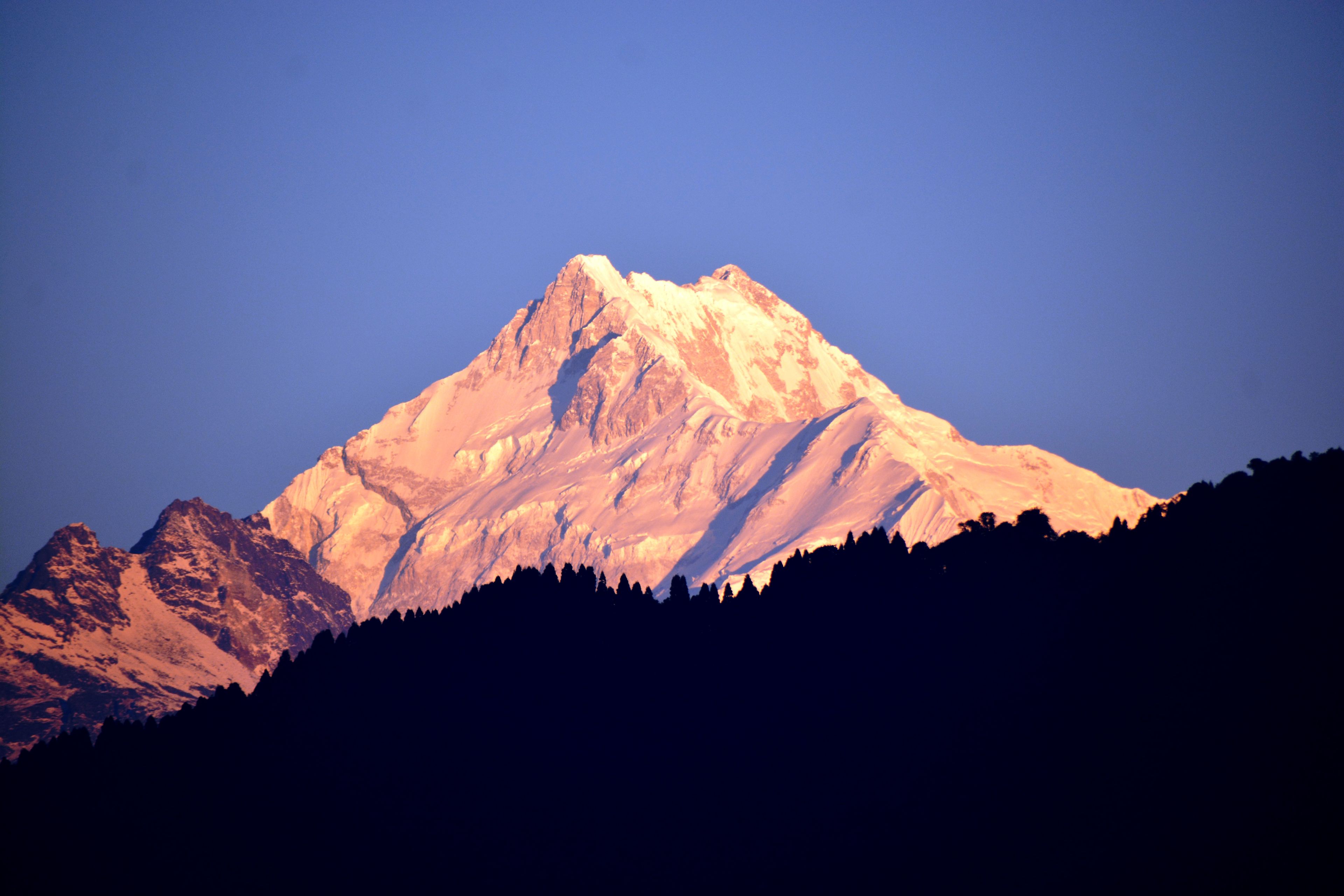
Kanchenjunga, at 8,586 metres, is the third highest mountain on earth, and the view of it at sunrise from Darjeeling, Pelling or Gangtok is one of the region's great moments. But clouds often hide it. The odds are best in October to early December and in March and April. We plan at least two mornings at viewpoints and never promise a clear sky. Even without the peak, the sunrise light, the tea gardens and the bustle of the town are worth the early start.
Culture, monasteries and food
The region blends Nepali, Bhutia, Lepcha and Tibetan influences. Monasteries such as Pemayangtse and Rumtek, prayer flags on every ridge and festivals through the year shape daily life. Food reflects the same mix: momos and thukpa, sel roti, gundruk, phagshapa and churpi cheese, with Darjeeling tea at the centre. Our food guide explains what to order.
Tea, trains and heritage
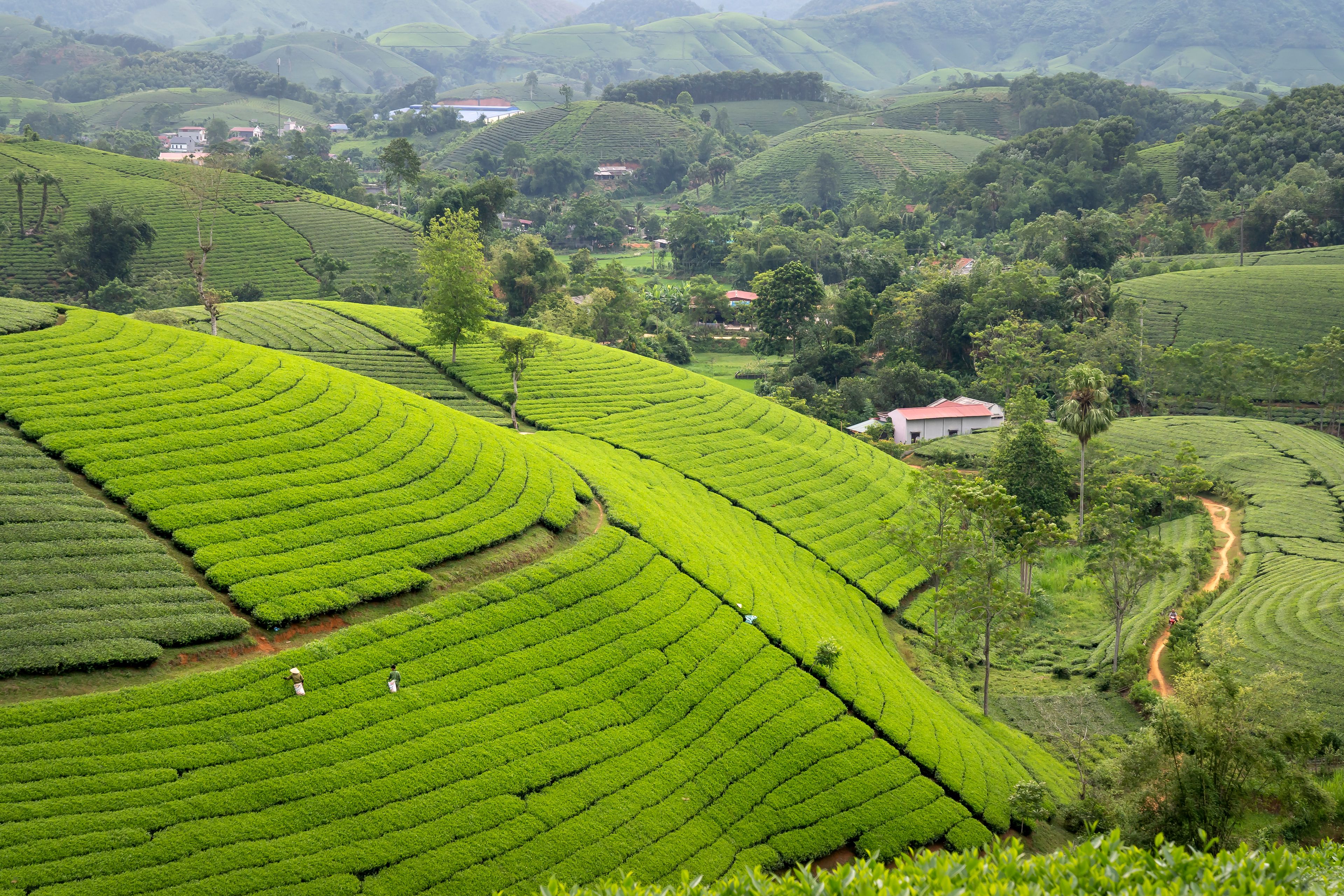
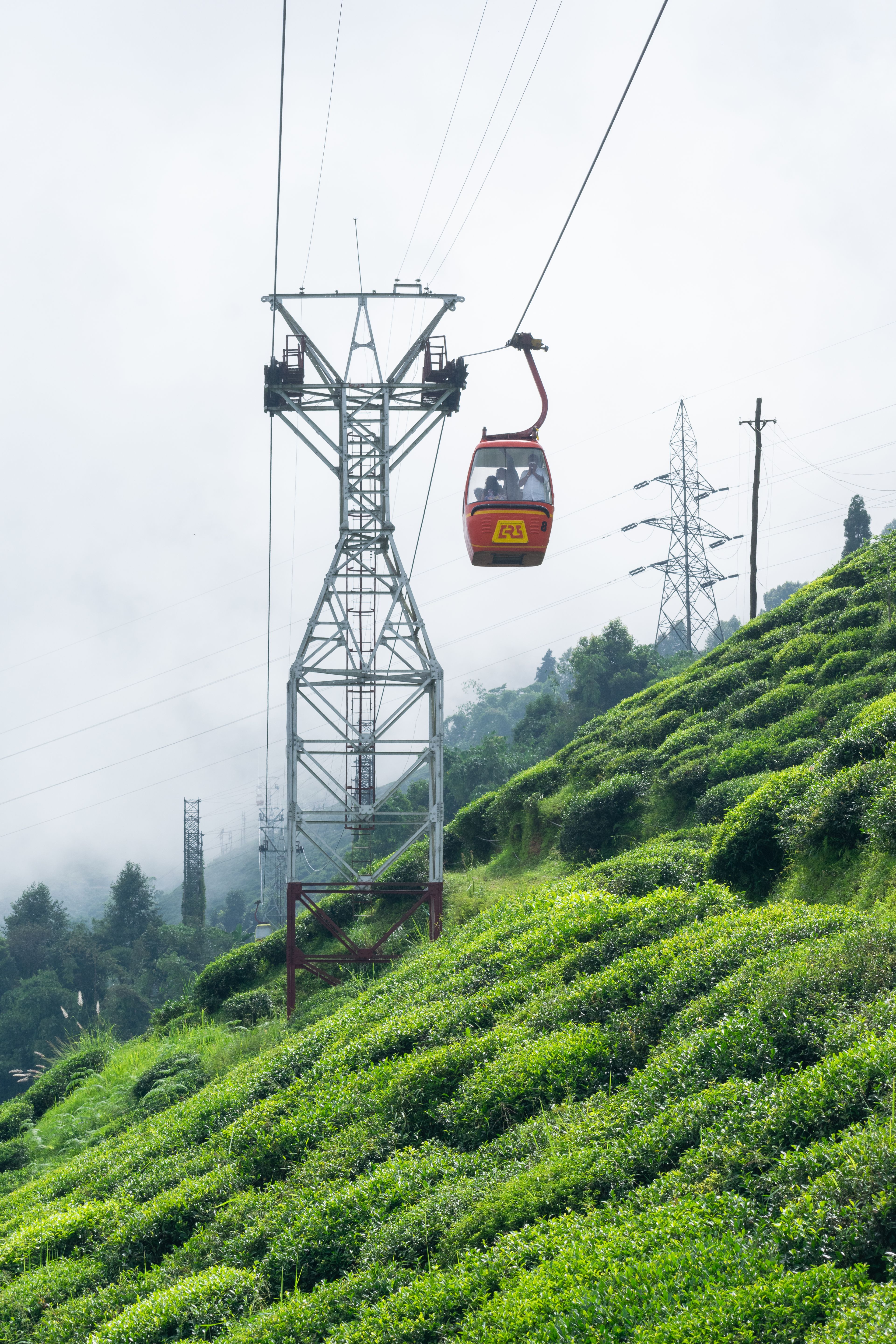
Darjeeling tea was the first Indian product to receive a Geographical Indication tag and is grown on steep estates around the town. The Darjeeling Himalayan Railway, a narrow-gauge line that climbs from the plains, is a UNESCO World Heritage Site, and short joyrides still run between Darjeeling and Ghum. Heritage hotels, old schools and the Himalayan Mountaineering Institute complete a town that feels frozen in a different era.
Altitude and health
Darjeeling, Gangtok, Kalimpong and Pelling sit below about 2,100 metres, and rarely trouble visitors. Tsomgo Lake, Nathu La, Yumthang and Gurudongmar are much higher. Take it slowly, drink water, avoid alcohol before high places and turn back if you feel unwell. People with heart or lung conditions should check with a doctor. See our altitude and monsoon guide.
A sample route, and how to read it
Most first trips follow a simple logic. You arrive at Bagdogra, climb to Darjeeling for two or three nights to see the tea hills, the Toy Train and a Kanchenjunga sunrise, then cross to Gangtok for another two or three nights, including a day at Tsomgo Lake. If you have more time, a night in Kalimpong breaks the long drive between the two, and Pelling adds a quiet, old-world corner of West Sikkim. North Sikkim comes last, because it needs the most days, the most permits and the most luck with the weather. The point is to give each base enough time, and to avoid ending every day in a car.
Festivals and the calendar
The region's calendar follows the lunar cycle, so dates move every year. Losar, the Tibetan New Year, falls in February or March, Saga Dawa in May or June, Pang Lhabsol in August or September and Losoong in December. Monasteries hold masked dances at set times, and the Puja and Diwali holidays in October and November fill hotels across Darjeeling and Gangtok. If a festival matters to you, tell us early, and if you want to avoid the crowds, tell us that too.
Flowers, birds and wildlife
Sikkim is one of the most botanically rich parts of the Himalaya, with more than forty species of rhododendron, hundreds of orchid species and forests that shelter red pandas, Himalayan black bears, serow and over five hundred bird species. Most visitors will see flowers and birds rather than large mammals. Spring is the season for rhododendrons, with Yumthang and the slopes near Tsomgo at their best in April and May. The Darjeeling zoo's conservation breeding programme for red pandas and snow leopards is a good place to see animals up close.
Winter in the hills
From December to February, the region is cold and bright. Darjeeling and Gangtok are chilly but comfortable with the right clothes, while Tsomgo, Nathu La, Lachung and Yumthang are snow-covered and sometimes cut off. Winter is quiet and photogenic, with sharp views on clear mornings and few other visitors. It is also the season when roads and permits are most likely to change at short notice. If snow is what you want, we will plan for it and keep the dates flexible.
Mistakes we help you avoid
- Packing five bases into five days.
- Relying on a single morning for the Kanchenjunga view.
- Going to Tsomgo, Nathu La or Gurudongmar without acclimatising.
- Booking a flight or train home on the same day as a long hill drive.
- Assuming permit advice from last year still applies.
- Travelling in heavy monsoon rain without a plan B.
Darjeeling and Sikkim for different kinds of traveller
Couples enjoy Darjeeling, Pelling and Gangtok at a gentle pace. Families like the Toy Train, zoo, ropeway and monasteries, with care at high places. Friends love Tsomgo, Yumthang and local cafes. Photographers have sunrise, tea gardens and monasteries. Senior travellers may prefer Darjeeling, Kalimpong and Gangtok. Trekkers can head to Yuksom, Dzongri and Goecha La with specialist operators.
Where to stay
Darjeeling offers heritage hotels, family hotels and homestays on the ridge. Gangtok has hotels near MG Marg and quieter ones on the slopes. Pelling has hotels with Kanchenjunga views. Lachung and Lachen have simple lodges. Book early for October, November, the Puja holidays and May to June.
Connectivity and money
Mobile coverage is generally good in towns but patchy in valleys and absent in parts of North Sikkim. ATMs are available in main towns but not in remote areas, so carry cash. Download maps and tickets in advance.
Responsible travel
Sikkim has strict rules on plastic and promotes organic farming, so carry a reusable bottle and avoid single-use plastic. Respect monasteries, dress modestly, ask before photographing people and keep to marked paths. Do not litter near lakes. Support local homestays, shops and drivers.
About our experience in the region
Our team includes Shagufta Parveen, who grew up in the Siliguri, Darjeeling and Sikkim region, and we work with local drivers and stays rather than relying on distant partners. That does not remove the risk of weather and landslides, but it helps us plan routes and hotels with a better sense of what each season brings.
Costs to expect
Costs depend on the season, hotel category, vehicle type and permits. October, November and May to June are busiest. Permits, entry fees and some activities are paid separately. See our Darjeeling and Sikkim trip cost guide for how a quote is built.
How we plan Darjeeling and Sikkim trips
We start with a conversation about who is travelling, when and what you want to see. Then we propose a route with realistic drive times, name the stays and vehicles, and write down what is included and what you pay locally. For permit-dependent places, we confirm the current rules before quoting. You review the plan, change what you like and confirm only when it works. There is no fee to start. Browse our Darjeeling and Sikkim tour packages, read the first-time visitor guide, or share your dates and group and we will draft a plan.