Short answer
Food in Darjeeling and Sikkim blends Nepali, Tibetan and Bhutia traditions: momos, thukpa, thenthuk, sel roti, gundruk, kinema, phagshapa, churpi cheese and millet beer called tongba. Darjeeling tea is famous worldwide. Vegetarians eat well, and Gangtok and Darjeeling have a lively cafe scene.
On this page 14 sections
The food of Darjeeling and Sikkim reflects the mix of people who live there: Nepali, Bhutia, Lepcha, Tibetan, Bengali and others. The result is a cuisine of warm soups, steamed dumplings, fermented vegetables, rice and simple spices, shaped by cold weather and the produce of the hills. Sikkim also promotes organic farming, and local vegetables are fresh and flavourful.
Dishes to try
- Momos. Steamed or fried dumplings filled with vegetables, chicken, pork or beef, served with a spicy tomato chutney. They are everywhere and often excellent.
- Thukpa. A noodle soup with vegetables or meat, comforting on cold days.
- Thenthuk. Hand-pulled noodle soup, thicker and chewier than thukpa.
- Gundruk. Fermented leafy greens, often made into a sour soup or side dish.
- Sinki. Fermented radish tap root, used in soups.
- Kinema. Fermented soybeans with a strong aroma, cooked into a curry.
- Sel roti. A ring-shaped sweet rice bread, eaten at festivals and breakfasts.
- Phagshapa. Stewed pork fat with radish and chilli, a Tibetan-style dish.
- Shaphaley. Fried or baked pastries filled with meat or vegetables.
- Churpi. Hard cheese made from yak or cow milk, used in soups or chewed as a snack. Kalimpong is known for its dairy products.
- Tongba. Fermented millet beer served in a bamboo mug with a straw, topped up with hot water.
Darjeeling tea
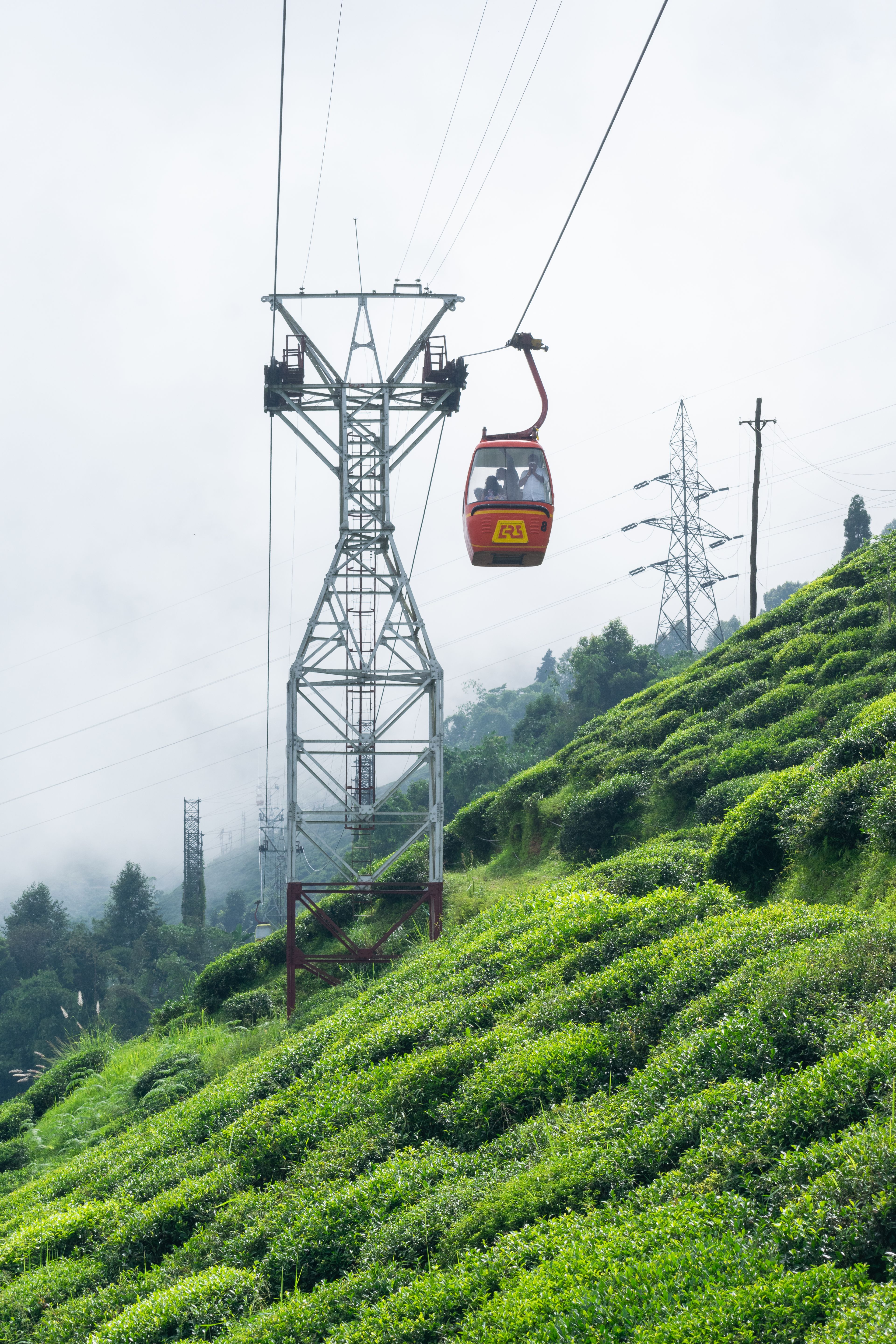
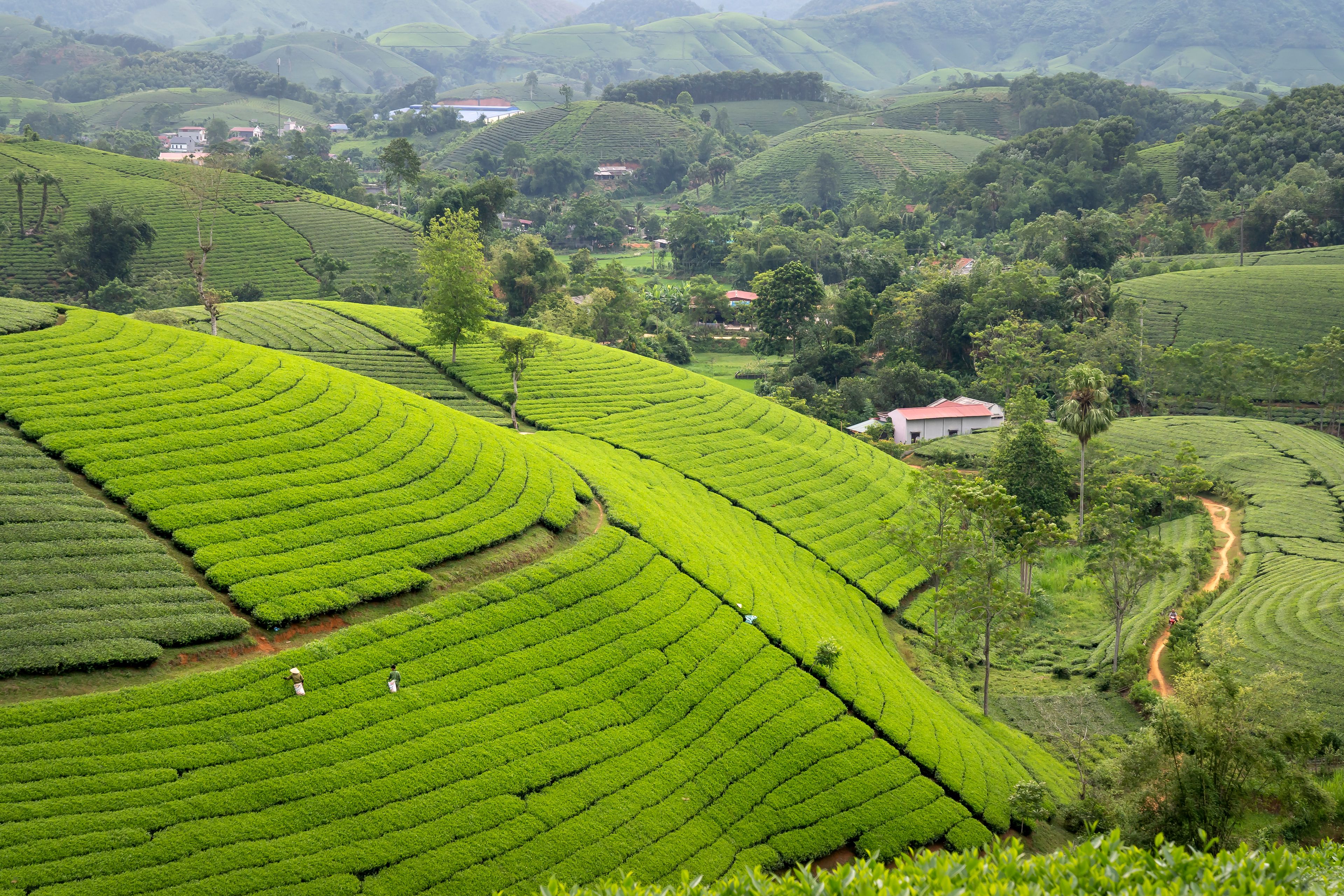
Darjeeling tea is one of the world's most prized teas. Its flushes differ in flavour: first flush is light and floral, second flush is fuller, and autumn flush is mellow. Tastings are offered at tea estates and shops. Buy from reputable sellers, and ask for the estate name and flush. See our guide to Darjeeling tea estates.
Eating in Darjeeling
Darjeeling has old bakeries, Tibetan restaurants, North Indian eateries and cafes with views. Try momos at a lane stall, a plate of thukpa after a cold sunrise, and a slice of cake with tea in an old-fashioned cafe. Many places close early, so plan dinner by eight or nine.
Eating in Gangtok
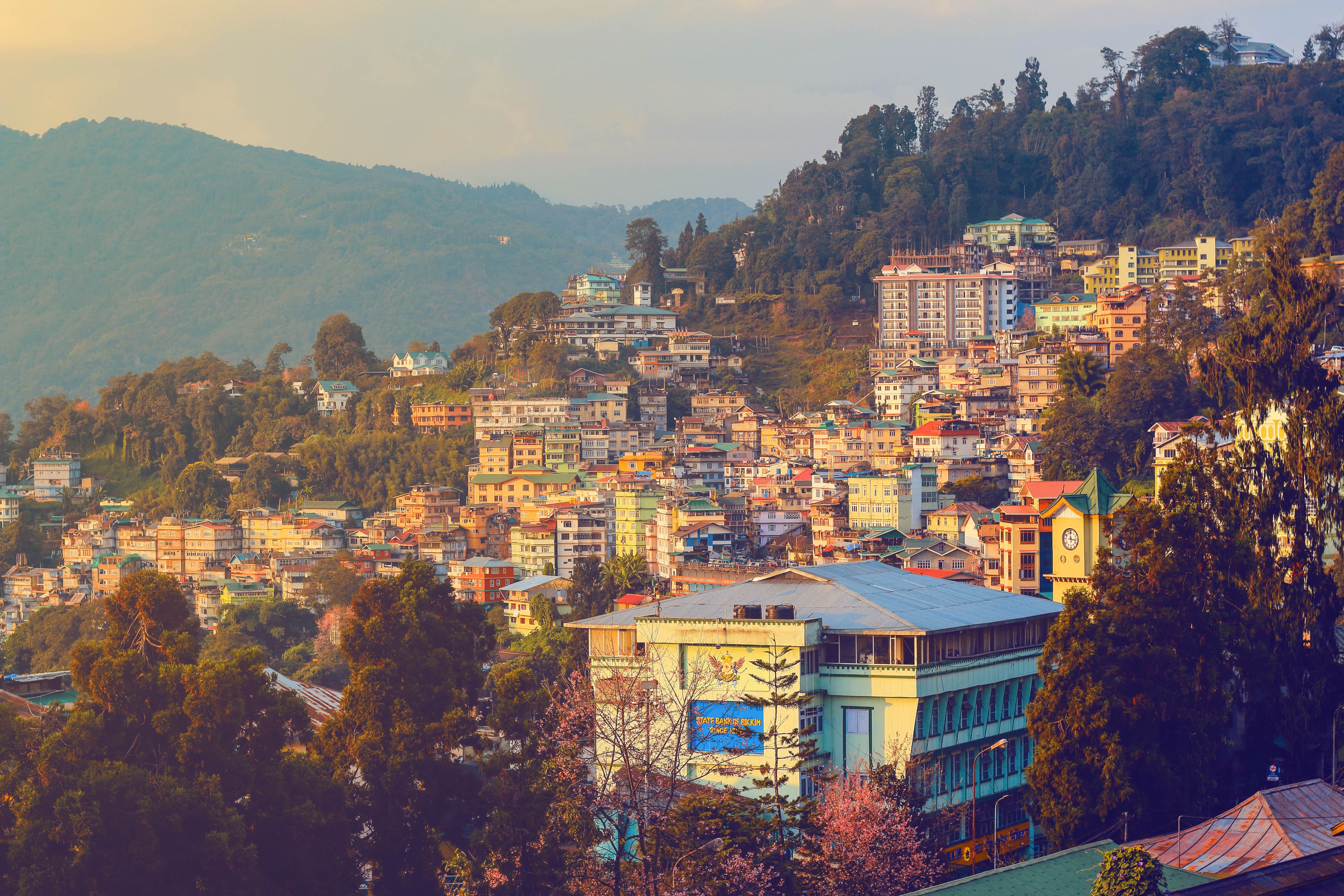
Gangtok's food scene is livelier, with cafes on MG Marg serving continental, Chinese and Tibetan food, bakeries, rooftop restaurants and live music venues. Local restaurants serve Sikkimese thalis with gundruk, kinema, seasonal greens and rice. Organic produce is a selling point.
Eating in Kalimpong and Pelling
Kalimpong is famous for cheese, dairy products and baked goods. Cafes serve momos, noodles and cakes. In Pelling, hotel restaurants and small eateries serve simple meals with views. In the villages, homestays offer home-cooked meals, often the best food you will eat.
Vegetarian and dietary needs
Vegetarians eat very well, with plenty of vegetable momos, thukpa, dal and rice, though some soups use meat stock, so ask. Vegans can manage in cafes and with notice in hotels. Beef and pork are common in local cuisine, and halal options exist in towns. Jain and gluten-free options are possible but need advance notice. Tell us in advance, and we will inform the hotels.
Eating at altitude
At Tsomgo Lake, Nathu La and North Sikkim, appetite can drop and digestion slows. Eat light, regular meals rich in carbohydrates, drink water and warm drinks, and avoid alcohol. Snacks such as nuts and biscuits help. Roadside stalls at Tsomgo sell momos, noodles and tea. Lodges in Lachung and Lachen serve simple meals, usually dal, rice, vegetables and soup.
A day of eating in the hills
A typical day might begin with toast, eggs and strong tea, or with sel roti and potato curry in a homestay. Lunch on the road is a plate of rice, dal and vegetables at a roadside eatery, or a bowl of thukpa if the weather is cold. In the afternoon, a break for momos and tea, or a slice of cake in an old-fashioned cafe. Dinner is the main meal: a stew, noodles or a thali, with soup to start and a cup of tea to finish. Meals are simple and filling, and the cooking is rarely heavy.
Street food and snacks
Look for steamed momos on a plate with chutney, fried momos on a stick, roasted corn, boiled eggs, fresh fruit, pakoras and chaat at local markets. Tibetan bread, called tingmo, is sold in some places. Choose busy stalls with fresh food, and avoid anything that has been sitting out. In the monsoon, be extra careful with street food and raw salads.
Sweets and drinks
Try local sweets such as sel roti, churpi-based snacks and sweets made with khoya. Warm drinks are central to hill life: butter tea, black tea with milk and sugar, and hot chocolate in cafes. Fresh orange juice from Sikkim's orchards, cardamom and organic honey make good souvenirs.
Alcohol
Alcohol is freely available in Sikkim and Darjeeling. Tongba is a local specialty. Drink responsibly and not before visiting high places or driving. Some pilgrim areas are alcohol-free.
Water and hygiene
Drink bottled or filtered water. Sikkim has restrictions on single-use plastic, so carry a reusable bottle where refill points are available. Wash your hands before eating. In the monsoon, take care with street food and raw salads. Stomach upsets are common if you are not careful.
Responsible eating
Choose local restaurants and homestays. Avoid wasting food. Do not buy endangered wild products. Tip fairly in small eateries. Ask before photographing people cooking.
Plan with us
Tell us about dietary needs when you send your dates, and we will plan hotels and meals accordingly. Read our first-time visitor guide for more, or see our Darjeeling and Sikkim tour packages.
Practical tips
- Try momos at a local shop, not only a tourist restaurant, and ask for the chutney.
- Taste a Darjeeling tea flight at an estate or a reputable shop.
- Eat light and drink water before high places such as Tsomgo and Nathu La.
- Tell us about dietary needs, which are easy to arrange in towns and harder in remote lodges.
- Be careful with street food in the monsoon, and choose busy stalls.