

Compare your options
Choose the right Darjeeling and Sikkim package

Need a different route or pace?
Tell us your travel dates, group size, starting point, preferred stay category and budget range. We will use those details to prepare a more relevant Darjeeling and Sikkim plan.
Sikkim is one of the more unusual corporate destinations in India. It is clean, relatively safe and scenic, and Gangtok has hotels with meeting space and a lively food scene. But reaching it involves a long road from Bagdogra, and landslides can interrupt travel, so the planning must be careful.
What a corporate plan covers
- A venue, such as a hotel in Gangtok with rooms, dining and, where possible, a meeting room.
- Flights and transfers. Group seat blocks into Bagdogra, with vehicles sized to the group for the four- to five-hour drive.
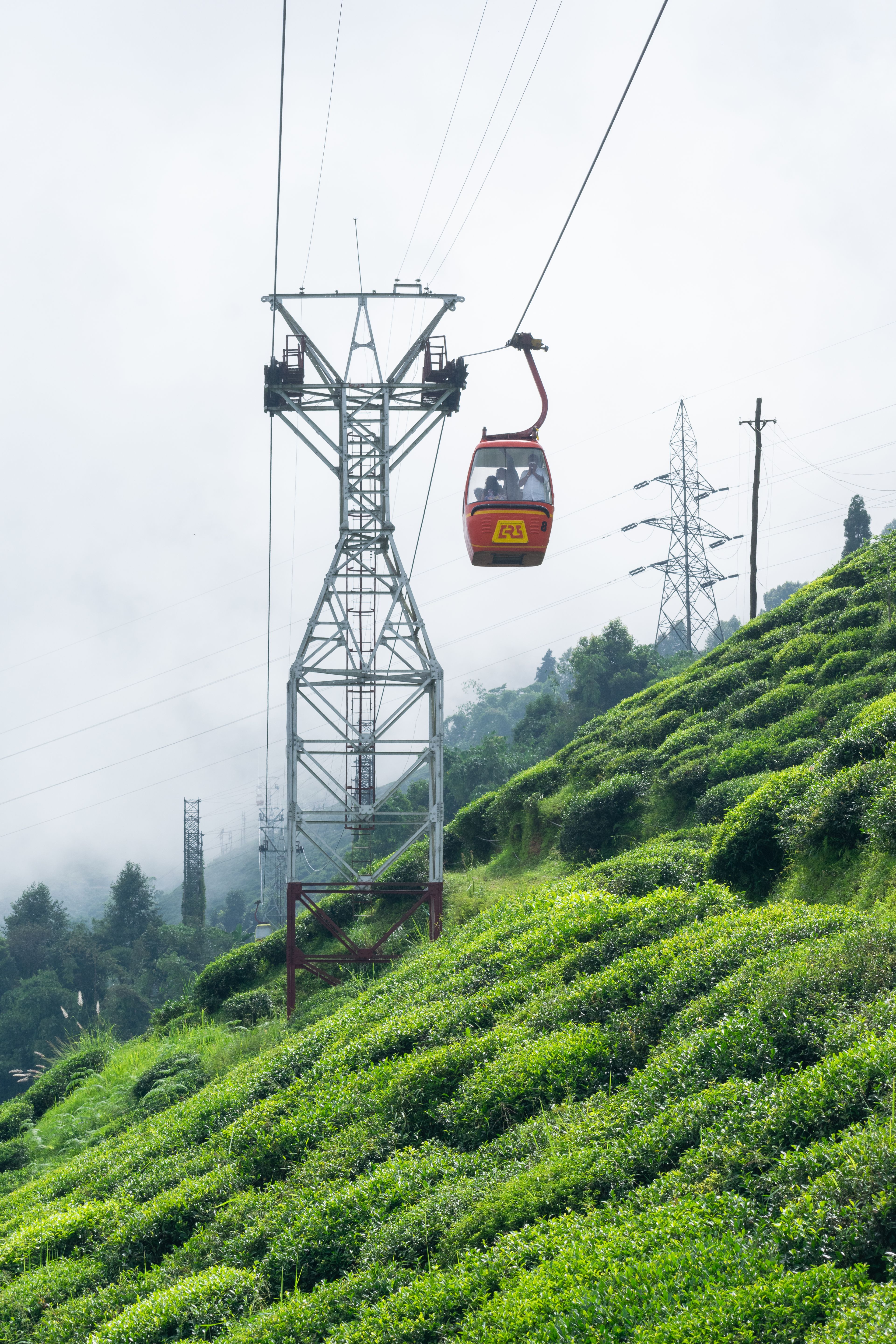
- A programme. A working day, a cultural day with monasteries, an evening on MG Marg and optional experiences such as the ropeway or Tsomgo.
- Coordination. One point of contact for the organiser.
- Clear costs. Inclusions, exclusions and optional extras listed before approval.
Practical constraints
The road from Bagdogra to Gangtok runs along the Teesta and may be closed after heavy rain. Meeting spaces in Gangtok are limited, so we check availability early. Flights to Bagdogra fill fast, particularly in October and May. Altitude is mild in Gangtok but higher at Tsomgo, so excursions are optional. We keep a buffer day for weather and follow official advice.
Choosing the format
Groups of ten to forty fit well in Gangtok hotels. Larger groups may need two properties. Incentive trips often emphasise experiences, such as a monastery visit, a local dinner, a cooking session or a ropeway ride, rather than formal sessions.
Planning notes
Book flights and hotels three to four months ahead for peak periods. Collect IDs early. Brief participants on dress, altitude and local rules. Avoid scheduling the trip in the heart of the monsoon.
Where to begin
See the Gangtok corporate offsite for a sample structure. Share your group's size and goals and we will draft a programme.
Plan smarter
Related guides
Best Time to Visit Darjeeling and Sikkim
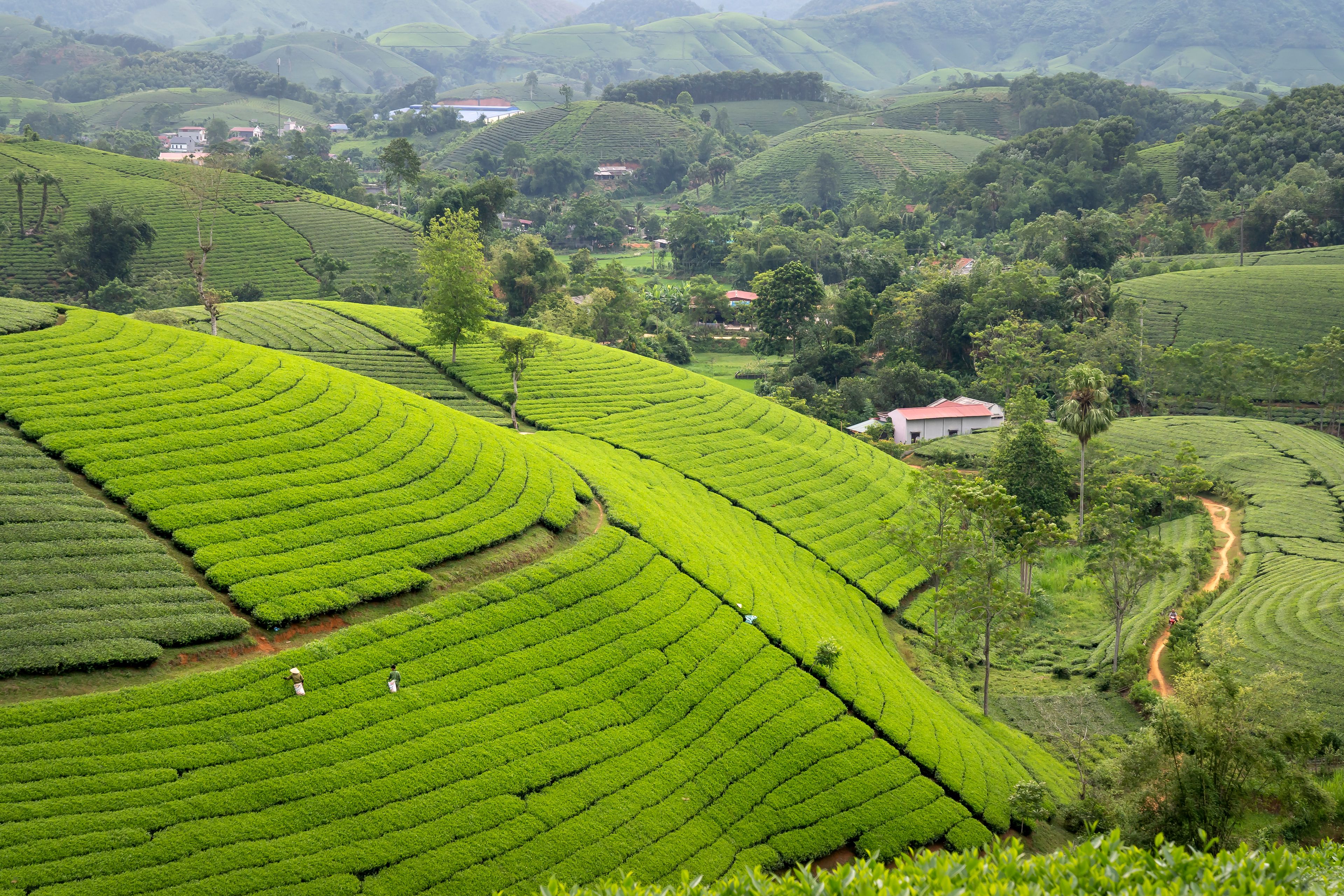
Month-by-month advice for Darjeeling and Sikkim: spring blooms, the monsoon landslide season, the clear weeks of autumn and winter snow.
How to Reach Darjeeling and Sikkim
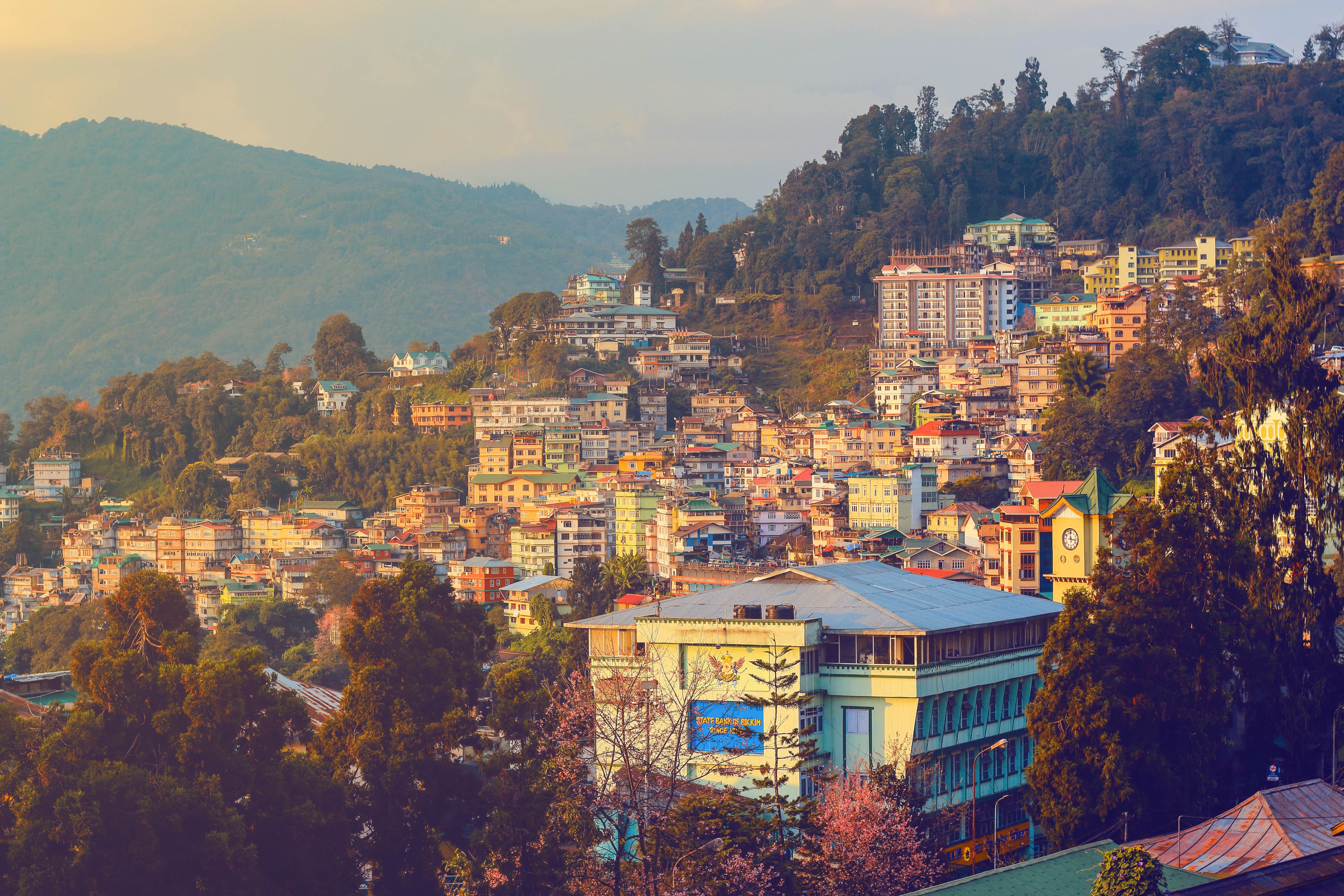
Flights to Bagdogra, trains to New Jalpaiguri and the hill roads onward to Darjeeling, Kalimpong, Gangtok and Pelling.
Darjeeling and Sikkim Weather Month by Month
Temperatures, rain, fog and snow across Darjeeling, Gangtok, Pelling and the high places of Sikkim, with notes on what to pack.
Helpful answers
Frequently Asked Questions
How many days do I need for Darjeeling and Sikkim?
Six to eight days is a comfortable minimum for Darjeeling and Gangtok with a day trip to Tsomgo Lake. Add two days for Pelling and two or three for North Sikkim. Hill roads are slow, so five days leaves little time to enjoy each place, and trying to see everything in four is mostly driving.
Are the roads in Sikkim safe?
Roads are narrow and climb through steep, landslide-prone slopes, and the NH-10 stretch from Siliguri to Gangtok along the Teesta river is closed from time to time after rain. Experienced local drivers matter a great deal. We avoid night driving, leave early in the day and keep spare days in the plan.
Is it safe to travel in the monsoon?
It can be done in lower places, but landslides, road closures and cancelled permits are common from June to September. If you must go, choose Darjeeling, Kalimpong and Gangtok, keep dates flexible, avoid long single-day drives and expect cloud to hide the views. North Sikkim is generally best avoided in heavy rain.