Short answer
Himachal is welcoming and generally safe, but the mountains carry real risks: landslides, flash floods, altitude sickness and accidents on adventure activities. Follow weather alerts, choose registered operators, ascend gradually and respect local rules and laws.
On this page 16 sections
Himachal welcomes millions of visitors, and most have a trouble-free trip. But mountains have their own risks, and the state has seen serious monsoon disasters in recent years. This guide covers the main hazards and gives practical advice for staying safe and being a thoughtful visitor.
Monsoon and landslides
The July to September rains are the biggest danger in Himachal. Landslides, flash floods, cloudbursts and washed-out roads occur every year, and some years are devastating. The Chandigarh to Manali highway, roads in Kullu and Mandi, and routes to Lahaul and Spiti are especially vulnerable.
- Check state and district weather alerts before every journey.
- Avoid travelling in heavy rain or when a red or orange alert is in force.
- Do not insist on crossing damaged or flooded roads.
- Stay away from riverbeds, stream crossings and steep slopes.
- Choose hotels that are not on steep, eroded hillsides or beside swollen rivers.
- Keep a buffer of two or three days if you travel then.
Rivers and water
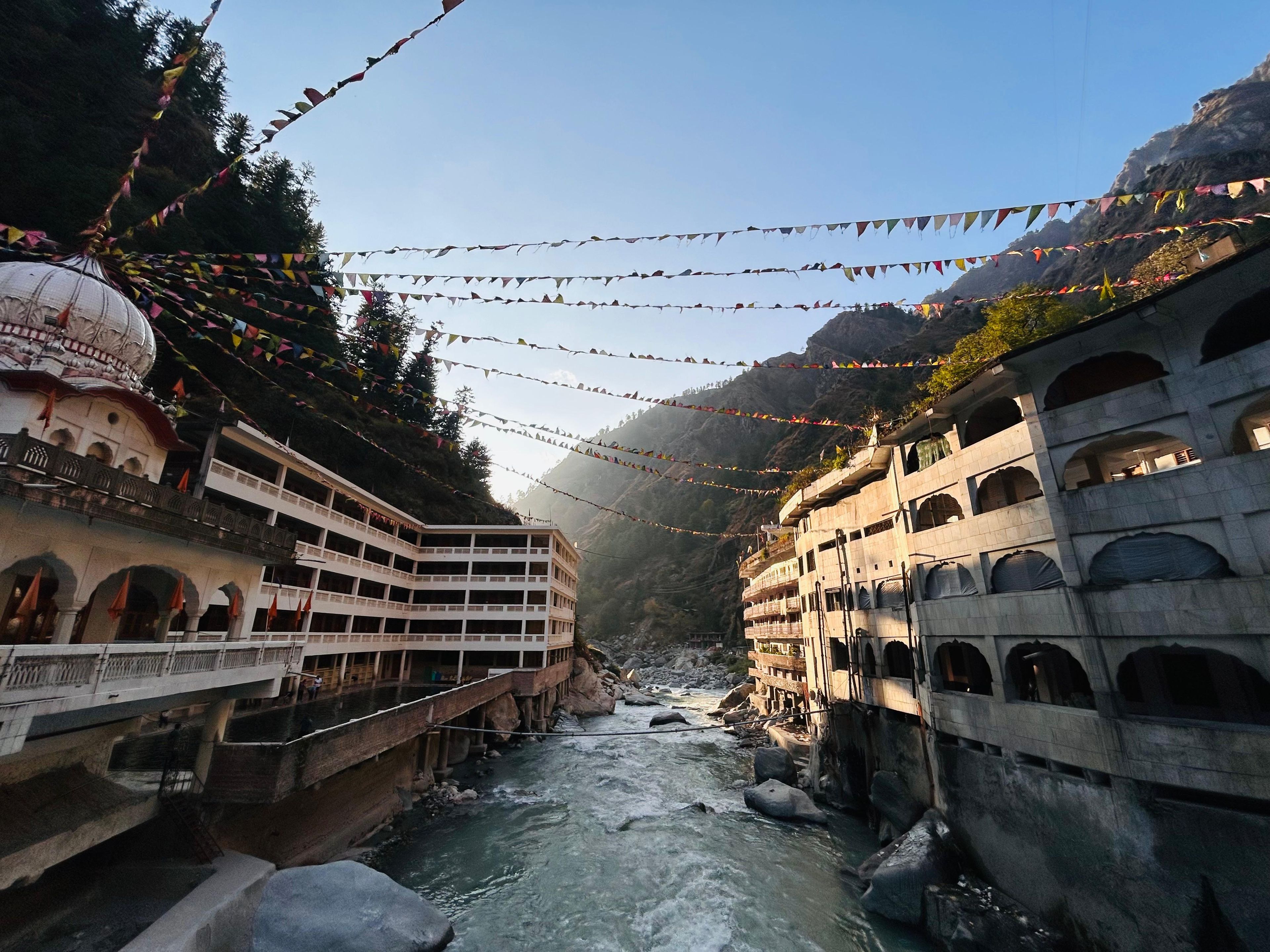
The Beas, Parvati and other rivers are beautiful, and also dangerous. Water levels can rise suddenly because of rain upstream or dam releases, and several accidents have involved visitors swept away. Heed warning signs, do not swim in fast water and keep children away from the edge. If you hear a siren or a warning, move to higher ground.
Altitude sickness
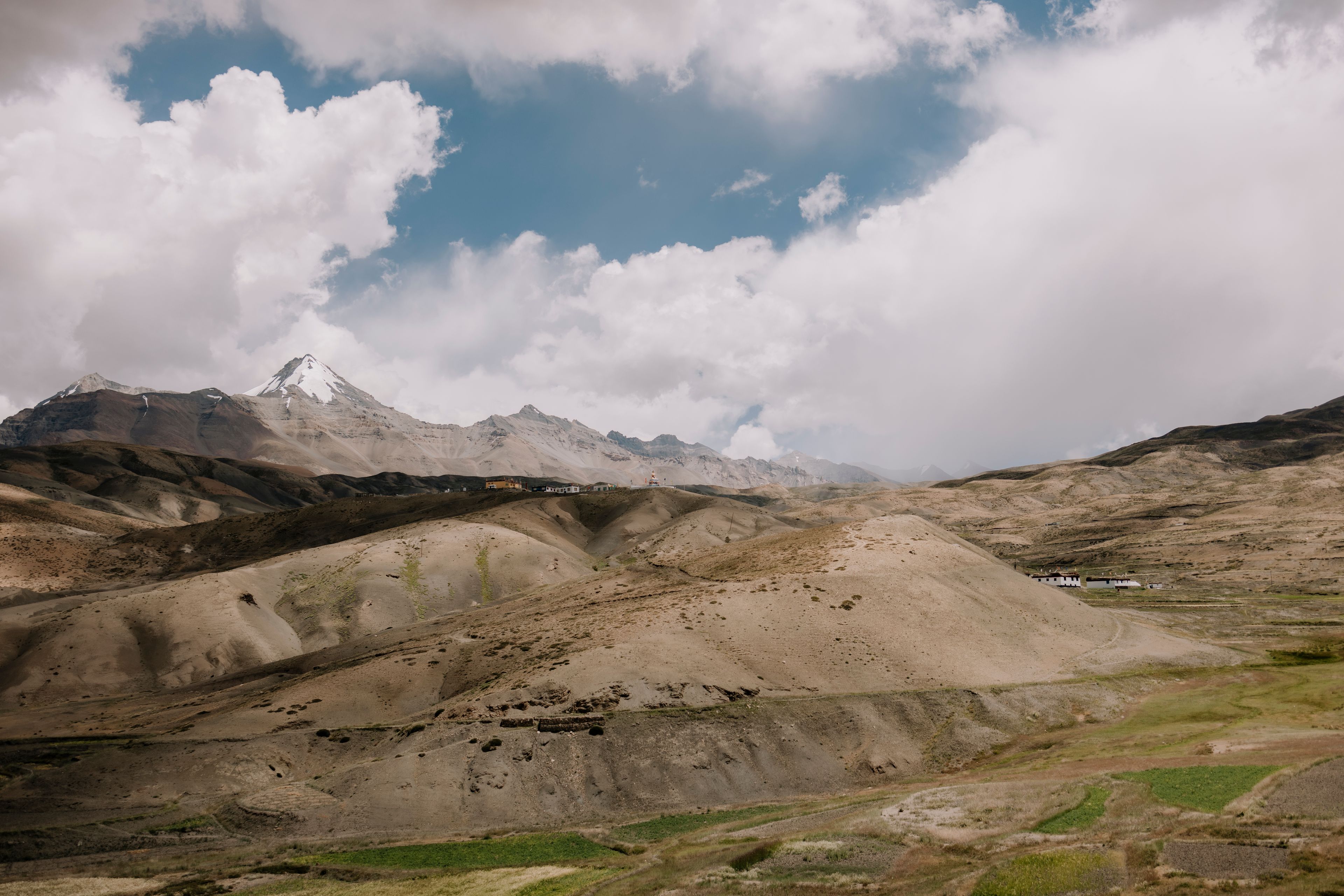
Above about 3,000 metres, including Spiti, Chandratal, Rohtang and some treks, altitude can affect you. Symptoms include headache, nausea, dizziness, breathlessness and sleeplessness. Severe cases can be life-threatening.
- Ascend gradually, and spend nights at intermediate heights.
- Drink plenty of water, and avoid alcohol.
- Rest on arrival, and avoid heavy exertion.
- Eat light meals.
- Descend if symptoms get worse.
- People with heart, lung or blood conditions should consult a doctor before going, and some doctors suggest medication.
Adventure activities
Paragliding, rafting, skiing, trekking and zip-lining are a big part of Himachal tourism. They can be great fun, but accidents happen, particularly with unregistered operators.
- Choose registered companies with trained instructors.
- Check the equipment, and ask about insurance.
- Do not accept offers that are much cheaper than the rest.
- Follow instructions and be prepared to cancel if weather is poor.
- Disclose medical conditions.
- Wear helmets and life jackets.
Treks and the mountains
Even short treks like Triund can be dangerous in bad weather. Go early, carry water and warm clothing, tell someone your plan and turn back if clouds roll in. For longer treks, use registered guides and operators, and follow forest department rules.
Wildlife and animals
Monkeys are common at tourist sites like Jakhoo in Shimla and will snatch food and belongings. Keep food hidden, and do not feed them. Leopards and bears are present in forest areas, so avoid walking alone at night. Treat horses and ponies with care, and choose handlers who look after their animals.
Drugs and the law
Possession and use of drugs is illegal, including cannabis products in places like the Parvati Valley. Police run operations in tourist areas, and some visitors have ended up in serious trouble. Do not buy, carry or use drugs, and avoid people who offer them. Be cautious with party invitations from strangers.
Staying safe at night
In hill towns, evenings are generally safe, but streets can be dark and steep. Carry a torch, wear shoes with grip and avoid walking alone on remote paths. Use registered taxis, and be cautious about late-night party invitations. Hotels with good locations and security make a difference.
Insurance
Travel insurance that covers medical costs, evacuation and cancellations is wise for high-altitude and adventure trips. Check that it covers activities such as paragliding and trekking, and carry a copy of the policy.
Learn the basics of first aid
A little preparation goes a long way. Know how to treat minor injuries, blisters and sprains, and recognise signs of altitude sickness and hypothermia. Carry a small kit, and if you plan to trek, learn the route and the nearest help. In remote areas, help may take hours to arrive.
Responsible travel
Himachal's mountains are fragile. Carry your waste out of treks and meadows, avoid single-use plastic, and do not light fires in forests. Support homestays and local guides, and pay fair prices for rides and services. Do not damage prayer flags, mani walls or monastery property, and walk clockwise around Buddhist structures.
Etiquette
- Dress modestly in temples and monasteries.
- Remove shoes where required.
- Ask before photographing people.
- Be quiet in sacred places.
- Respect local festivals and processions.
Health
Carry sunscreen, lip balm, a first-aid kit and regular medicines. Drink bottled or filtered water. Pharmacies are available in towns, but remote areas like Spiti have limited supplies and health facilities. Consider travel insurance that covers medical evacuation.
Women, families and solo travellers
Himachal is generally considered safe for women and solo travellers, with a strong tourist infrastructure. Use common sense: choose reputable hotels, avoid isolated areas at night, use registered taxis and share your plans. Families will find hill stations welcoming and easy.
In an emergency
India's single emergency number is 112, which connects to police, fire and ambulance services. The Ministry of Tourism's tourist helpline is 1363. Save your hotel's number and your planner's number. If something goes wrong on a booked trip, call us and we will help coordinate with hotels and drivers.
Plan with confidence
Safety is mostly about planning. Our Himachal tour packages include experienced drivers, vetted hotels and clear information on activities. Tell us what you need and we will plan around it.
Practical tips
- Check weather and road alerts every morning in the monsoon and winter.
- Choose registered adventure operators, and ask about equipment and insurance.
- Stay away from riverbanks and dry riverbeds in the rains.
- Ascend gradually above 3,000 metres, and descend if symptoms worsen.
- Avoid drugs; they are illegal and police operate in tourist areas.