Short answer
A Kerala trip's cost depends mostly on season, hotel and houseboat category and the route. Peak weeks around Christmas and New Year and Onam cost much more, and a luxury houseboat can cost several times a basic one. Entry tickets, boat rides and some meals are paid locally.
On this page 12 sections
"How much does a Kerala trip cost?" is the question we get most. The honest answer is that it depends on how you choose to travel. A simple homestay trip and a luxury resort trip can differ many times over for the same route. This guide explains what moves the price, gives a rough planning frame and shows how to compare quotes. It is a planning guide, not a price list; real rates change with season and availability, and we confirm them in a written quote.
What drives the cost
Season and dates. December to January, Onam and school holidays are peak, with the highest hotel and houseboat rates. The monsoon months of June to August have the lowest rates. Shoulder months fall in between.
Hotel and resort type. Homestays, plantation cottages, lakeside resorts and beach hotels are priced very differently. A tea-estate bungalow in Munnar and a luxury resort at Kumarakom can differ by several times.
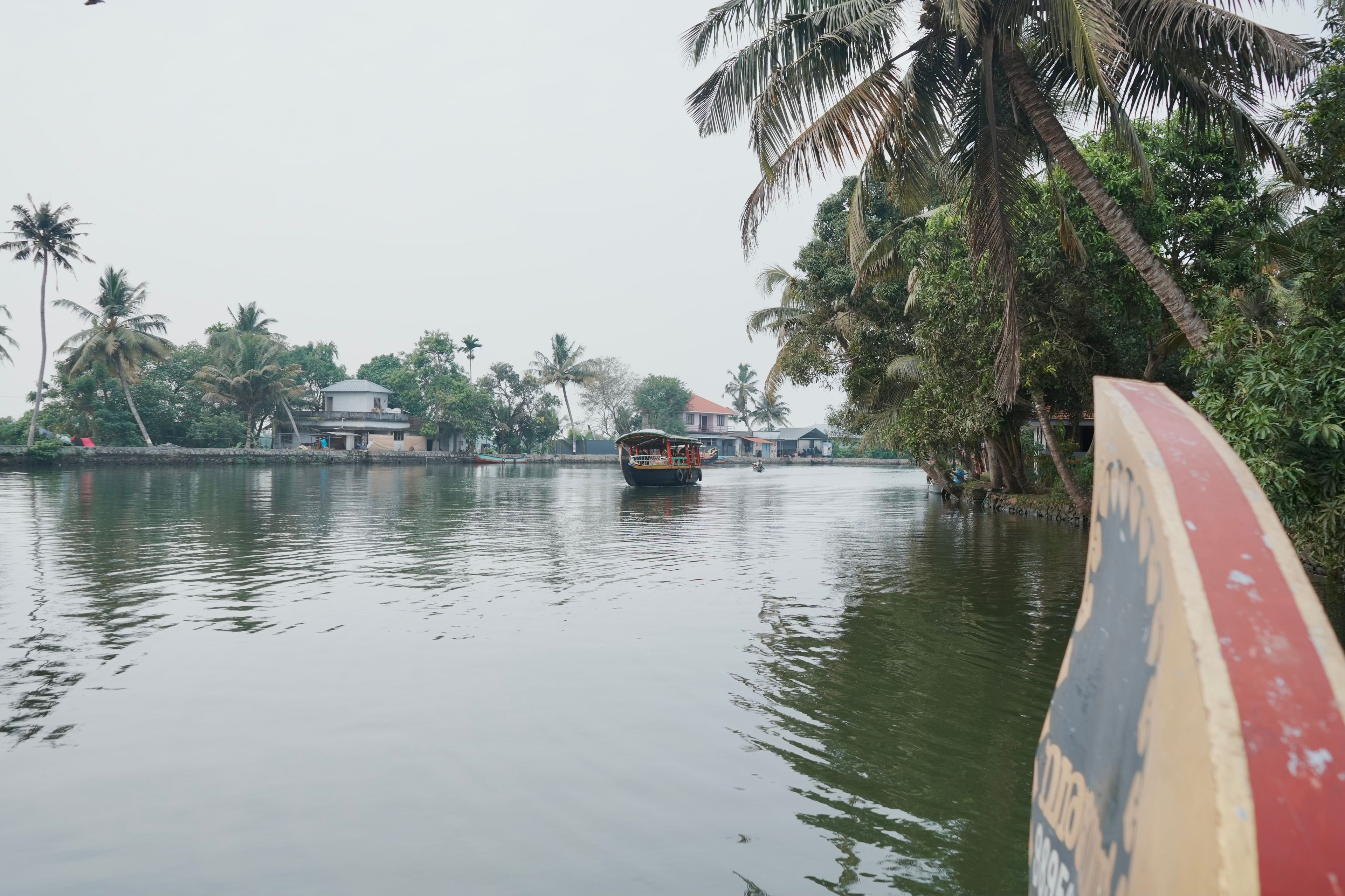
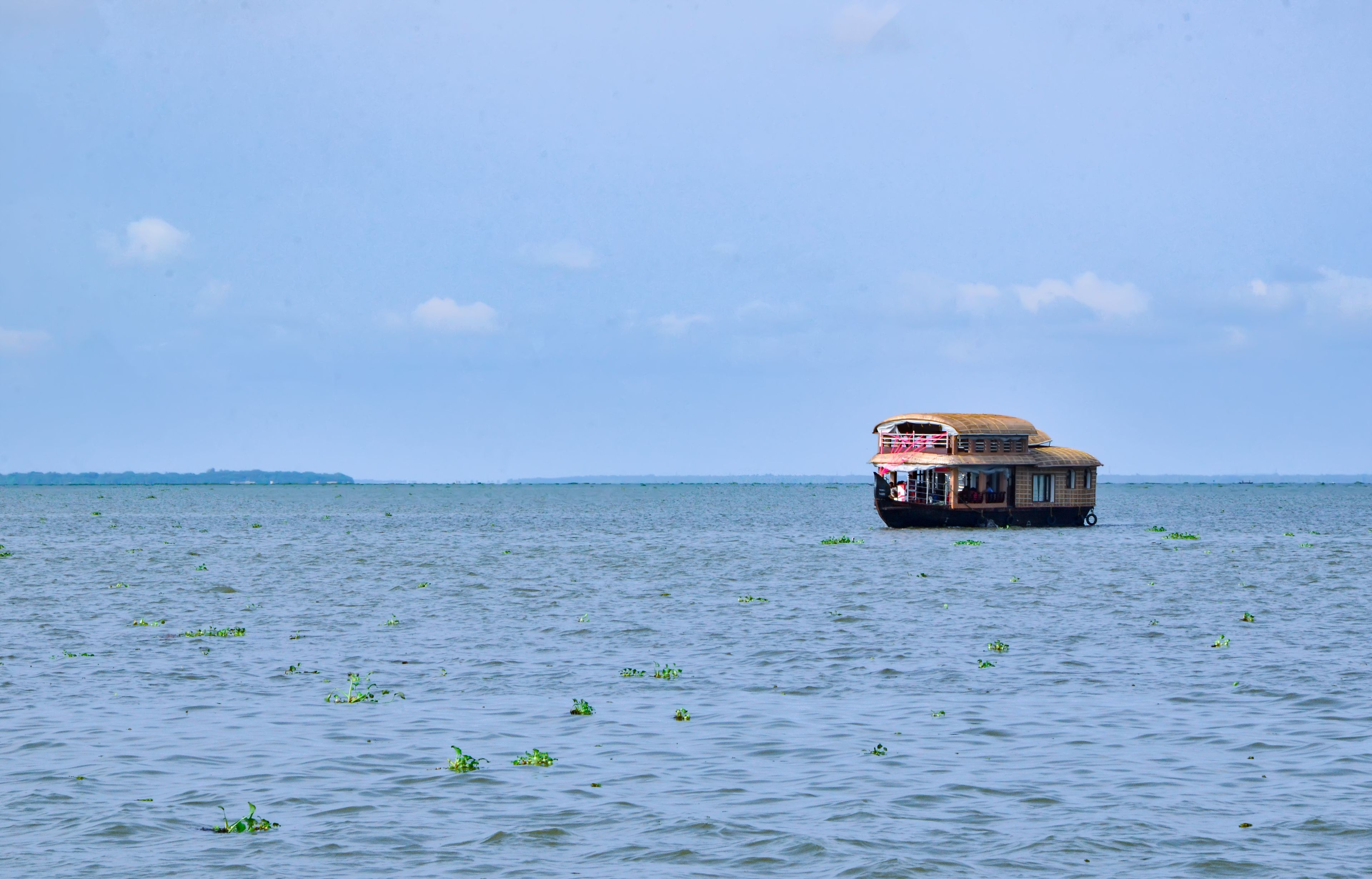
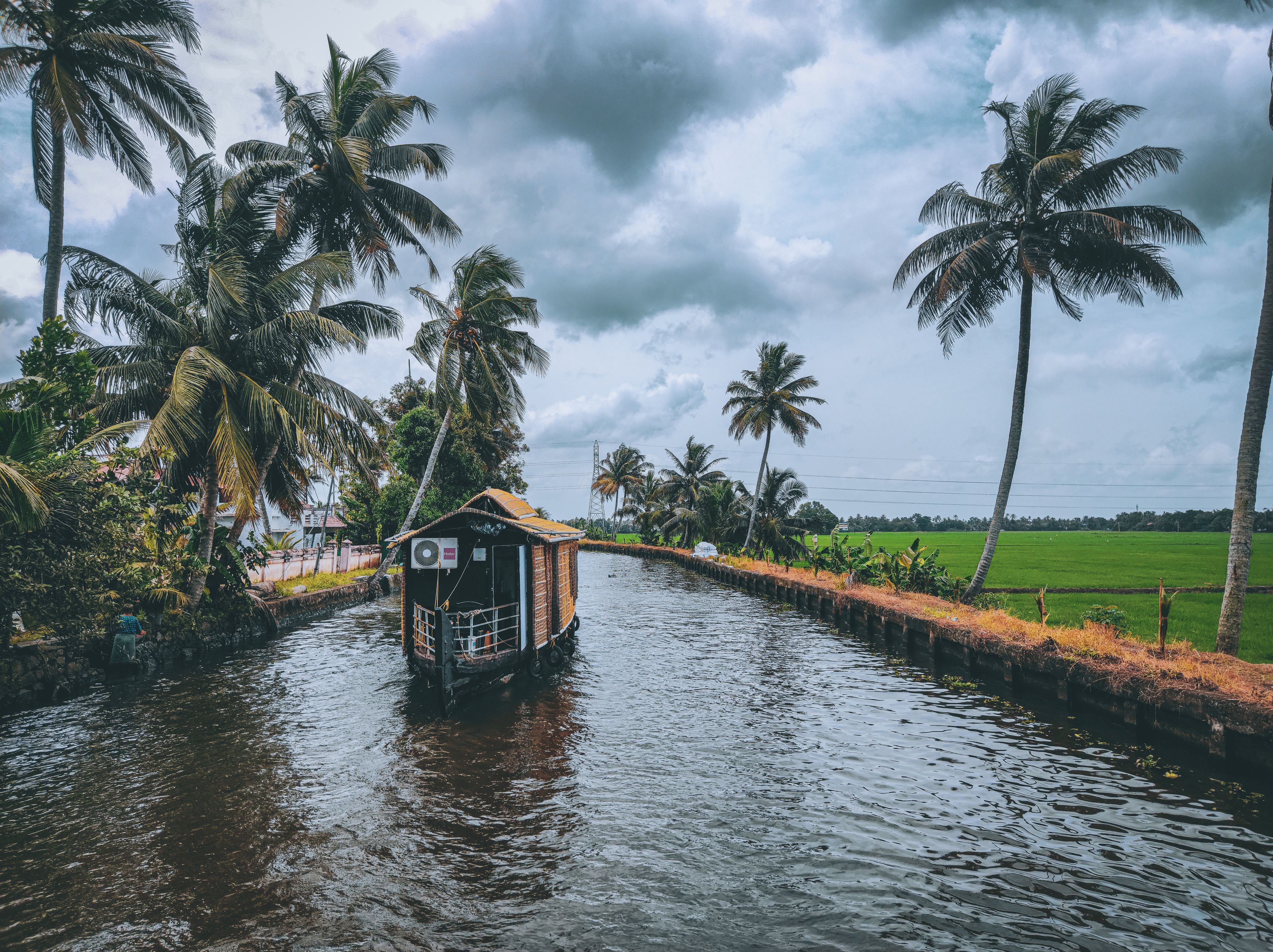
Houseboat category. Houseboats range from basic one-bedroom boats to large, air-conditioned luxury boats. The classification (Diamond, Gold or Silver), the number of bedrooms, the season and the inclusions all affect price. A day cruise costs much less than an overnight stay.
Route and number of bases. Each extra base adds hotel costs, meals and driving time. A simple two-base trip is often better value than a five-base circuit.
Vehicle. A sedan costs less than an SUV or tempo traveller. Larger groups share the cost.
Meals. Breakfast is the usual inclusion. Houseboat nights usually include lunch, dinner and breakfast. Other meals are often paid locally.
Activities. Boat rides, performances, safaris and Ayurveda sessions are priced individually.
A rough planning frame
For a six-night trip for two travellers, excluding flights, packages tend to fall into three bands in the shoulder season:
| Style | What it typically looks like |
|---|---|
| Value | Simple hotels and homestays, a basic houseboat or shared option, a smaller vehicle |
| Comfortable | Good hotels or resorts, a classified private houseboat, a private car, breakfast included |
| Premium | Luxury resorts or tea-estate villas, a luxury houseboat, upgrades and special experiences |
Each band rises sharply in peak weeks and falls in the monsoon. We do not publish fixed prices because they change quickly. Ask for a quote and we will price your actual dates.
How a quote is built
- Accommodation for each night, by hotel category and room type.
- Houseboat, priced by boat category and meals included.
- Meals, usually breakfast, sometimes more.
- Transport, by vehicle type and total distance, including driver allowance, toll and parking.
- Included experiences, such as a boat ride or a show.
- A service margin for planning and coordination.
Anything outside these lines is paid locally.
Costs paid on the spot
- Entry tickets to parks, museums and attractions.
- Periyar boat rides and forest-department activities.
- Performances, such as Kathakali or kalaripayattu demonstrations.
- Ayurveda massages outside the package.
- Lunches, snacks and drinks.
- Shopping, tips and personal expenses.
Ask for approximate figures so that you can plan a daily budget.
Houseboat pricing: what to know
A good price is not necessarily the lowest. Very low offers often mean old boats, poor hygiene, unsafe practices or hidden extras such as air-conditioning charges. Ask about the classification, registration, cabin photos, meals, crew and any extra charges. A reputable operator will answer clearly.
Cost by type of traveller
- Couples pay more per head for transport but can choose a smaller vehicle.
- Families benefit from family rooms and shared vehicles.
- Groups lower per-person costs by sharing houseboats, vehicles and rooms.
- Solo travellers often pay a single supplement for a room.
- Wellness travellers pay for the treatment programme on top of the stay.
When to book to save
For peak weeks, book two to three months ahead. For shoulder season, four to six weeks is usually enough. In the monsoon, you can often book a few weeks or even days ahead. Late bookings in peak season leave you with limited choices, often far from the main attractions.
Red flags in very cheap quotes
- No hotel names or categories.
- A houseboat with no classification or registration details.
- Meal plans that are unclear.
- A vehicle that changes during the trip.
- Pressure to pay in full without written terms.
Hotel, homestay or resort?
Homestays and plantation bungalows give a personal touch, home cooking and local advice, usually at moderate rates. Resorts offer pools, spas, restaurants and reliable service at higher prices. Houseboats are an experience rather than a hotel, and are priced by boat. Mix them: a homestay in Munnar, a houseboat for one night and a resort at the end gives variety without breaking the budget.
Hidden costs to watch for
Taxes and service charges, extra air-conditioning hours on a houseboat, camera fees at some parks, parking charges, tips and the cost of lunches can add up. Ask your planner to list them, and keep a small daily budget for incidentals.
Why prices vary so much
Two trips on the same route can differ greatly because of the houseboat, the hotel category, the vehicle and the month. A premium resort with a spa will cost several times a simple homestay, and a luxury houseboat with several cabins costs far more than a one-bedroom boat. The key is to decide where you want to spend more, and where you are happy to save.
Saving money sensibly
- Travel in shoulder season or the monsoon if you do not need the beach.
- Choose fewer bases.
- Mix one special stay with comfortable standard hotels.
- Skip optional extras you do not care about.
- Share houseboats and vehicles in a group.
See our Kerala tour packages for typical routes, or send us your plan and we will respond with a written quote.
Practical tips
- Compare packages by hotel names or categories and houseboat classification, not only the price.
- Avoid Christmas, New Year and Onam if you want lower rates.
- Fewer bases often mean better value and less driving.
- Budget separately for entry tickets, boat rides, performances and lunches.
- Ask what happens to the price if your dates or hotel category change.