On this page 10 sections
A night at Pangong is one of those experiences people talk about for years, though not always for the reasons they expect. The lake is beautiful beyond photographs, but the stay is simple, cold and a test of altitude. If you go prepared, with the right expectations and the right camp, it can be the highlight of your Ladakh trip.
What the lake looks like
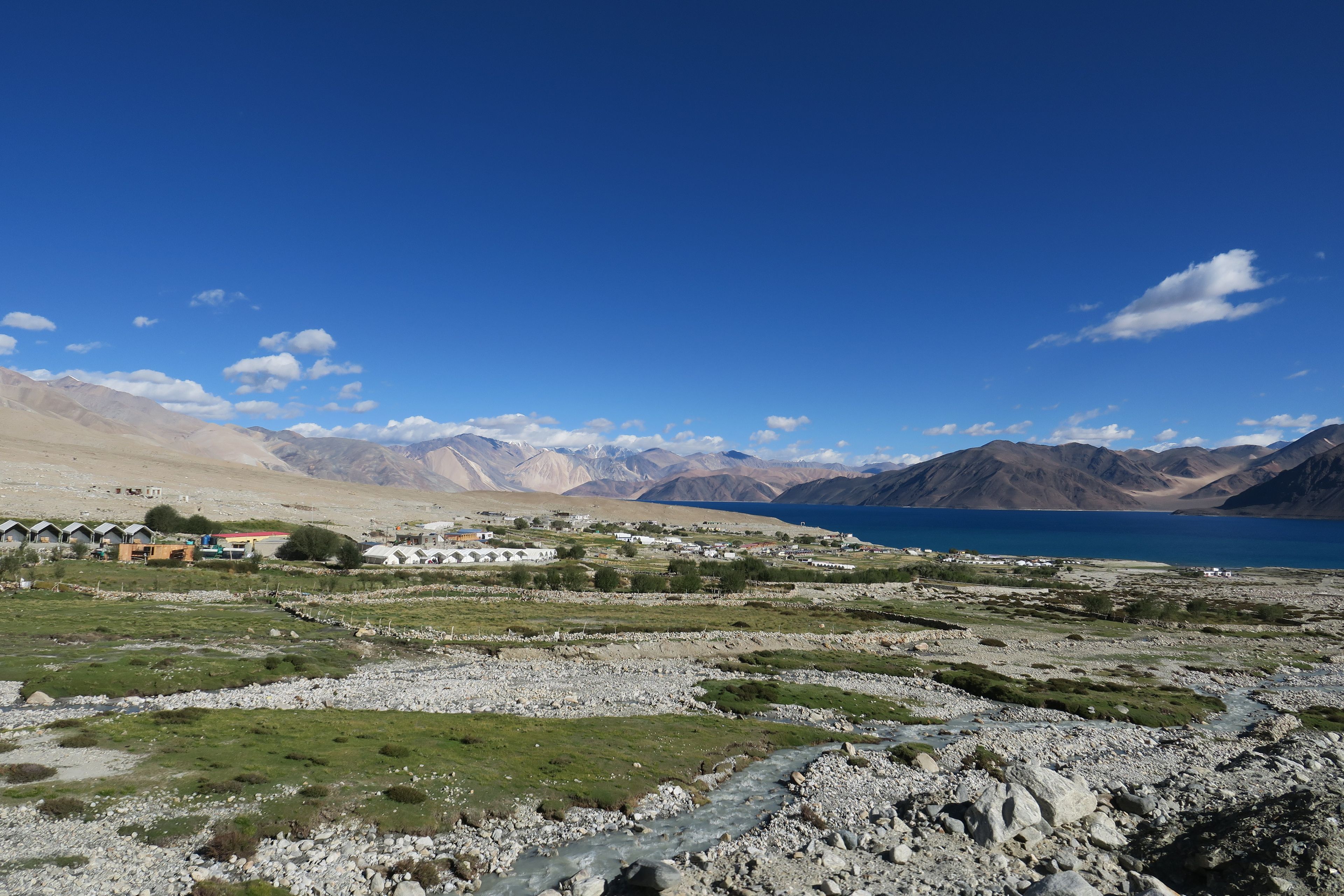
At sunrise, the water is a deep, still blue, with mountains reflected in it. As the day goes on, it shifts to turquoise and then to a harder, paler tone. In the evening, the surrounding hills glow orange and pink. On windy days, the surface roughens, and the colours change again. The lake is long and narrow, and the view stretches far into the distance, towards the Tibetan plateau.
The camp experience
Camps near Spangmik, Maan and Merak range from basic tents to small cottages. A typical camp offers:
- A tent or room with beds, blankets and sometimes a heater.
- Shared or attached bathrooms, which may be simple.
- Limited hot water, usually in buckets.
- Electricity for a few hours from a generator or solar panel.
- Simple meals in a dining tent: dal, rice, vegetables, rotis, soup and tea.
- Spectacular views and silence.
Do not expect hotel comfort. Ask your planner about the camp's bedding, bathroom type and heating, and bring a warm sleeping bag liner.
Sunrise and stars
Sunrise comes early, and it is cold, but it is worth getting up. Wrap in layers, take a flask of tea and sit by the water. At night, if the sky is clear, the stars are brilliant, and the Milky Way is visible. A torch with a red light helps preserve night vision.
Altitude and sleep
At about 4,350 metres, sleep can be restless. Many people wake with headaches or a racing heart. To help:
- Acclimatise in Leh first for at least 48 hours, and preferably three days.
- Drink water through the day, and avoid alcohol.
- Eat light dinners.
- Do not exert yourself.
- Tell the camp staff if you feel unwell.
- Descend if symptoms worsen.
What to pack
Thermals, a down jacket, hat, gloves, warm socks, a scarf, sunglasses, sunscreen, a torch, a power bank, wet wipes, basic medicines and cash. Take a small day bag, and keep your main luggage tidy.
Photography tips
Early morning and late afternoon light are best. A polarising filter helps with water reflections. Be patient: the colours change through the day. Respect restricted areas and military signs. Do not fly drones without permission.
Responsible camping
Choose camps that manage their waste, use solar power where possible and employ local people. Take your own waste back. Avoid camps that play loud music or hold bonfires on the shore. Pay fairly for services.
Common disappointments, and how to avoid them
- Too cold. Bring more layers than you think.
- Basic bathrooms. Lower your expectations, and carry wet wipes.
- Not enough time. One night is the minimum; two are more comfortable.
- Crowds at the "3 Idiots" point. Go early or late, or visit quieter sections.
- Altitude. Acclimatise first.
Who it suits
Healthy, acclimatised travellers who enjoy landscapes and can accept simple facilities. It is not ideal for people with health issues, young children or those who need comfort.
Plan it with us
We choose camps carefully and brief you on what to expect. See the Pangong guide and the Ladakh classic tour, or ask us for a plan.