Short answer
For a first Ladakh trip, plan seven to nine days between June and September, spend the first three nights in Leh to acclimatise, then visit Nubra and Pangong, and keep a spare day for weather. Pack layers, sun protection and basic medicines, and respect the altitude, the monasteries and the local community.
On this page 16 sections
- Is Ladakh right for you?
- How many days do you need?
- When should you go?
- Where to go
- A sensible first itinerary
- Altitude basics
- Permits and documents
- What to pack
- Money and connectivity
- Etiquette and responsible travel
- The first week, day by day
- Camps or hotels?
- How to choose an operator
- Common mistakes
- Local conditions
- Plan with us
Ladakh is unlike anywhere else in India, and a first trip rewards good preparation. This guide gathers the advice we give first-time visitors, so you can plan with confidence, avoid the common problems and spend your time enjoying the place.
Is Ladakh right for you?
Ladakh suits people who love landscapes, silence, culture and a bit of adventure. It is not a luxury holiday. Facilities beyond Leh are simple, roads are long, nights are cold and the altitude requires care. If you want beaches, nightlife or comfort, another destination will suit you better. If you are happy to trade comfort for scenery and calm, it can be one of the best trips you take.
How many days do you need?
Seven to nine days is a sensible minimum. You need two or three days in Leh just to acclimatise, and four or five more to see Nubra, Pangong and perhaps the western route. A five- or six-day trip is possible but leaves little margin. Ten days or more lets you add Tso Moriri or a road journey. Whatever you choose, keep a spare day at the end.
When should you go?
June to September is the main season. September is often the loveliest. May and October are possible but cold, with some closures. Winter is for specialists. See the best time guide for details.
Where to go
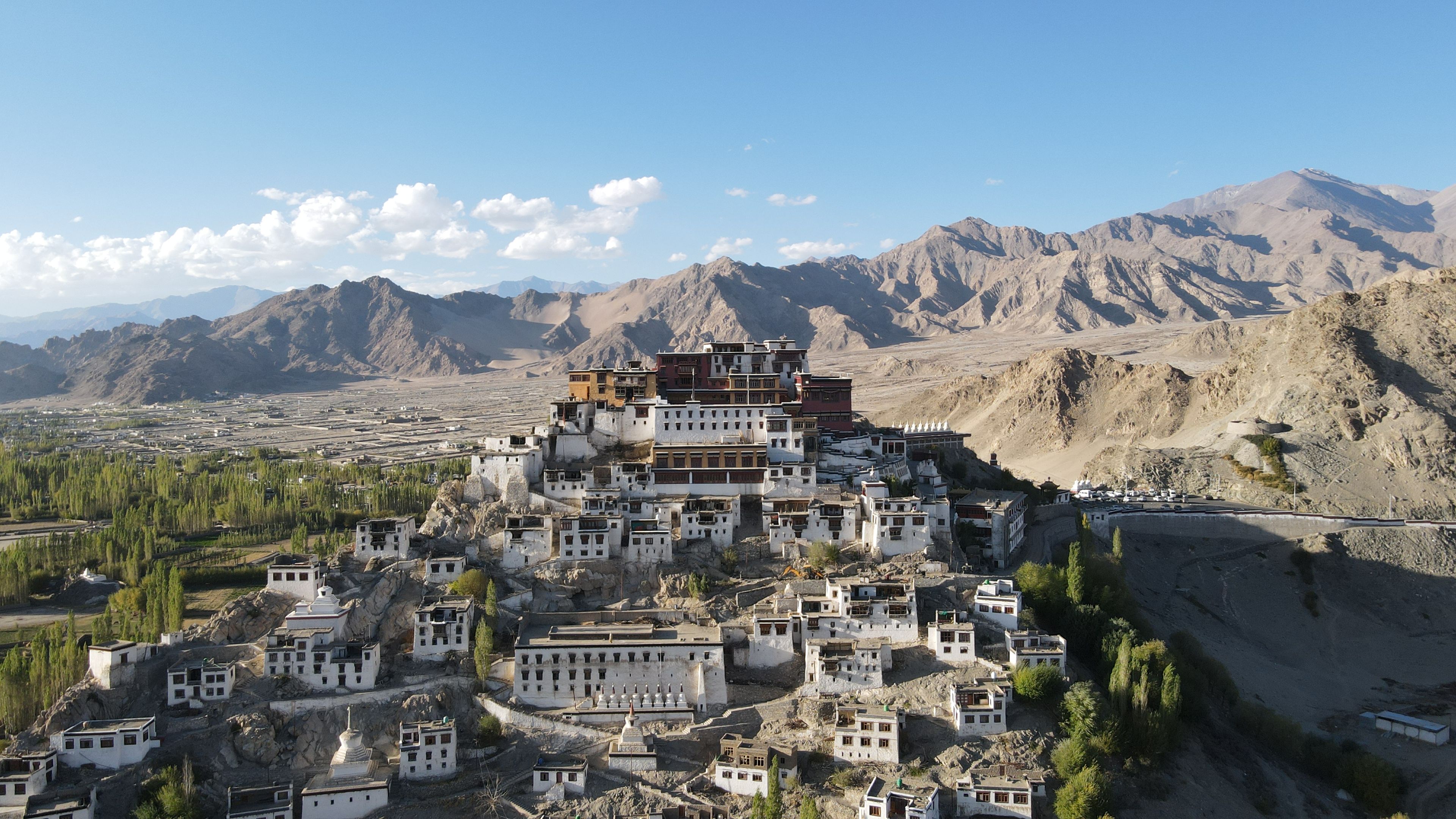
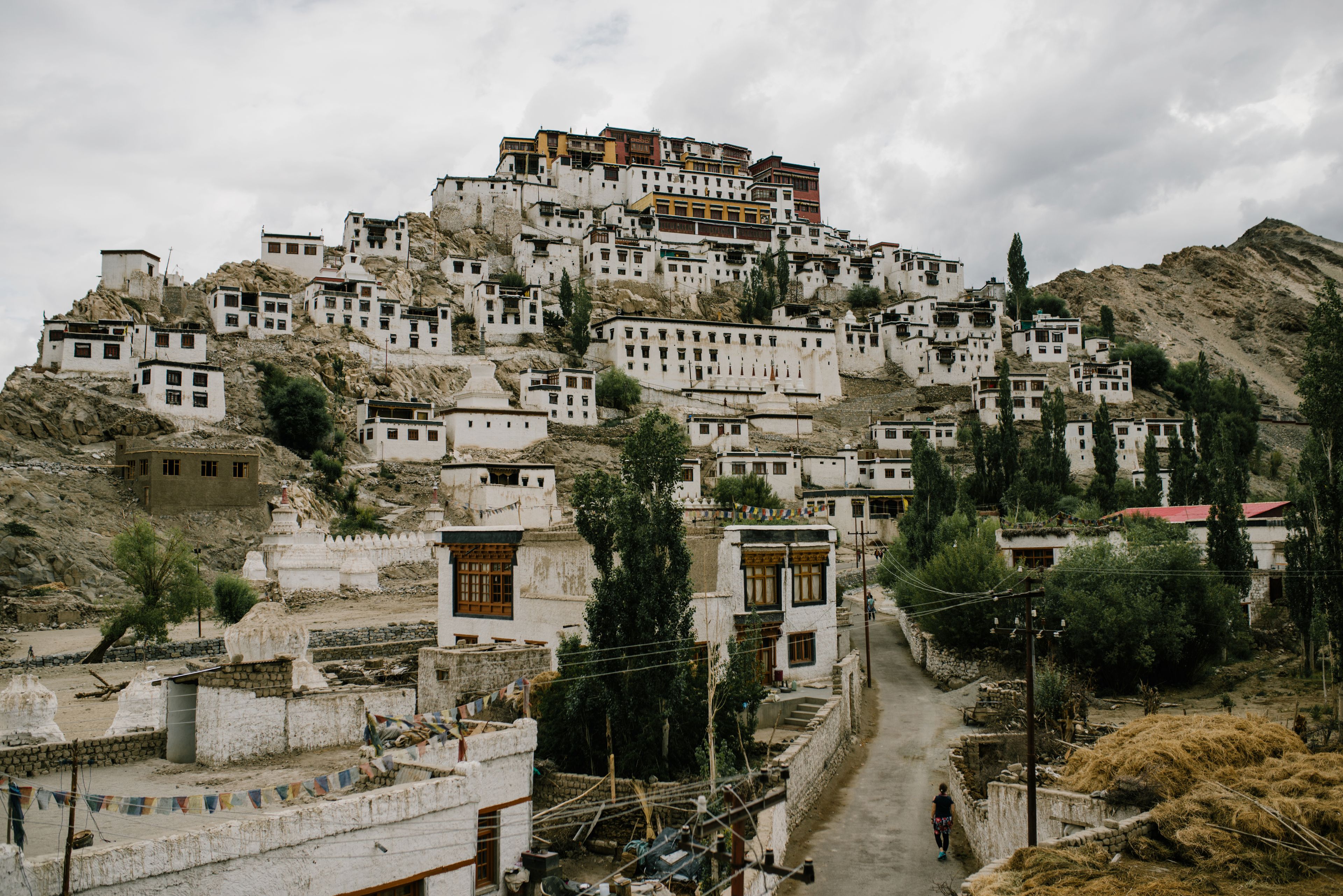
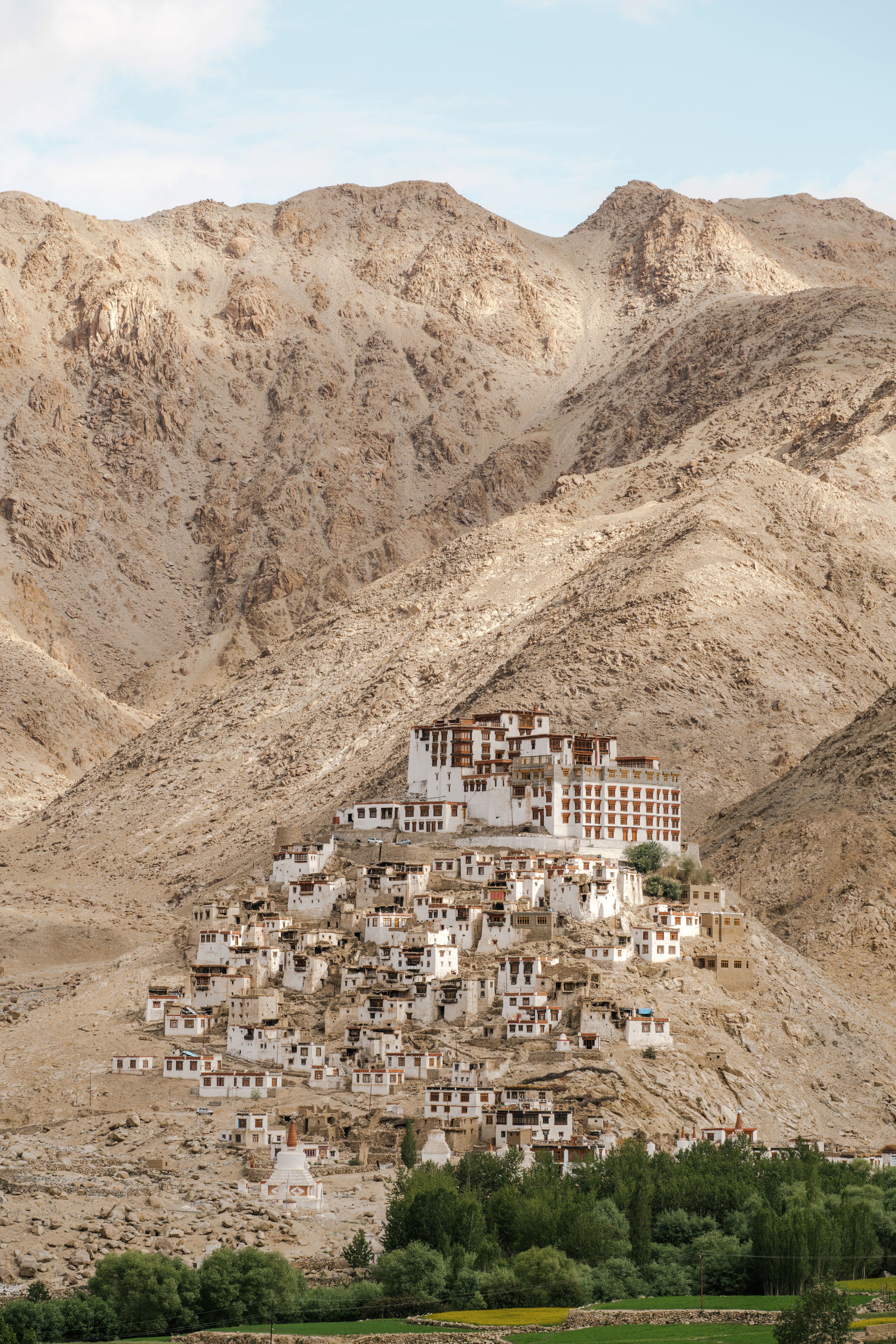
- Leh and nearby monasteries. Every trip starts here. Thiksey, Hemis, Shey and the palace are the highlights.
- Nubra Valley. Over Khardung La, with dunes, camels and Diskit Monastery. Lower and gentler than the lakes.
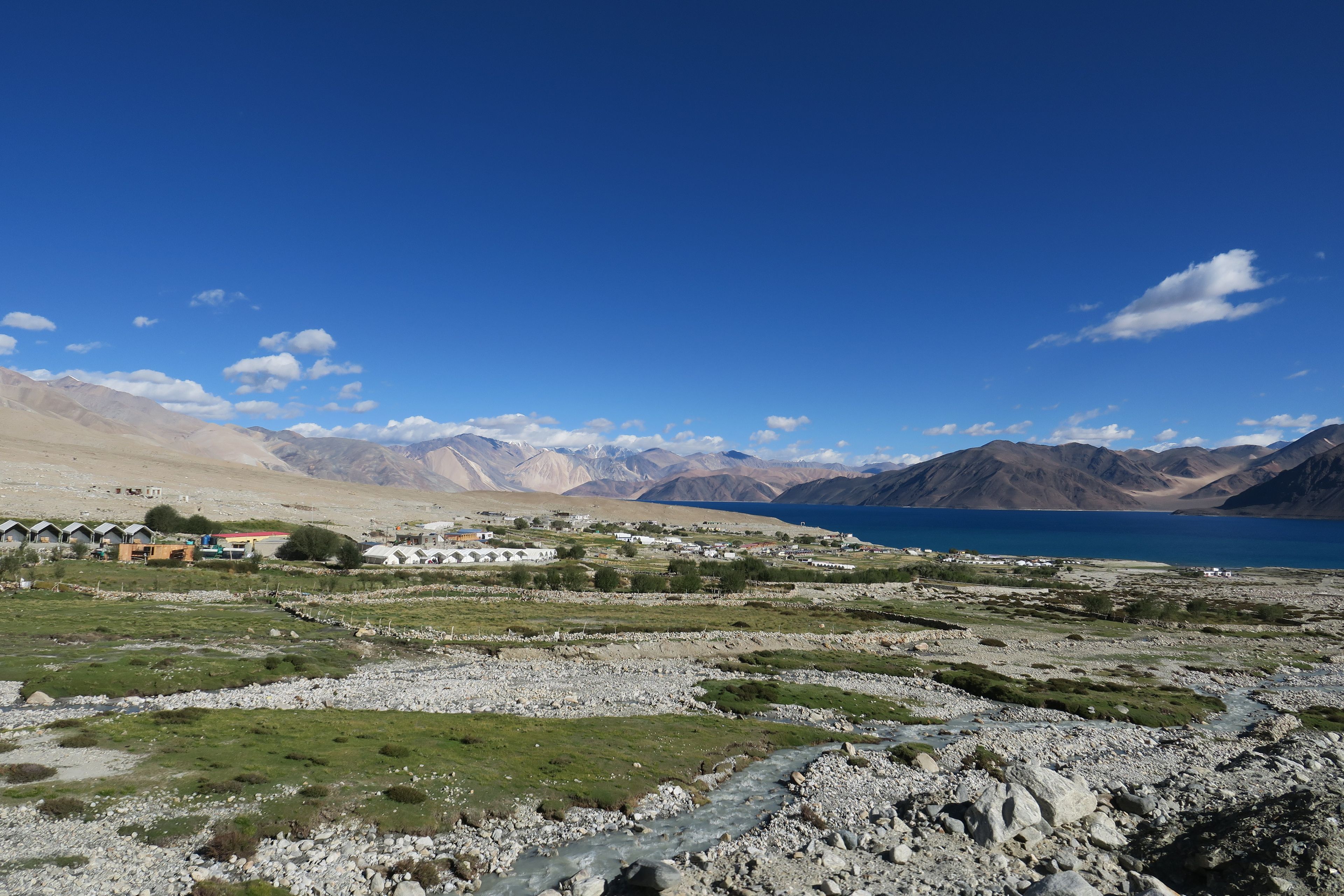
- Pangong Tso. The famous lake. High, cold and beautiful.
- Tso Moriri and Hanle. Remote, quiet and rewarding for those with time.
- The western route. Alchi, Lamayuru and Kargil, at a lower altitude.
A sensible first itinerary
Three nights in Leh, a night or two in Nubra, a night at Pangong, a return to Leh and a western-route day as a buffer. This is the shape of our Classic Ladakh tour and the 8-day itinerary.
Altitude basics
Rest on day one, drink water, avoid alcohol, and do not go high before day three. Know the symptoms of altitude sickness, and descend if they worsen. Talk to your doctor if you have any health conditions. Our altitude and safety guide has the detail.
Permits and documents
Carry original government ID and copies. Rules for registration, environment fees and border-area permits change, so check them close to your travel dates, or let us confirm them. See the roads, permits and transport guide.
What to pack
- Layers: thermals, fleece, down jacket, windproof shell.
- Sun protection: high-SPF sunscreen, lip balm, sunglasses, hat.
- Comfortable shoes and socks.
- A refillable water bottle.
- Basic medicines, rehydration salts and personal prescriptions.
- A power bank and a torch.
- Cash, because ATMs are scarce outside Leh.
- Offline maps and downloaded tickets.
- A scarf or buff for dust and cold.
Money and connectivity
Withdraw cash in Leh. Mobile coverage is good in Leh but patchy elsewhere, and prepaid connections from other states may not work. Tell family to expect silence at Pangong and Tso Moriri.
Etiquette and responsible travel
Dress modestly in monasteries, remove shoes, walk clockwise around stupas and ask before photographing people. Do not touch statues or murals. Save water, and take your waste back. Avoid single-use plastic. Support local guesthouses and shops. Do not fly drones without permission.
The first week, day by day
Day 1: arrive, rest and eat lightly. Day 2: a gentle morning, a visit to the palace and Shanti Stupa by car, and a slow stroll in the bazaar. Day 3: the monasteries of Shey, Thiksey and Hemis, with an early start and a long lunch. Day 4: Khardung La and Nubra, with the dunes at sunset. Day 5: Diskit Monastery and a drive to Pangong, if conditions allow. Day 6: sunrise at the lake, then a drive back to Leh over Chang La. Day 7: a western-route day to Alchi and Lamayuru, or a rest day. This pace may feel slow at first, but it is the one that works.
Camps or hotels?
In Leh, you have a choice, and we generally suggest a comfortable hotel or guesthouse for the first nights, because sleep matters most then. In Nubra, camps are the usual option and are often quite good. At Pangong and Tso Moriri, camps are the only option, so quality matters. Ask about beds, blankets, heating, bathrooms and noise. A well-run camp makes a cold night bearable, and a badly run one can ruin the trip.
How to choose an operator
A good operator will ask about your health, give a clear written itinerary, name the camps and hotels, explain what is included and tell you honestly when a plan is too fast. Be cautious of anyone who promises Pangong on your second day, avoids questions about road closures or cannot say who the driver will be. Ask for references, read recent reviews and compare quotes like for like.
Common mistakes
- Going to Pangong on day two.
- Planning too much in too few days.
- Skipping the buffer day.
- Drinking alcohol on arrival.
- Underestimating the cold.
- Renting a motorbike without experience.
- Assuming you will have a phone signal.
- Relying on outdated permit advice.
Local conditions
Conditions can change. In September 2025, protests in Leh led to a curfew that disrupted tourism for a short time. We follow official advice and tell you plainly if anything affects your plans.
Plan with us
Send us your dates, group and any health notes, and we will suggest a realistic plan. You can also read the weather guide or browse our Ladakh tour packages.
Practical tips
- Plan at least seven days; fewer leaves no room for acclimatisation or delays.
- Do not schedule high passes or lakes in the first three days.
- Book flights and good camps early, especially for July and August.
- Pack layers, and carry cash and offline maps.
- Keep a spare day before your flight home.