Short answer
Local transport in Ladakh runs mainly on union-regulated taxis with fixed rates. The main highways are open in summer and can close without warning. Indian visitors usually register and pay an environment fee online, while foreign nationals need permits for some border areas. Rules change, so confirm them close to your travel dates.
On this page 12 sections
Getting around Ladakh is not like getting around the plains. Roads are narrow and high, distances take longer than they look, and systems for taxis and permits are specific to the region. This guide explains how things work in practice, and what to watch for. It reflects the position at the time of writing; permits and fees change, so always verify before you travel.
How local taxis work
In Leh, and across Ladakh, taxis operate under local taxi unions. Each union has a published list of rates for specific routes and sightseeing circuits, and drivers follow these. The rules limit outside vehicles from doing local sightseeing or picking up passengers. This means a car you hire in Manali, Delhi or Srinagar can usually take you to Leh but not around Ladakh. You will normally change to a local taxi in Leh.
This system keeps prices standard and supports local drivers, but it also means you cannot easily self-drive a rental car, and a flexible stop may need negotiation. A good operator arranges the right vehicles and confirms rates in advance. Tipping drivers is customary.
The main roads
- Manali to Leh (about 480 km). Passes through the Atal Tunnel, Jispa, Baralacha La, Sarchu, the Gata Loops and Tanglang La. Open mainly from late May or June to October or November.
- Srinagar to Leh (about 420 km). Passes Sonamarg, Zojila, Dras and Kargil. Open earlier and closes later, but Zojila can be blocked by snow or landslides.
- Leh to Nubra. Over Khardung La, around 120 km each way.
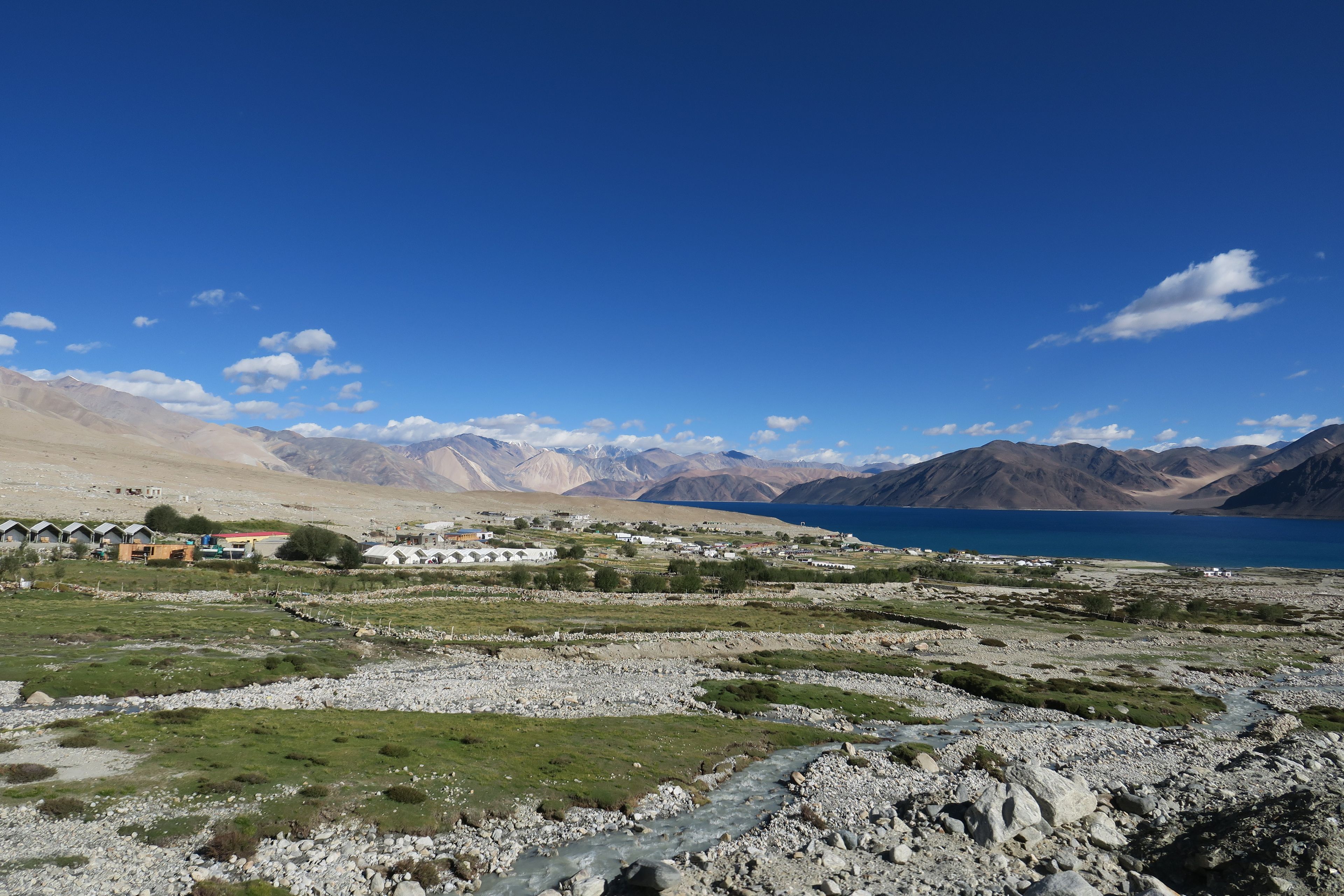
- Leh to Pangong. Over Chang La, around 150 km one way.
- Leh to Tso Moriri. Long, rough roads via Chumathang or Tso Kar.
- Leh to Kargil and the west. A generally good road, via Alchi and Lamayuru.
Road quality varies. The Border Roads Organisation maintains the highways, but landslides, snow, water crossings and washouts happen. Distances in kilometres tell you little. A 100 km stretch can take five hours.
Permits, registration and fees
The rules have changed over the years and sources sometimes disagree. In general:
- Indian citizens have usually needed to register and pay an environment or ecology fee online, and carry the receipt. Some sources still refer to inner line permits for areas near borders, such as parts of Nubra, Pangong, Tso Moriri and Hanle, so check the current position.
- Foreign nationals have historically needed Protected Area Permits for restricted border areas, and have been required to travel with a registered agent, often in groups of two or more. Some areas are off-limits.
- Fees may include environment fees, wildlife fees or entry fees at specific sites.
We confirm the current rules with the authorities close to your dates and handle paperwork where it applies. Always carry original government ID, and keep copies. Checkposts are frequent, and photography near military installations is prohibited.
Restricted areas
Some areas near the border are closed to tourists or have special rules. These can change for security reasons. Never go off the approved routes, and never photograph military sites or vehicles. Drones are generally prohibited without permission.
Rental motorbikes and self-drive
Leh has rental motorbike shops, and many riders tackle the highways. It is a serious undertaking: high passes, rough roads, cold and altitude. Only ride if you are experienced and acclimatised, wear proper gear and carry spares. Rules about renting bikes and where you can ride change, so check the current position. Do not hire a bike in your first days. Self-drive cars are limited, and many operators do not allow them.
Fuel, cash and connectivity
Petrol stations are rare outside Leh and a few other towns. On the Manali route, the last fuel before a long stretch is near Keylong, and drivers plan refuelling carefully. ATMs outside Leh are unreliable, so carry cash. Postpaid mobile connections from major operators work in Leh and parts of Nubra. Prepaid connections from other states may not work. Download offline maps.
Flights and weather
Flights to Leh fly mostly in the morning. Weather can delay them, so keep a spare day. Avoid booking tight connections on the same day.
Drivers and vehicles
Your driver is a central part of your trip. Ladakhi drivers know the passes, the weather patterns and the best stops, and they can tell you when a day is too long. Treat them with respect, share meals when you can, and tip fairly at the end. Vehicles are usually SUVs or sedans in good condition, sized to your group. Ask about seat belts, spare tyres and a first-aid kit. Never pressure a driver to rush or to drive at night.
Buses and shared options
State and private buses run on the main highways in summer, and shared taxis operate between Leh and some villages. They are inexpensive, but slow, crowded and uncomfortable at altitude, and timings are not fixed. They suit very flexible travellers on long trips, and are not ideal if you have a short holiday and a tight schedule.
Common planning mistakes
- Planning long drives on the same day as a flight.
- Not allowing a spare day for road closures.
- Underestimating driving times on mountain roads.
- Assuming permits are not needed, or relying on outdated advice.
- Booking Pangong or Nubra on day two.
- Renting a bike on arrival.
Responsible travel
Stay on roads and tracks, avoid off-roading, take your waste back, and drive slowly through villages. Tip drivers fairly and respect local rules.
Plan with us
Our team confirms current requirements and plans routes with buffers. Read the first-time visitor guide, then send us your dates or explore our Ladakh tour packages.
Practical tips
- Confirm current permit and registration rules close to your dates, using official sources or a trusted operator.
- Carry several printed copies of your documents and original photo ID.
- Keep at least one spare day in your plan for road closures.
- Do not rent a motorbike in your first days at altitude.
- Fill up the fuel tank whenever you can, since petrol stations are rare on remote routes.