On this page 10 sections
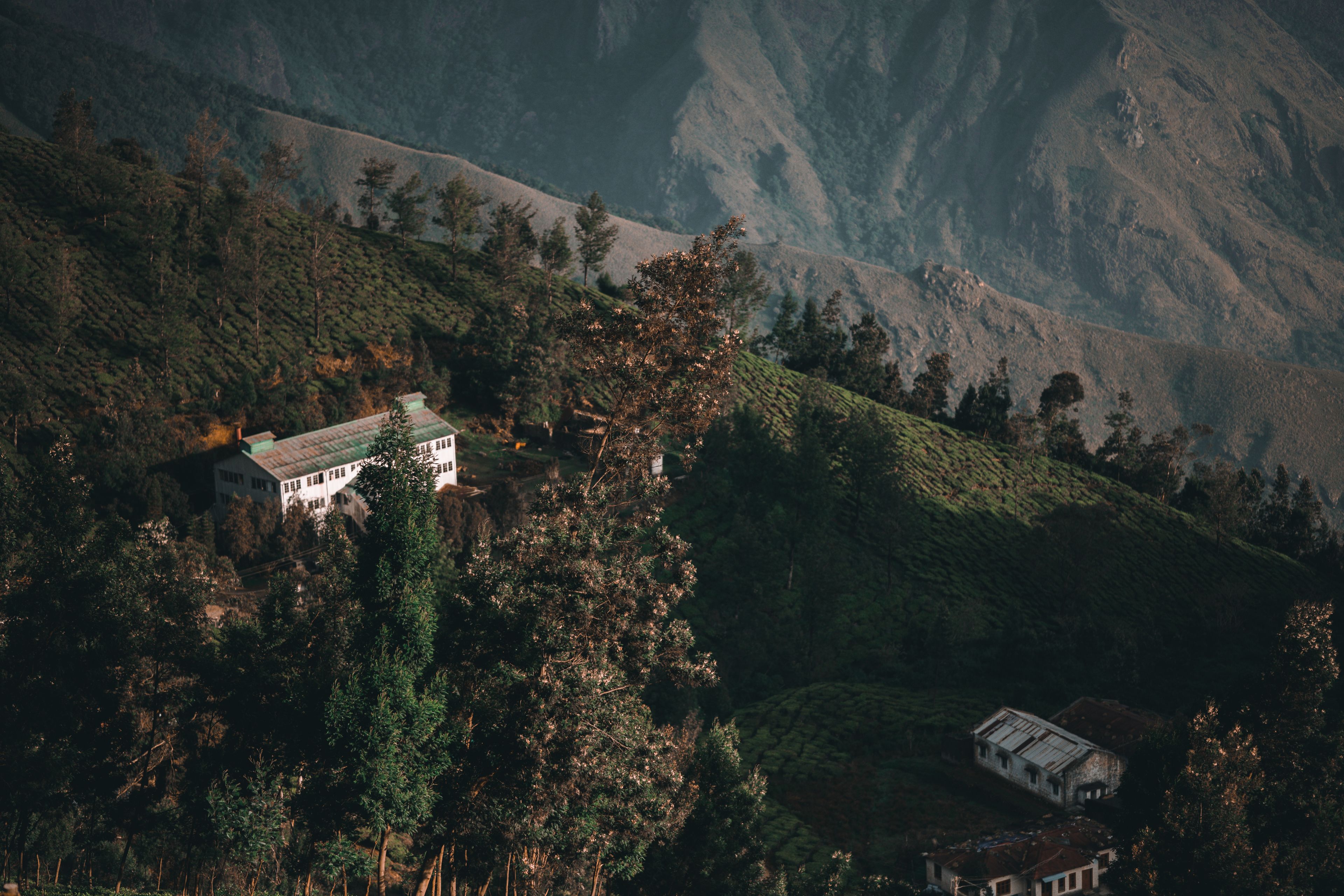
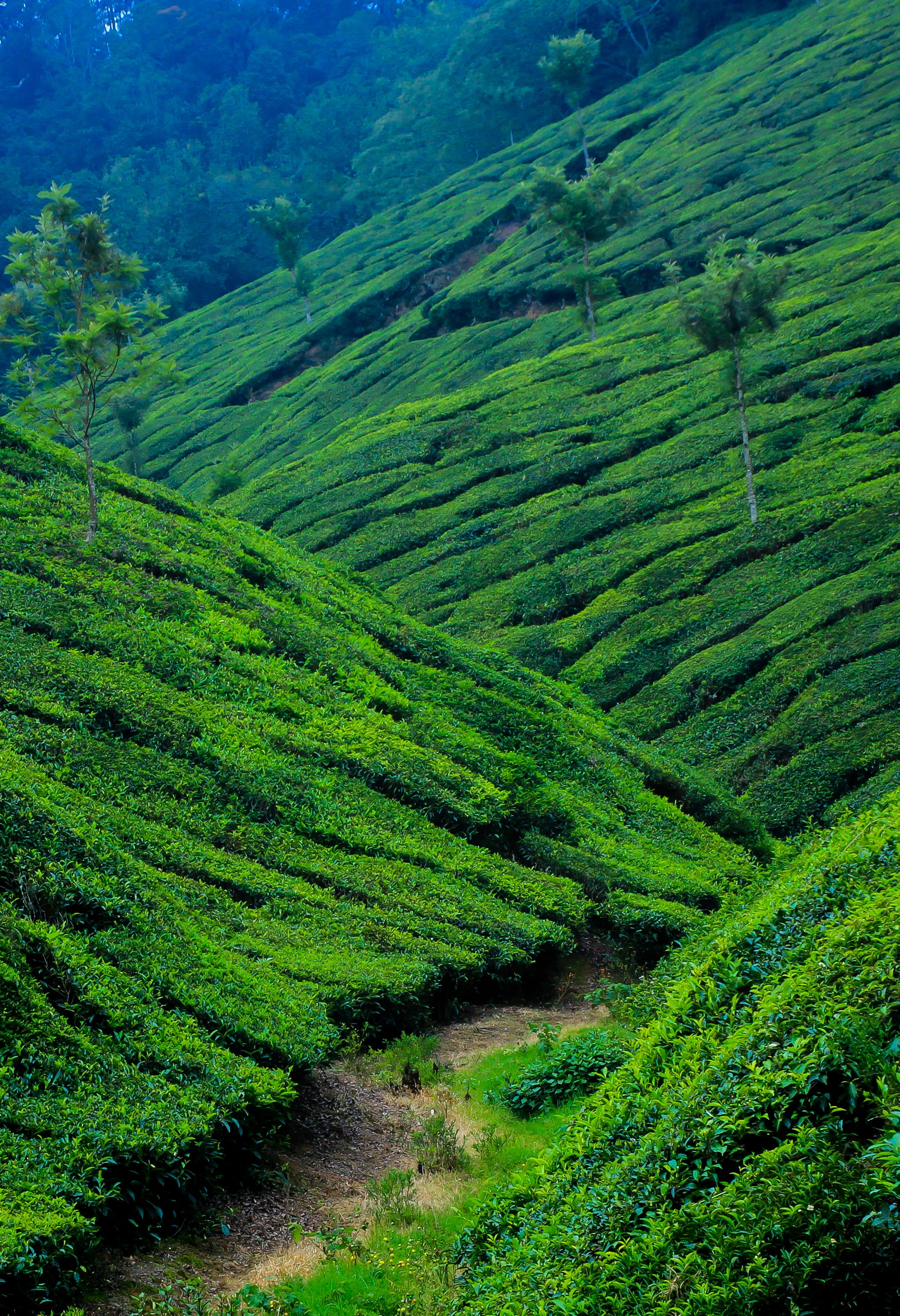
Wayanad is the quieter, wilder side of Kerala. A high plateau in the north-east, it is a region of forested hills, coffee and spice plantations, rice fields and tribal villages. It is known for its caves, waterfalls and homestays, and appeals to travellers who prefer nature and slow days to beaches and resorts.
A word on recent events
In July 2024, devastating landslides struck villages near Mundakkai and Chooralmala in Wayanad, causing heavy loss of life. Since then, authorities have shut tourist centres district-wide during heavy rain and reopened them in stages, and some sites have remained restricted. A September 2026 report describes a slump in visitor numbers and calls for more targeted rather than blanket closures. We treat this seriously: we check the current status of every site with local authorities, avoid landslide-prone areas and are honest about what is open. If you plan to visit in the monsoon, expect changes.
What Wayanad is like
The district is spread out, with several small towns, such as Kalpetta, Sulthan Bathery and Mananthavady, and long drives between sights. The air is cool and fresh, especially in the highlands. Many visitors stay in a homestay or plantation bungalow and treat Wayanad as a place to rest, with short outings.
What to see and do
- Edakkal Caves, rock shelters with ancient carvings, reached by a climb.
- Banasura Sagar Dam, one of the largest earthen dams in India, with boating and views.
- Soochipara and Meenmutty waterfalls, best in and after the rains, though access is sometimes restricted.
- Chembra Peak, a trek with a heart-shaped lake, requiring forest permission.
- Pookode Lake and Kuruva Island, subject to seasonal closures.
- Tholpetty and Muthanga wildlife areas, with jeep safaris.
- Spice and coffee plantations, with guided tours and homestays.
How long to stay
Two nights is the minimum, because Wayanad is far from the coast. Three nights allows slow days with a plantation walk, a cave visit and a safari. The district is also a good base for those combining Kerala with Mysore or Ooty.
When to go
October to March is the best period, with cool weather and open attractions. April and May are warmer, but the hills stay pleasant. The monsoon is beautiful and lush but brings heavy rain, landslide risk and closures. If you travel then, choose a resort or homestay in a safe area and check advisories.
Where to stay
Plantation bungalows, homestays and eco-resorts are the main options. Choose properties in safe, well-established locations, and check whether they have good road access. Avoid stays in areas flagged as landslide-prone. Ask your host about conditions before you travel.
Getting there
Wayanad is about 270 km from Kochi (seven hours) and 90 km from Kozhikode airport (three hours). From Mysore, the drive is around 100 km. Roads climb through hairpin bends, so allow extra time.
A suggested day
Begin with a slow breakfast at your homestay, then drive to Edakkal Caves early to avoid the heat and crowds. After lunch, visit a plantation or a viewpoint, and in the late afternoon go to Banasura Sagar Dam if it is open. Evenings are for local food, a bonfire where allowed and an early night. The district is best enjoyed at a gentle pace.
Responsible travel
Wayanad's ecosystem is fragile and many communities depend on tourism. Stay with locally owned homestays, hire local guides, keep to marked trails and carry out your waste. Avoid vehicles that damage forest tracks.
Plan with us
Wayanad is an optional extension to our Kerala plans, and not one we include without checking the situation. Tell us your dates and we will explain what is open and whether it fits your trip.