Short answer
Kerala is one of India's safest and most welcoming states for visitors. The main risks are natural: monsoon landslides, rip currents on beaches and boating hazards. Check weather alerts, swim only at lifeguarded beaches, dress modestly at temples and be aware that local strikes can disrupt travel.
On this page 16 sections
- Monsoon and landslides
- Beaches and the sea
- Boats and houseboats
- Wildlife on roads
- Temples, churches and etiquette
- Strikes and bandhs
- Alcohol and local rules
- Health
- Women, families and solo travellers
- Money and documents
- Common tourist issues
- Travel insurance
- Phones, signal and power
- Responsible travel
- In an emergency
- Plan with confidence
Kerala is among the most visitor-friendly states in India, with high literacy, good healthcare and a long tradition of welcoming travellers. Most trips are trouble-free. The things that go wrong are mostly connected to weather, water and roads, and they are largely avoidable with some planning. This guide covers the main points.
Monsoon and landslides
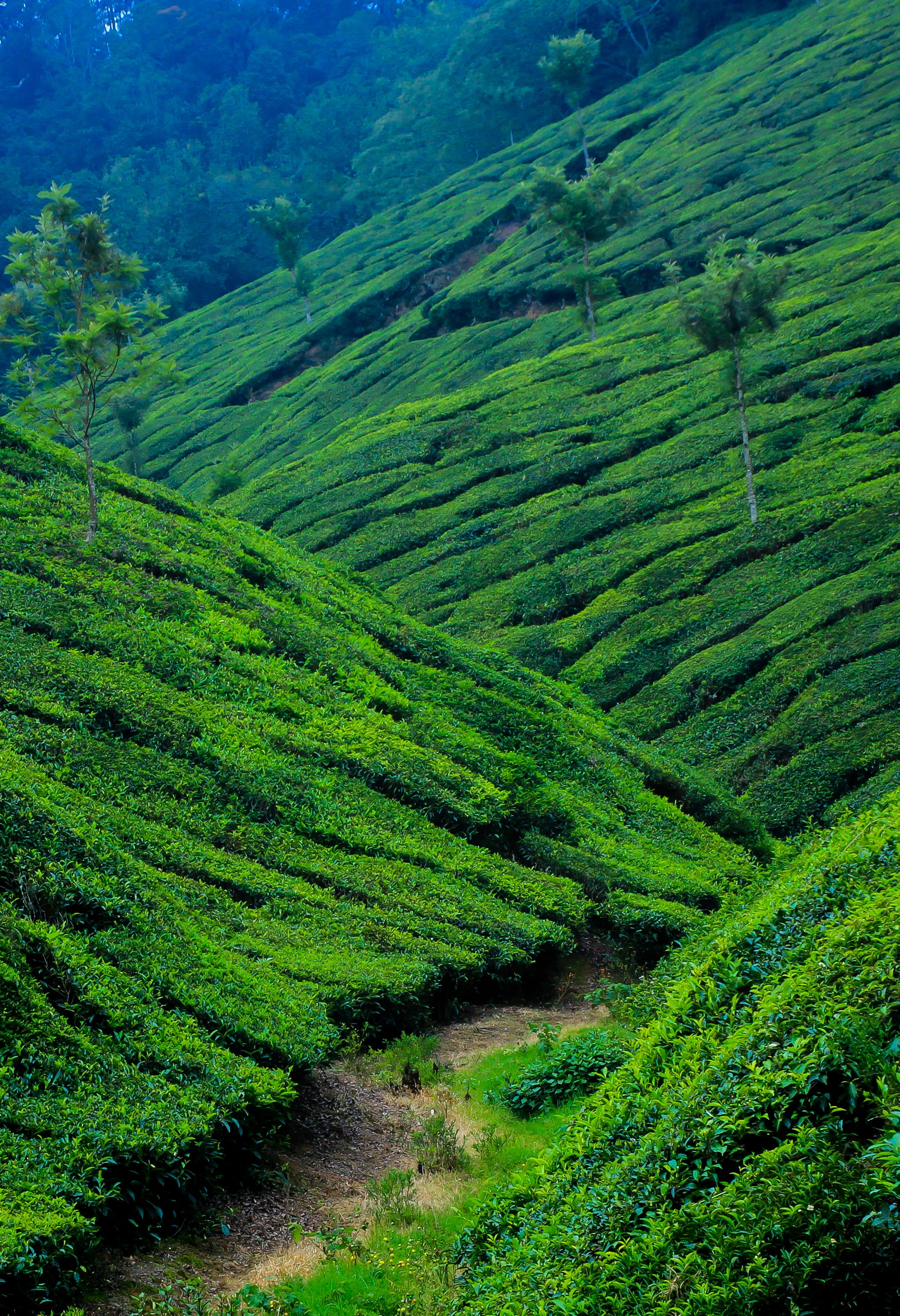
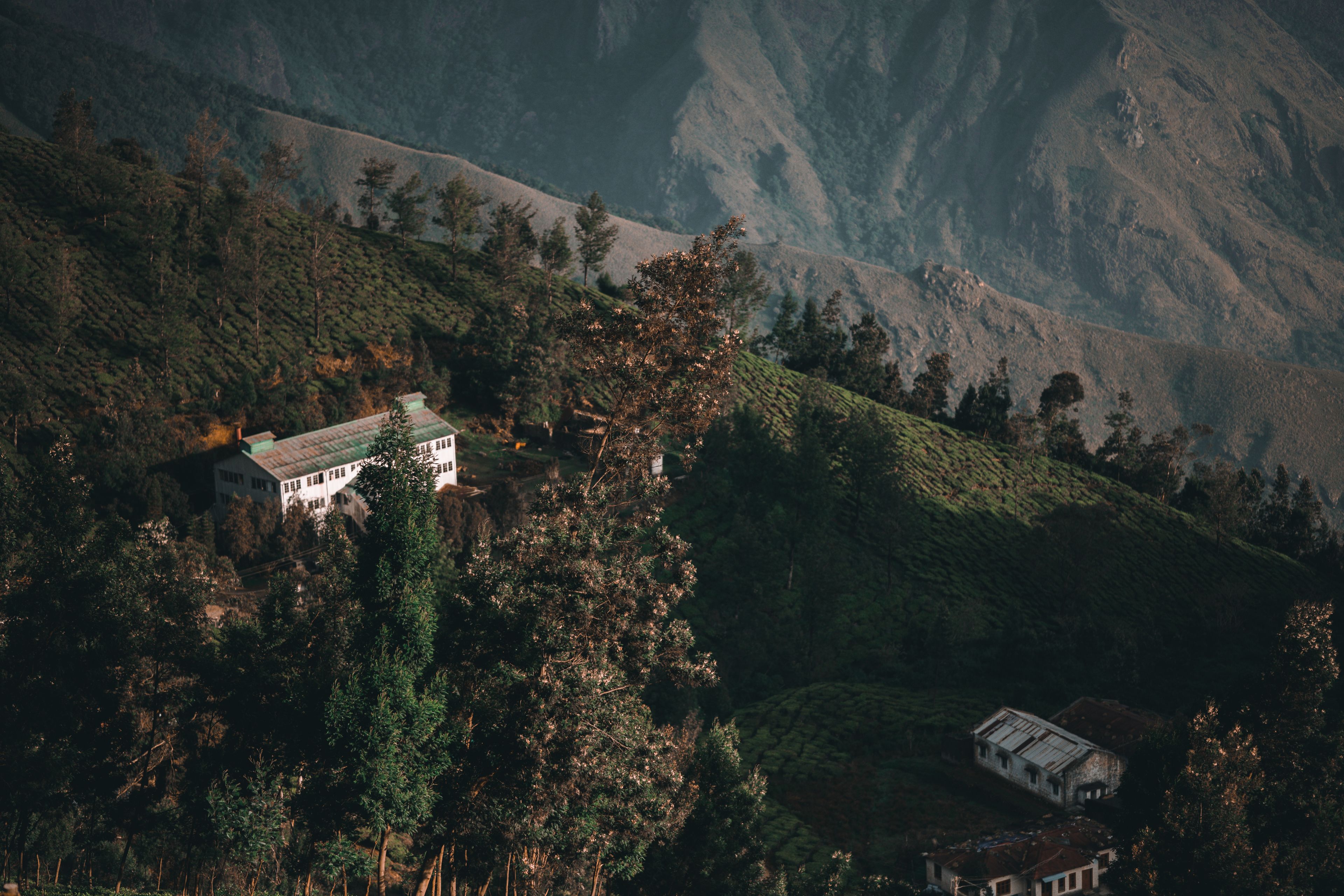
Heavy monsoon rain brings real risks in hill districts such as Idukki (Munnar and Thekkady) and Wayanad. Landslides can close roads, and in July 2024 a devastating landslide struck villages in Wayanad. Since then, authorities have closed tourist centres district-wide during heavy rain and reopened them in stages.
- Check the weather department's colour-coded alerts for your district.
- Avoid hill travel when a red or orange alert is in force.
- Do not insist on driving if your driver says it is unsafe.
- Stay in established, safe locations rather than remote, steep sites.
- Keep a buffer day in your plan.
Beaches and the sea
Kerala's beaches can have strong rip currents, and the sea is rough in the monsoon.
- Swim only at lifeguarded beaches and between the flags.
- Do not swim at night, alone or after drinking.
- Keep children within reach.
- Respect red flags and local advice.
- Be especially cautious at Varkala, where drownings have occurred.
Boats and houseboats
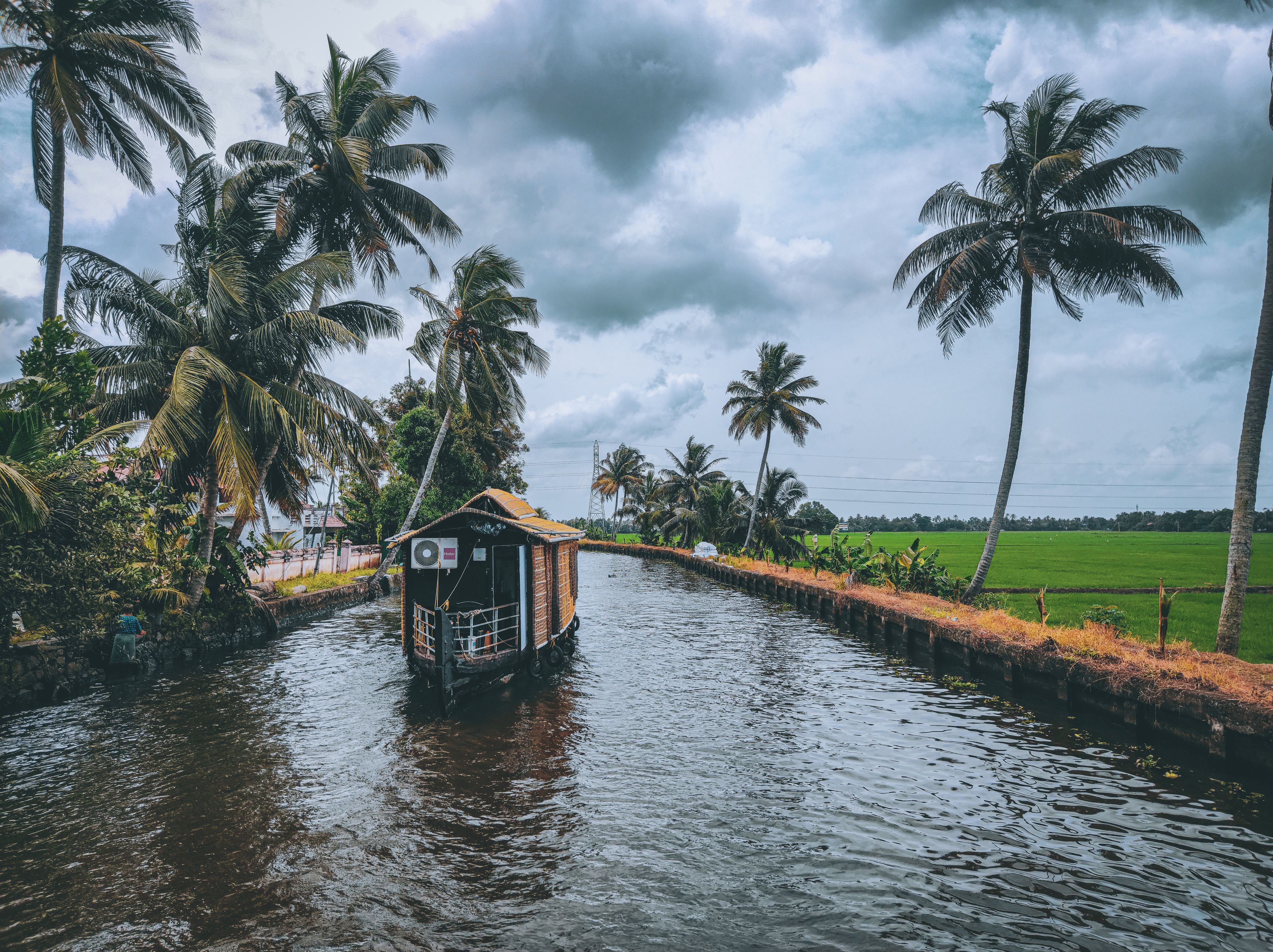
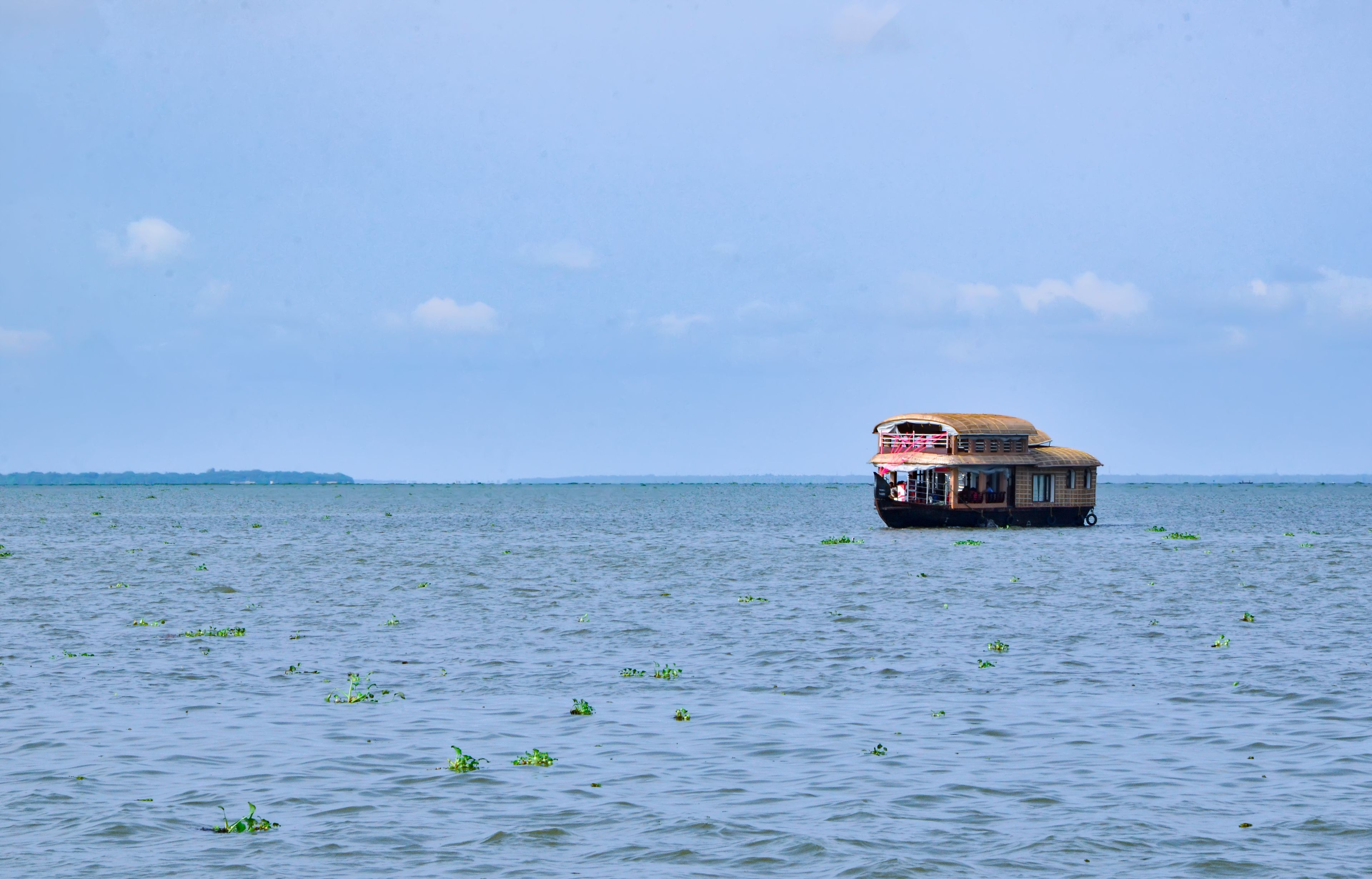
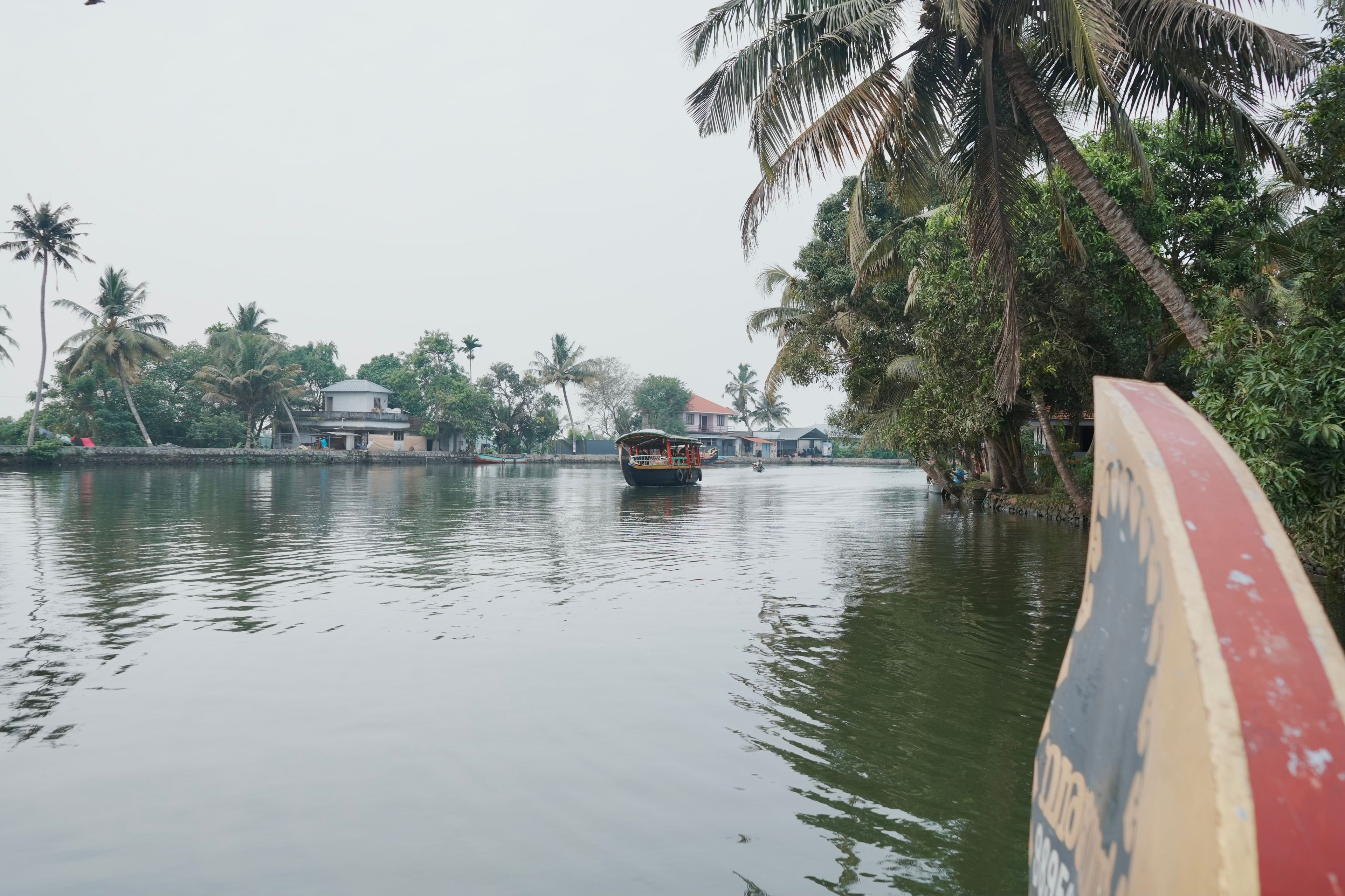
Choose registered, classified boats with life jackets for all. Check that fire safety equipment is on board, and keep small children supervised on decks. Avoid operators who overload boats or offer very cheap prices that cut corners. Do not cruise in bad weather.
Wildlife on roads
In forested areas, such as the roads to Munnar and Thekkady, elephants and other animals sometimes cross. Drive slowly, never approach wild animals, and avoid feeding monkeys. Do not stop on forest roads at night.
Temples, churches and etiquette
Many Kerala temples have strict dress codes. At the Padmanabhaswamy Temple in Thiruvananthapuram, for instance, men are expected to wear a mundu (dhoti) and women a saree or skirt, and entry rules apply. Remove shoes, avoid leather and ask before taking photographs. In churches and mosques, cover shoulders and knees. Show respect during festivals and processions.
Strikes and bandhs
Kerala has a tradition of political and trade strikes called hartals, when shops, transport and sometimes roads close for a day. They are usually announced a day or two ahead. Tourist vehicles and airport transport are often exempt or can operate with care, but disruption is possible. Check local news before long journeys and keep a flexible plan.
Alcohol and local rules
Alcohol is sold through licensed outlets, and many hotels and resorts serve it. There are dry days, and public drinking is not allowed. Drink-driving is strictly enforced. Smoking in public places is restricted, and littering can bring fines. Kerala has made big efforts to reduce plastic, so carry a reusable bottle.
Health
Carry sunscreen, mosquito repellent and any regular medicines. Drink bottled or filtered water, and eat at busy places. Dengue and similar illnesses can occur in the monsoon, so cover up and use repellent at dusk. Occasionally, health departments announce localised advisories, such as for Nipah virus in certain districts of the north; follow official guidance and check news before travelling to those areas. Hospitals are good in Kochi, Thiruvananthapuram and Kozhikode.
Women, families and solo travellers
Kerala is generally considered safe for women and solo travellers, with a strong tradition of social equality. Use common sense: choose well-reviewed hotels, use registered taxis, avoid isolated beaches at night and share your plans. Dress modestly away from the beach, particularly at religious sites.
Money and documents
Cards and UPI are widely accepted in towns, but carry cash for small shops, tolls, ferries and rural areas. Carry a government photo ID. ATMs are available in most towns, but fewer in the hills.
Common tourist issues
Like any popular destination, Kerala has its share of touts, overcharging taxis at stations and agents who redirect you to commission-based hotels. Use prepaid taxis or apps, confirm your hotel booking directly and agree prices in advance. Be careful with unofficial guides at wildlife reserves, and use the official eco-tourism centres. If a deal sounds too good, check it.
Travel insurance
For monsoon and adventure travel, travel insurance that covers medical costs, cancellations and weather delays is a sensible idea. Check the policy for coverage of activities such as boat rides and trekking, and carry a copy of the details.
Phones, signal and power
Mobile coverage is good in towns and along main roads, but patchy in forests and some hill valleys. Carry a power bank, since houseboats and homestays may have limited charging points. Save offline maps and booking details before you set out.
Responsible travel
Keep waste out of tea estates, backwaters and forests. Avoid single-use plastics. Stay in locally owned homestays where possible, buy from local artisans and hire local guides. Avoid elephant rides and shows, and think carefully about any activity that involves captive animals.
In an emergency
India's single emergency number is 112, which connects to police, fire and ambulance services. The Ministry of Tourism's tourist helpline is 1363. Save your hotel's number and your planner's number. If something goes wrong on a booked trip, call us and we will help coordinate with hotels and drivers.
Plan with confidence
Safety is mostly about planning. Our Kerala tour packages include private transfers, vetted stays and clear information on activities. Tell us what you need and we will plan around it.
Practical tips
- Check weather department alerts before travelling to hill districts in the monsoon.
- Swim only where lifeguards are present, and never in the monsoon.
- Dress modestly at temples and churches, and follow any dress code.
- Keep a buffer for a possible local strike (hartal); check news before long drives.
- Choose licensed boats and operators, and use life jackets.