On this page 12 sections
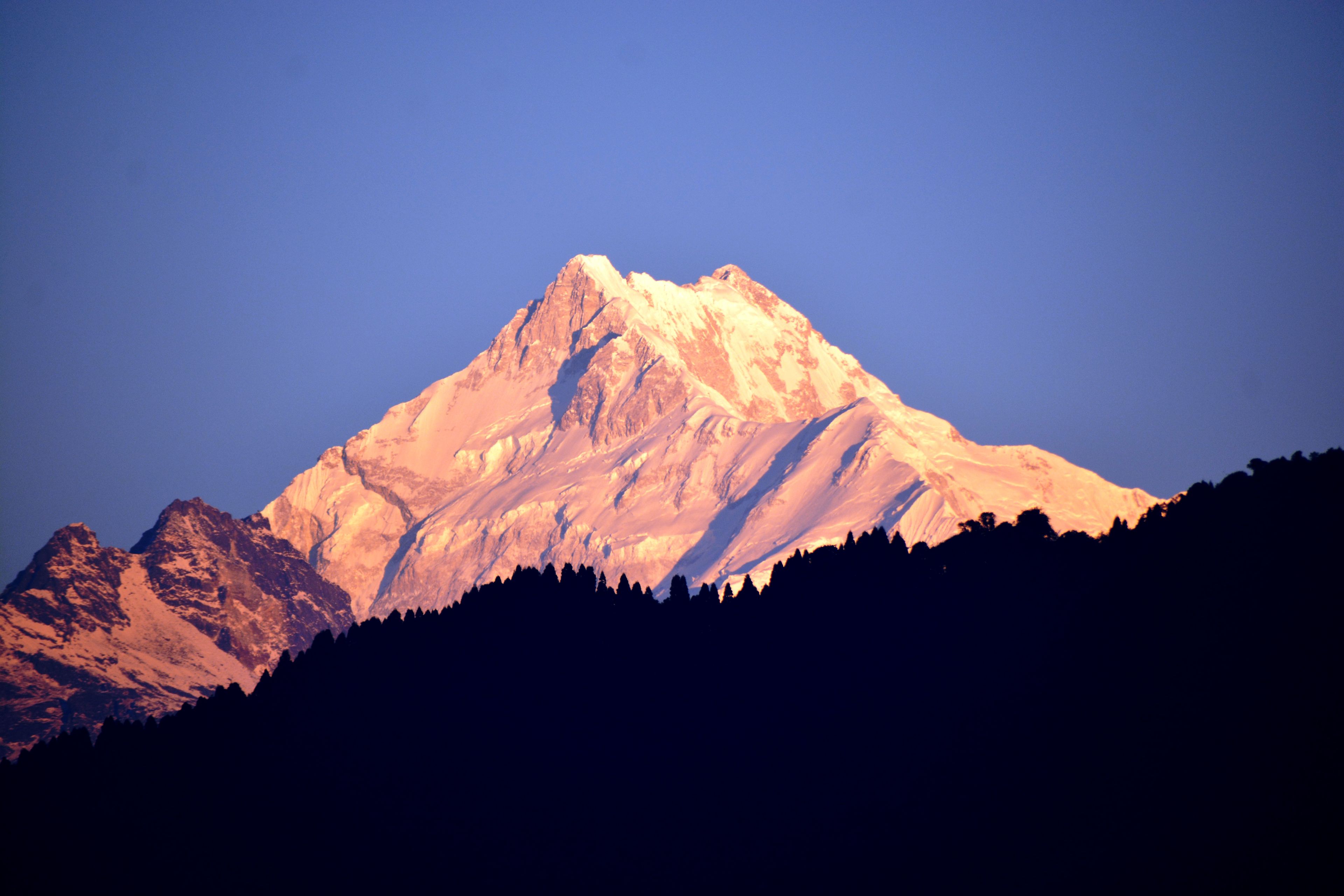
Yumthang Valley is a high mountain valley in North Sikkim, about 25 km from Lachung and at roughly 3,500 metres. A river runs through it, flanked by pastures, forests of fir and rhododendron, and snow-capped peaks. Often called the Valley of Flowers of Sikkim, it blooms in spring with rhododendrons and primulas, and turns white in winter. It is one of the most photographed places in the state.
What the valley looks like
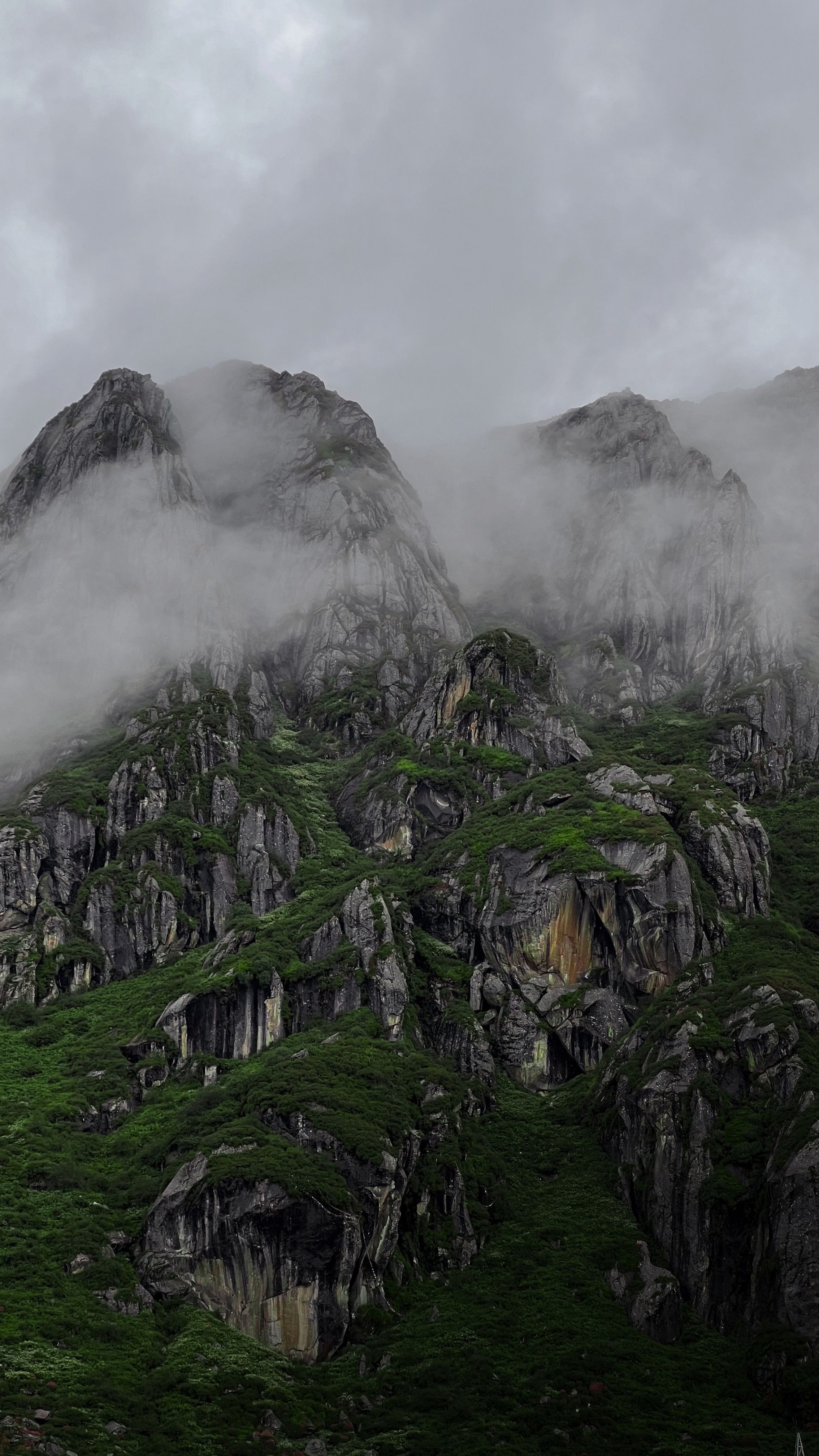
In April and May, the slopes of the Shingba Rhododendron Sanctuary burst into red, pink, white and purple. In summer, the valley is green, with clouds drifting through. In autumn, the air is clear and cold. In winter, the valley is under snow, with frozen streams and white peaks, and the road may be closed. The scenery is open and calm, with prayer flags tied by the river.
Hot springs
Near the valley, simple hot springs are used for bathing. They are basic, with small enclosures, and are popular with visitors after a cold day. Bring a towel and change of clothes, and check the cleanliness. Do not use soap or shampoo in the water.
Zero Point (Yumesamdong)
Beyond Yumthang, the road climbs to Zero Point at about 4,700 metres, where the tarmac ends and the landscape is all snow and rock. It is a stark, windswept place, with few facilities. Many visitors reach it by shared taxi from Yumthang. The altitude is significant, so spend only a short time there, and avoid exertion.
Getting there
Yumthang is usually visited as a day trip from Lachung, leaving early in the morning. Lachung is about 120 km from Gangtok by road, via Mangan and Chungthang, a journey of 6 to 7 hours. The road passes waterfalls and gorges, and is exposed to landslides. In recent years, sections have been closed or restricted after floods and slips, so check the situation.
Permits
Indian citizens need a Protected Area Permit for Lachung and Yumthang, arranged through a registered operator. Foreign nationals have faced stricter rules, and have been allowed only limited access at times. Rules change, so we confirm the current position before your trip.
Altitude and health
Yumthang is at 3,500 metres and Zero Point at 4,700. Headaches, nausea and breathlessness are common. Spend a night at Lachung before going up, drink water and avoid alcohol. Do not exert yourself. People with heart or lung conditions should consult a doctor. Descend if you feel unwell.
Best time to visit
April and May for rhododendrons, October and November for clear skies and crisp views, and January and February for snow. The monsoon is generally unsuitable, because of landslides and cloud. Early morning gives the best light and the clearest air.
What to wear
Layers, a windproof and waterproof jacket, thermals, gloves, a woollen cap, sturdy shoes and sunglasses. In winter, add snow boots. Bring sunscreen and lip balm.
Responsible travel
Do not pick flowers or disturb the vegetation in the rhododendron sanctuary. Keep to paths, take your waste back and avoid plastic. Respect local culture and sacred sites. Do not feed animals, and keep noise low.
Practical tips
- Start early to avoid afternoon cloud.
- Carry cash, since there are no ATMs.
- Keep your phone charged and download offline maps.
- Check road and permit status the day before.
- Stay flexible, because plans change with weather.
- Allow a full day for the trip from Lachung.
Who it suits
Nature lovers, photographers and adventurous couples. It is less suited to travellers with serious health conditions, young children or those who need comfort and certainty.
Combine it with
Pair Yumthang with a night in Lachung and a stay in Gangtok. See the North Sikkim guide, our North Sikkim plan or ask us to plan.