On this page 9 sections
A night on a houseboat is one of the most memorable things you can do in Kerala, and also the thing most likely to go wrong if you book carelessly. The boats vary enormously, from basic to luxurious, and the difference lies in details you cannot see in a photograph. This guide explains how the cruise works and how to choose well.
What a houseboat cruise is
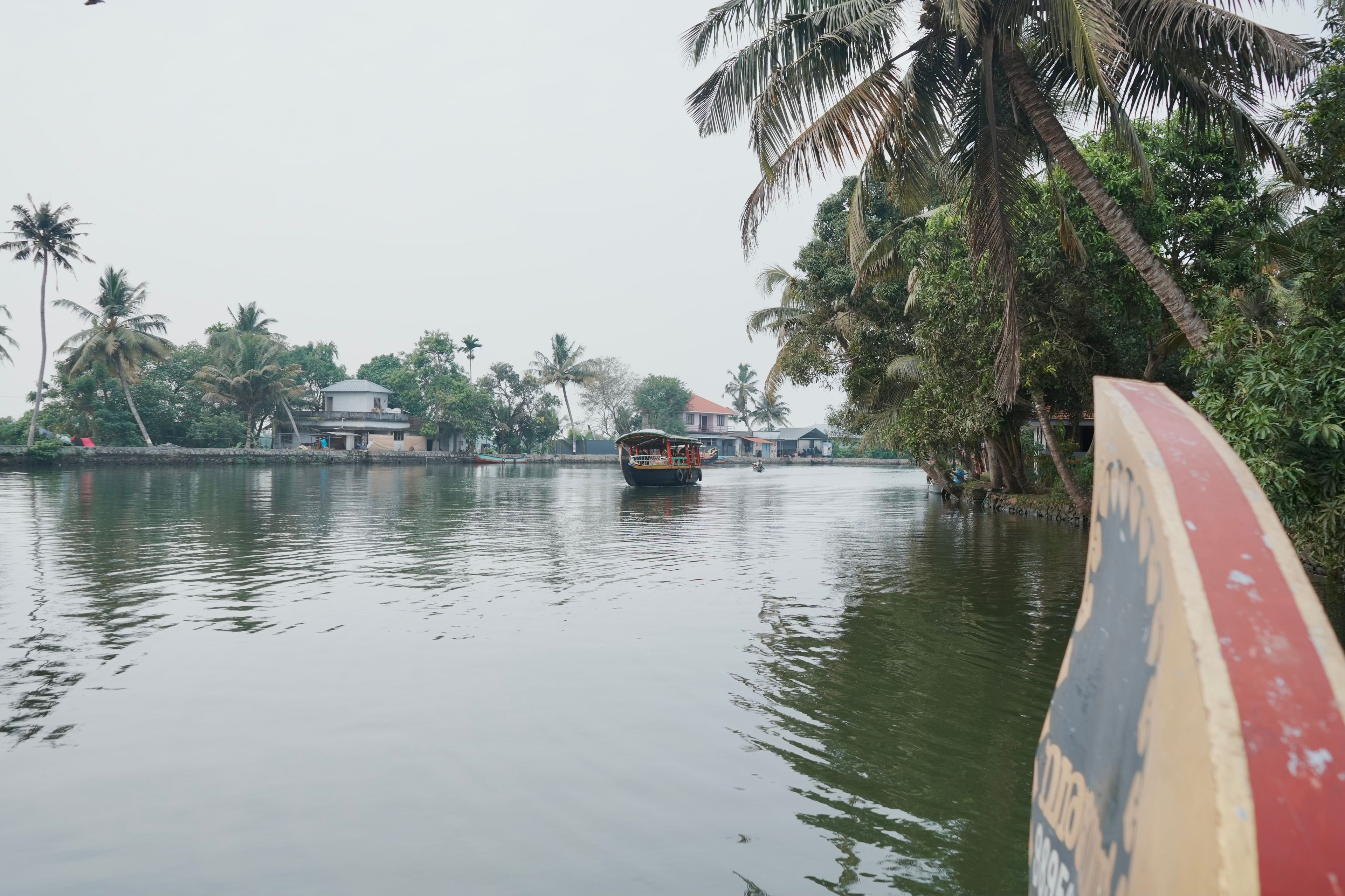
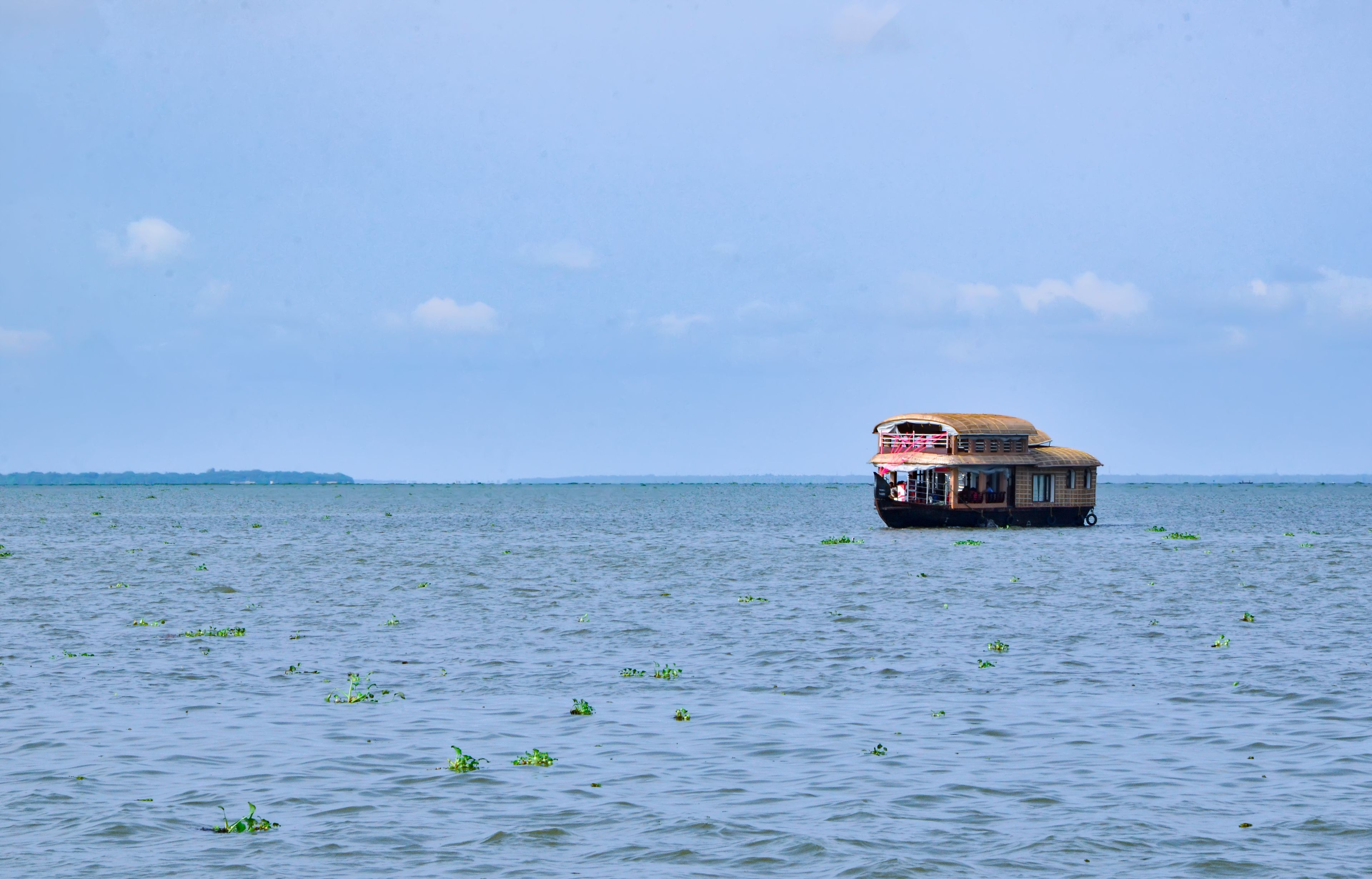
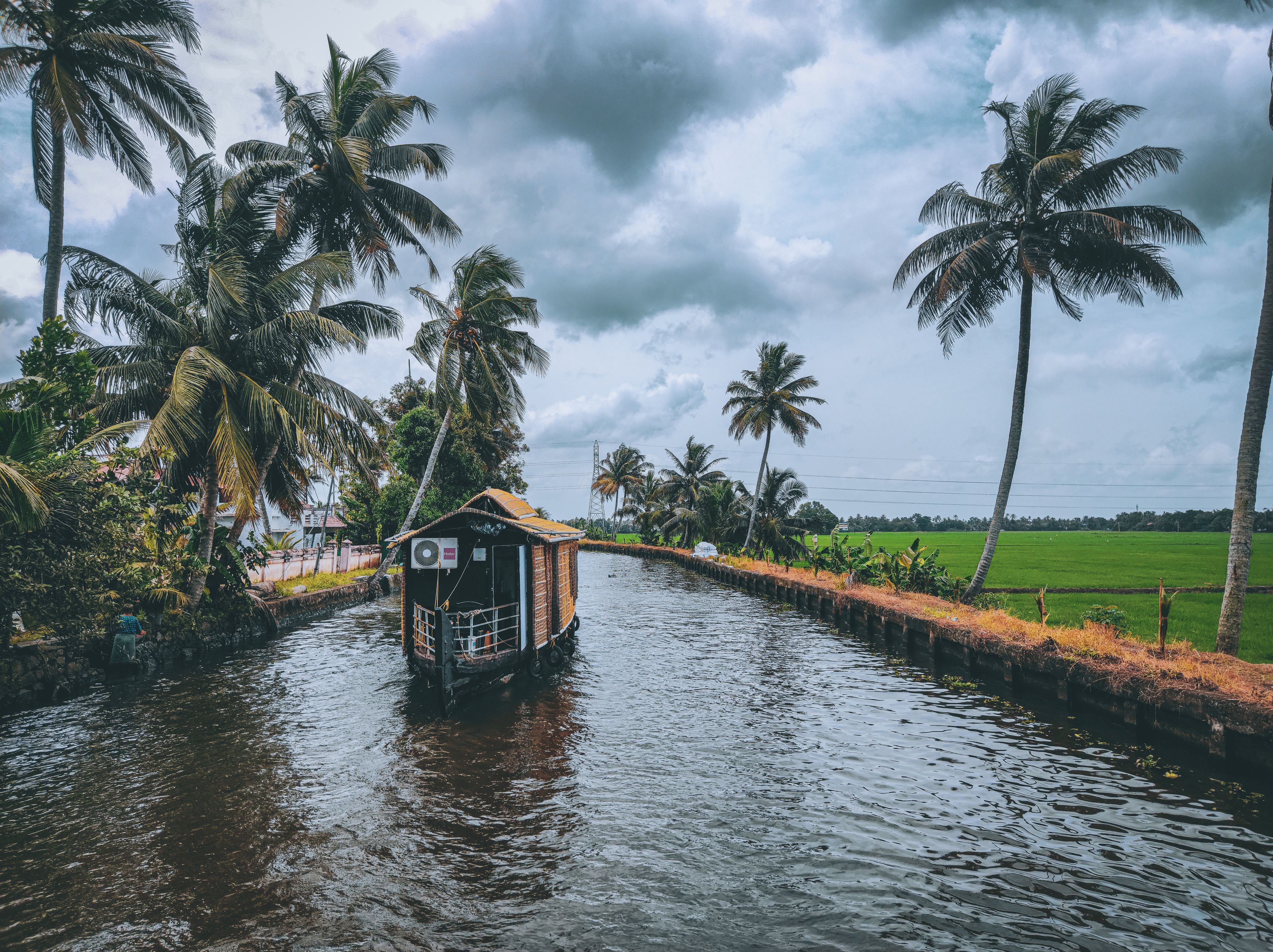
A kettuvallam was originally a cargo boat for rice and spices, built from planks stitched with coir. Today, converted kettuvallams are floating hotels with bedrooms, a lounge, a kitchen and a crew of a captain, a cook and a helper. A typical cruise starts around noon, moves slowly through canals and across the lake, stops for lunch, moors in the evening, serves dinner and stays moored overnight. After breakfast, the boat returns to the jetty.
Private or shared
Most travellers choose a private boat for their group, with one to five bedrooms. Shared or sunset cruises are cheaper but less private and more crowded. Day cruises, with lunch, are an option for those who prefer not to stay overnight.
Classification and regulation
The Kerala Tourism Department classifies houseboats as Diamond, Gold or Silver based on standards. Registration and safety certification are also required. In 2026, the High Court ordered that houseboats without proper waste treatment must not operate on Vembanad Lake, and the Ports Department began inspections. Ask your operator about registration, classification, life jackets, fire safety and waste treatment. A reputable operator will answer clearly.
What to look for
- Cabin and bathroom. Ask for photos of the actual boat, not a stock picture.
- Air-conditioning. Many boats provide it only at night and run on a generator or inverter, so ask about hours.
- Crew. A friendly, experienced crew makes the trip.
- Meals. Most cruises include lunch, tea, dinner and breakfast of simple Kerala dishes. Tell the cook about dietary needs.
- Route. Some boats stay on the main lake, while others go into quiet canals.
- Mooring point. Check whether the boat moors in a quiet area or alongside others.
Alcohol and etiquette
Policies on alcohol vary by boat. Some serve beer on request, others do not. Do not bring your own without asking. Be respectful of local life; waving at villagers is welcome, but avoid photographing people without permission. Do not throw litter into the water.
Safety
Check that life jackets are available for all passengers, including children. Keep a close eye on young children on deck. Houseboats do not cruise at night. Smoking is not allowed in the cabins. Keep your valuables secure.
Seasons
September to March is best, with calm water and a light breeze. The monsoon is quieter and cheaper, but rain and wind can limit cruising. Summer is hot and humid, though the water breeze helps.
Typical problems and how to avoid them
- A very cheap price. This often means a poor boat, limited meals or hidden extras.
- Surprise charges. Confirm what is included, such as air-conditioning, fuel and taxes.
- Unclear timings. Ask the exact check-in and check-out times.
- Overcrowding. Make sure the number of guests matches the cabins.
- Mismatch with photos. Ask your planner for recent photographs.
Plan it with us
We choose houseboats we trust and describe the category in your quote. See the Alleppey and Kumarakom guide, the Kerala honeymoon and our houseboat and transport guide, or ask us for a recommendation.