On this page 8 sections
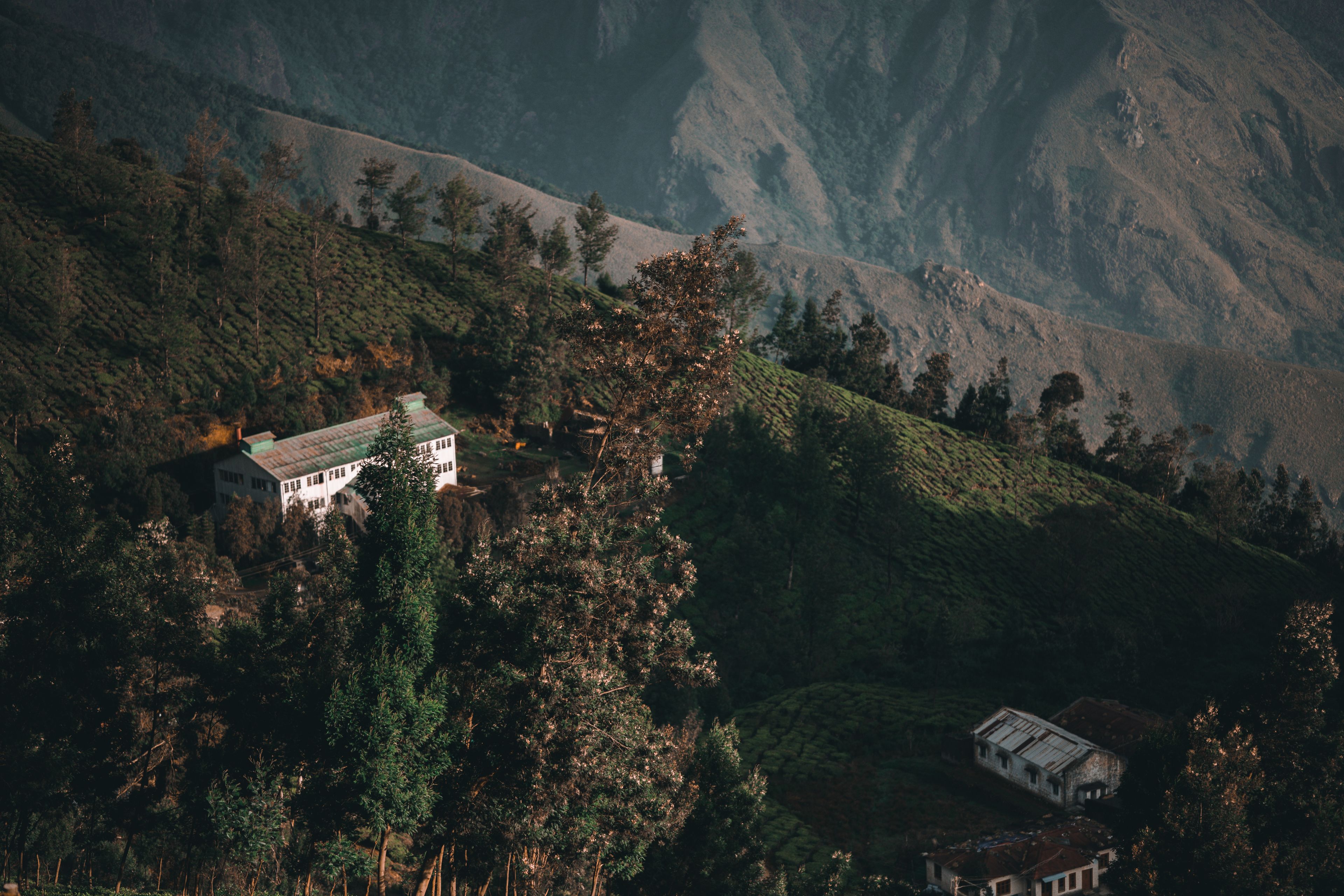
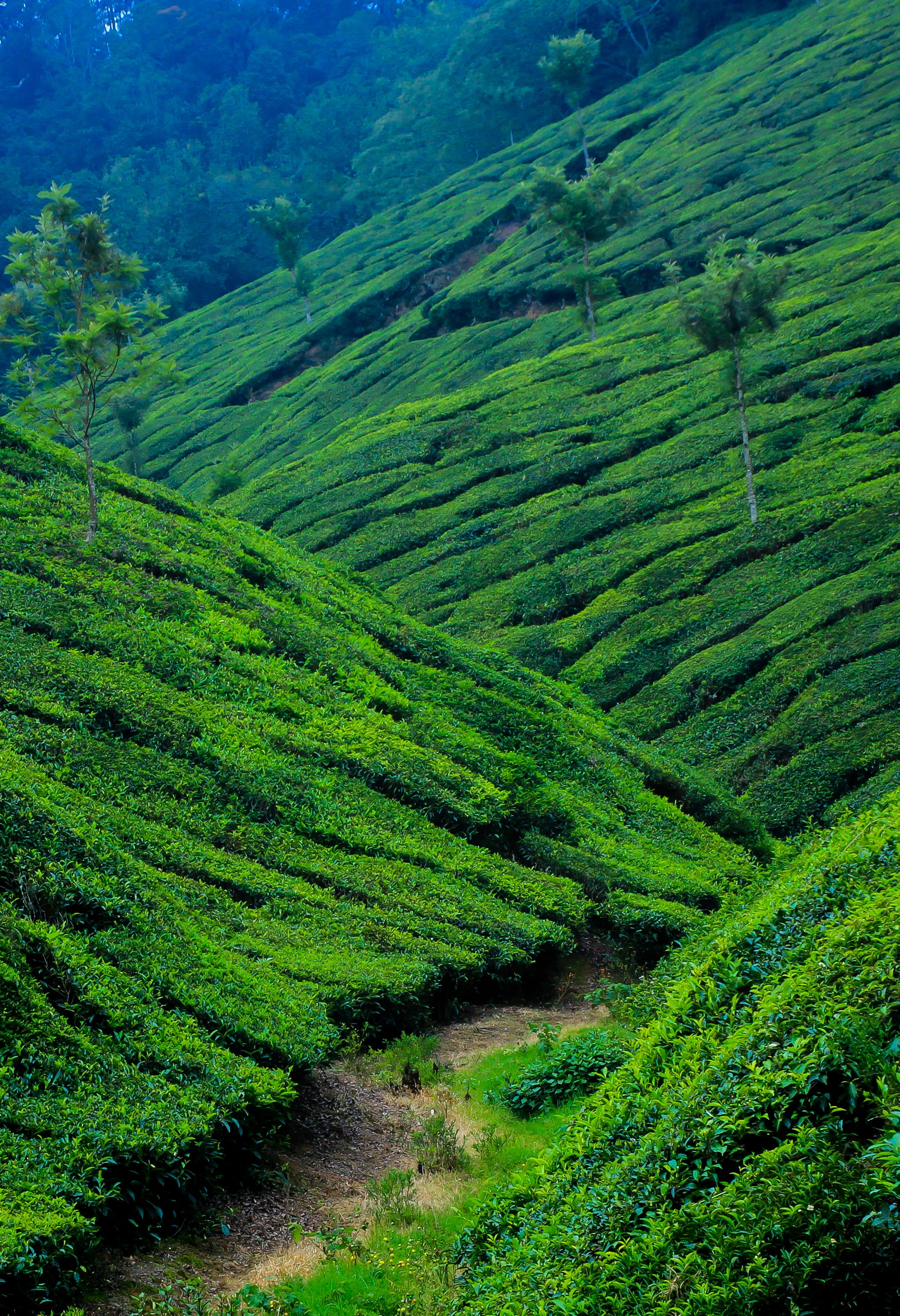
The tea hills define Munnar. From the road, the slopes look like green velvet, in terraces of clipped bushes marked with narrow paths, and from a viewpoint they roll to the horizon. The estates are working farms, and spending time among them gives an understanding of the place that no viewpoint can match.
A short history
British planters began growing tea in the Munnar hills in the late nineteenth century, clearing forest and importing labour. The industry shaped the town, its roads and its communities. Today, large estates and small growers produce tea, and the factory and museum tell the story of the plantations.
What you can do
- Walk through the bushes. Many resorts and estates arrange guided walks, with a guide explaining how leaves are picked and why only the top two leaves and a bud are used.
- Visit a tea factory or museum. See the stages of withering, rolling, fermenting and drying, and learn how different teas are made. The museum displays old machinery and photographs.
- Taste teas. Sample black, green and orthodox varieties, and buy fresh tea to take home.
- Take photographs. Early morning mist and late afternoon light are best.
- Watch the pickers. Women pickers work in rows, carrying baskets on their backs. Always ask before photographing them.
- Drive to Kolukkumalai. One of the highest tea estates in the world, reached by a jeep ride on a rough track, it is famous for sunrise views.
The best time of day
Early morning has mist, cool air and low light, and the estates are quiet. Late afternoon gives warm golden light and long shadows. Midday is hot and bright, and best used for a museum or lunch.
Respectful visiting
The estates are workplaces. Stay on paths, do not pluck leaves, and avoid blocking the road. Ask permission before taking photographs of workers, and consider giving a small tip if they pose. Buying tea from cooperative shops or estate stores supports local livelihoods. Carry your waste out.
What to buy
Fresh orthodox tea, spice blends and homemade chocolates are common purchases. Check the packaging date, and buy small quantities. Tea from a small estate often has more character than packaged tea from a roadside shop.
Weather notes
Mist and rain can reduce visibility, especially from June to September. Roads can be slippery and subject to landslide warnings. Carry rain gear, and wear shoes with grip.
Who it suits
Tea plantations suit almost everyone: couples, families, solo travellers and photographers. Children enjoy the walks and the factory machinery, while older visitors appreciate the easy gradients. If you prefer more strenuous activity, look at the hiking options.
Combine it with
Pair a plantation walk with Eravikulam National Park and a visit to Mattupetty Dam. A homestay on an estate gives a quieter and richer experience. See the Munnar guide or ask us to plan a stay.