On this page 8 sections
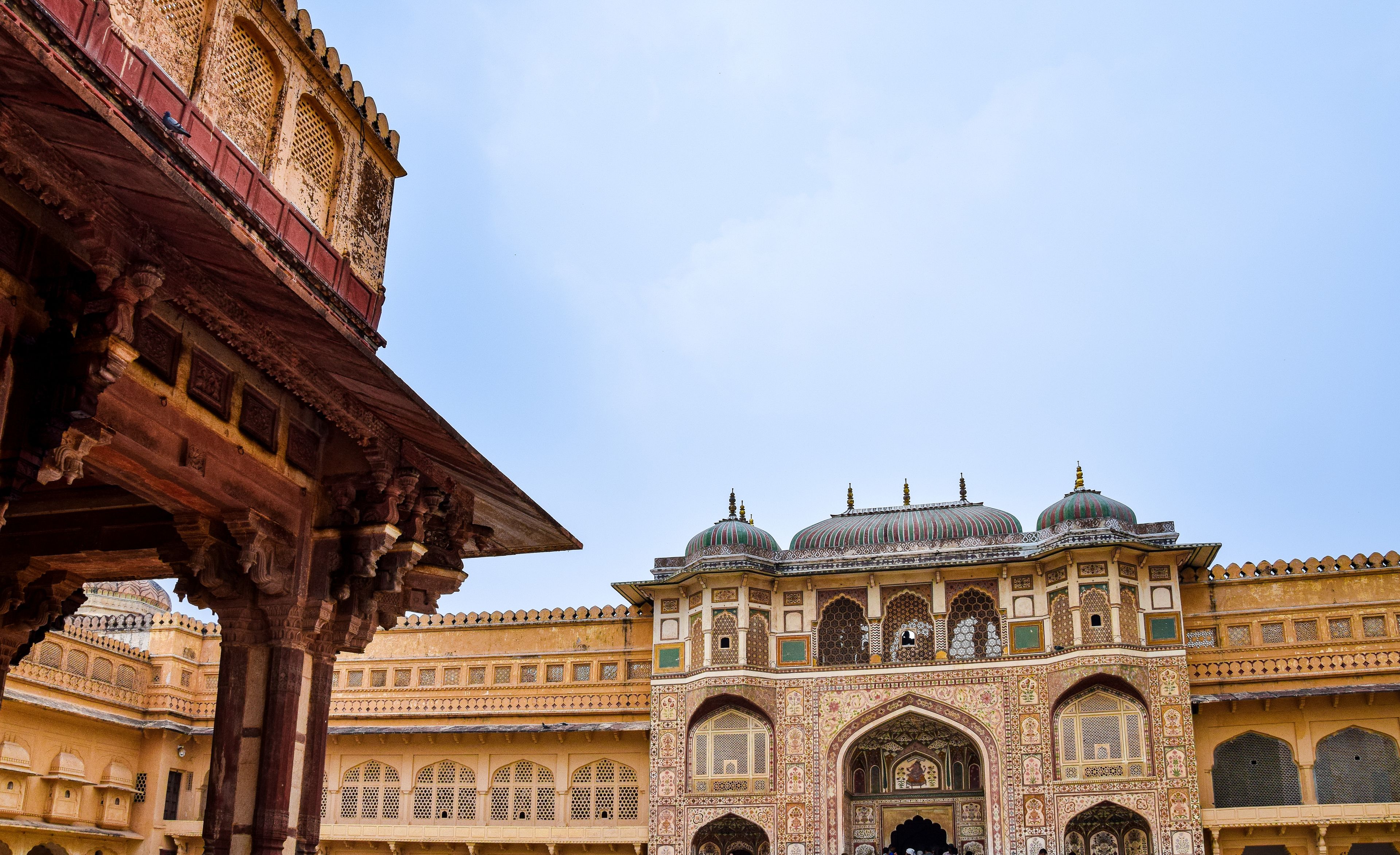
Mehrangarh is the kind of fort that makes you stop on the road and stare. Built on a rocky cliff 125 metres above the plains, its walls climb straight out of the rock and merge into the cliff face, so that it is hard to tell where one ends and the other begins. It is one of the largest forts in India, and its museum is widely seen as one of the best in the country.
A short history
Rao Jodha, ruler of Marwar, began the fort in 1459 when he moved his capital from Mandore to this rock. Later rulers added palaces, gates and courtyards over the next four centuries. The fort held out against sieges and still bears dents from cannonballs on its gates. Today it is run by a trust, which has restored the interiors and developed a museum and visitor programme.
What you will see
- Gates and ramparts. Seven gates lead up the slope, including Jai Pol and Fateh Pol, commemorating victories.
- The museum. The palace interiors show howdahs (elephant seats), palanquins, miniature paintings, weapons, textiles and royal costumes.
- Phool Mahal, Sheesh Mahal and Moti Mahal. Richly decorated halls, some with painted ceilings and mirror work.
- Cannons on the ramparts. Large guns facing the city, with sweeping views over the blue houses.
- The Chamunda Mataji Temple. An active temple at the fort's southern end.
The audio guide
Mehrangarh's audio guide is widely praised, with a clear narrative and local voices. It is included in many tickets and takes you through the main sections. A human guide can add detail, but the audio guide is usually enough for most visitors.
Getting up and down
You can walk up the sloping paths, take a vehicle to the entrance, or use a lift to the upper levels in some sections. The museum is mostly on level ground, but there are steps and ramps. Wear sturdy shoes. If you have a mobility issue, tell the ticket staff, and ask about lifts and ramps.
Best time of day
Go early, when the fort opens, to avoid heat and crowds. Late afternoon, around sunset, is beautiful: the stone glows and the city lights up below. Midday in summer can be extremely hot. Many visitors combine a morning visit with lunch at one of the rooftop restaurants in the old city.
Activities
Beyond the museum, the fort offers a zipline course across its walls, and the adjoining Rao Jodha Desert Rock Park has trails through restored native desert landscape. These are optional extras and are priced separately.
Tips
- Carry water and a hat.
- Allow at least three hours.
- Respect the museum rules on photography and touching objects.
- Avoid buying souvenirs from pushy sellers at the entrance; the museum shop has fixed prices.
- Plan your visit for the cooler months.
Plan it with us
Mehrangarh is on our Royal Rajasthan and Desert and forts plans. See the Jodhpur guide or ask for a custom plan.