Short answer
For a first trip, plan six to eight days, choose two or three bases such as Munnar, Alleppey and a beach, travel between December and March if you can and book your houseboat carefully. Keep drives short, and avoid trying to cover the whole state.
On this page 17 sections
- 1. Decide when you can go
- 2. Choose how many days
- 3. Pick your bases
- 4. Plan your arrival and departure
- 5. Choose a houseboat carefully
- 6. Understand the costs
- 7. Be a careful traveller
- 8. Eat well
- Budget and time reality check
- Hotels: homestay or resort?
- What to pack
- Common first-timer mistakes
- A sample first-timer plan
- Pace and rest
- Language and communication
- Packing basics
- What to ask your travel planner
If this is your first time in Kerala, the temptation is to see everything. Resist it. Kerala is more compact than it looks, but its roads are winding and its best moments come when you slow down. This guide sets out the decisions to make, in the order that matters, and the mistakes first-timers most often make.
1. Decide when you can go
Season shapes everything. December to March is the driest and most comfortable. September to November is lush and quieter, with showers. June to August is the south-west monsoon, which suits Ayurveda and waterfalls but makes hills and beaches less predictable. See the best time to visit Kerala for details.
2. Choose how many days
- 3 to 4 days: Munnar and a houseboat, or the backwaters and Fort Kochi.
- 5 to 6 days: Kochi, Munnar and the backwaters, or add a beach. See our 5-day itinerary.
- 7 to 8 days: Kochi, Munnar, Thekkady, the backwaters and a beach. See our 7-day itinerary.
- 10 days or more: add Wayanad, an Ayurveda stay or the north.
3. Pick your bases
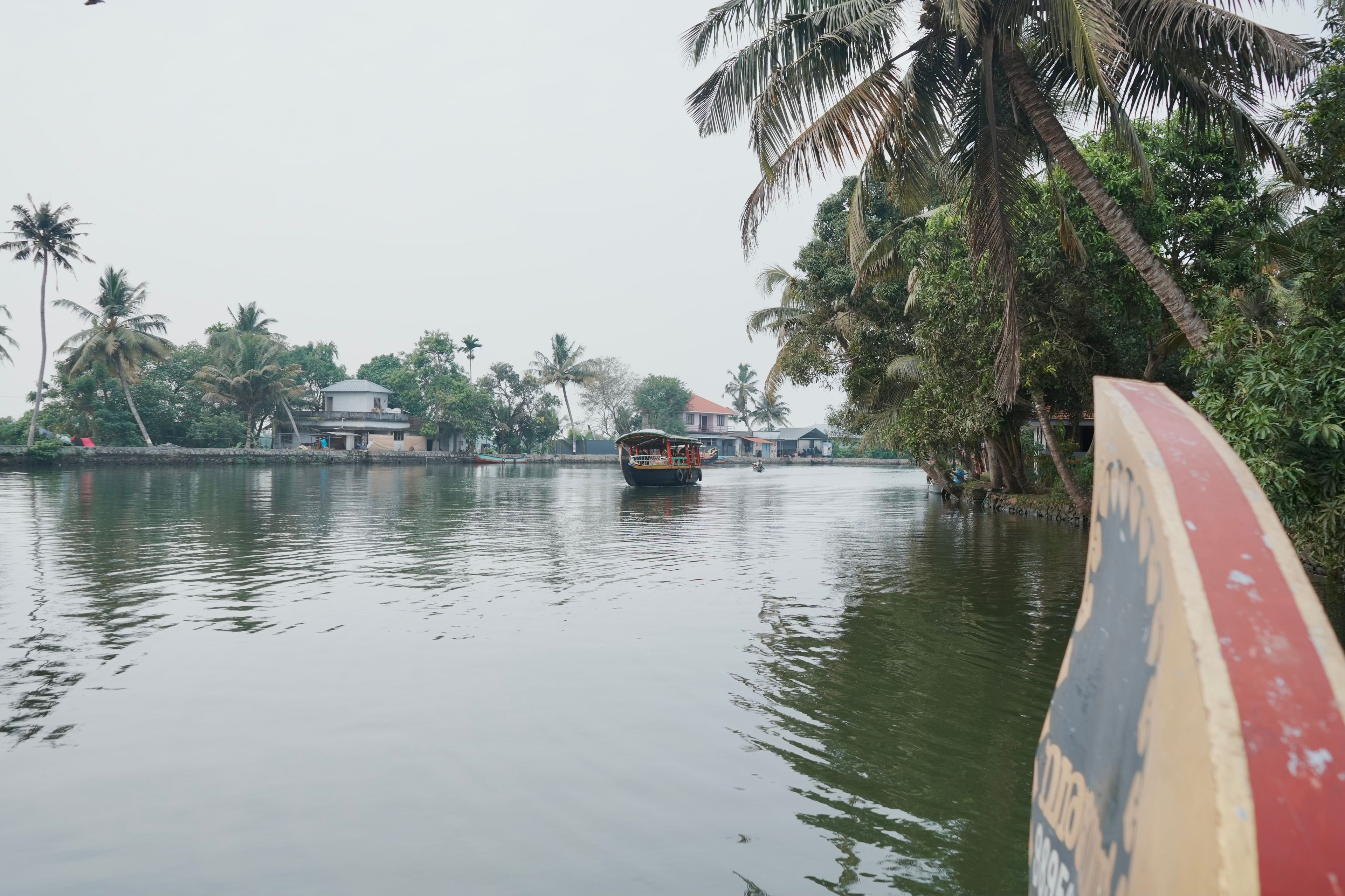
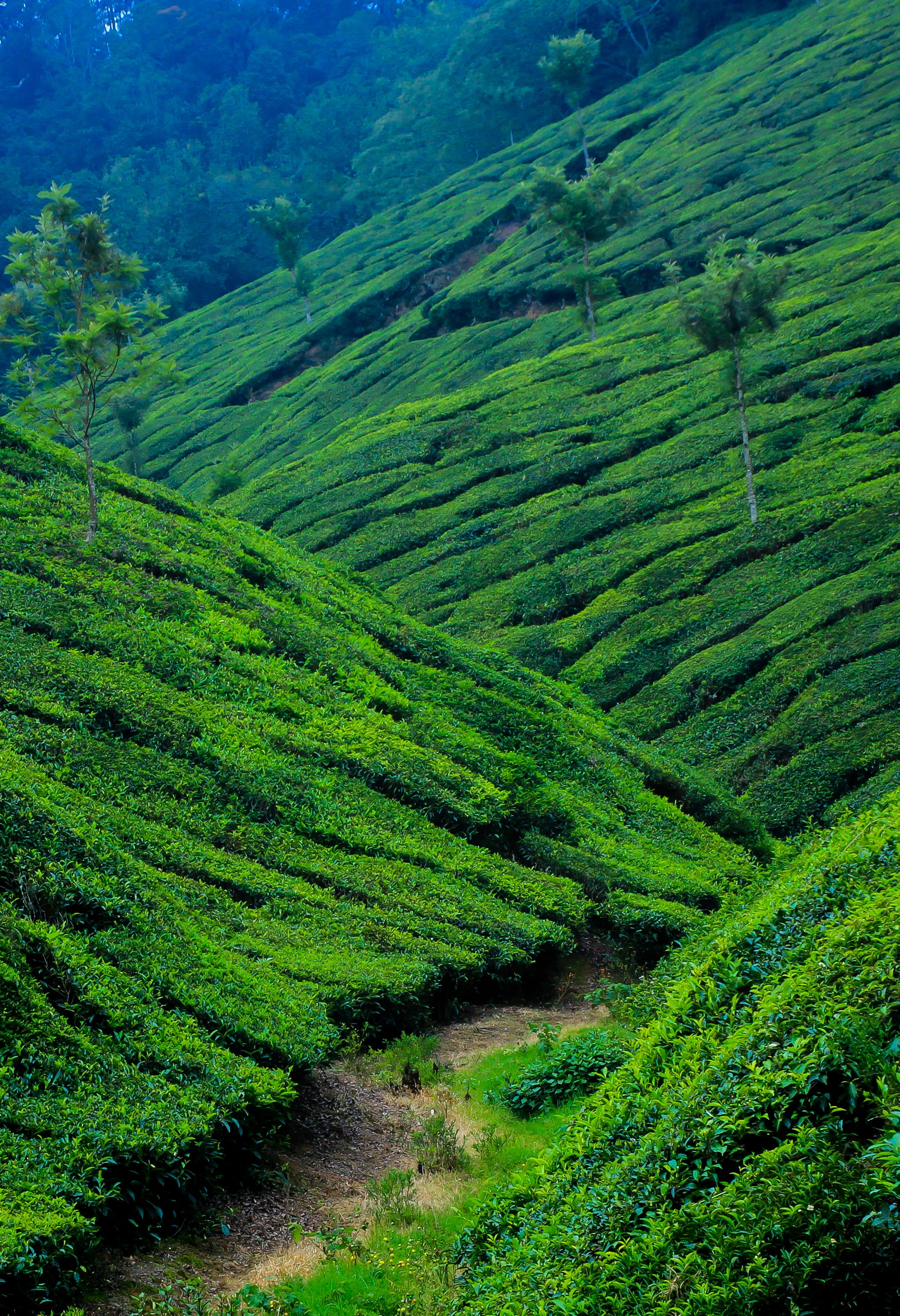
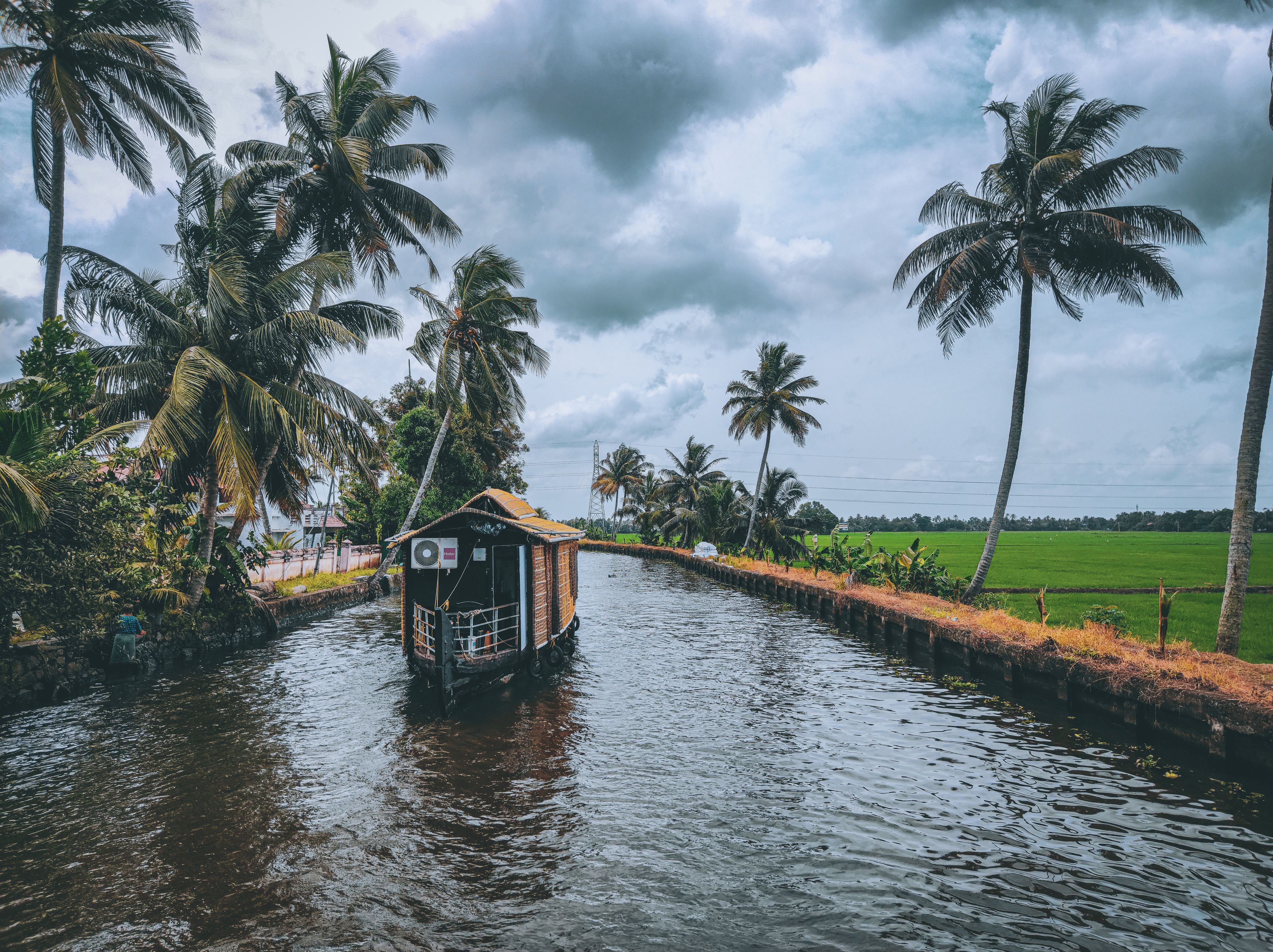
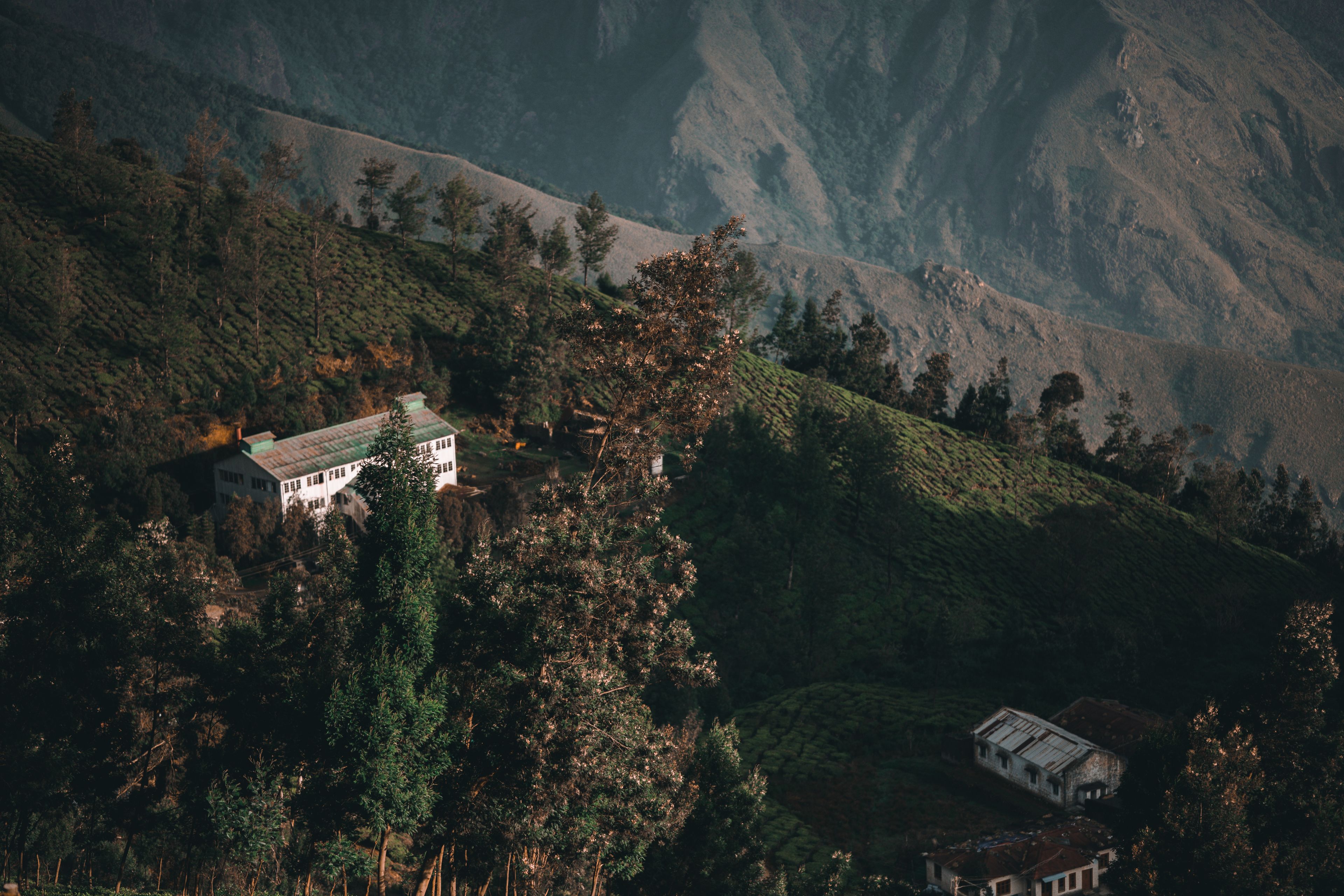
Kochi for heritage and the airport. Munnar for tea hills. Thekkady for wildlife and spices. Alleppey or Kumarakom for backwaters. Kovalam or Varkala for beaches. Pick the ones that match your interests, and accept that you will miss some. See Kochi, Munnar, Thekkady and Alleppey and Kumarakom.
4. Plan your arrival and departure
Fly into Kochi and out of Thiruvananthapuram, or the other way round, to avoid retracing your route. Read how to reach Kerala for details.
5. Choose a houseboat carefully
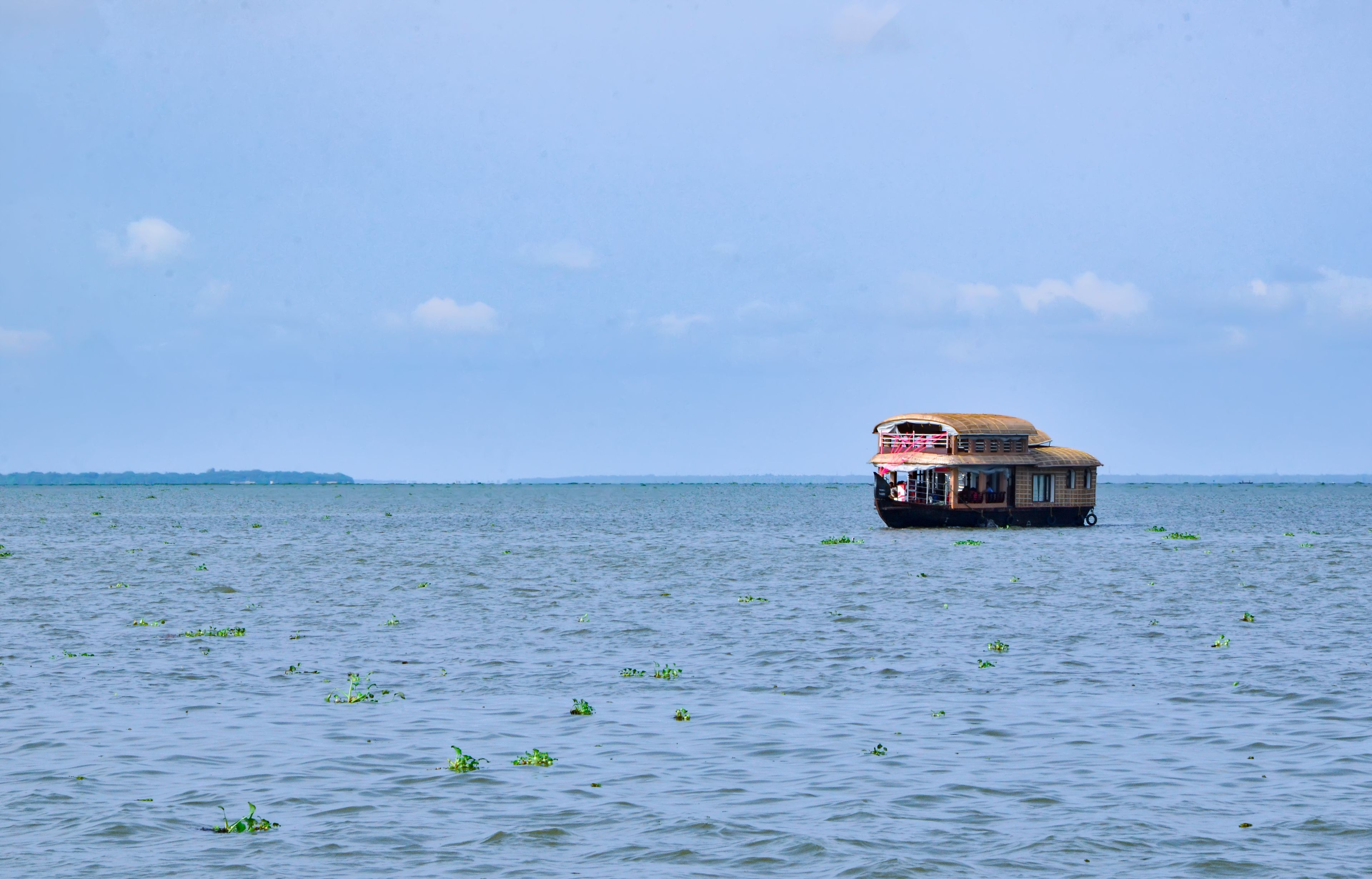
A houseboat can be a highlight or a letdown. Check classification, registration, cabin photos, air-conditioning hours and meals. Our houseboat and transport guide explains what to ask.
6. Understand the costs
Hotels and houseboats are the largest costs and vary by season. Entry tickets, boat rides and some meals are paid locally. Read our Kerala trip cost guide.
7. Be a careful traveller
Check weather alerts, swim only at lifeguarded beaches, dress modestly at temples and think about animal welfare. See travel tips and safety.
8. Eat well
Try appam with stew, fish curry, a sadya and filter coffee. See our Kerala food guide.
Budget and time reality check
A good first trip costs more in time than in money. Check the real travel time between each pair of bases, add rest days after long drives and allow extra time on the first and last days. Many travellers say they wish they had cut one stop and stayed longer elsewhere, and almost none regret leaving a free afternoon.
Hotels: homestay or resort?
For a first trip, mix the two. A homestay or plantation bungalow in Munnar gives you warmth, home cooking and local advice. A resort near the sea or the lake gives you a pool, a spa and consistent service. A houseboat is a night rather than a hotel. This combination gives variety and balances cost.
What to pack
Light cotton clothes, a rain jacket, a warm layer, a hat, sunscreen, mosquito repellent, comfortable shoes with grip, swimwear, modest clothing for temples, a power bank and any regular medicines. A small first-aid kit and motion sickness tablets are worth bringing for the hill roads.
Common first-timer mistakes
- Trying to see too much. Five bases in six days means a lot of time in a car.
- Underestimating hill roads. A 110 km leg can take four hours.
- Choosing a houseboat on price alone. Cheap boats can be a poor experience.
- Ignoring the monsoon. Expecting beach weather in July.
- Skipping rest. The humidity and winding roads are tiring.
- Booking late for December. Good hotels and houseboats sell out.
- Forgetting a rain jacket. Showers can come in any month.
- Not asking what is included. Entry tickets, boat rides and meals vary by package.
A sample first-timer plan
Fly into Kochi, spend a night in Fort Kochi, two nights in Munnar, a night on a houseboat and two nights on the beach. That is our Kerala honeymoon, and the Classic Kerala tour extends it with Thekkady. Families may prefer the Kerala family holiday.
Pace and rest
Plan a rest afternoon after any long drive, and avoid scheduling an early morning activity the day after a late arrival. Humidity and the winding roads tire people more than they expect. A slow trip is not a wasted trip in Kerala; it is the way the place is meant to be enjoyed.
Language and communication
Malayalam is the local language, and English is widely understood in hotels, shops and tourist places. A few words, such as "nanni" for thank you and "namaskaram" for hello, are greatly appreciated. Drivers and guides who speak your language make a difference, so tell us your preference.
Packing basics
Light cotton clothes, a rain jacket, a warm layer for Munnar, a hat, sunscreen, mosquito repellent, comfortable shoes with grip, a power bank and any regular medicines. Carry a government photo ID.
What to ask your travel planner
Ask which hotels or categories are proposed, how long each drive is, what the houseboat classification is, what is included and what is not, how cancellations work and what happens if the weather changes. A good planner will answer in writing.
If you are travelling with children or elders, tell us early, because it changes the pace and the choice of stays. When you are ready, share your dates and group and we will draft a plan.
Practical tips
- Choose two or three bases rather than five; hill roads are slower than they look.
- Fly into one airport and out of another to avoid backtracking.
- Book houseboats and peak-season hotels early.
- Keep a free afternoon after the longest drive.
- Check weather alerts for hill districts if you travel in the monsoon.